Science fiction has long functioned as literature’s most expansive laboratory. By utilizing invented technologies, deep-space voyages, and alternate societies, the genre consistently interrogates what it means to be human, tackling profound philosophical, sociological, and existential questions that more grounded literary genres often fail to reach. Distilling the essential science fiction canon into a single reading list presents a formidable challenge. While foundational pillars like Frank Herbert’s Dune and George Orwell’s 1984 helped carve out the genre’s bedrock, some of speculative fiction’s most brilliant breakthroughs lie along far stranger, less-traveled pathways.
Short-story collections, hallucinatory mind-benders, international masterpieces, and sociopolitical thought experiments have continually redrawn the boundary lines of what speculative narratives can achieve. Examining the historical progression of the genre reveals a fascinating evolution—one that moves from early twentieth-century visions of algorithmic governance and dystopian anxiety to high-concept cybernetic futures, hard physics, and sociological inquiries into gender and consciousness.
Detailed Chronology: A Journey Through Sci-Fi’s Evolution
Tracing the historical trajectory of science fiction reveals how writers have adapted to the anxieties of their respective eras, shifting from macro-level societal fears to intensely personal, psychological frontiers.
1921–1940: The Foundations of Dystopia and Simulation
We (1921) by Yevgeny Zamyatin: Published decades before mid-century dystopian touchstones, Zamyatin’s novel established the blueprint for totalitarian speculative fiction. Set in the "One State," protagonist D-503 navigates a society governed by mathematical precision and glass walls that eliminate privacy. Written in the immediate wake of the Russian Revolution, the book was banned by Soviet censors, yet its shadow looms over every piece of dystopian media that followed.
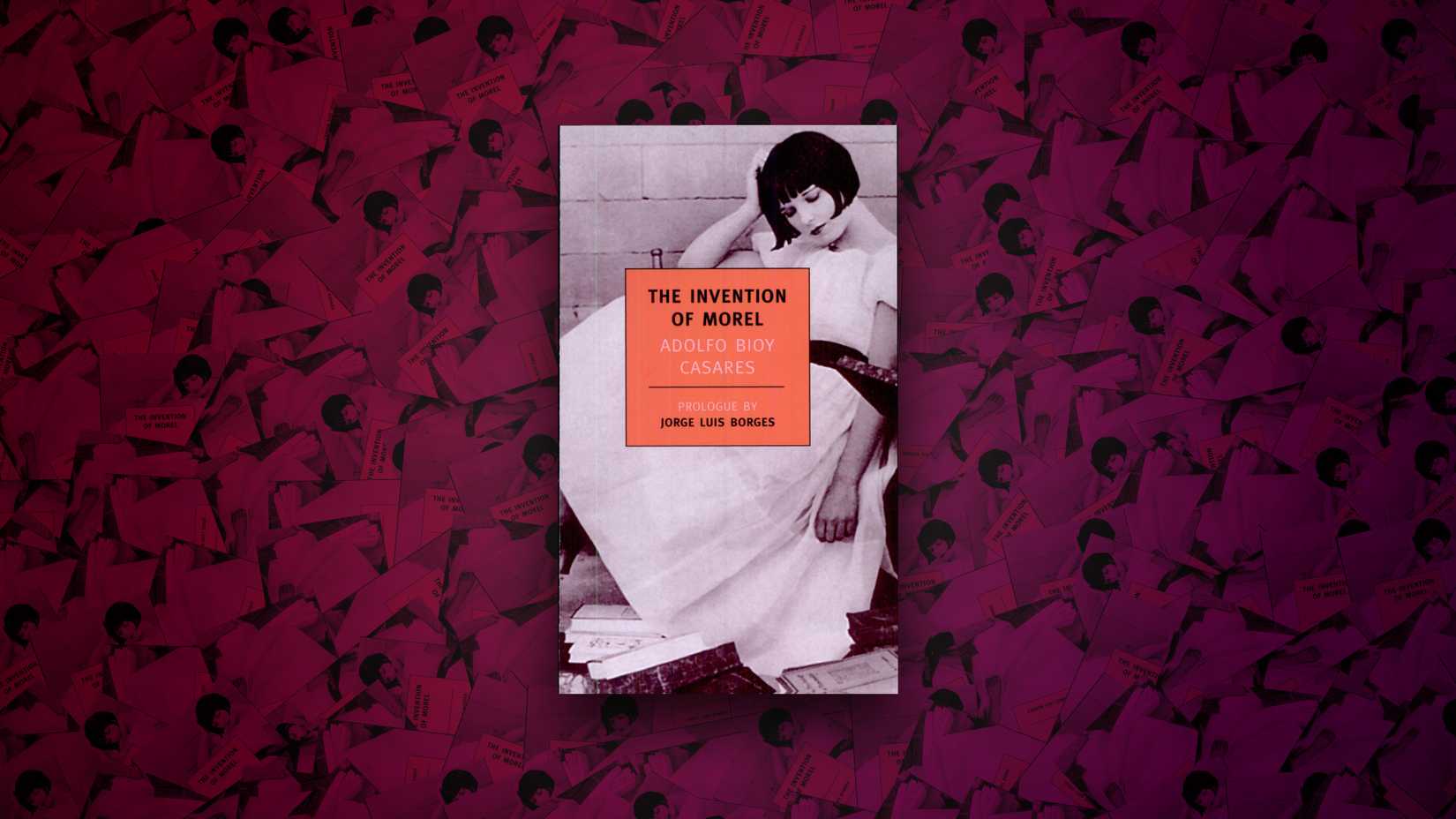
The Invention of Morel (1940) by Adolfo Bioy Casares: Predating modern virtual reality and simulation theory by decades, Casares’ novella introduces a fugitive stumbling onto an abandoned island, only to find tourists trapped in perpetual loops of light. It remains a poignant reminder that speculative masterpieces do not require a sweeping cosmic canvas to leave a lasting emotional impact.
1951–1969: The Golden Age of Scale and Psychologically Complex Worlds
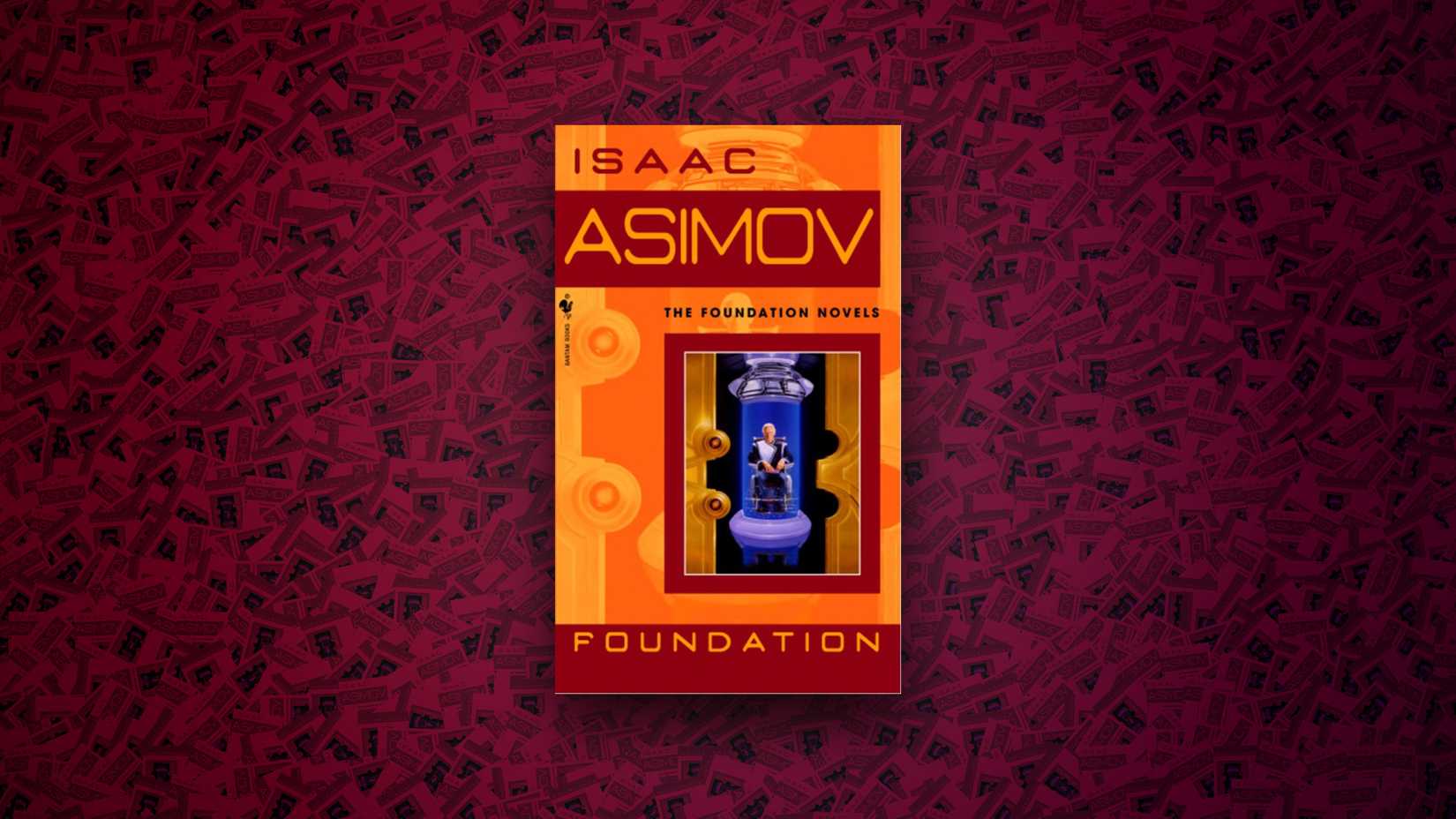
Foundation (1951) by Isaac Asimov: Asimov’s space opera spans centuries, tracking mathematician Hari Seldon as he develops "psychohistory" to shorten the dark age awaiting the Galactic Empire. Shifting focus from single heroes to the macro-economic and political forces governing civilizations, Foundation redefined the scale of modern science fiction.
A Canticle for Leibowitz (1959) by Walter M. Miller Jr.: Chronicling the monks of the Albertian Order of Leibowitz as they preserve scattered scientific fragments after a nuclear apocalypse, Miller’s cyclical narrative serves as an ironic warning against humanity’s compulsion to engineer its own destruction.
Ubik (1969) by Philip K. Dick: Turning the camera inward from space travel, Dick pioneered a psychological framework defined by corporate espionage, corporate consumerism, and fractured reality. Ubik laid the conceptual groundwork for The Matrix, Dark City, and Satoshi Kon’s Paprika.
The Left Hand of Darkness (1969) by Ursula K. Le Guin: Le Guin dismantled centuries of gender assumptions by exploring Gethen, a world without rigid gender roles. Part political survival story and part meditation on existential isolation, it remains a masterclass in stripping away human bias.
1989–2008: Cyberpunk, Mythology, and Hard Physics
Hyperion (1989) by Dan Simmons: Structuring an expansive space opera around the framework of The Canterbury Tales, Simmons uses seven pilgrims recounting their histories on a dying world to explore humanity’s deepest fascinations.
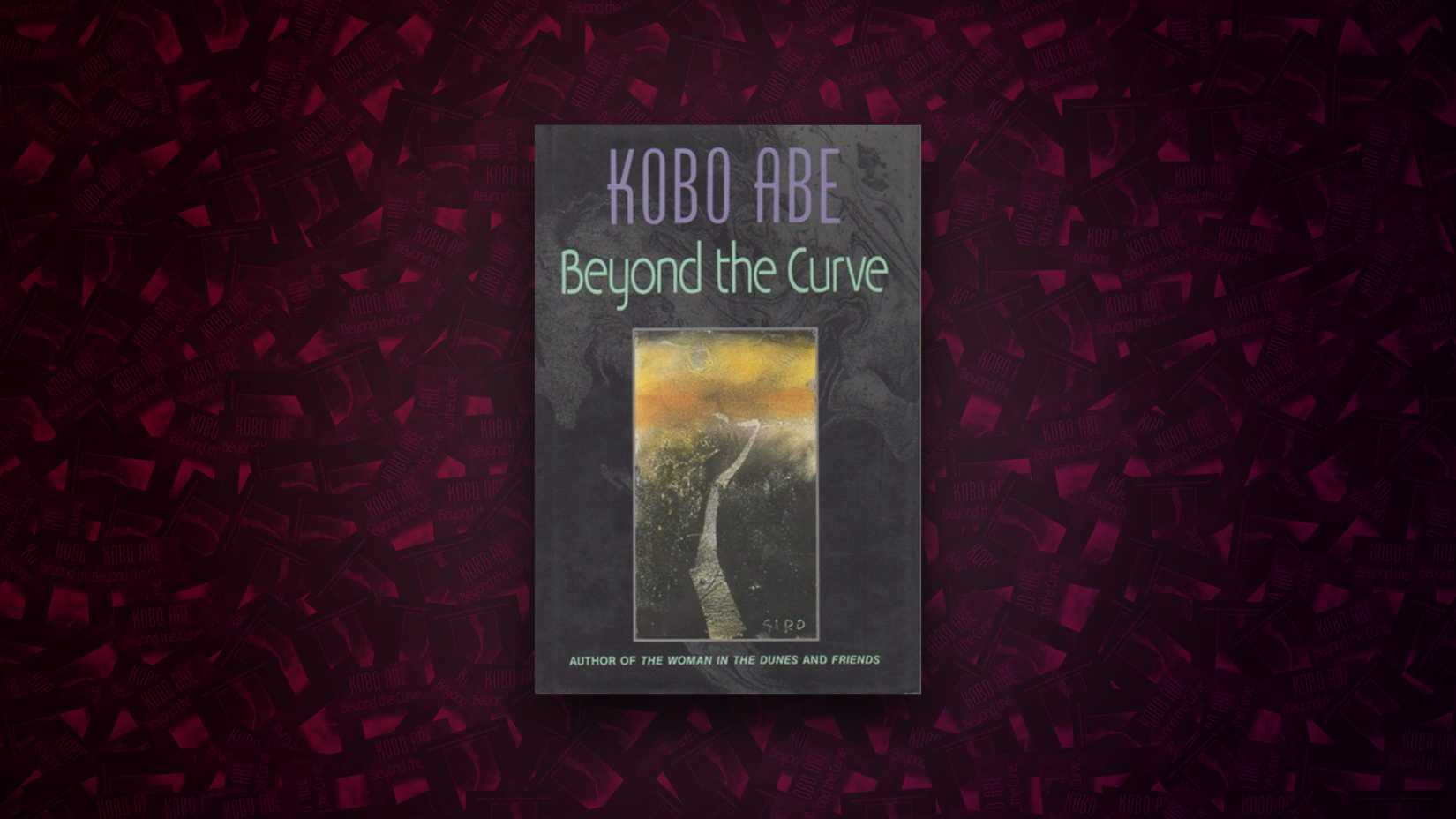
Beyond the Curve (1991) by Kōbō Abe: Spanning 17 years of Abe’s career, this collection of 12 short stories reads like fever dreams—such as a man transforming into a plant—blending science fiction, dark comedy, and existential horror.
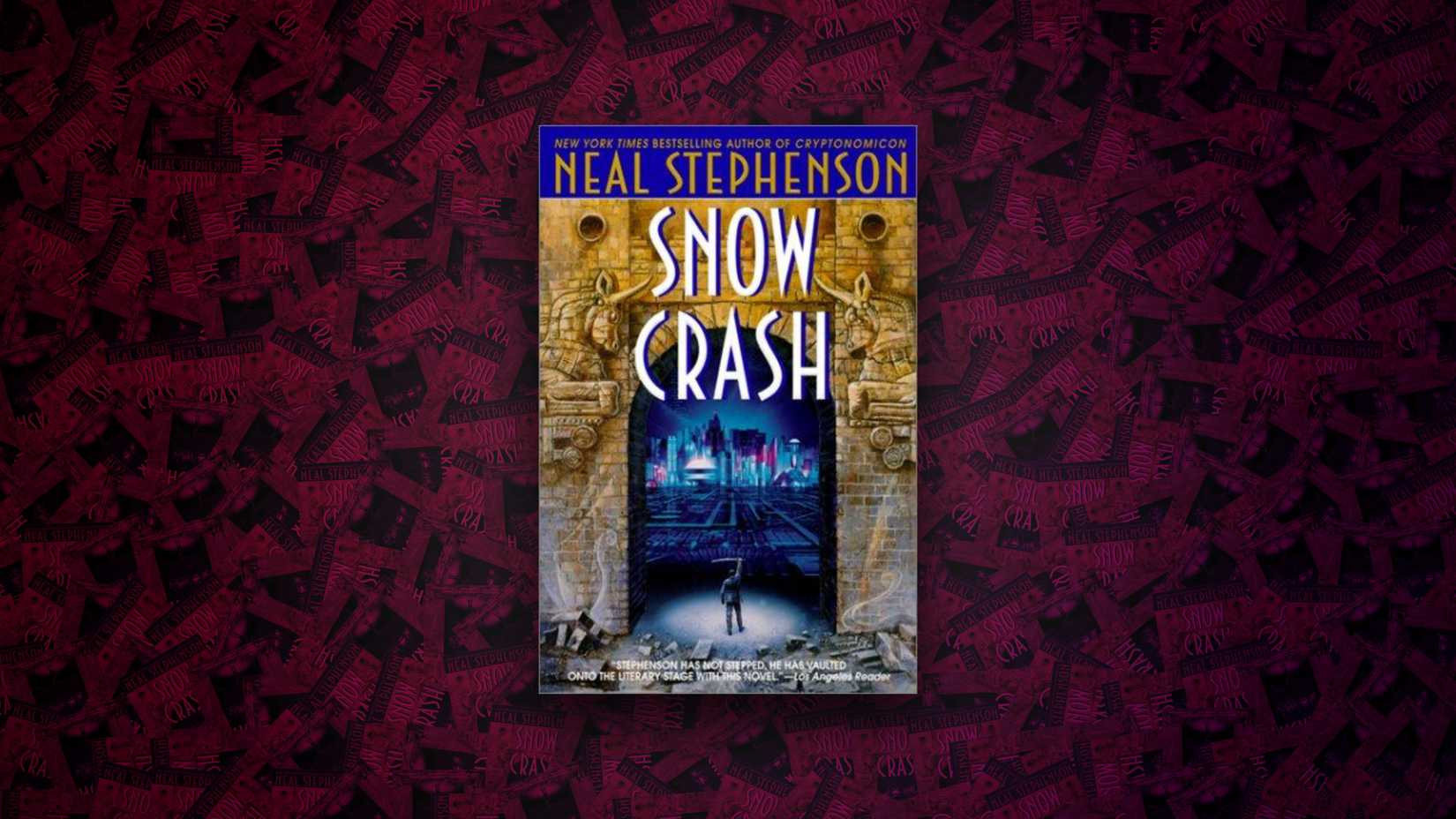
Snow Crash (1992) by Neal Stephenson: Fusing Sumerian mythology, linguistic theory, and a fast-paced cyberpunk narrative, Stephenson’s work popularized the term "metaverse" and foresaw corporate-run enclaves and fragmented societies.
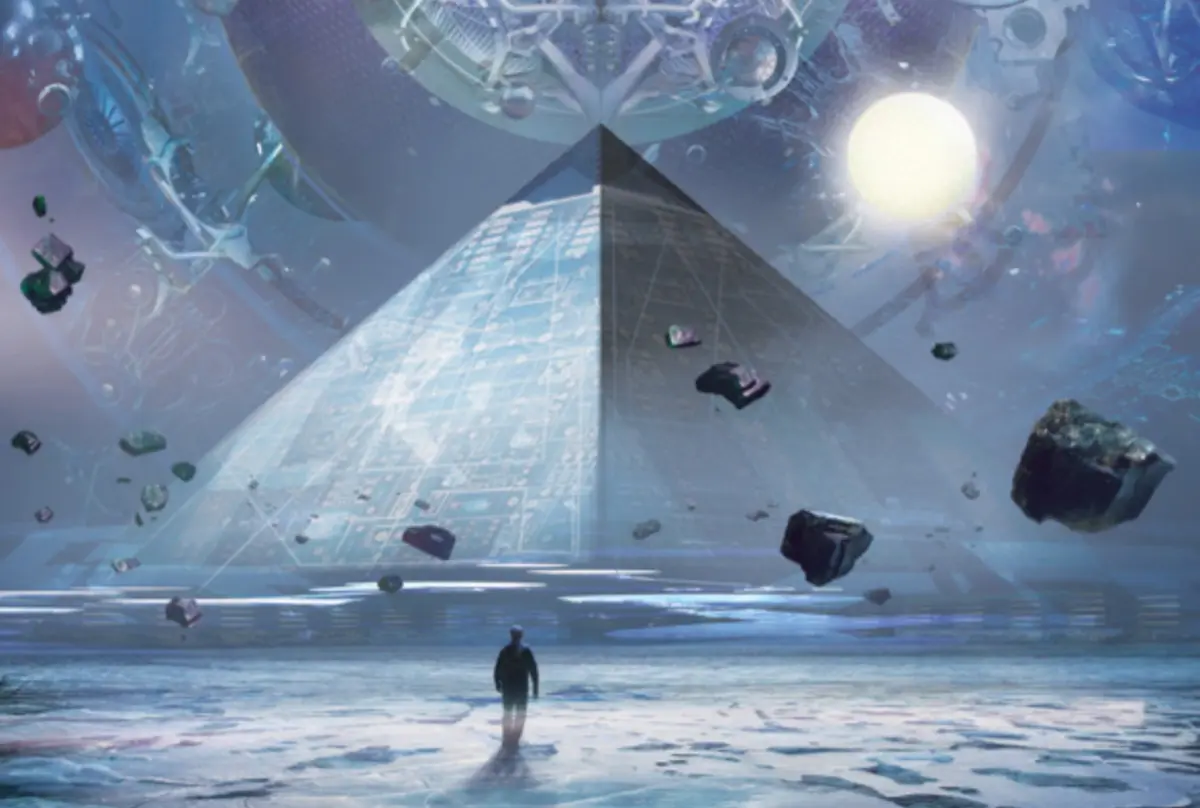
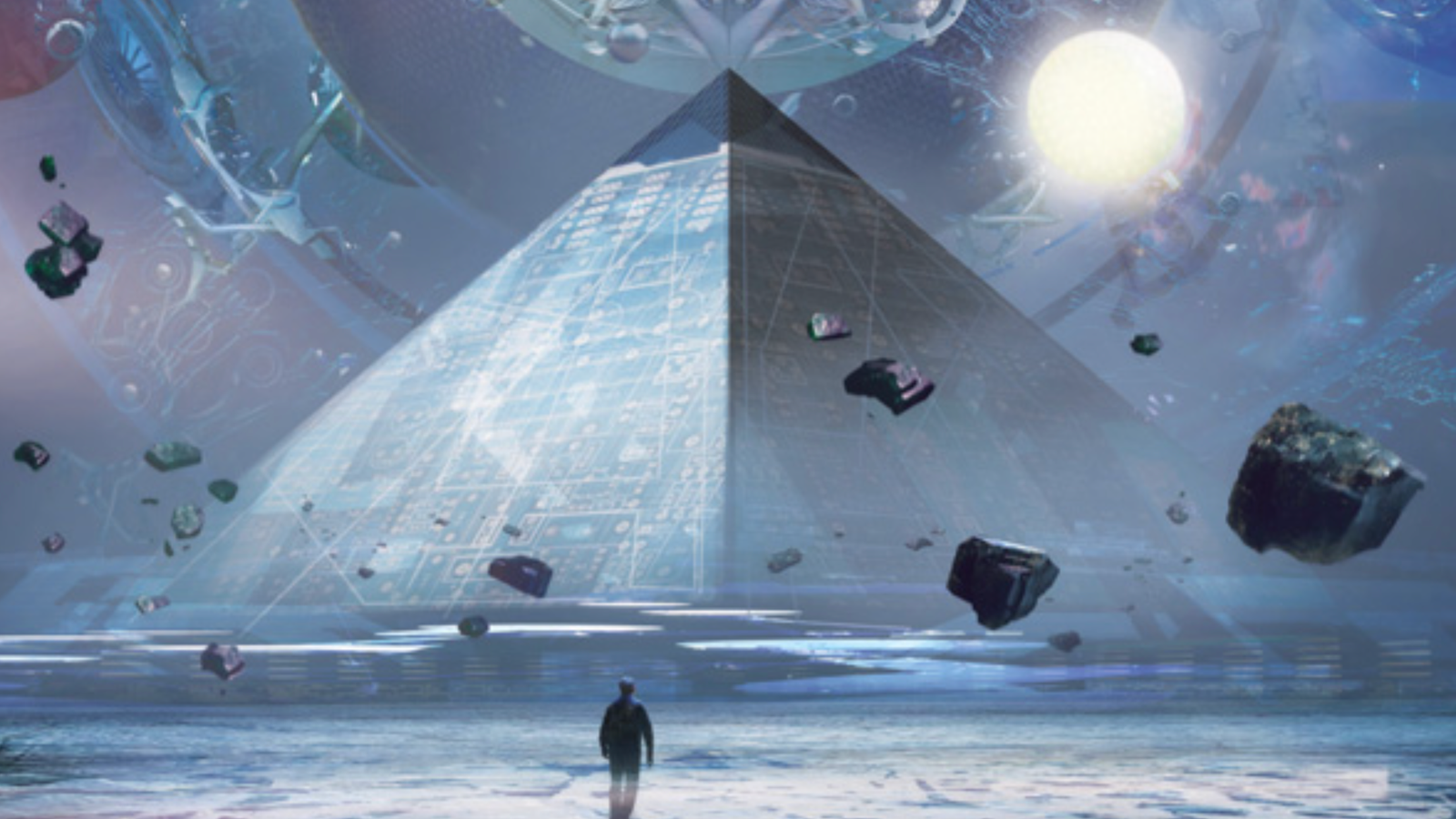
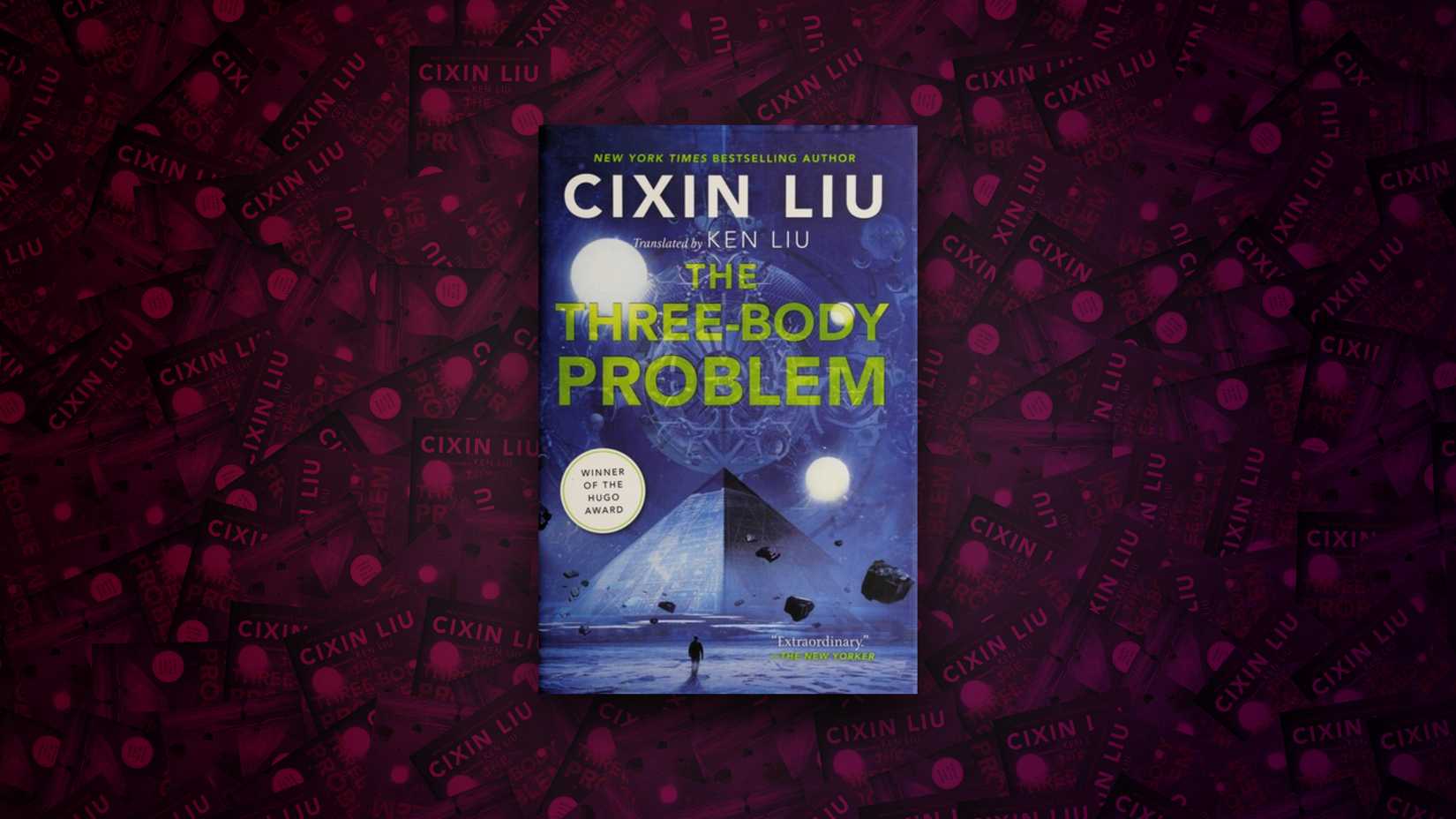
The Three-Body Problem (2008) by Liu Cixin: Shifting away from optimistic or purely terror-driven first-contact tropes, Liu’s hard sci-fi masterwork approaches the universe through an uncompromising cosmic perspective, bringing contemporary Chinese science fiction to a massive global audience.
Supporting Context & Metrics: The Cultural and Literary Impact
To understand the enduring weight of these works, one must analyze their reception, academic study, and influence across various media.
+-------------------------------------------------------------------------+
|                  THE EVOLUTION OF SPECULATIVE THEMES                    |
+-------------------------------------------------------------------------+
| Era        | Primary Focus           | Representative Work              |
+------------+-------------------------+----------------------------------+
| 1920s-40s  | Totalitarianism & Light | We / The Invention of Morel      |
| 1950s-60s  | Psychohistory & Gender  | Foundation / Left Hand of Dark.  |
| 1989-90s   | Cyberculture & Myth     | Hyperion / Snow Crash            |
| 2000s+     | Hard Physics & Cosmos   | The Three-Body Problem           |
+-------------------------------------------------------------------------+
Global Reach and Translation: Works like Liu Cixin’s The Three-Body Problem broke barriers for translated fiction, winning the Hugo Award for Best Novel in 2015 and opening Western publishing markets to a surge of international speculative voices.
Media Adaptations: Philip K. Dick remains one of the most adapted authors in cinematic history (inspiring Blade Runner, Total Recall, and Minority Report), while works like Asimov’s Foundation and Liu’s The Three-Body Problem have successfully transitioned into multi-season television epics, proving their enduring commercial viability.
Academic Integration: Novels such as The Left Hand of Darkness and We are fixtures in university curricula, studied not only within literature departments but also across sociology, political science, and gender studies.
Official Statements and Critical Consensus
Literary critics and genre historians frequently emphasize that the true value of science fiction lies in its capability to hold up a mirror to contemporary society.
Renowned cultural critics and authors have long noted that speculative fiction operates as a primary vehicle for exploring philosophical dilemmas. As noted in literary analyses of mid-century speculative writing, authors like Ursula K. Le Guin purposefully utilized alien sociology not to predict the exact future, but to diagnose the present:
"The descriptive task is to describe reality, the future as well as the past… Fiction is a vehicle for truth." — Ursula K. Le Guin
Similarly, scholarly evaluations of works like Yevgeny Zamyatin’s We highlight how early twentieth-century writers correctly anticipated the friction between individuality and institutional optimization:
"Zamyatin recognized that industrialization and absolute state rationalization posed an existential threat to the human soul long before mass surveillance became a technical reality."
Future Outlook: Where the Genre Goes Next
As we look toward the future of speculative storytelling, the boundaries distinguishing "hard" science fiction, magical realism, and psychological thrillers continue to blur. Contemporary writers are increasingly leaning into ecological anxieties, artificial intelligence ethics, and decentralized digital sovereignty.
However, the enduring legacy of the ten masterpieces detailed above proves that regardless of how advanced our technological capabilities become, the most vital frontier in science fiction will always remain the human condition. Whether examining the icy philosophical landscapes of Gethen, the algorithmic fatalism of Seldon’s psychohistory, or the surreal bodily transformations in Kōbō Abe’s short fiction, these novels ensure that speculative fiction will continue to challenge our perceptions, question our governance, and expand our imaginations for generations to come.