Executive Overview
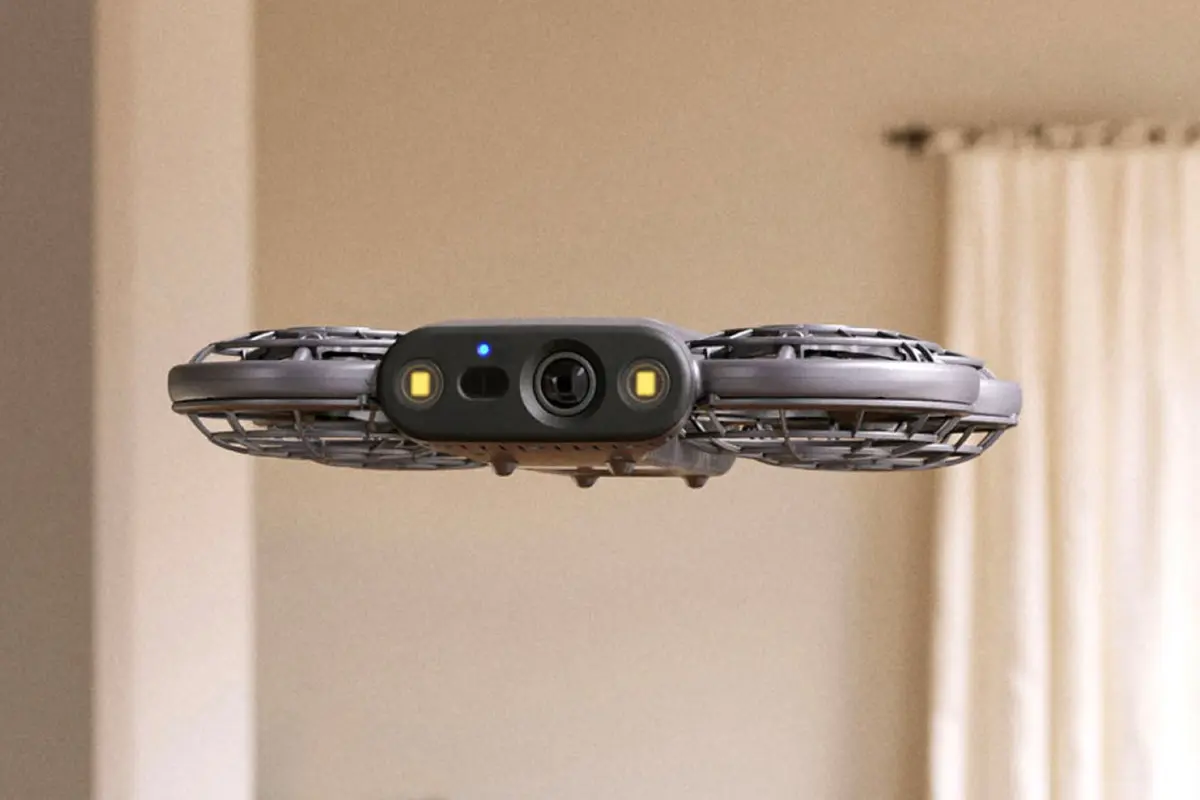
As the holiday shopping season peaks and Black Friday consumption reaches a fever pitch, the boundary between novelty consumerism and corporate surveillance continues to blur. The latest entry into the sprawling bazaar of smart-home gadgets is not merely another voice-activated speaker or Wi-Fi-enabled lightbulb; it is a whirring, flying security device designed to patrol the private sanctuary of your living room.
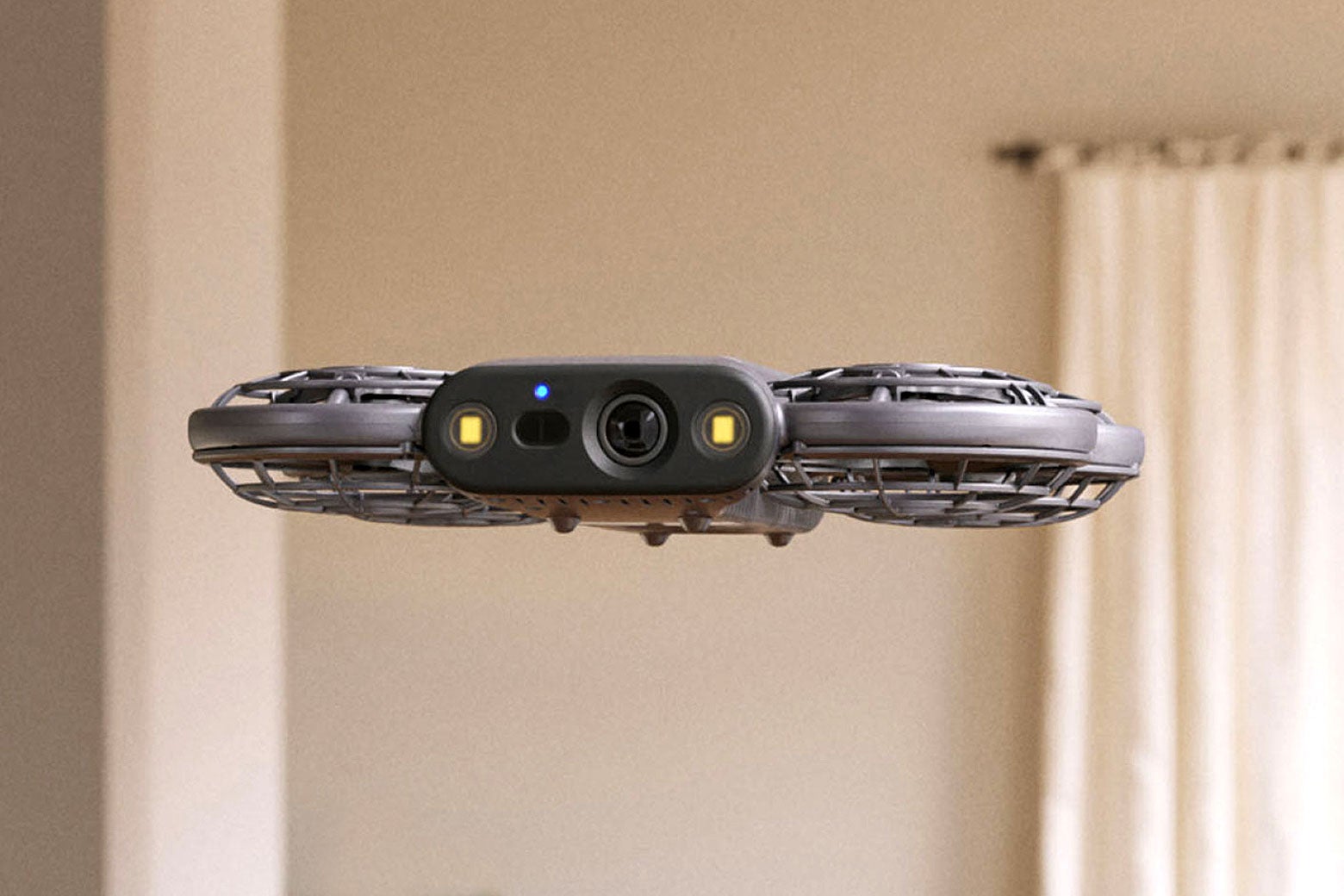
Beginning next year, Amazon’s Ring subsidiary will officially ship its new indoor video surveillance drone, priced starting at $249.99. Marketed as the ultimate high-tech shield against home invasions, the device allows users to remotely pilot a miniature camera around their homes on preset paths. Yet, this product launch arrives at a curious historical moment: overall rates of home burglaries in the United States have been steadily declining for years, fueled by conventional security measures, widespread smartphone cameras, and changing socio-economic demographics.
Beyond questions of practical utility, the introduction of an indoor surveillance drone raises profound privacy and societal concerns. For critics, the device represents the logical, albeit unsettling, evolution of the "smart home" into a domestic panopticon—where tech conglomerates gain unprecedented visual access to the intimate details of daily life. This article examines the technological specifications of Amazon’s new offering, the shifting landscape of modern crime and property, the broader convergence of ubiquitous surveillance, and what this means for the future of personal privacy.
Detailed Chronology: The Evolution of Domestic Surveillance
To understand how consumers arrived at the prospect of flying indoor cameras, it is necessary to trace the rapid escalation of domestic surveillance technology over the past decade.
- The Rise of the Connected Doorbell (Mid-2010s): The normalization of home monitoring began largely with stationary, internet-connected doorbells and porch cameras. Devices like the original Ring doorbell shifted surveillance from commercial enterprises and high-security estates to suburban driveways and apartment entryways.
- Integration with Municipal Policing (Late 2010s): As adoption surged, platforms like Ring transitioned from standalone consumer gadgets into collaborative tools for local law enforcement. Partnerships between tech companies and police departments established formal pipelines for sharing user footage, often bypassing traditional warrant requirements and laying the groundwork for community-wide monitoring networks.
- The Automation of Public Spaces (Early 2020s): The surveillance apparatus expanded outward from residential porches into public and semi-public spheres, characterized by the proliferation of automated license plate readers (such as Flock cameras) and algorithmic threat-detection networks. The boundary between private safety and public oversight began to dissolve.
- The Pivot Indoors (November 2025): Amazon signaled a strategic shift toward internal monitoring by leaning into promotional campaigns that dramatized home invasions thwarted by robotic intervention. Teaser trailers showcased intruders visibly unnerved by indoor surveillance devices, establishing the psychological framework that external security was no longer enough.
- The Commercial Rollout (November 2026): Following initial developmental previews, Amazon officially opened pre-orders for the Ring indoor drone camera ahead of the holiday shopping rush, with commercial deliveries scheduled to begin in the coming year.
Supporting Context & Metrics: A Solution in Search of a Problem
The pitch for Amazon’s indoor drone rests on a fundamental premise: that homes are vulnerable citadels requiring active, aerial patrols against intruders. However, a closer examination of current crime statistics, demographic shifts, and device limitations reveals a stark mismatch between marketing narratives and everyday reality.
1. Declining Crime and Changing Valuables
According to long-term data from organizations like the FBI and criminological research bodies, home burglaries in the United States have been on a consistent downward trajectory for decades. Traditional security mechanisms—such as reinforced deadbolts, motion-activated floodlights, window sensors, and standard stationary security cameras—have proven overwhelmingly effective at deterring opportunistic property crime.
Furthermore, the physical contents of the modern American home have fundamentally changed.
- The Cashless Society: Nearly half of all Americans no longer routinely use or carry physical cash, virtually eliminating the traditional "cookie jar" stash of currency in the kitchen.
- The Renter Generation: With younger demographics (Millennials and Gen Z) facing historic housing market barriers, a significantly larger percentage of the population rents rather than owns property. Consequently, younger households possess fewer high-value family heirlooms, expensive fine jewelry, or physical luxury assets historically targeted by burglars.
- Modern Interiors: Contemporary living spaces are increasingly characterized by modular, flat-packed furniture, minimalist decor, and mass-market consumer electronics that hold minimal resale value on the black market.
2. Technical Limitations vs. Marketing Promises
Despite its futuristic aesthetic, the Ring drone is far from an autonomous tactical sentinel. Industry analysts note that the device possesses severe operational constraints:
- Battery Life: The drone operates on a strictly limited battery capacity, offering approximately eight minutes of flight time before it must return to its base station to recharge.
- Navigation: Rather than exploring the home dynamically via artificial intelligence, the drone is restricted to pre-programmed flight paths determined during setup.
- Dormancy: When docked, the camera is physically and electronically turned off, meaning it cannot function as a continuous stationary monitor while charging.
In essence, technical commentators have noted that the device functions less like an advanced security asset and more like an "air Roomba"—minus the cleaning capability and with a fraction of the operational stamina.
+-----------------------------------------------------------------+
|                    RING INDOOR DRONE: SPECS                     |
+---------------------------+-------------------------------------+
| Base Price                | $249.99                             |
| Maximum Flight Time       | ~8 minutes                          |
| Navigation Mechanism      | Preset, programmed flight paths     |
| Docking State             | Camera deactivated while charging   |
| Primary Target Market     | Mass consumer smart-home ecosystem  |
+---------------------------+-------------------------------------+
Official Statements and Industry Perspectives
The proliferation of hyper-connected consumer technology has sparked intense debate among privacy advocates, sociologists, and industry analysts regarding the societal cost of convenience.
The Consumer Tech Perspective
Proponents of smart-home integration argue that technological expansion is driven by consumer demand for ultimate peace of mind. Tech conglomerates maintain that modular security ecosystems empower individuals to take direct control of their personal safety. From this viewpoint, a flying indoor camera is simply the next logical step in giving homeowners real-time visibility into their property when they are away, ensuring that pets, packages, and perimeters remain under watchful supervision.
The Privacy Advocate Perspective
Conversely, civil liberties organizations and privacy watchdogs view the normalization of domestic drones through a much darker lens. Critics point to the phenomenon of the "content panopticon"—a societal shift where individuals willingly subject themselves and others to continuous digital monitoring in exchange for entertainment or perceived security.
Experts warn that introducing recording devices capable of navigating every room of a private residence creates unprecedented vulnerabilities:
- Data Vulnerability: Home interior maps and continuous video feeds stored or processed via cloud networks represent high-value targets for data breaches or unauthorized corporate access.
- Social Erosion: The presence of internal recording mechanisms fundamentally alters interpersonal dynamics within the home, chilling normal private behavior, affecting guests, and introducing persistent low-level anxiety.
- Scope Creep: Just as stationary doorbell cameras evolved from localized neighborhood tools into integrated extensions of municipal surveillance infrastructure, critics fear indoor monitoring devices could eventually establish precedents for broader data harvesting.
Future Outlook: The Trajectory of the Domestic Panopticon
As technology companies increasingly seek to capture every facet of human life—from transportation and grocery delivery to biometric health scans and automated administrative forms—the home has become the final frontier for data aggregation.
The commercial success or failure of Amazon’s indoor drone will serve as a bellwether for consumer tolerance regarding the boundaries of private space. If accepted en masse, it may pave the way for a generation of autonomous domestic robotics that normalize continuous, multi-angle internal surveillance.
However, a growing counter-movement of privacy advocates and consumers is beginning to question the utility of trading fundamental personal autonomy for marginal improvements in threat mitigation. As alternative, privacy-first security measures—such as robust local encryption and basic two-factor authentication—continue to prove their efficacy, the critical question remains: At what point does the architecture of protection begin to mirror the architecture of confinement?
For now, the living room air remains legally unprotected airspace. Whether consumers choose to fill it with buzzing corporate cameras or leave it free from aerial oversight will help define the character of domestic life for decades to come.