Published: November 25, 2026
Author: Zach Sweat
Source/Via: YouTube
Executive Overview
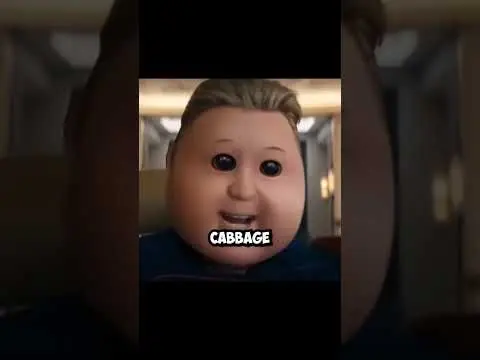
In late November 2026, internet culture witnessed an unexpected collision between late-20th-century nostalgia and hyper-modern augmented reality (AR). The "Cabbage Patch Kid Baby Face Filter"—a specialized digital lens circulating across major short-form video platforms—has rapidly evolved into a viral internet phenomenon. Documented comprehensively by meme researcher Zach Sweat via YouTube, the trend bridges the gap between classic toy history and cutting-edge social media trends.
At its core, the trend leverages proprietary facial recognition and deformation algorithms reminiscent of classic Snapchat and TikTok filters, mapping the distinct, rounded, yarn-haired, and dimpled aesthetic of 1980s Cabbage Patch Kids onto modern internet personalities, streamers, and everyday users. What began as a novelty AR asset has since drawn high-profile engagement from some of the internet’s most recognizable content creators, including high-energy streamers like IShowSpeed and internet culture fixture CaseOh.
This deep-dive investigation explores the origin, trajectory, and cultural impact of the Cabbage Patch Kid filter. We will examine how legacy toys are continuously re-engineered for the digital age, the technical mechanics of the filter, and why modern audiences are so receptive to this specific brand of nostalgic absurdity.
Detailed Chronology
The Legacy of the Patch: From Xavier Roberts to the Digital Era
To understand why a Cabbage Patch Kid filter resonates in late 2026, one must first understand the cultural weight of the original brand. Introduced commercially in the early 1980s by Coleco—though originally handcrafted as "Little People" by artist Xavier Roberts in 1977—Cabbage Patch Kids sparked massive holiday shopping frenzies, retail riots, and an unprecedented cultural obsession. Each doll came with a unique name, a birth certificate, and "adoption papers," cementing them as early pioneers of parasocial consumer attachment.
For decades, the dolls remained a staple of thrift stores, nostalgic retrospectives, and pop-culture punchlines. However, as AR technology matured in the mid-2020s, developers began experimenting with how organic, cloth-and-plastic textures could be simulated onto human geometry.
The Emergence of the AR Adaptation
The specific digital trend surfaced publicly in late November 2026. While AR developers frequently release face-morphing tools, this particular iteration achieved critical mass due to its uncanny precision. Unlike generic "baby face" filters that merely smooth skin and enlarge eyes, the Cabbage Patch Kid filter aggressively restructures the user’s facial proportions:
- Rounding and expanding the jawline to mimic soft vinyl.
- Adding trademark yarn-like textures, oversized ears, and exaggerated, painted-on expressions.
- Retaining real-time tracking, allowing users to speak, scream, and emote with the rigid, plastic-like visage of a vintage 1980s collectible.
The indexation of the trend gained massive momentum on November 25, 2026, when archivists and culture platforms like Know Your Meme cataloged its sudden explosion. Propelled by YouTube uploads and cross-platform sharing on TikTok and Snapchat, the filter shifted from a niche developer test to a mainstream challenge.
Supporting Context & Metrics
Platforms, Reach, and Digital Ecosystems
While early view counts on niche archival uploads (such as the foundational YouTube documentation sitting at modest initial metrics like 227 views) might seem small, they belie the massive cross-platform distribution occurring simultaneously on TikTok, YouTube Shorts, and Instagram Reels.
The primary metrics driving the phenomenon include:
- Algorithmic Velocity: The time it takes for a user to apply the filter and generate a reaction video averages under 15 seconds, making it ideal for high-retention short-form feeds.
- Streamer Amplification: The involvement of powerhouse creators has injected the trend directly into the live-streaming economy. Streamers known for high-octane emotional reactions—such as IShowSpeed and CaseOh—proved to be ideal catalysts. When a creator prone to explosive outbursts uses a filter that turns their face into a permanently smiling, dimpled vinyl doll, the comedic dissonance is immediate.
- Search and Discovery Tags: Metadata tracking across meme repositories highlights a cluster of dominant tags driving the trend:
cabbage patch kid filter,baby face filter,snapchat,tiktok, alongside creator tagscaseohandishowspeed.
Cultural Impact and Creator Reactions
The "Streamer Effect" and Visual Dissonance
The true catalyst for the Cabbage Patch Kid filter’s longevity lies in how it interacts with modern livestream culture. Broadcasters like IShowSpeed built massive audiences on chaotic energy, high-volume shouting, and physical comedy. When subjected to the Cabbage Patch filter, Speed’s trademark intensity—characterized by wide eyes and rapid-fire speech—is hilariously juxtaposed against the serene, vacant, and rosy-cheeked expression of a 1980s adoption-certified doll.
Similarly, creators known for physical comedy and self-deprecating humor, such as CaseOh, utilize the filter to heighten comedic bits during gaming streams or chat interactions. The filter essentially acts as a digital mask, allowing creators to lean into absurdity while maintaining real-time facial tracking.
Why Nostalgia Sells in AR
Psychologically, filters that draw on 1980s and 1990s iconography appeal to a dual demographic:
- Millennial and Gen X Adults: Those who actually played with the original dolls, experiencing a brief, surreal trip down memory lane.
- Gen Z and Gen Alpha Audiences: Younger digital natives who view the aesthetic through a lens of ironic detachment, surrealism, and hyper-modern meme culture.
The filter succeeds because it weaponizes the "uncanny valley." The combination of high-definition human vocal cords and micro-expressions paired with a stiff, mass-produced toy face creates a comedic horror-comedy effect that algorithms heavily reward.
Future Outlook
As augmented reality tools become increasingly sophisticated, the barrier to creating hyper-specific, nostalgia-driven media assets continues to drop. The trajectory of the Cabbage Patch Kid filter points toward several broader trends in digital culture:
- IP Licensing and AR Integration: Copyright holders of classic 1980s and 1990s toys are increasingly recognizing that viral AR filters serve as free, organic marketing tools. Rather than issuing immediate takedowns for unauthorized fan-made or platform-native filters, brands are likely to lean into official, high-definition AR partnerships.
- The Evolution of the "Baby Face" Subgenre: Standard baby filters have saturated the market for years. The pivot toward hyper-specific, recognizable toy aesthetics (such as Cabbage Patch Kids, Troll Dolls, or Beanie Babies) indicates that users are craving more granular, culturally rich digital costumes.
- Long-Term Archivability: As documented by internet historians on platforms like Know Your Meme, these micro-trends form an essential tapestry of 2020s digital folklore. While the initial wave may fade as newer filters emerge, the Cabbage Patch Kid filter will remain a textbook example of how dead media is successfully resurrected through participatory web culture.
Ultimately, the trend proves that no piece of pop culture history is ever truly safe from the algorithmic blender. Whether viewed as harmless fun, surreal performance art, or a clever nod to childhood memories, the Cabbage Patch Kid filter has secured its place in the 2026 meme canon.