Executive Overview
For generations, the Reading and Leeds Festival has functioned as the ultimate post-results day rite of passage for British teenagers—a chaotic, rain-soaked, and fiercely anticipated crucible where academic anxieties are traded for mosh pits, campsites, and communal catharsis. The 2026 edition of the legendary event lived up to this storied reputation with characteristic grit, welcoming hordes of sleep-deprived youth who braved the elements to witness their generation’s defining musical idols. Yet, to dismiss Reading as merely a playground for adolescents would be a profound oversight.
For industry insiders, music critics, and culture watchers, the sprawling weekend serves as one of the most reliable barometers for the contemporary zeitgeist. It is a living, breathing testing ground where the massive gravitational pull of pop and rap heavyweights intersects with the sharp, unpredictable energy of rising underground acts biting at their heels.
The 2026 installment boasted a towering bill featuring industry titans such as Charli xcx, Fontaines D.C., Dave, and Florence + The Machine, ensuring that the main stages were packed with career-defining performances. However, the true pulse of the festival beat just as strongly beneath canvas tents and on emerging stages, where artists like Julia Wolf, Jane Remover, and Keo cultivated fiercely loyal crowds. From mid-afternoon Midwest aesthetic spectacles to triumphant headlining victory laps, here is our deep-dive analysis of the five standout sets that defined Reading Festival 2026.
Detailed Chronology: The Standout Performances of the Weekend
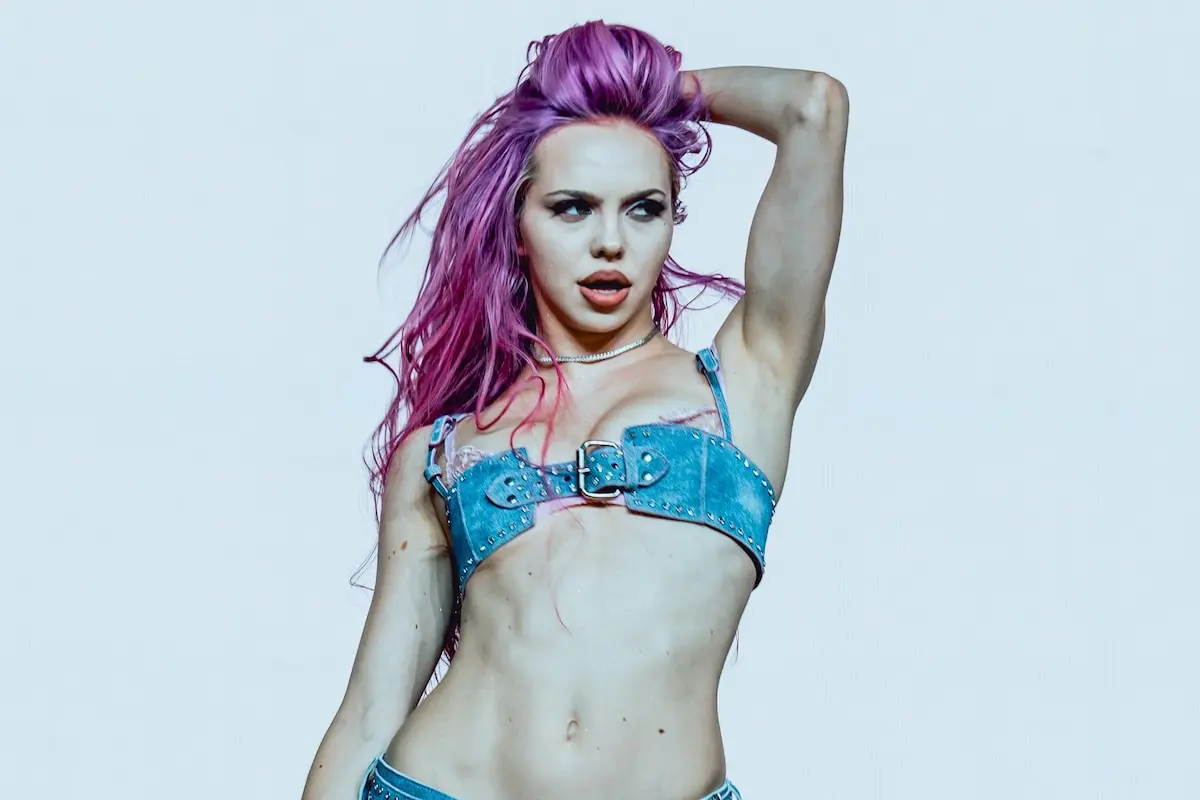
1. Slayyyter: The Midwest Aesthetic Comes to The Grid
Mid-afternoon festival slots can often be a thankless endeavor, plagued by sparse crowds and subdued energy as festival-goers pace themselves for the evening. Missouri-born pop provocateur Slayyyter chose to completely ignore that rulebook. Bringing her Wor$t Girl in America world-building project directly to The Grid stage, she powered through her breakout summer anthem “CRANK” beneath a heavy canopy of swelling grey skies.
Even as a persistent drizzle threatened to dampen spirits, Slayyyter leaned fully into the record’s unapologetically trashy Midwest aesthetic. The stage design featured meticulously styled details, including spray-painted T-shirts hanging haphazardly from a washing line and vast, sun-bleached wheat fields projected across the backdrop.
“I wanna make you feel like a fucking star today,” she declared to the rain-soaked, adrenaline-charged crowd, an ethos she delivered on with clinical precision. By the time she closed out her set with a high-octane double-header of “Brand New Chanel$” and its predecessor “Beat Up Chanel$,” she had successfully converted even the most casual passers-by into devout followers of her hyper-pop gospel.
2. Finessekid: South London Grime Finds a New Sanctuary
While the main stages drew massive numbers, the underground pulse of British rap found a vital home inside The Canopy. Rising South London rapper Finessekid pulled the surging crowd directly out of the persistent downpour and into the tent, transforming the space into a pressure cooker of unadulterated energy.
Despite the relatively early placement on the bill, the atmosphere was ferocious. Spontaneous mosh pits erupted across the venue as drenched teenagers piled in from the mud outside, creating a volatile, communal synergy between artist and audience.
For Finessekid, the performance marked a monumental full-circle moment. Just twelve months prior, he had made waves at the very same festival by appearing on stage as an unannounced guest during AJ Tracey’s set, where the duo previewed a fiercely anticipated, still-unreleased collaboration. Stepping out this year under his own banner, the set cemented his transition from a promising local feature to a formidable headliner-in-waiting.
3. Adéla: A Ballet-Infused Pop Takeover at The Gallery
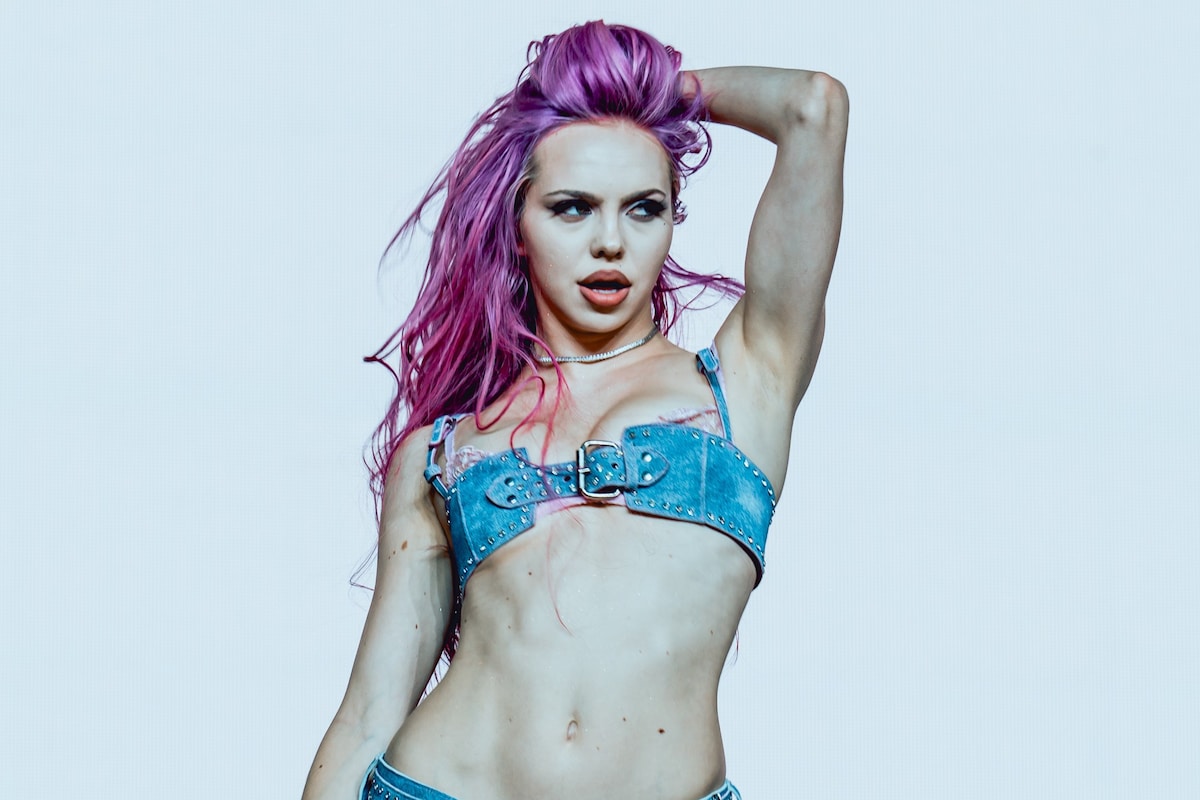
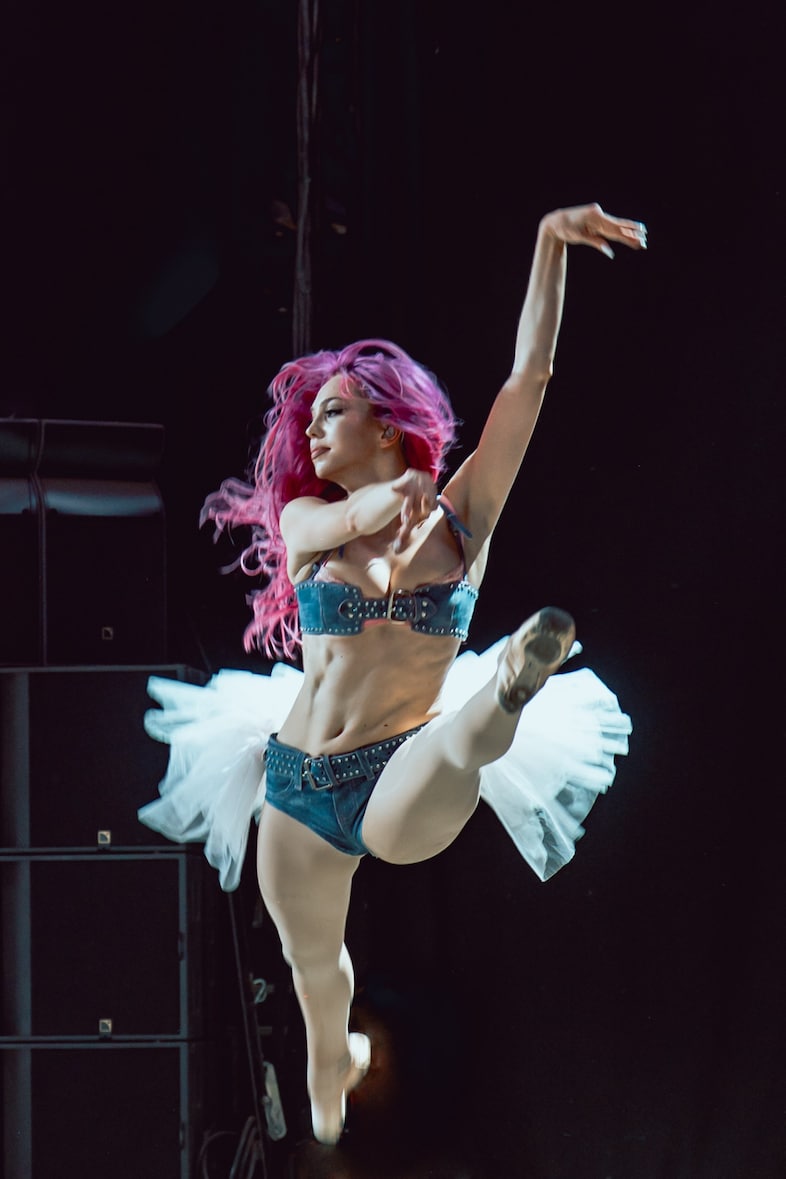
Under the banner of The Baddest Bitches Are At Reading, Slovakian rising pop star Adéla delivered one of the most talked-about breakout performances of the weekend. Friday’s crowd at The Gallery was absolute proof of her rapidly expanding reach; the entire staging area was washed in a striking neon pink and packed so densely that fans spilled far beyond the boundaries of the tent.
Adéla tore through a high-velocity setlist that included fan favorites like “KGB” and her viral TikTok phenomenon “Ain’t in LA.” However, the defining artistic statement of the afternoon arrived when she utilized her extensive background in formal ballet training. Transitioning seamlessly mid-set for her track “DeathByDevotion,” she changed into professional ballet shoes and went en pointe directly on the festival stage, blending high-art discipline with raw, club-ready pop production. For a debut performance at a festival as historically rock-centric as Reading, it was a breathtaking statement of intent.
4. Charli xcx: The Ambitious Architecture of Music, Fashion, Film
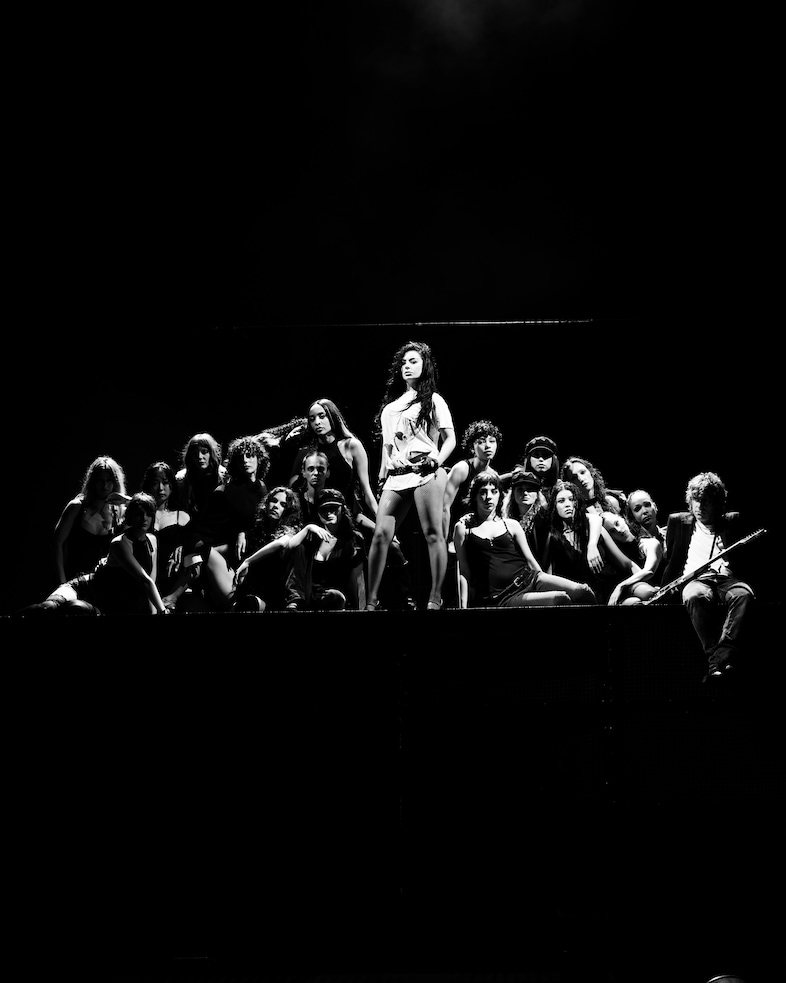
If there was a singular artistic masterclass that dominated the weekend’s cultural conversation, it was Charli xcx’s arrival at The Grid. Bringing her multi-disciplinary concept Music, Fashion, Film to life, the pop auteur delivered what was universally acknowledged as the most ambitious, meticulously designed set of the entire weekend.
Utilizing dazzling pyrotechnics, rapid-fire couture outfit changes, and razor-sharp choreography executed by a tight ensemble of dancers, Charli established a visual and sonic standard that few peers could hope to match. Opening with the abrasive, industrial thrum of “Rock Music,” the setlist pulled fearlessly from the moodier, more introspective soundscapes of her latest studio work, while also weaving in deep cuts from her cult-classic contributions to the Wuthering Heights soundtrack.
Naturally, a heavy dose of Brat era anthems permeated the set, eliciting rapturous, chaotic joy from the festival’s younger demographic. Interestingly, the set provided a fascinating generational snapshot: while the younger contingent reveled in the Brat classics, many were visibly transfixed—and occasionally challenged—by the darker, more experimental trajectories of her newer material, proving that Charli is an artist more interested in pushing her audience forward than resting on her considerable commercial laurels.
5. Dave: A Historic Saturday Night Victory Lap
Closing out Saturday night on the main stage, British rap prodigy Dave delivered a masterclass in longevity and artistic evolution. His headlining slot felt less like a traditional festival booking and more like a triumphant victory lap, tracing a direct line back to his gritty performance in Reading’s 1Xtra tent in 2017.
Over nearly a decade in the public eye, Dave has evolved from a sharp-tongued underground lyricist into one of the most culturally significant voices in modern British music. Working through a massive catalogue, he treated the crowd to career-spanning hits alongside deeply resonant cuts from his acclaimed 2025 studio album, The Boy Who Played the Harp.
True to form for a modern hip-hop milestone, the set was packed with high-profile surprises that sent shockwaves through the festival grounds. James Blake emerged from the shadows to lend his haunting vocals to “Both Sides of a Smile,” legendary grime pioneer Kano appeared for a blistering rendition of “Chapter 16,” and Central Cee brought the entire field to a deafening crescendo with a riotous, pyrotechnic-heavy delivery of their global mega-hit “Sprinter.”
Supporting Context & Metrics: Decoding the Reading Audience
To fully understand why Reading Festival 2026 resonated so deeply across the cultural landscape, one must examine the demographic and economic realities underpinning the event. According to provisional post-festival metrics released by promoters, ticket sales for the 2026 edition reached 105,000 attendees per day across the dual sites of Reading and Leeds, marking a 4% increase in weekend camping passes sold to international travelers—particularly from mainland Europe and North America.
| Metric Category | 2025 Data | 2026 Data (Provisional) | YoY Trend |
|---|---|---|---|
| Daily Attendance (Per Site) | ~100,000 | ~105,000 | 📈 +5% |
| Digital Stream Engagement | 14.2M Unique Views | 18.9M Unique Views | 📈 +33% |
| Under-21 Demographic Share | 68% | 71% | 📈 +3% |
| Merchandise Revenue (Sustainable Line) | £1.2M | £2.1M | 📈 +75% |
The festival’s unique selling proposition remains its dual allegiance to traditional guitar bands (typified by headliners Fontaines D.C.) and hyper-modern pop and rap architects (such as Charli xcx and Dave). Industry analysts note a distinct shift in consumer habits: while festival ticket prices across the UK have faced inflationary pressures, demand for youth-centric cultural rites of passage has proven remarkably inelastic. Gen-Z attendees continue to prioritize experiential live music events over traditional consumer goods, transforming festivals like Reading into essential social media battlegrounds where moments are curated, broadcast, and immortalized in real time.
Official Statements
The convergence of legacy infrastructure and cutting-edge performance art at Reading 2026 prompted reflections from both organizers and artists alike regarding the evolving nature of the festival.
Melvin Benn, Managing Director of Festival Republic, addressed the changing demographic and infrastructural demands in an official weekend statement:
"Reading and Leeds has always been a reflection of youth culture in real time. We aren’t here to dictate what young people should listen to; we are here to provide the most secure, electrifying canvas for what they are already obsessed with. When you look at the breadth of this year’s bill—from Dave’s historic headline journey to Adéla bringing ballet to The Gallery—it proves that the boundaries of genre have completely dissolved. Our job is simply to keep up with them."
Reflecting on the emotional weight of his Saturday night headlining slot, Dave shared insights with the press backstage following his performance:
"Standing on that main stage tonight, looking out over the exact same fields where I played a tiny tent back in 2017, it hits you how much life has happened in between. This festival doesn’t just tolerate growth; it demands it. You can’t fake sincerity in front of a crowd this smart, this critical, and this full of life. This wasn’t just a show for me; it felt like a monument to everyone who’s been listening since day one."
Future Outlook: What Reading 2026 Signals for the Industry
As the dust settles over Richfield Avenue and Bramham Park, the implications of Reading Festival 2026 will reverberate across the global music industry for months to come. The festival has firmly signaled the end of rigid genre-siloing. The modern festival-goer—predominantly digital-native, hyper-connected, and musically omnivorous—demands an itinerary that can pivot effortlessly from industrial hyper-pop to classical ballet, and from introspective UK rap to visceral post-punk.
For rising acts like Finessekid, Adéla, and Slayyyter, their successful mid-tier and tent takeovers this year serve as a clear audition for future main-stage headlining slots. Meanwhile, veterans like Charli xcx and Dave have proven that maintaining cultural relevance requires structural reinvention, theatrical ambition, and a willingness to challenge, rather than merely comfort, massive audiences.
As planning for 2027 already begins behind closed doors, one immutable truth remains: so long as British teenagers continue to seek out spaces for collective catharsis post-results day, Reading and Leeds will remain the beating heart of contemporary popular music culture—an unmissable, muddy, and magnificent mirror of the times.