Executive Overview
The secondary market for high-end, professionally graded Pokémon Trading Card Game (TCG) cards continues to redefine the boundaries of alternative asset valuation, frequently shattering records with each passing week. While mainstream staples from the classic Base Set or the iconic Neo era routinely command six-figure sums, rare promotional releases possess a distinct mystique.
Occasionally, a grouping of vintage cards emerges that transcends standard market appreciation, driven by a rare convergence of historical significance, acute scarcity, and striking aesthetic design. The English Southern Islands promotional set, originally released in 2001 by Wizards of the Coast, represents the pinnacle of this intersection.
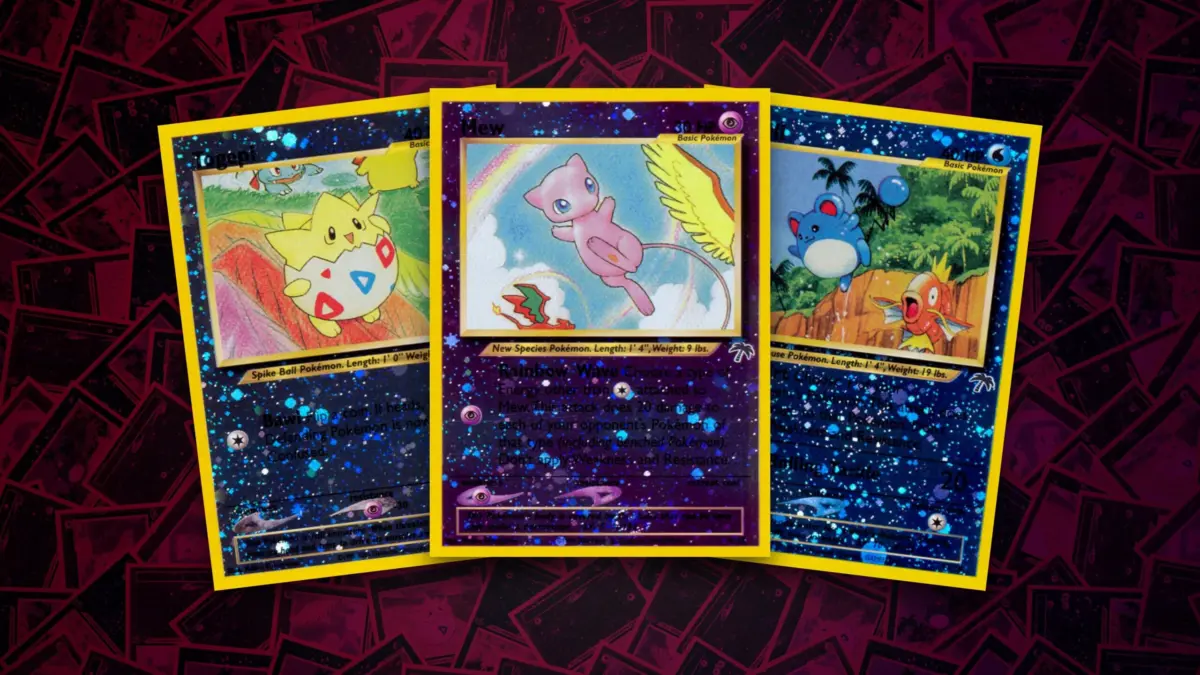
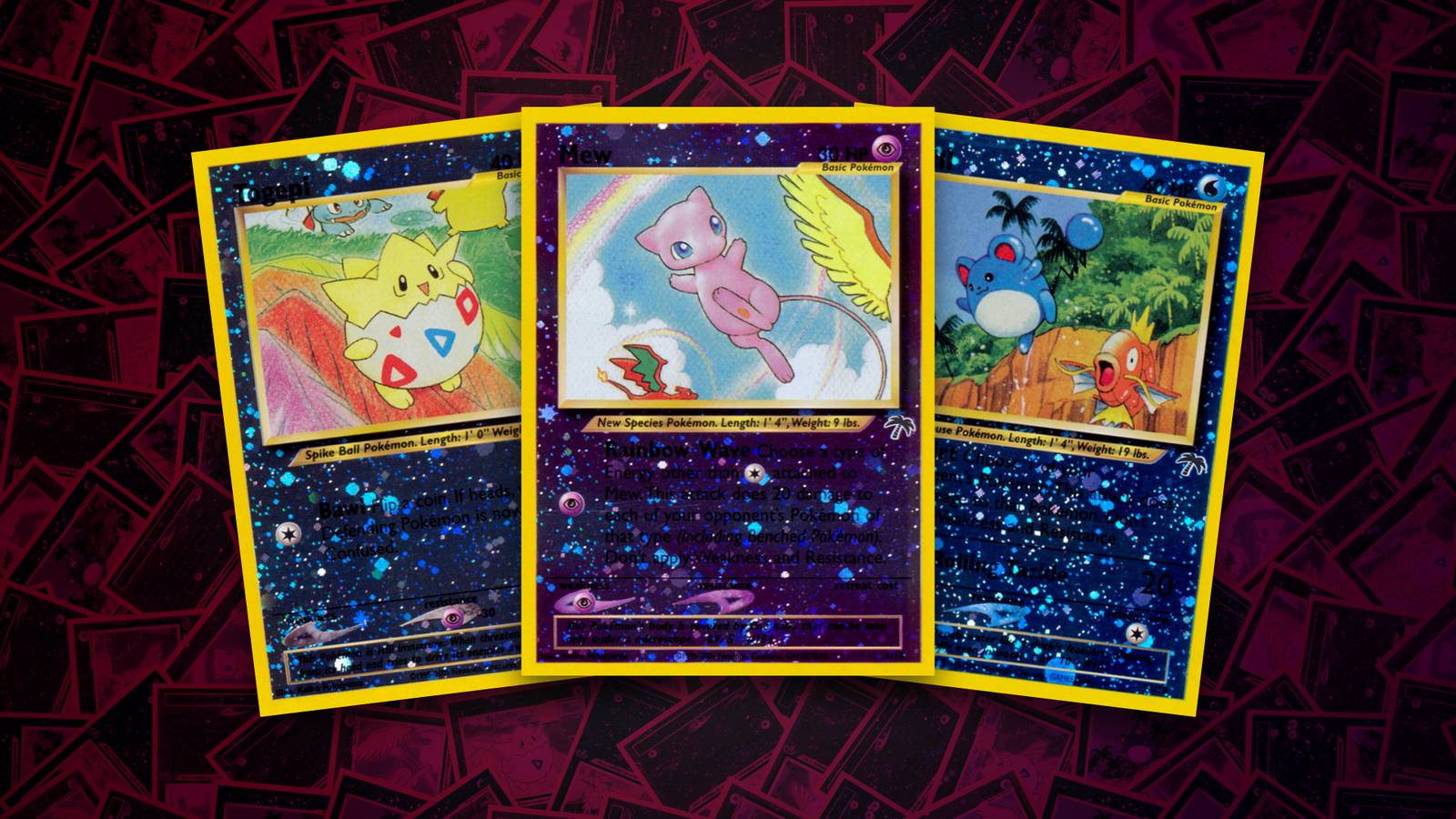
In a recent dominant showing at auction via Fanatics Collect, three pristine PSA 10 Gem Mint graded cards from this elusive collection—featuring Mew, Togepi, and Marill—pulled in a staggering combined total approaching $1.2 million. Spearheaded by an eye-watering $840,000 sale for the Holo Mew #1, this milestone auction underscores the ravenous demand for top-tier vintage Pokémon collectibles.
This deep dive examines the historical roots of the Southern Islands release, analyzes the three standout auction results, explores the unique artistic contributions of legendary illustrators Naoyo Kimura and Keiko Fukuyama, and evaluates what this monumental sale indicates for the future trajectory of the vintage Pokémon TCG market.
Detailed Chronology: From Japanese Silver Screen Tie-In to Western Collector’s Grail
To truly understand why three seemingly niche promotional cards from 2001 can command a collective fortune, one must retrace the unique release history of the Southern Islands collection.
1999: The Japanese Debut
The genesis of Southern Islands dates back to July 1999 in Japan, where the set debuted alongside the theatrical release of Pokémon the Movie 2000: The Power of One (specifically featuring the theatrical short Pikachu’s Rescue Adventure). Distributed as special promotional portfolios, the collection was divided into two distinct, themed binders: Tropical Island and Rainbow Island.
In total, the Japanese release comprised 18 distinct cards. Rather than being distributed via traditional randomized booster packs, these cards were intentionally grouped into smaller, three-card packages. Each mini-set focused on a specific micro-environment within one of the two fictional islands. When arranged side-by-side, the individual card artworks seamlessly interlock to form a larger, cohesive panoramic scene.
2001: The Wizards of the Coast Western Release
By 2001, Wizards of the Coast (WotC)—which held the license to publish the English-language Pokémon TCG at the time—brought the Southern Islands collection to Western markets.
Unlike the Japanese release, which saw the cards split across multiple purchasing options, the English version packaged all 18 cards together in a lavishly decorated cardboard folder. This collector’s folio also included thematic postcards and three booster packs from current expansions. Crucially, WotC preserved the gorgeous, distinct island art style and introduced a specialized foil treatment that would become a hallmark of the set.
Unlike standard holographic cards of the era—where the shimmering foil effect was strictly confined within the artwork frame—the Southern Islands holos utilized a mesmerizing "Reverse Cosmos Holo" pattern. Shimmering swirls, stars, and sparkling geometric clusters dotted the entire face of the card, imbuing the already whimsical illustrations with a profound sense of depth and visual luxury.
The Million-Dollar Trio: Breaking Down the Record-Shattering Sales
The recent Fanatics Collect auction highlighted the staggering ceiling for flawless, population-scarce examples of these vintage promos. Below is an exhaustive look at the three crown jewels that nearly hit the $1.2 million mark collectively.
1. PSA 10 Southern Islands Holo Mew #1 — $840,000
- Illustrator: Naoyo Kimura
- PSA 10 Population: 20 copies worldwide
- Auction Result: $840,000
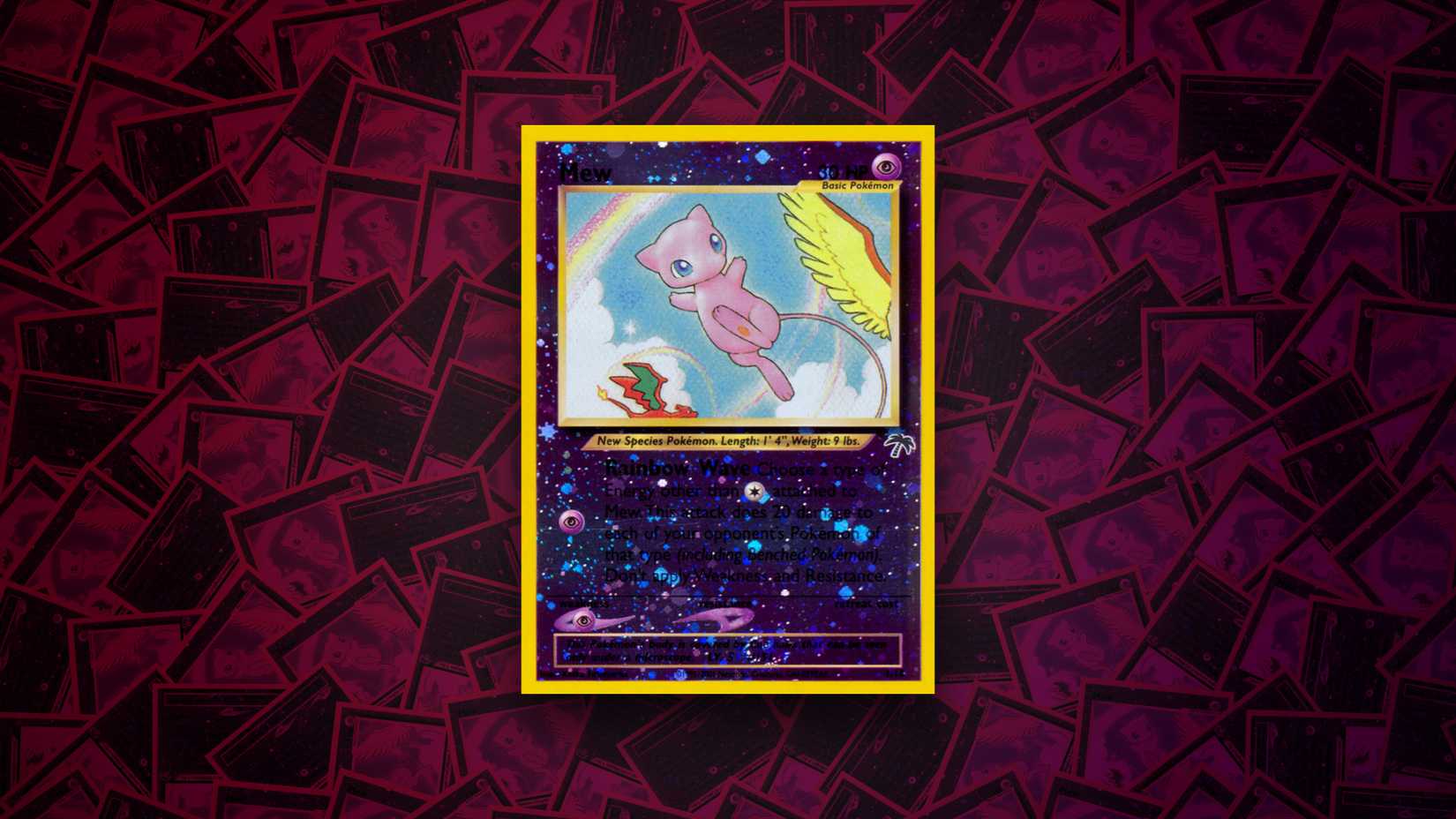
Anchoring the entire auction block, the Southern Islands Holo Mew #1 achieved a phenomenal $840,000 valuation in a PSA 10 Gem Mint slab. This astronomical figure cements Mew’s status not only as the undisputed centerpiece of the Southern Islands collection, but as one of the most sought-after non-Base Set promotional cards in the history of the hobby.

The artwork, masterfully rendered by veteran illustrator Naoyo Kimura, depicts Mew playing amongst a vibrant tropical backdrop. Astute fans often point out a delightful Easter egg tucked away in the bottom-left corner of the card’s illustration frame: a faint, playful depiction of Charizard watching over the scene.
With only 20 known copies holding a PSA 10 grade globally, the supply constraints are brutally severe. In an era where high-net-worth collectors aggressively chase ultra-scarce vintage grails, an iconic Mythical Pokémon rendered in pristine condition with a population count in the double digits is bound to enter stratospheric price territories.
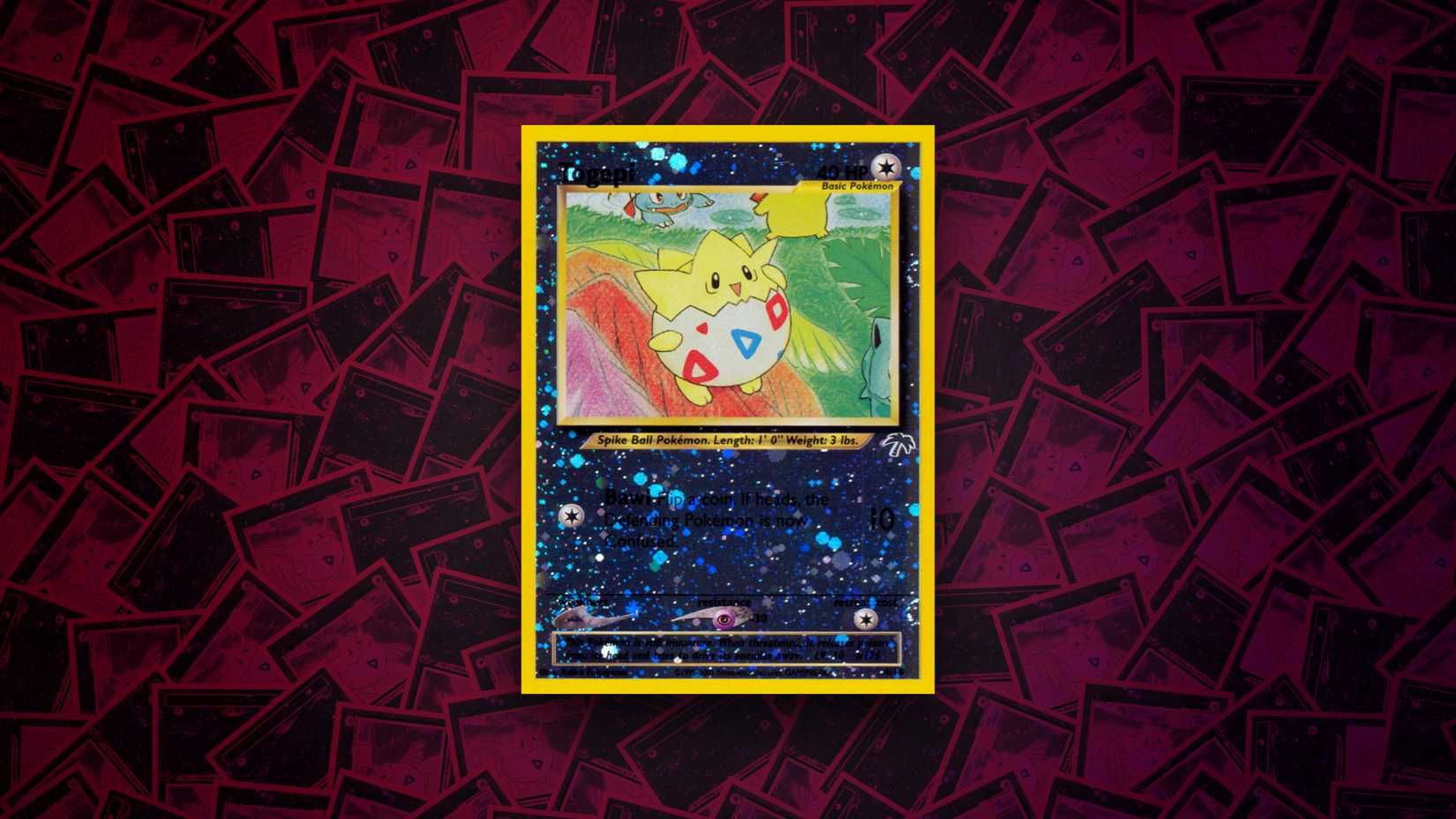
2. PSA 10 Southern Islands Holo Togepi #4 — $168,000
- Illustrator: Keiko Fukuyama
- Auction Result: $168,000
While trailing the astronomical peak of the Mew, the Holo Togepi #4 commanded an immensely respectable $168,000. Illustrated by the late or lesser-frequently credited Keiko Fukuyama—whose total catalog of Pokémon TCG card illustrations spans a remarkably exclusive 20 pieces—this card showcases a deeply saturated, charmingly stylized aesthetic.
Fukuyama’s signature artistic touch often leaned into rounded, soft-featured interpretations of Pokémon, giving characters like Togepi an endearing, storybook quality. Her work during the subsequent e-Reader era (contributing to beloved expansions such as Expedition, Aquapolis, and Skyridge) remains heavily coveted by purists. Securing a flawless Gem Mint 10 copy of this charming Baby Pokémon for $168,000 demonstrates that collector appetite extends far beyond the heavy-hitting combatants like Charizard and Pikachu.
3. PSA 10 Southern Islands Holo Marill #11 — $168,000
- Illustrator: Naoyo Kimura
- Auction Result: $168,000
Rounding out the trio at an identical $168,000 is the Holo Marill #11. Before the global audience officially learned the name of Generation 2’s aquatic mouse Pokémon following the release of Pokémon Gold and Silver, Marill was famously—and unofficially—dubbed "Pikablu" by ravenous fans parsing blurry magazine scans and movie trailers. This urban legend remains a foundational piece of Pokémon community folklore.
Featuring the signature Reverse Cosmos Holo foiling, this Marill card is illustrated by Naoyo Kimura. Notably, Kimura’s immense market pull was on double display during this auction cycle; their iconic artwork for the Aquapolis Lugia also surged to a massive $360,000 result in the exact same event. The Marill slab bridges nostalgic pre-release history with premier artistic pedigree, easily justifying its six-figure realization.
Supporting Context & Metrics: The Anatomy of a Vintage Boom
The performance of the Southern Islands set at auction does not occur in a vacuum. It is part of a broader macroeconomic and cultural maturation within the collectible card game sector.
-
The Scarcity Multiplier in Vintage Grading:
As the grading population reports for early-2000s sets mature, collectors have realized that many promotional sets were opened by children, played with casually, or stored improperly in non-archival conditions. Consequently, finding cards from the 2001 Southern Islands collection in pristine PSA 10 condition is exceptionally difficult. The survival rate of Gem Mint copies is a tiny fraction of the total print run. -
The Shift Toward Artistic Merit:
Historically, card valuations were dictated almost entirely by competitive playability or sheer combat popularity (e.g., Charizard, Pikachu, Mewtwo). However, modern high-end collecting has evolved into an art-driven market. Sets like Southern Islands, which emphasize cohesive world-building, panoramic storytelling, and distinct artistic styles by masters like Kimura and Fukuyama, are increasingly viewed as fine art portfolios rather than mere game pieces. -
Macro Market Stability:
The secondary market has evolved past the speculative hyper-inflation seen during the pandemic era. Today, multi-million dollar liquidity is concentrated in museum-grade, culturally significant assets. When institutional-grade collectors and high-net-worth enthusiasts allocate capital, they look for undeniable scarcity paired with ironclad historical provenance—criteria that the Southern Islands promo cards satisfy effortlessly.
Industry Perspectives and Expert Commentary
While official statements from The Pokémon Company International regarding secondary market valuations remain characteristically reserved—as the company strictly discourages speculative trading of its products—industry analysts and auction house executives have been vocal about the implications of these sales.
Market analysts note that the staggering prices realized by non-traditional sets like Southern Islands point to a broadening collector base. Rather than chasing modern pull-rate gambles, mature collectors are actively curating historical anchor pieces.
Furthermore, high-end auction houses have reported a steady influx of institutional capital entering the alternative asset space. Rare Pokémon cards are increasingly being treated on par with vintage comic books, sports memorabilia, and fine art. The ability of three cards from a 25-year-old promotional release to pull nearly $1.2 million signals that the ceiling for premier Pokémon assets has yet to be reached.
Future Outlook: Where Does the Market Go From Here?
As the Pokémon Trading Card Game approaches milestone anniversaries and continues to expand its global footprint, the historical appreciation of vintage sets appears poised for sustained growth.
- Supply Compression: Because graded populations for iconic promotional cards like the Southern Islands Holo Mew #1 are strictly capped by the realities of print runs and condition degradation, new supply cannot be manufactured. As wealth continues to concentrate around top-tier assets, competition for the remaining Gem Mint 10 copies will likely intensify.
- Museum and Institutional Interest: As the hobby ages past its third decade, we are beginning to see rare card exhibitions enter public and private fine-art spaces. Sets characterized by interconnected, story-driven artwork like Southern Islands are natural candidates for public display.
- The Ripple Effect: Record-shattering sales for sleeper hits like the Togepi and Marill promos inevitably drag up the baseline values of lesser-graded copies (PSA 9 and PSA 8) as well as raw, binder-kept specimens. Collectors priced out of the Gem Mint market are aggressively buying up lower tiers, driving holistic appreciation across the entire set.
Conclusion
Paradise truly does not come cheap. What began in 2001 as a quaint, beautifully illustrated promotional folder issued by Wizards of the Coast has evolved into a multi-million-dollar collector’s Holy Grail. The $1.2 million collective haul for Mew, Togepi, and Marill serves as a definitive statement: the Southern Islands collection is no longer a hidden historical footnote, but a towering monument to the enduring magic, artistry, and economic power of the Pokémon TCG.