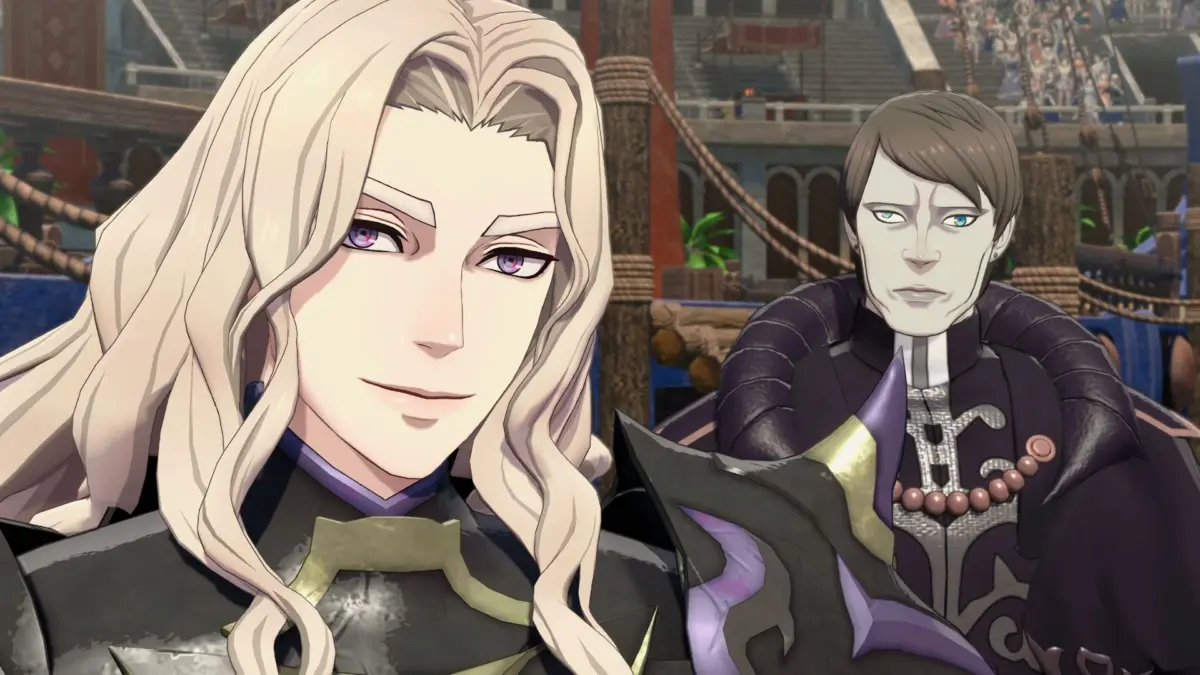
Weeks after its blockbuster release on the Nintendo Switch 2, Intelligent Systems and Nintendo’s Fire Emblem: Fortune’s Weave continues to captivate strategy role-playing game (sRPG) enthusiasts worldwide. Exploring the sprawling territories of Dagda, mastering intricate squad dynamics, and navigating complex political narratives have consumed hundreds of hours of playtime for both veteran tacticians and newcomers alike. However, as players reach the credits of the Flame Lords’ sweeping campaigns and eagerly await news of upcoming downloadable content (DLC) from Intelligent Systems, a pressing question emerges: What comes next?
For fans seeking to keep their tactical faculties sharp, the contemporary sRPG landscape offers a wealth of exceptional titles that capture different facets of what makes Fortune’s Weave so compelling. Whether you yearn for the granular job-system customization of classic tactical gems, the high-stakes tactical decision-making of permadeath-driven indie hits, or sweeping fantasy overworlds ripe for liberation, a curated selection of strategic masterpieces awaits. This report examines five standout titles—ranging from modern masterpieces to beloved retro revivals—that serve as the ideal palette cleansers and strategic successors for anyone looking to fill the void left by Fortune’s Weave.
Detailed Chronology & Genre Evolution
To understand why players are searching for adjacent experiences, it is vital to trace the lineage that Fortune’s Weave occupies within the broader tactical RPG ecosystem. The genre has evolved dramatically over the past three decades, shifting from rigid, grid-based chess matches into dynamic, narrative-driven epics that blend tactical combat with social simulation and resource management.
The Genesis of Modern Tactical Combat (1990s)
In the early 1990s, titles like Sega’s Shining Force series and early Fire Emblem entries on the Famicom and Super Famicom established the foundational pillars of the genre. These games prioritized linear campaign maps, distinct character rosters, and definitive unit progression. Shortly thereafter, square-grid masterpieces like Final Fantasy Tactics introduced height mechanics, complex terrain elevation, and granular job-switching systems, fundamentally expanding the strategic depth available to players.
The Renaissance of the 2010s and 2020s
Following a quiet period where traditional tactical RPGs were largely relegated to handheld consoles, the genre experienced a massive resurgence. Nintendo’s Fire Emblem: Awakening famously saved the franchise from cancellation by introducing deep social bonding mechanics and approachable difficulty options, a philosophy that evolved through Fire Emblem: Three Houses and culminated in the battle-focused design of Fire Emblem Engage and now Fortune’s Weave. Simultaneously, indie developers and boutique studios like Vanillaware and Chucklefish began injecting fresh artistic directions and experimental mechanics into the formula, giving rise to modern classics like Wargroove and Unicorn Overlord.
Supporting Context & Metrics: Top 5 Strategy RPGs to Play Next
1. Final Fantasy Tactics: The Ivalice Chronicles (2025 Remake)
Core Appeal: Intricate terrain management, profound job-switching systems, and mature political narratives.
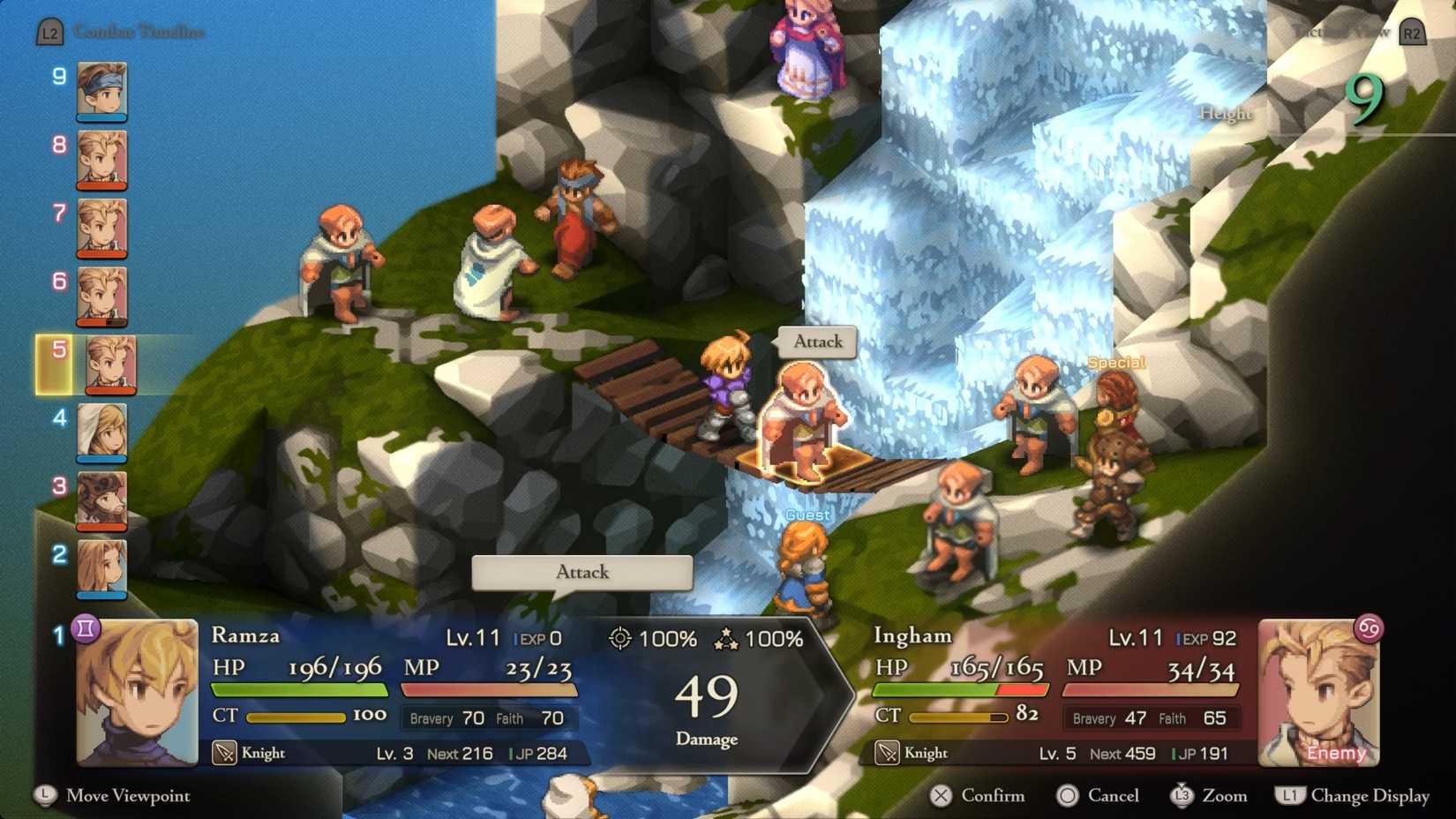
If navigating tricky terrain and frequently swapping character classes in Fortune’s Weave brought you joy, the 2025 remake of Final Fantasy Tactics—dubbed The Ivalice Chronicles—serves as an essential next step. While tuned to be slightly more accessible than the notoriously unforgiving 1998 PlayStation original, this definitive version still demands deep engagement with its iconic job system. Players must carefully construct hybrid team compositions required to overcome specific, highly tactical battlefields.
The game fully embraces grinding through optional skirmishes to unlock advanced tiers of magic and melee combat, cultivating a deeply satisfying sense of mastery. Beyond the mechanics, Final Fantasy Tactics delivers a surprisingly grim, poignant story exploring the exploitation of common folk by a callous nobility, offering a narrative weight that rewards multiple playthroughs.
2. Fire Emblem Engage (2023)
Core Appeal: Pure tactical map design, unbounded character customization, and mechanical synergy.
While 2023’s Fire Emblem Engage may not have captured the sweeping cultural phenomenon status of Three Houses due to its comparatively lighthearted and straightforward story, its tactical foundation remains among the strongest in modern franchise history. The core gimmick—Emblem Rings—allows players to imbue any squad member with the legacy, stats, and special abilities of classic past Fire Emblem heroes.
This system breaks open traditional class boundaries, enabling wildly creative synergies and limitless character builds. As bonds deepen between units and their assigned Emblems, characters can permanently inherit specialized skills. While Engage features social-simulation elements and overworld exploration hubs akin to Fortune’s Weave, the streamlined nature of these distractions allows players to focus almost entirely on the immaculate, puzzle-like map design and thrilling combat encounters.
3. Wargroove (2019)
Core Appeal: Pure tactical purity, uncompromising difficulty, and distinctive commander abilities.
For the purist Fire Emblem fan who views classic permadeath as the only true way to experience tactical warfare, Chucklefish’s 2019 indie masterwork Wargroove provides an exhilarating challenge. Featuring over 12 unique Commanders, the game centers around "Grooves"—powerful ultimate abilities that charge during combat to turn the tide of battle through healing magic, defensive fortifications, or offensive sweeps.
A standout among the cast is Caesar, a majestic golden retriever outfitted in stately silver armor and red-plumed headwear. In one memorable campaign arc, Caesar and his loyal troops stumble upon an abandoned stronghold overrun by rogue factions, teaching opportunistic bandits a harsh lesson about underestimating a canine general. Wargroove strips away extraneous social padding to focus purely on tight, chess-like tactical warfare where every positioning error carries severe consequences.
4. Shining Force II (Sega Genesis / Nintendo Switch Online)
Core Appeal: Pure retro nostalgia, unconventional character rosters, and zero calendar management.
Sega’s historical counterweight to Nintendo’s dominance in the tactical space produced enduring gems, none more beloved than 1990s Shining Force II. Eschewing the complex calendar management, academic social sim mechanics, and dense narrative branches found in Fortune’s Weave, Shining Force II leans entirely into linear, adventurous tactical progression.
The narrative is classic retro fantasy fare—an ancient seal breaks, unleashing an ancient evil upon the land—but the title shines through its eccentric cast of playable units. Alongside standard knights and mages, players recruit a werewolf, a towering phoenix, and even a flying ice-slinging jellyfish. For players feeling fatigued by modern overworld bloat and endless dialogue trees, Shining Force II offers pure, unadulterated grid-based combat punctuated by charming retro town exploration.
Vanillaware’s 2024 tactical RPG masterpiece, Unicorn Overlord, shares a profound design philosophy with Fortune’s Weave regarding gradual map liberation and resource gathering. Tasking players with raising a rebellion against a sweeping imperial conquest, the game features over 60 recruitable characters spanning a diverse array of distinct fantasy classes.
Instead of traditional single-unit movement, Unicorn Overlord introduces a brilliant squad-building mechanic where up to five characters form cohesive tactical units. Combat resolves semi-automatically based on complex conditional logic programmed by the player, allowing for deep optimization of skill triggers, attack orders, and passive defenses. Coupled with Vanillaware’s signature painterly art style and lush, high-definition environments, it stands as a visual and strategic triumph.
Official Statements & Industry Perspectives
Industry analysts and developers alike have noted the enduring resilience of the tactical RPG genre, particularly on hybrid and next-generation hardware like the Nintendo Switch 2.
In a recent roundtable discussion regarding the development trajectory of modern strategy games, lead producers at Intelligent Systems emphasized that player engagement with complex mechanics continues to outpace expectations:
"When designing large-scale tactical campaigns, our primary goal is to foster an intimate bond between the player and their units. Whether through permadeath, deep job customization, or tactical overworld liberation, the genre thrives because it forces players to care deeply about every single move on the board. Seeing how communities embrace titles like Fortune’s Weave reassures us that strategic depth and heartfelt storytelling remain vital to gamers today."
Furthermore, independent developers like Chucklefish have highlighted how classic design principles continue to inspire contemporary innovation: "The timeless appeal of grid-based movement and resource attrition lies in its absolute clarity. There is nowhere to hide your mistakes; every victory is earned through careful planning and tactical foresight."
Future Outlook
As the dust settles on the initial launch window of Fortune’s Weave, the future of the tactical RPG genre looks brighter than ever. Intelligent Systems has hinted at substantial post-launch support and future expansions for their flagship franchise, ensuring that Dagda’s tales will continue to expand in the coming months.
In the interim, players eager to test their mettle have an embarrassment of riches to explore. Whether diving into the rigorous job systems of Final Fantasy Tactics, organizing automated unit synergies in Unicorn Overlord, or appreciating the retro simplicity of Shining Force II, the sRPG ecosystem guarantees that strategic thinkers will never run out of frontiers to conquer.