Executive Overview
In the fast-paced, cyclical ecosystem of internet culture, virality often defies traditional logic. Memes frequently emerge from obscure video clips, bizarre mispronunciations, or fleeting social media slip-ups. However, the autumn of 2026 bore witness to a uniquely nostalgic and self-deprecating digital trend rooted in pop culture history: the "Zayn Malik Sleeping" meme, also recognized by its ubiquitous caption, "Why am I lowkey giving Zayn Malik sleeping photo?"
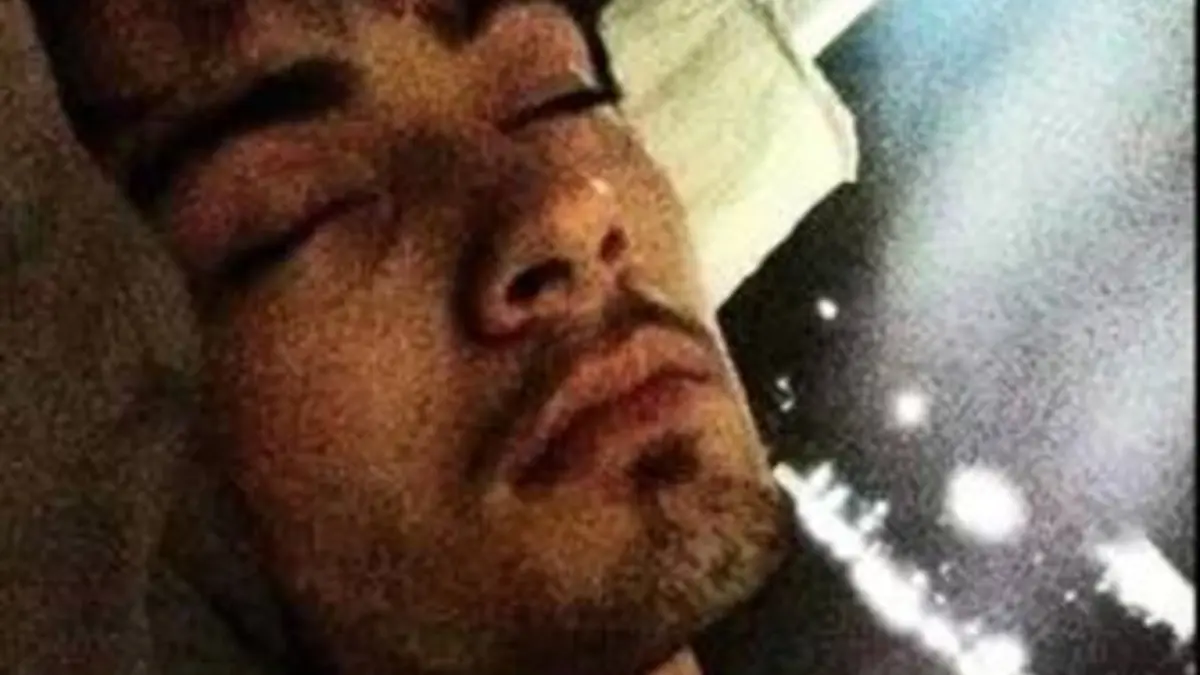
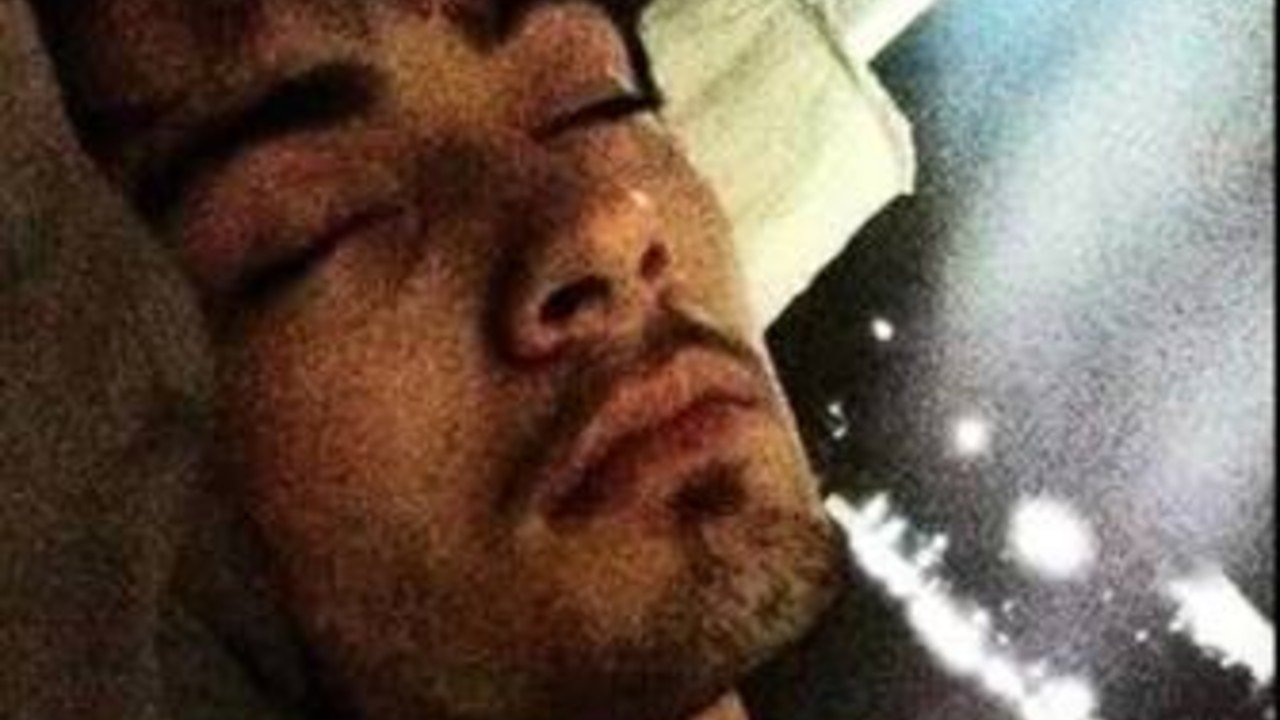
Centered around a vintage, shirtless photograph of the former One Direction pop star asleep in bed—an image that has quietly circulated online corridors since as early as 2013—the trend exploded onto the mainstream via TikTok in September 2026. The format relies on a comedic juxtaposition: users present the iconic, professionally soft-lit image of Malik resting peacefully before abruptly cutting to photographs of themselves, their friends, or their romantic partners sleeping in thoroughly unglamorous, awkward, or vastly dissimilar positions.
This deep dive examines the anatomy of the trend, exploring its surprising archival origins on Tumblr, its meteoric rise across algorithmic video platforms in late 2026, and what the phenomenon reveals about modern digital irony, parasocial internet culture, and the enduring staying power of early 2010s boy-band nostalgia.
Detailed Chronology: From Tumblr Relic to TikTok Mainstream
To fully understand the resurgence of the Zayn Malik sleeping meme, one must trace its journey across two distinct eras of social media history: the early-2010s fandom boom and the contemporary, algorithm-driven short-form video landscape.
The Archives: 2013–2026
Long before TikTok dominated smartphone screens, the internet’s pop-culture fandoms were centralized largely on Tumblr, Twitter, and fan forums. At the height of One Direction’s global supremacy, every candid photograph, interview clip, and paparazzi shot of the band’s members—Harry Styles, Louis Tomlinson, Niall Horan, Liam Payne, and Zayn Malik—was cataloged, analyzed, and shared millions of times.
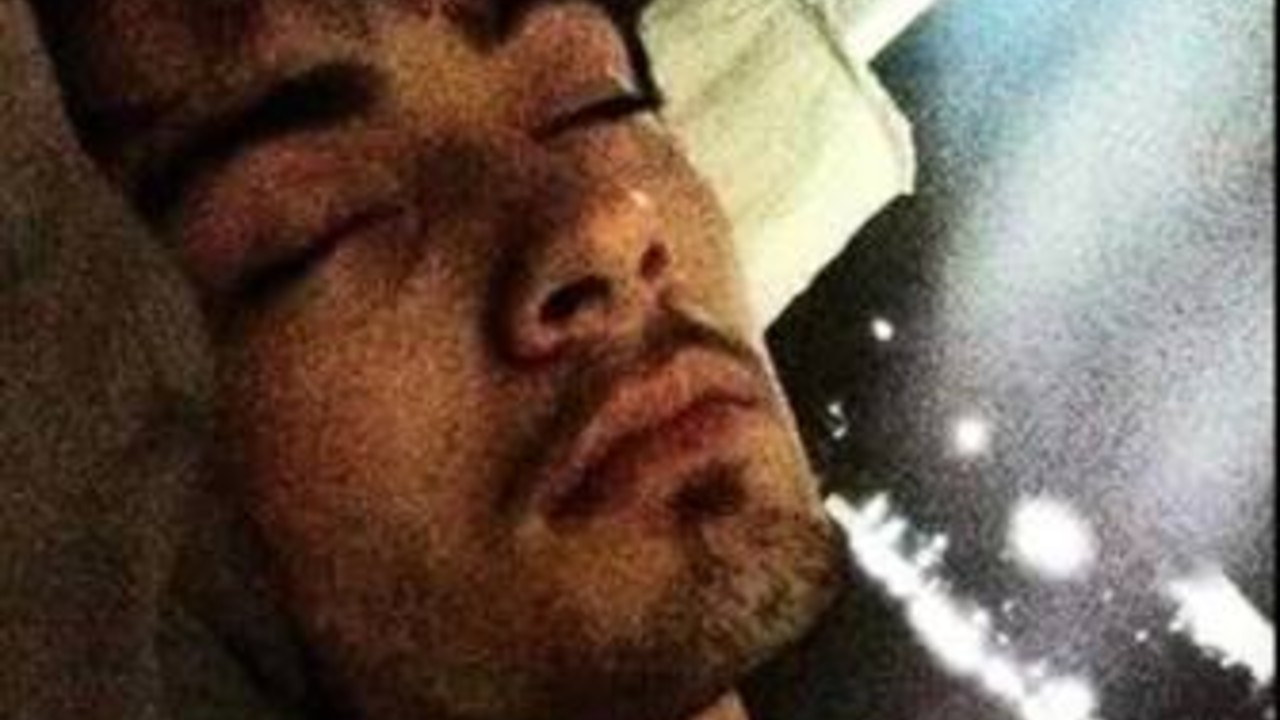
Among these digital artifacts was a black-and-white or dimly lit photograph capturing Zayn Malik shirtless and asleep. The image radiated a quintessential tumblr-era "aesthetic"—moody, effortless, and intensely idolized by millions of teenage fans. Over the span of thirteen years, the image quietly persisted, racking up tens of thousands of notes, reblogs, and saves. It sat dormant in the collective consciousness of millennial and older Gen Z internet users, functioning as an archival monument to the peak era of 2010s boy-band fandom.
The TikTok Spark: September 2026
The archival photograph’s quiet existence came to an abrupt end on September 4th, 2026. TikTok user @timmy.thick47 published a short-form video that would inadvertently launch a multi-million-view trend.
The video opened with the iconic 2013 photograph of a resting Zayn Malik, setting an impossibly high standard for aesthetic slumber. The video then abruptly transitions to a series of candid, unflattering photographs of the creator himself sleeping in chaotic positions. Superimposed over the footage was the now-infamous text: "Why am i low key giving zayn malik sleeping photo?"
The video struck an immediate chord with audiences, leaning heavily into a brand of self-deprecating irony that resonates deeply with modern youth culture. Within a month of its posting, the inaugural video surpassed 1.8 million views, serving as the catalyst for an avalanche of derivative content.
The Expansion of the Format (Mid-to-Late September 2026)
As the audio—frequently paired with slowed-down or atmospheric snippets of tracks like Zayn’s solo hit "Pillowtalk"—began circulating through TikTok’s recommendation engine, other creators added their own variations to the formula.
- September 7th, 2026: TikToker
@ilove2000sshowspublished a variation featuring a photograph of herself that bore virtually zero resemblance to Malik’s tranquil composure. The comedic bait-and-switch propelled the video to over 8.5 million views in under a month. - September 23rd, 2026: Expanding the scope from self-deprecation to partner-teasing, user
@anahyy.lolposted a video comparing an unflattering, open-mouthed photograph of her boyfriend sleeping to the pristine Malik image. The post drew over 4.8 million views in two weeks. - September 26th, 2026: Continuing the domestic humor angle, user
@cancelmiluploaded a nearly identical boyfriend-comparison video, accumulating over 3 million views in a fortnight.
By the end of September and stretching into October 2026, the trend had transcended simple video formatting to become a widespread conversational template, frequently accompanied by hashtags like #zaynmalik, #tumblr, #moodboard, and #aesthetic.
Supporting Context & Metrics: Cultural Resonance and Engagement
The success of the "Zayn Malik Sleeping" trend is underpinned by impressive engagement metrics and a clever manipulation of internet psychology.
Quantitative Breakdown
- Archival Longevity: The source image maintained an active footprint on Tumblr for over 13 years, accumulating more than 59,000 individual notes before its mainstream memeification.
- Viral Velocity: Pioneer videos routinely smashed performance benchmarks, with individual entries pulling in between 1.8 million and 8.5 million views within weeks of publication.
- Cross-Pollination: The trend successfully bridged demographic divides, appealing both to nostalgic 2010s Tumblr veterans (now in their mid-to-late twenties) and younger Gen Z TikTok users who treat early 2010s pop culture with ironic detachment and fascination.
Psychological Underpinnings: The Art of the "Lowkey" Delusion
At its core, the meme’s humor derives from the slang term "lowkey giving," combined with extreme delusion. To claim one is "giving Zayn Malik sleeping photo" while sprawled face-down on a lumpy mattress with a pillowcase damp from drool is an exercise in supreme ironic confidence.
Furthermore, the trend taps into a broader cultural fatigue with hyper-curated, hyper-aestheticized social media personas. By contrasting a professionally captured, highly romanticized image of a pop star with the gritty, unglamorous reality of human sleep, creators reclaim the mundanity of their daily lives through humor. It is an antidote to the pressure of maintaining a flawless digital footprint.
Official Statements & Industry Reaction
While neither Zayn Malik nor his management team released a formal public statement addressing his unexpected return to viral meme status, the broader digital media landscape has taken note of the trend’s cultural impact.
Data analysts tracking short-form video platforms noted a distinct spike in search interest for early One Direction memorabilia and solo Zayn Malik tracks throughout September 2026. Music streaming platforms recorded localized bumps in replays for "Pillowtalk," demonstrating how modern platform memes continue to serve as organic, cost-free marketing engines for legacy music catalogs.
Cultural critics have also weighed in, pointing to the trend as evidence of the accelerating nostalgia cycle. Content that originated during the early days of social media (Vine, Tumblr, early Instagram) is now old enough to be recycled through a postmodern, ironic lens by a new generation of digital natives.
Future Outlook: The Lifecycle of Archive-Based Memes
As the algorithmic momentum of the "Zayn Malik Sleeping" trend gradually stabilizes, industry observers are left to consider its long-term footprint on internet culture.
- The Normalization of Archival Archaeology: This trend proves that viral material no longer needs to be freshly generated; the vast digital attics of platforms like Tumblr, Pinterest, and early Twitter are ripe for archaeological unearthing. We can expect to see creators increasingly comb through 2010s internet subcultures for forgotten aesthetic touchstones to repurpose.
- The Evolution of Fandom Humor: Modern fandoms are less defined by uncritical, zealous devotion and more by self-aware, participatory irony. Fans are just as likely to meme their idols as they are to praise them, blending parasocial affection with internet-native sarcasm.
- Potential Brand and Celebrity Play: Savvy public figures and brands have learned to lean into unexpected viral revivals. While Malik remained silent on this occasion, future pop stars facing similar retroactive memeification may capitalize on the organic publicity by playfully acknowledging or recreating their archival moments.
Ultimately, the "Zayn Malik Sleeping" meme stands as a testament to the unpredictable nature of the internet. A photograph taken in the height of the 2013 pop mania managed to bridge a thirteen-year gap, finding new life as a vehicle for modern self-deprecation, relational comedy, and collective digital nostalgia.