Executive Overview
The smart home ecosystem is on the precipice of a seismic shift. For years, Apple has played a foundational yet understated role in automated residential living through HomeKit, the HomePod speaker lineup, and the Apple TV. However, its presence has often felt fragmented when compared to the deeply entrenched, screen-centric command centers offered by competitors like Amazon with its Echo Show line and Google with its Nest Hub ecosystem.
That narrative is poised to change dramatically. According to industry reports from Bloomberg’s Mark Gurman, Apple is preparing to unveil its long-rumored, dedicated smart home command center device under a brand-new moniker: the HomeView.
Set to debut at an exclusive "Welcome home" experiential event on October 13, the HomeView represents the Cupertino tech giant’s most concerted hardware and software push into domestic automation to date. Featuring a distinctive design language that evokes nostalgic nods to the classic iMac G4, a robust A18 processing engine, and deep integration with Apple Intelligence via Siri, the HomeView is designed to anchor the modern connected home.
This comprehensive briefing explores everything we know so far about the upcoming HomeView launch—including hardware configurations, design aesthetics, software limitations, peripheral refreshes, and the broader strategic implications for Apple’s growing smart home empire.
Detailed Chronology: From Rumors to the "Welcome Home" Reveal
The journey toward Apple’s dedicated smart home hub has been protracted, marked by years of supply chain whispers, internal software pivots, and shifting consumer expectations.
The Long Road to a Screen-Based Hub
As early as 2021 and 2022, supply chain analysts began noting that Apple was exploring domestic robotics and tabletop devices featuring robotic arms and integrated displays. While those advanced form factors remain in the R&D pipeline, engineers quickly realized there was a more immediate market gap for a stationary, wall-mountable, or desktop-bound smart screen that could oversee home security, media consumption, and daily automation routines.
By late 2024 and 2025, reports solidified around a device code-named internally with a screen-and-speaker hybrid layout. Initially dubbed by tech enthusiasts as the "HomePod Touch" or "HomePad," Apple’s internal naming committees ultimately landed on a brand that cleanly distinguishes the screen-first device from its audio-centric sibling: HomeView.
The October 13 Unveiling and Mid-November Release Timeline
Apple’s communications strategy for the HomeView points toward a two-stage rollout:
- October 13: Official announcement during the "Welcome home" event experience. This showcase will give media, developers, and consumers their first comprehensive look at the industrial design, core operating system capabilities, and overarching smart home philosophy.
- Mid-November Release: Following the unveiling, retail availability is slated for mid-November, positioning the product squarely ahead of the crucial Black Friday and winter holiday shopping periods.
This staggered release window mimics historical Apple playbooks, affording developers a brief window to optimize workflows and ensuring global supply chains have built up sufficient inventory for what is expected to be a high-demand holiday item.
Hardware Architecture, Design Aesthetics, and Colorways
Apple has always treated industrial design as a core differentiator, and the HomeView is no exception. Leaks suggest the hardware team has split the product line into two distinct form factors to accommodate different residential use cases.
The Desktop Edition: A Nod to the iMac G4
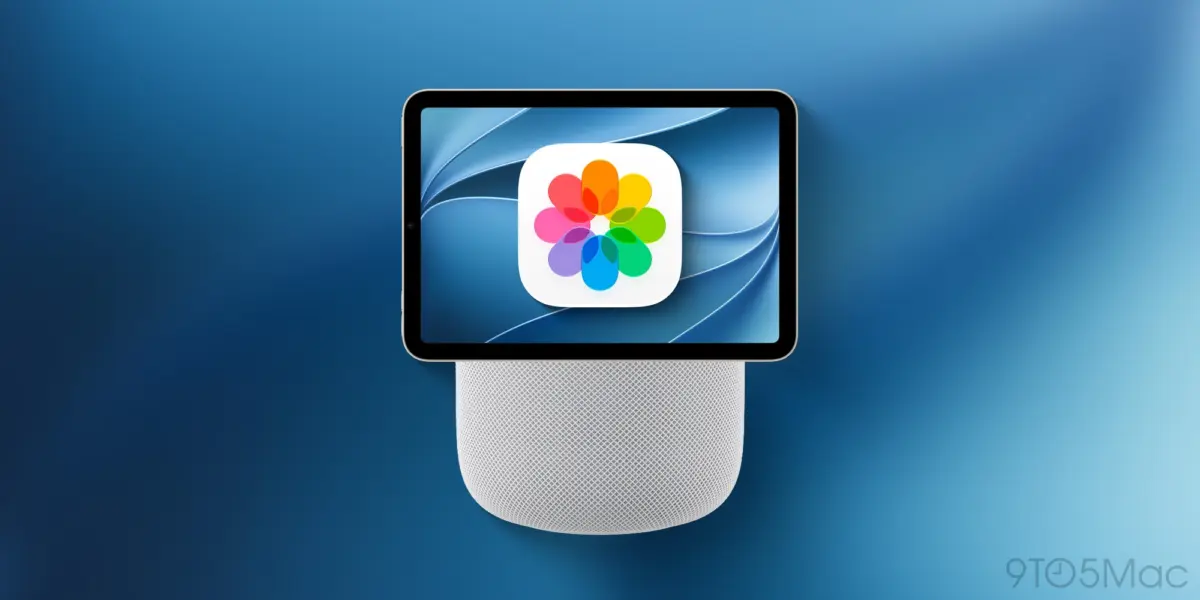
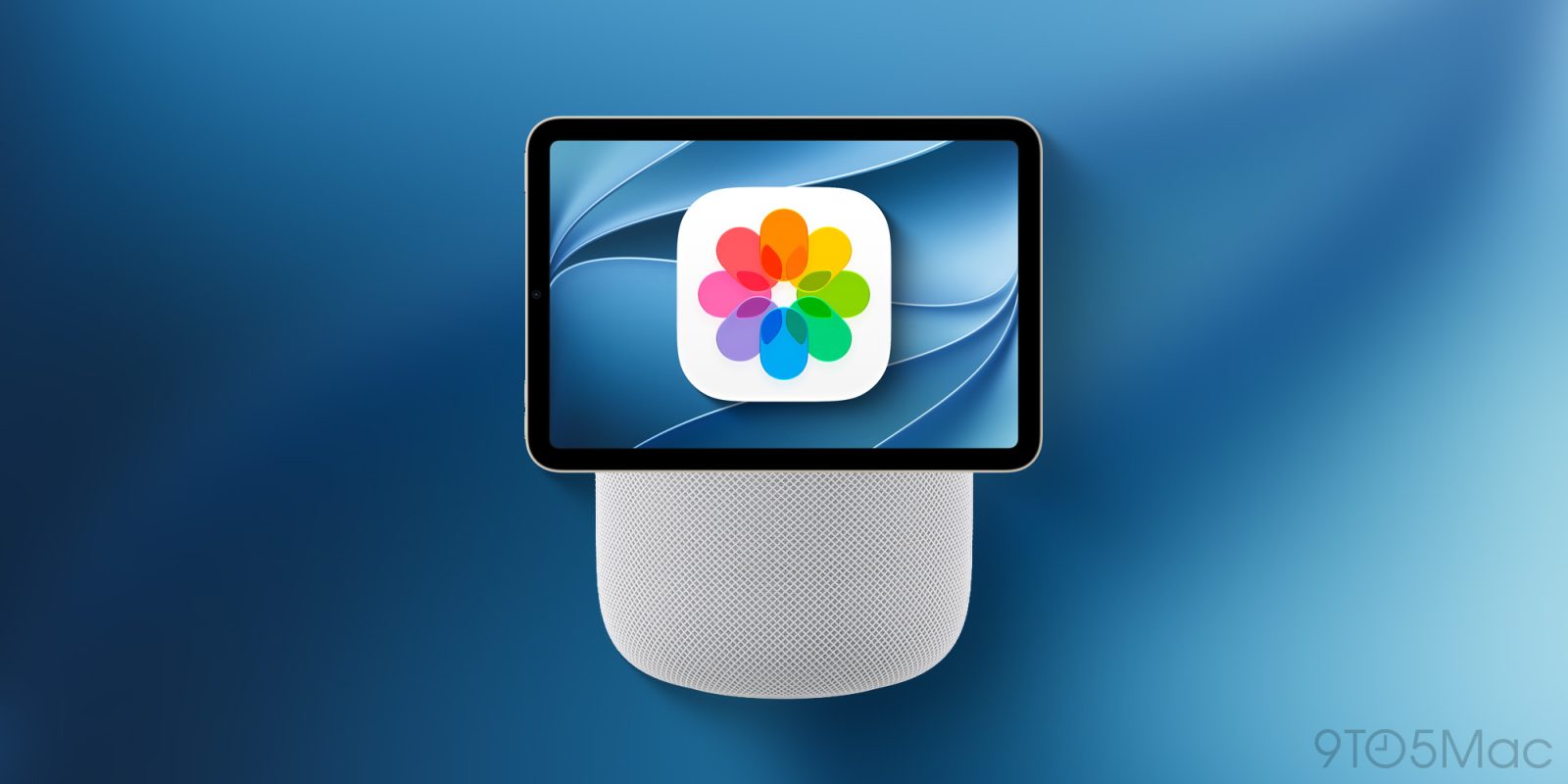
For users seeking a tabletop or kitchen-counter command center, the flagship HomeView features an unmistakable structural silhouette reminiscent of the iconic iMac G4. A sleek, modern floating display sits perched atop a weighted, acoustic-mesh speaker base.
This design accomplishes two goals: it elevates the screen to an optimal viewing angle for users standing across the room, and it houses robust internal audio drivers capable of filling a kitchen or living room with rich, room-filling sound.
The Wall-Mountable Edition
Recognizing that many smart home panels are best deployed flush against a wall—acting as digital intercoms or centralized light and security switches—Apple has designed a secondary variant featuring a square, low-profile base. This model is optimized for effortless wall-mounting, turning hallways and mudrooms into high-tech command posts.
Color Palettes and Finishes
Apple understands that smart home hardware must blend seamlessly into interior design aesthetics. Consequently, the desktop HomeView with its speaker base will launch in four sophisticated color options:
- Space Gray
- Silver
- Starlight
- Pink
Meanwhile, the wall-mountable model will be offered strictly in monochrome silver or space gray, catering to a more utilitarian, minimalist aesthetic suited for architectural integration.
Silicon and Performance Under the Hood
Powering the HomeView is the Apple A18 chip. While the A18 is more commonly associated with mobile handsets, its integration here ensures that the device is future-proofed for intensive local processing. This overhead is critical, as the HomeView relies heavily on on-device machine learning and Apple Intelligence tasks without constantly bottlenecking cloud infrastructure.

Software Ecosystem, Siri AI, and User Experience
Perhaps the most discussed aspect of the HomeView is its software philosophy. Rather than replicating an iPad experience complete with a chaotic grid of software icons, Apple has engineered a purpose-built interface centered on voice input and glanceable utility.
Siri AI as the Primary Interface
Apple is leaning heavily into voice interaction as the primary input method for the HomeView. With Siri AI serving as the centerpiece of the user experience, individuals can bark commands or converse naturally with the hub from across a large room. Whether adjusting the home’s ambient temperature, querying a calendar, or checking security camera feeds, the interaction model is designed to be frictionless and hands-free.
The "App Storeless" Approach
In a departure from traditional tablet paradigms, the HomeView will not feature a dedicated App Store. Users will not download third-party games, social media clients, or web browsers directly onto the device.
Instead, the HomeView runs core Apple apps natively (such as Home, Calendar, Notes, Music, and FaceTime), focusing entirely on utility and ambient displays. For third-party integration, users will likely be able to project app widgets from a nearby iPhone, maintaining a clean ecosystem boundary that prevents the hub from devolving into a cluttered personal tablet.
Supporting Context, Ecosystem Refreshes, and Strategic Partnerships
The launch of the HomeView does not happen in a vacuum. Apple is synchronizing this hardware rollout with broader updates across its smart home ecosystem, ensuring that legacy and auxiliary products tie directly into the new architecture.
Hardware Refreshes: Apple TV and HomePod mini
Alongside the HomeView unveiling, Apple is preparing synchronized hardware and software refreshes for two cornerstone living room products:
- The Apple TV Set-Top Box: Expect internal performance bumps to better handle the demands of advanced tvOS home automation dashboards and high-framerate media streaming.
- The HomePod mini: While keeping its familiar form factor, the compact smart speaker is slated for internal revisions to improve wireless connectivity, spatial awareness, and responsiveness to Siri commands, ensuring it acts as an ideal audio satellite complementing the HomeView.
The Smart Home Alliance: Partnerships with LG and Others
To ensure the HomeView commands a fully realized ecosystem on day one, Apple has quietly forged strategic partnerships with major appliance manufacturers, including LG.
This collaboration is yielding a curated range of next-generation smart home accessories engineered to work natively and effortlessly with Apple’s protocols. These include:

- Advanced smart thermostats with dynamic energy-saving algorithms.
- Biometric smart door locks featuring secure Home Key integration.
- High-definition smart doorbells with advanced person-detection and zero-latency intercom functionality.
Official Statements and Industry Industry Reception
While Apple maintains its characteristic pre-announcement silence regarding unreleased products, supply chain analysts and industry observers have been vocal about the strategic weight of the upcoming October 13 event.
In his weekend newsletter, Bloomberg’s Mark Gurman emphasized that the HomeView represents a vital test for Apple’s ambient computing strategy:
"Apple has spent years refining how its ecosystem talks to the physical spaces we live in. By introducing the HomeView with the A18 chip and an iMac G4-inspired footprint, they aren’t just building another screen—they are establishing a visual anchor for the entire smart home."
Competitors in the consumer electronics space are watching closely. Companies like Amazon and Google have dominated the smart display category with low-cost, ad-supported or data-harvesting hardware models. Apple’s entry into the space relies on its traditional value proposition: premium hardware, uncompromising privacy standards, and seamless deep integration within the walled garden of iOS, macOS, and iCloud.
Future Outlook: What the HomeView Means for Consumers
As we look toward the October 13 "Welcome home" event and the subsequent mid-November retail rollout, the implications for consumers are profound.
For households already deeply embedded in the Apple ecosystem—utilizing iPhones, Apple Watches, iPads, and MacBooks—the HomeView solves a long-standing friction point. It bridges the gap between passive smart speakers and active personal devices, providing a unified physical dashboard that respects user privacy while delivering powerful, AI-driven automation.
However, questions remain. How well will third-party widget projection work in practice? Will the absence of an App Store deter developers from building rich smart home integrations? And how will pricing ultimately dictate consumer adoption against aggressively discounted legacy rivals?
We will have complete, on-the-ground coverage of all announcements, specifications, and hands-on impressions as Apple officially pulls back the curtain on its smart home future. Stay tuned.