The landscape of generative artificial intelligence has shifted. For years, knowledge workers, marketers, and entrepreneurs have been trapped in an iterative loop of manual prompting. Standard chatbots like ChatGPT and Claude have undeniably transformed how we draft copy, brainstorm concepts, and write code, but they ultimately leave the execution burden squarely on the human user. They ask, "How can I help you?"—which routinely translates to: "Tell me what you want, I’ll show you what to do, but you still have to do the work."
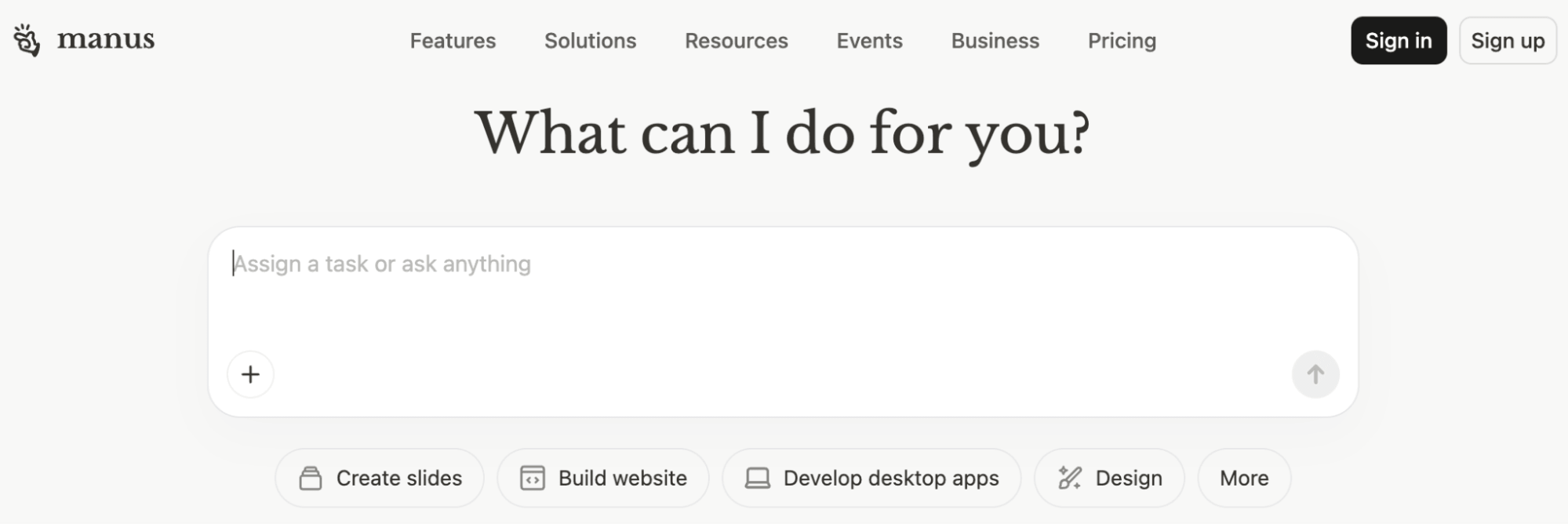
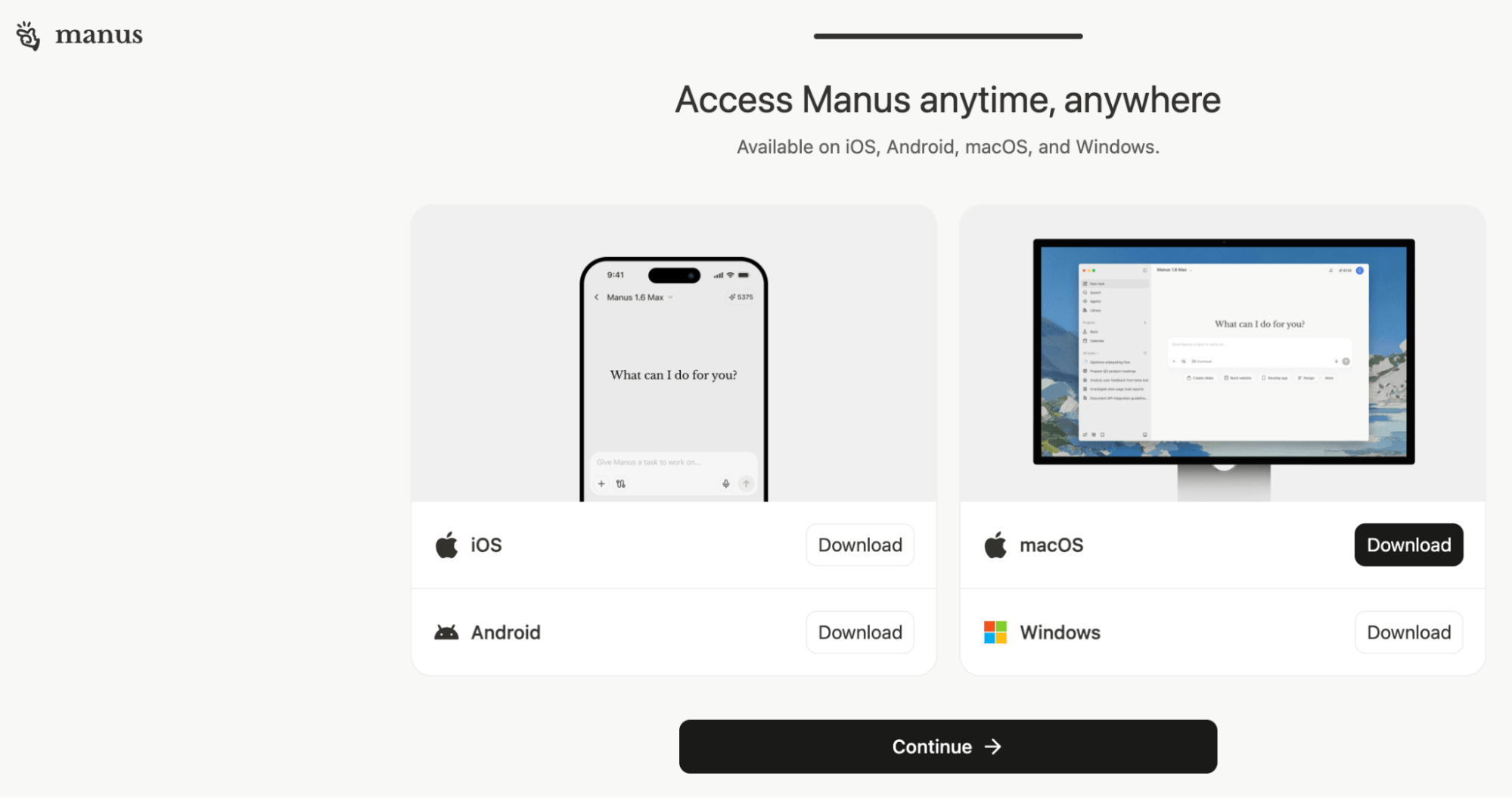
Enter Manus, an advanced autonomous AI agent designed to fundamentally rewrite that paradigm. Rather than merely chatting, Manus asks, "What can I do for you?"—and then proceeds to execute multi-step processes across external web tools, software platforms, and local directories without requiring constant human oversight at every stage.
Co-created by marketing strategist Kate vanderVoort and industry publisher Michael Stelzner, recent breakdowns of Manus on the AI Explored podcast reveal how non-technical professionals can leverage this technology to build sophisticated, end-to-end agentic workflows. By integrating natural language processing with autonomous execution capabilities, Manus bridges the gap between conceptual AI assistance and true digital labor. This report provides an in-depth, authoritative analysis of what Manus is, how its architecture differs from traditional models, its subscription economics, and step-by-step strategies for deploying agentic automation within your own operations.
Detailed Chronology: Understanding the Manus Ecosystem
To successfully deploy agentic AI, users must first understand the architectural options and access modes available within the Manus ecosystem. Unlike single-window chat interfaces, Manus operates across multiple environments tailored to varying levels of digital complexity.
1. The Four Access Modes of Manus
Manus offers four distinct deployment pathways, allowing users to scale their automation from simple browser tasks to persistent cloud-based operations:
Browser-Based Access: Functioning similarly to standard web-based LLMs, this entry point allows Manus to log into online platforms securely on behalf of the user. Without exposing raw login credentials, the agent can navigate CRM platforms, sweep LinkedIn for prospective leads, and manage web-based applications autonomously.
My Computer (Desktop Application): Installed directly onto a local machine, this mode grants Manus direct read/write access to local files and directories. Comparable to advanced local tools like Claude Cowork, Codex, or Perplexity Computer, it eliminates the friction of manually uploading documents. (Note: The host machine must remain powered on for these workflows to execute.)
Manus Agent via Telegram: Designed for mobility, this mode establishes a secure chat bridge via Telegram. When a complex, long-running workflow is executing on a desktop or cloud instance, users can monitor progress, receive status updates, and approve actions directly from their smartphones while away from their desks.
Manus Cloud Computer: The most advanced tier in the ecosystem, the Manus Cloud Computer runs continuously as a virtual machine hosted in the cloud. While standard sessions spin up temporary sandbox environments that dissolve upon task completion, the Cloud Computer maintains persistent databases that accumulate institutional knowledge over time. It handles command-line interface (CLI) configurations and environment setups entirely through natural language instructions, enabling 24/7 operations such as automated competitor monitoring, social media management, and round-the-clock customer support.
2. Subscription Tiers and Credit Economics
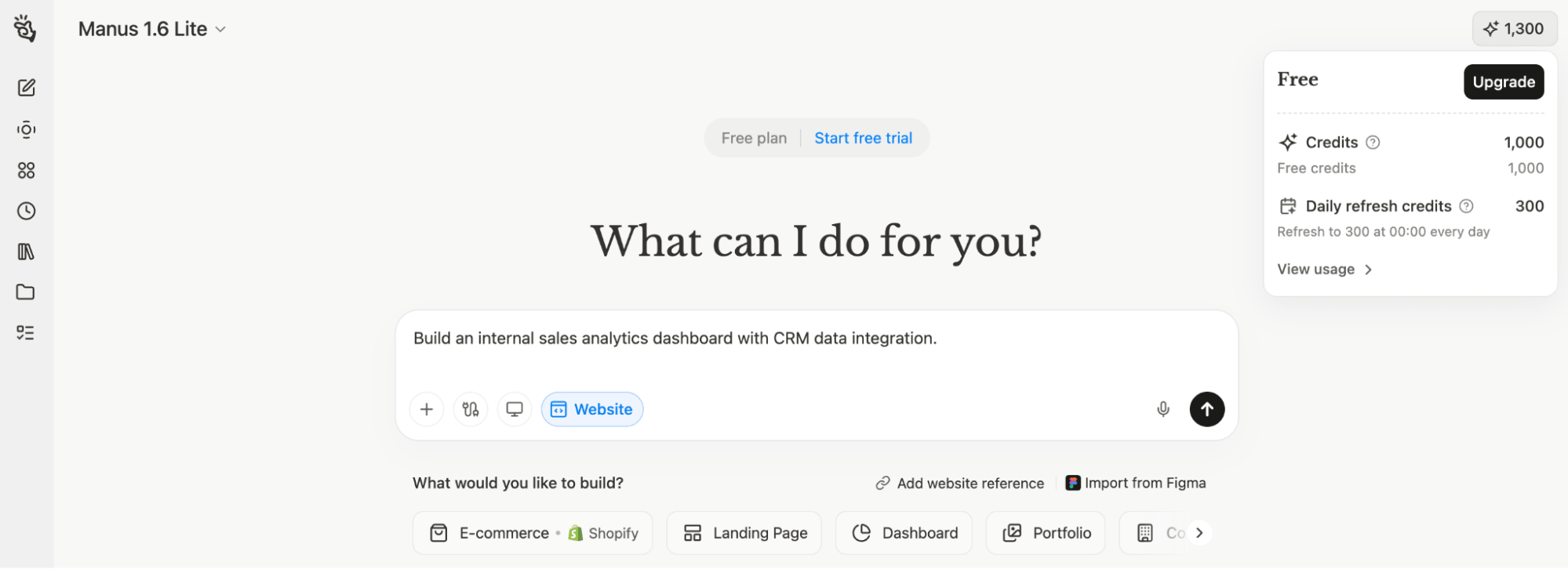
Manus operates on a hybrid subscription and credit-based model. Users pay a baseline monthly fee alongside an allotment of credits consumed dynamically based on computational complexity and execution steps.
Free Tier: Includes a daily allotment of 300 refresh credits that reset every 24 hours. Ideal for light queries or testing basic features.
Paid Tiers: Start at $20 per month (4,000 credits), scaling to $40 (8,000 credits) and $200 (40,000 credits) per month.
Credit Burn Rates: Light exploratory queries consume roughly 5 to 10 credits. Conversely, deep, multi-step autonomous workflows—such as scraping multiple external websites, synthesizing disparate datasets, and compiling extensive briefing reports—can burn 900 or more credits in a single run. Unused monthly credits do not roll over, making accurate workflow scoping essential for cost management.
Supporting Context & Metrics: Real-World Use Cases
The true value of agentic AI lies in its ability to handle repeatable, predictable processes that previously required hours of human data-shuttling. To illustrate the transformative impact of Manus, consider two distinct enterprise case studies highlighted by Kate vanderVoort.
Case Study 1: The Proposal Generation Workflow
Prior to implementing Manus, executing a comprehensive client onboarding and proposal sequence required a fragmented array of standalone AI tools:
Querying Perplexity to draft initial research prompts.
Importing those prompts into Gemini Deep Research to generate 30 to 40 background pages on a prospective client.
Using Gemini’s Canvas to build a custom web page mapping product features to client KPIs.
Conducting the discovery call with that dashboard open.
Feeding the final call transcript into Claude to draft the formal proposal.
This multi-step manual handoff consumed three to four hours of billable time per client.
By transitioning this sequence into a unified Manus agentic workflow, the process is compressed. Manus executes the research, constructs the briefing dashboard, and drafts the personalized proposal autonomously. The user’s sole manual intervention is uploading the raw discovery call transcript into the active thread. The initial development cost was roughly $15 in credits, while subsequent runs cost only a few thousand credits (approximately $5 per client).
Case Study 2: The Training Program Generation Workflow
During a consulting workshop with a major food and beverage manufacturer, vanderVoort tasked Manus with designing an extensive employee training program for the company’s Learning and Development (L&D) team.
Operating autonomously for nearly 50 minutes, Manus worked through a 42-step task list. It identified structural gaps in the initial prompt, determining that the curriculum required seven modules rather than the requested six. Ultimately, it delivered:
A complete seven-module training curriculum complete with experiential exercises.
A comprehensive 150-page training manual.
An interactive quiz module designed to test and grade learner comprehension step by step.
Remarkably, the corporate L&D team revealed they had spent two years stalled on step four of this exact project, having recently been quoted $150,000 by an external agency to complete the deliverable.
Official Guidelines: Best Practices for Prompting and Reusability
Deploying an autonomous agent requires a fundamental shift in mindset. Treating Manus like a traditional chat assistant—brainstorming out loud and refining prompts in real-time—burns costly credits while the agent waits idly. Professional users must approach Manus with the rigor of hiring an elite consultant.
1. Pre-Prompting in External LLMs
To maximize efficiency, vanderVoort recommends drafting Manus prompts in a separate, conversational LLM (such as Perplexity Pro) before opening the Manus interface. Using voice-to-text transcription tools (such as Wispr Flow), users can execute a comprehensive brain dump of their objectives, followed by a strict directive:
"Please write a highly optimized prompt for a Manus AI agent. Do not do the task."
The inclusion of the negative constraint (Do not do the task) prevents the conversational LLM from attempting the work itself. Furthermore, users should instruct the preparatory LLM to ask clarifying questions before finalizing the brief, surfacing hidden assumptions and omissions to generate a robust, production-ready prompt.
2. Leveraging Manus Skills for Scalability
Skills represent the core multiplier of the Manus platform. A skill is a packaged directory (or zip file) containing:
A unique name and descriptive metadata.
Step-by-step operational instructions.
Contextual foundation files (e.g., brand voice guidelines, style manuals, historical examples, and core business policies).
Manus reads only the metadata layer to determine skill relevance, loading the heavier context files only when invoked. This keeps token usage lean and execution speeds optimal. Skills can be triggered automatically by the agent or manually via a forward slash (/) command.
Building Custom Skills: After successfully completing any complex task, Manus prompts the user to save the workflow as a reusable skill. Once saved, the entire sequence becomes an instantly repeatable, on-demand asset.
The SOP Integration Strategy: Organizations can build a powerful Business Intelligence Center by converting Standard Operating Procedures (SOPs) into Manus skills. By narrating business processes across 14 operational categories using voice-to-text, users can generate exhaustive SOP files that anchor AI output to authentic company workflows rather than generic templates.
Future Outlook: The Autonomous Enterprise
The transition from generative chat to agentic workflows marks a defining inflection point in digital transformation. Industry metrics indicate that over 85% of modern professionals currently experiment with AI in isolation, often navigating complex toolsets without institutional guidance or standardized training.
Platforms like Manus signal the maturation of AI from an interactive novelty into an autonomous workforce. As cloud-compute virtual machines, persistent memory structures, and modular skill libraries continue to evolve, the bottleneck of business operations will no longer be execution speed, but human strategic clarity.
For leaders, marketers, and enterprises willing to invest in structuring their operational knowledge into reusable agentic skills, the future promises unprecedented leverage: turning hours of manual administration into automated, background execution.