By Tech & Consumer Electronics Desk
Published October 18, 2026
Executive Overview
The retail launch of Apple’s heavily anticipated iPhone Duo is shaping up to be one of the most supply-constrained product rollouts in the company’s recent history. According to internal directives and reports surfacing across the retail sector, Apple has instructed its global retail staff to actively discourage customers from attempting walk-in purchases on launch day.
For months, industry analysts warned that component shortages and intricate manufacturing hurdles would severely limit initial inventory. However, the latest advisory confirms the worst-case scenario for consumers without an existing reservation: lining up outside an Apple Store the night before launch will likely prove entirely futile.
With pre-order demand officially characterized by Apple executives as "extraordinary," online shipping estimates have already slipped deep into January 2027. As scalpers flood secondary markets with exorbitant markups and authorized resellers grapple with microscopic allocations, the iPhone Duo launch highlights the ongoing friction between unprecedented consumer appetite and global hardware production limits. This report breaks down the internal directives, manufacturing realities, and alternative pathways consumers are exploring to secure Apple’s newest flagship device.
Detailed Chronology: From Rumor to Retail Lockdown
The path to the iPhone Duo’s rocky launch has been marked by staggering demand met with equally formidable production roadblocks. To understand how retail storefronts found themselves with virtually zero walk-in inventory, it is necessary to examine the sequence of events leading up to the October release window.
Spring and Summer 2026: The Whispers of Constraints
As early as May 2026, supply chain leaks suggested that Apple’s engineering partners were struggling to yield sufficient quantities of the specialized displays and internal chassis components required for the iPhone Duo form factor. While Apple’s design ambitions pushed the boundaries of thinness and multi-panel integration, manufacturing yields remained notoriously low throughout the summer pilot production runs.
Despite these internal warnings, leadership greenlit an aggressive marketing campaign, banking on their ability to scale production rapidly post-launch. Unfortunately, component suppliers were unable to accelerate output at the required velocity.
Mid-October 2026: The Pre-Order Explosion
The dam officially broke during the second week of October when pre-orders went live. Within hours, Apple’s digital storefront experienced massive traffic spikes, leading to widespread server latency and immediate order slippage. Devices that were initially promised for delivery on launch day were pushed back by weeks, then months, within minutes of the digital gates opening.
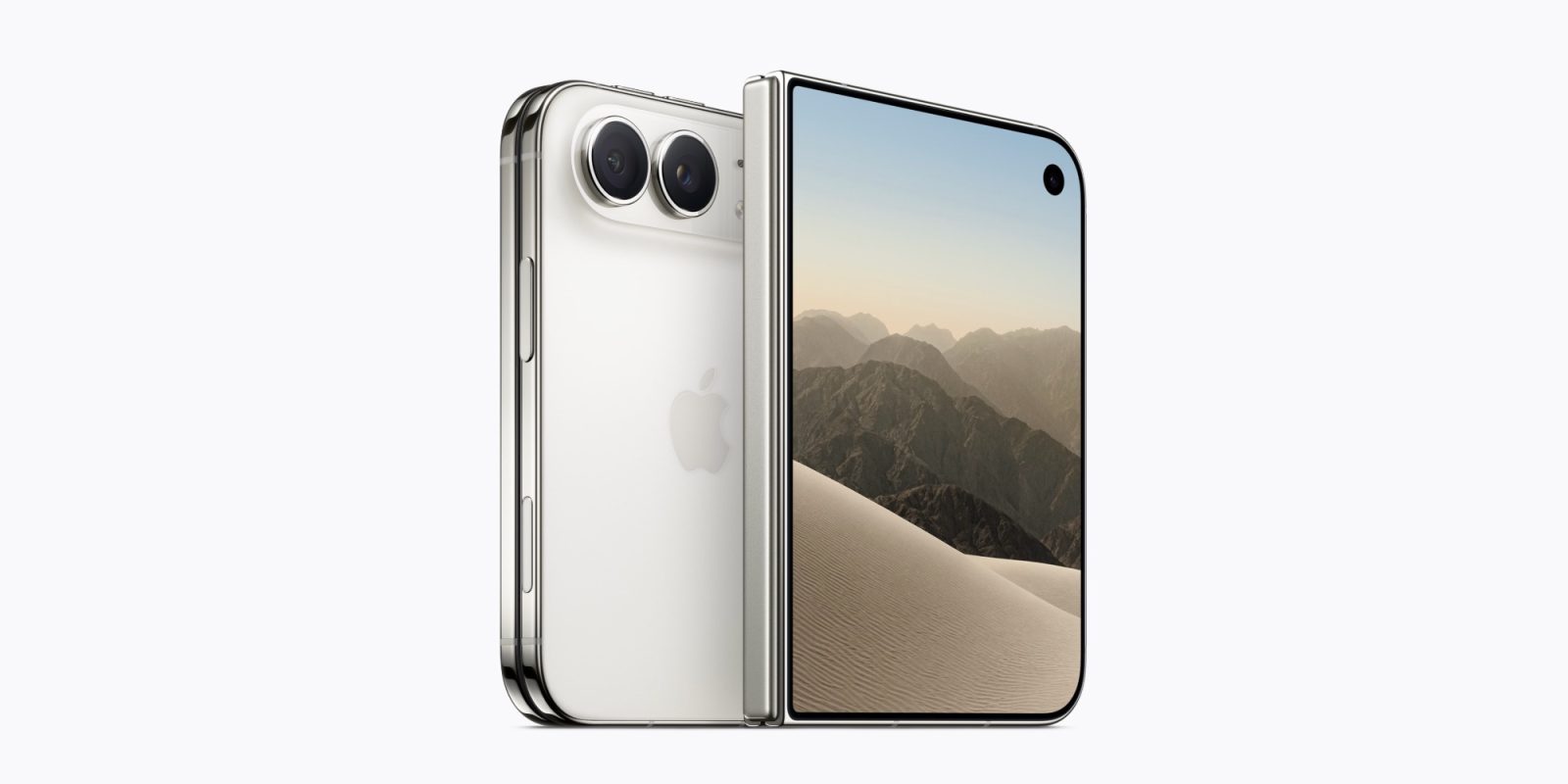
By October 16, Apple publicly acknowledged the unprecedented response, officially labeling demand for the iPhone Duo as "extraordinary." However, behind the corporate messaging, supply chain reality was setting in. Online delivery estimates were unceremoniously backordered well into January 2027, effectively wiping out Q4 availability for anyone who missed the initial pre-order window.
The October 17 Retail Directive: Closing the Doors on Hope
The defining moment of the launch cycle occurred on October 17, when internal memos leaked via industry publication MacRumors. Apple management distributed strict guidance to retail employees across its global store network. Staff were formally instructed to manage customer expectations downward, explicitly warning that no iPhone Duo stock would be allocated for walk-in purchases on launch day.
While Apple’s official website cryptically advises consumers to "check back for availability on October 24," retail employees have been told a different story. Store associates are instructed to actively dissuade hopeful buyers from camping out or queuing overnight, noting that doing so will likely result in profound disappointment. For many flagship stores, initial shipments will fulfill online pre-orders only, leaving zero surplus units on the shelves.
Supporting Context & Metrics: The Anatomy of a Shortage
To fully grasp the severity of the iPhone Duo bottleneck, one must analyze the broader market dynamics, secondary pricing trends, and alternative retail channels currently operating outside the Apple Store ecosystem.
The Scalper Economy and Secondary Markets
Whenever high-demand consumer electronics face severe scarcity, opportunistic resellers and automated bot networks inevitably capitalize on the imbalance. Within 24 hours of the pre-order window closing, secondary marketplaces like eBay, StockX, and specialized local listing platforms saw listings for the iPhone Duo priced at double—and in some cases triple—retail value.
Security researchers noted that sophisticated scalper rings utilized automated scripts to sweep up initial inventory, leaving genuine consumers locked out. This rampant profiteering has prompted consumer advocacy groups to call for stricter anti-bot legislation in retail transactions, though enforcement remains difficult across decentralized peer-to-peer marketplaces.
Alternative Retail Channels: Carriers and Big-Box Partners
While Apple’s corporate retail arm faces an absolute drought of walk-in inventory, secondary avenues offer a glimmer of hope. Major U.S. telecommunications carriers (such as Verizon, AT&T, and T-Mobile) and electronics retailers like Best Buy appear to have secured independent allocations separate from Apple’s direct-to-consumer pool.
Consumers determined to secure an iPhone Duo without waiting until 2027 have increasingly turned to these partner networks. While carrier stores are still experiencing constrained supplies, walk-in customers willing to tie their purchases to multi-year device financing plans or carrier contracts have occasionally reported localized success—though inventory vanishes almost as soon as delivery trucks arrive.

Official Statements and Industry Response
Apple’s communication strategy throughout the iPhone Duo rollout has balanced corporate optimism with quiet damage control.
During the initial pre-order rush, an Apple spokesperson issued a brief statement highlighting the device’s reception:
"The response to the iPhone Duo has been truly extraordinary. Customers are loving the innovative design and advanced capabilities. While we are working around the clock to produce as many units as possible, initial demand has significantly outpaced our forecasts."
However, the tone inside the retail trenches is starkly pragmatic. Retail union representatives and store managers have praised the decision to instruct employees to turn away unreserved walk-ins, noting that it prevents public safety hazards, unruly queues, and hostile customer interactions born of dashed expectations.
Industry analysts have weighed in on the manufacturing crisis as well. Supply chain tracking firms point out that Apple’s reliance on cutting-edge manufacturing processes often introduces calculated risks. When innovations demand a level of precision that suppliers struggle to replicate at scale, shortages are an inevitable byproduct.
Future Outlook: When Will Supply Stabilize?
As the October 24 retail launch date approaches, the immediate outlook for prospective iPhone Duo buyers remains grim.
- Short-Term Pain (Q4 2026): For the remainder of the holiday shopping season, finding an iPhone Duo at retail price without a pre-order will be akin to winning a lottery. Apple Stores will focus exclusively on fulfilling backlog orders, and walk-in inventory will remain nonexistent or strictly limited to sporadic, unpredictable trickle shipments.
- Medium-Term Recovery (Q1 2027): Industry projections suggest that supply chain bottlenecks will begin to loosen by late January or early February 2027. As manufacturing partners optimize their production lines and yield rates improve, online shipping windows are expected to contract, allowing standard retail walk-in availability to resume.
- Long-Term Impact: The success—and simultaneous logistical headache—of the iPhone Duo launch proves that consumer demand for hardware innovation remains resilient, even in volatile economic climates. Moving forward, industry watchers expect Apple to reevaluate how it manages launch-day queues, potentially phasing out traditional walk-in culture entirely in favor of digitized, appointment-only reservation systems to prevent retail chaos.
For now, consumers who missed the initial pre-order window face a choice: secure an order for deep-winter delivery, scour independent carrier stock with cautious optimism, or wait out the storm until the manufacturing ecosystem catches up with the world’s insatiable appetite for Apple’s latest hardware milestone.