Executive Overview
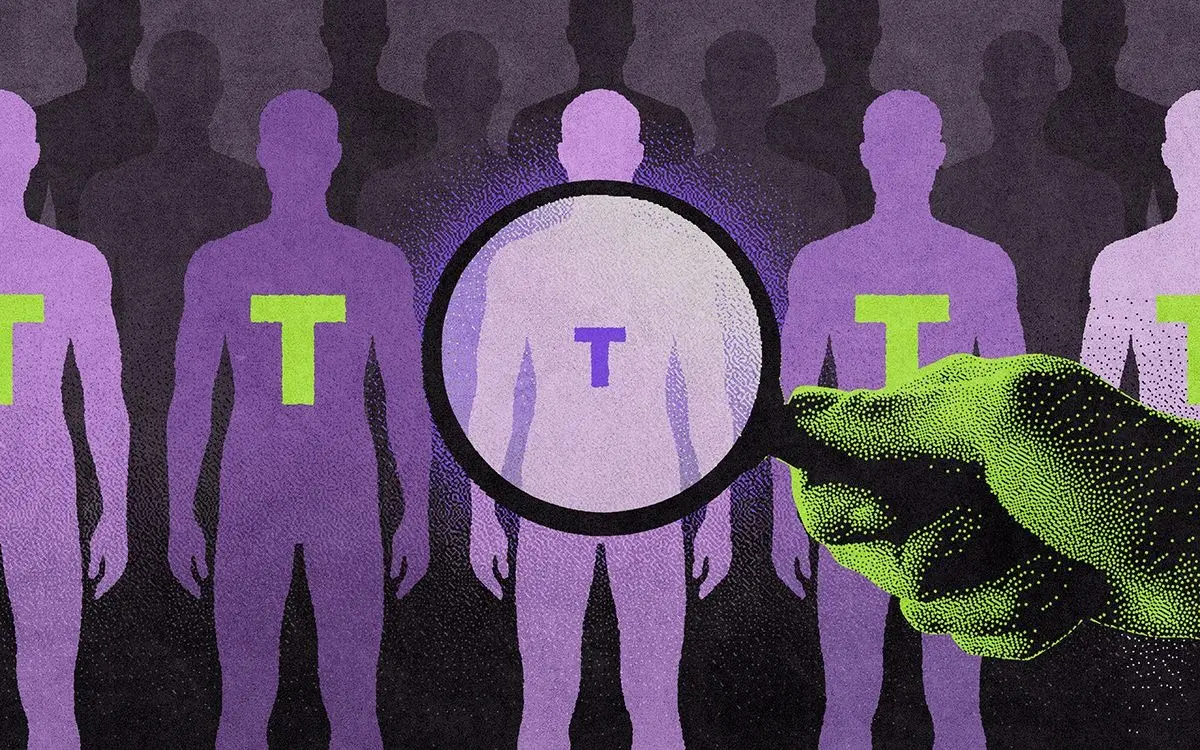
In an era defined by hyper-vigilant wellness culture, political polarization, and the rapid expansion of direct-to-consumer digital medicine, testosterone has emerged as the ultimate cultural and biological battleground. Once whispered about in locker rooms or stigmatized as the domain of fringe bodybuilders, the male hormone has crossed firmly into the mainstream. Today, podcasters debate its fluctuations, political figures weaponize the concept of a “low T lifestyle” as a cultural critique, and the military explores mandatory screenings for its troops.
Capitalizing on this profound cultural and physiological pivot, telehealth juggernaut Hims has officially launched a comprehensive Testosterone Replacement Therapy (TRT) service aimed at cisgender men. Founded in 2017 as a nimble startup primarily pushing erectile dysfunction medications, Hims has matured into a publicly traded healthcare platform serving nearly three million active customers. Its latest maneuver represents both a bold expansion into complex clinical care and a doubling down on the lucrative men’s health sector.
Yet, this commercial expansion arrives during what can only be described as a "Wild West" era for online hormone sales. The market is saturated with turnkey telehealth clinics promising boundless energy, fountain-of-youth anti-aging solutions, and optimized alpha-masculinity—often with lax diagnostic standards. Against this backdrop, Hims is attempting to carve out a clinical high ground, insisting that its wide-net diagnostic strategy will be balanced by rigorous, synchronous medical oversight. As testosterone cements its status as a premier biomarker for overall male health, the medical community, Silicon Valley investors, and political institutions are forced to confront a pressing question: Are we genuinely treating an underdiagnosed medical crisis, or are we simply monetizing the anxieties of modern manhood?
Detailed Chronology: From Underground Stigma to Mainstream Telehealth
To understand how testosterone therapy reached its current inflection point, it is necessary to examine how the medical landscape, public perception, and regulatory frameworks have evolved over the past several decades.
- 1990 — The Regulatory Turning Point: Following widespread abuse within elite athletics and the fitness community, the United States federal government passed the Anabolic Steroids Control Act. This landmark legislation classified testosterone and its synthetic derivatives as Schedule III controlled substances. While the law successfully curbed illicit black-market distribution, it inadvertently cast a long, moralistic shadow over the hormone. For decades, legitimate medical treatments for hypogonadism were entangled with the cultural stigma of "gym rat" steroid abuse, deterring many men from seeking clinical help.
- The 2000s and 2010s — The Cardiovascular Cloud: During the early decades of the twenty-first century, mainstream medical literature sounded alarms regarding the potential cardiovascular risks associated with testosterone therapy. Observational studies suggested links to heart attacks and strokes, causing physicians to pull back on prescriptions. Although subsequent, more rigorous long-term studies have since proven those initial alarms to be significantly overestimated, the hesitancy left an enduring mark on clinical guidelines.
- 2017 — The Birth of Modern Digital Health: Hims launched as a sleek, destigmatizing direct-to-consumer brand targeting common, highly embarrassing conditions like hair loss and erectile dysfunction. By leveraging clean branding and asynchronous online questionnaires, the startup demystified routine medical treatments, paving the way for a generation of digital healthcare platforms.
- 2022 — The Undercover Exposé: As digital testosterone clinics began proliferating online, researchers in urology conducted a covert audit to test their diagnostic integrity. Going undercover as prospective patients, the researchers approached seven prominent digital clinics. Shockingly, six of the seven platforms prescribed testosterone replacement therapy even when presented with lab results showing entirely normal, healthy hormone levels. The study exposed a dangerous commercial incentive structure within unregulated digital health spaces.
- Late 2025 to 2026 — The Political and Cultural Peak: The concept of "Low T" bursts past the boundaries of medicine and infiltrates national politics. Texas Republican political campaigns weaponize the term as a direct insult to question opponents’ masculinity. Concurrently, high-profile defense announcements mandate testosterone deficiency screening for military personnel, cementing the hormone’s status as a proxy for operational readiness and political identity.
- Present Day — The Regulated Digital Frontier: Recognizing both the immense demand and the severe regulatory hurdles of prescribing a controlled substance, Hims officially rolls out its comprehensive TRT service. Utilizing modern at-home micro-sampling technology and mandatory video consultations, the platform seeks to capture the massive untapped market while attempting to distance itself from the predatory practices of fly-by-night anti-aging clinics.
Supporting Context & Metrics: The Science, The Market, and The Politics
The Diagnostic Reality of Hypogonadism
Medically speaking, testosterone deficiency is known as hypogonadism. It is characterized by a clinical failure to produce normal amounts of testosterone, driven by either testicular failure or hypothalamic-pituitary-axis dysfunction. Common symptoms include chronic fatigue, diminished libido, erectile dysfunction, depressive moods, and noticeable muscle loss.
However, diagnosing the condition is far more complex than simply running a single blood test. According to Peter Stahl, a urologist and senior vice president of men’s health at Hims, testosterone acts as a "powerful biomarker" for systemic health.
Data underscores the stakes: men suffering from untreated low testosterone face up to a 35 percent increased risk in overall all-cause mortality. Despite these sobering statistics, the condition remains profoundly underdiagnosed. Men are notoriously reluctant to visit primary care physicians for routine wellness checks, particularly when it involves discussing intimate sexual health or metabolic panels.
The At-Home Diagnostic Revolution
One of the primary friction points in men’s health has always been diagnostic compliance. Getting a young or middle-aged man to sit in a sterile doctor’s office to fast and draw blood for a cholesterol or hormone panel is notoriously difficult.
Hims has bypassed this barrier by integrating the Tasso blood collection device into its onboarding process. Rather than requiring a traditional venous blood draw at a lab, patients receive a round, single-use wearable device that adheres to the upper arm. Using microscopic needles, the device painlessly extracts a capillary blood sample.
The user then mails the sample to a certified laboratory, which analyzes a comprehensive panel of 21 distinct biomarkers. This panel stretches far beyond basic testosterone levels to include thyroid hormones, lipid profiles, and triglycerides, offering a holistic view of the patient’s metabolic health. As Stahl notes, leveraging a man’s interest in testosterone optimization is a Trojan horse: "Getting screened for testosterone deficiency is much more exciting to a young man who’s feeling good than getting tested for high cholesterol. So we’re trying to leverage that opportunity as much as we possibly can."
The Political Weaponization of "Low T"
Beyond medicine and venture capital boardrooms, testosterone has become an unlikely darling of the modern political zeitgeist, particularly within right-wing American circles.
The cultural fixation manifested clearly when Pentagon leadership moved forward with mandatory testosterone deficiency screenings for the majority of male troops in the United States armed services—a policy critics and medical ethicists have occasionally labeled a "junk science fever dream." Meanwhile, on the campaign trail, conservative politicians have increasingly deployed the phrase "low T" as a derogatory rhetorical device to question the vigor, leadership capabilities, and masculinity of their political adversaries.
This hyper-politicization of male biology has naturally trickled down into consumer behavior. Surveys commissioned by brands like Hims reveal that while American men are increasingly willing to converse with peers about hormone therapies, the lingering social stigma associated with seeking medical intervention for perceived inadequacies remains stubbornly intact.
Official Statements & Industry Perspectives
Navigating the delicate balance between expanding healthcare access and maintaining clinical rigor requires a careful navigation of medical ethics. Industry leaders and academic experts hold varying perspectives on the rise of telehealth-driven TRT.
-
Peter Stahl, Senior VP of Men’s Health at Hims:
"When we first started, we didn’t have the capabilities to take care of a complex condition like testosterone deficiency. We’ve finally grown up… Testosterone deficiency is really underdiagnosed and really misunderstood. If you’re asymptomatic, it doesn’t matter what your testosterone level is, you’re not going to get treated on our platform."
Stahl emphasizes that unlike competitors who market TRT as a generic anti-aging elixir, Hims intends to enforce strict diagnostic gates. A low lab score alone will not trigger a prescription if the patient exhibits no clinical symptoms. -
Dr. Mohit Khera, Director of the Laboratory for Andrology Research at Baylor College of Medicine:
"It’s important to remember that testosterone therapy can cause infertility, and you don’t give it to someone trying to conceive… Telehealth TRT services represent a very promising way to expand access to the medication, as long as it’s monitored appropriately."
Khera highlights the vital physiological risks associated with exogenous testosterone administration. Because testosterone therapy shuts down the body’s natural production via feedback loops, it can severely impair spermatogenesis, making it an inappropriate therapy for men actively looking to start families.
Future Outlook: Navigating the Regulated Digital Frontier
As Hims rolls out its tiered treatment options—ranging from commercially available and compounded injectables to oral pill formulations—the platform faces intense scrutiny. Because testosterone is legally classified as a Schedule III controlled substance, it cannot be prescribed via the frictionless, asynchronous methods (such as simple digital questionnaires) that built empires for GLP-1 weight-loss drugs and generic hair-loss pills.
Instead, TRT mandates synchronous care. Patients must schedule and complete a live video consultation with a licensed clinician prior to receiving any prescription, followed by rigorous, ongoing digital monitoring of their blood markers and physiological responses.
The central challenge moving forward will be maintaining this clinical discipline in an aggressive direct-to-consumer marketplace. If online clinics succumb to the temptation of rubber-stamping prescriptions for cash-paying customers seeking lifestyle enhancements rather than medical cures, regulatory clampdowns are inevitable.
Conversely, if platforms like Hims successfully leverage user-friendly diagnostics—such as painless arm-wearable blood samplers—to bring vulnerable, unengaged male patients into legitimate, medically supervised care pipelines, it could fundamentally rewrite the playbook for preventative men’s health. The "Low T" gold rush is officially underway, and the health of millions of men hangs in the balance, resting precariously between commercial ambition and clinical integrity.