Executive Overview
In the sprawling, hyper-accelerated ecosystem of modern internet subcultures, internet fashion trends typically arrive with a megaphone. Flashy logos, polarizing silhouettes, and deliberately disruptive colorways usually dictate what goes viral on TikTok, Instagram, and YouTube. Yet, defying every rule of contemporary digital ostentation, 2026’s defining menswear movement has emerged as an exercise in supreme understatement.
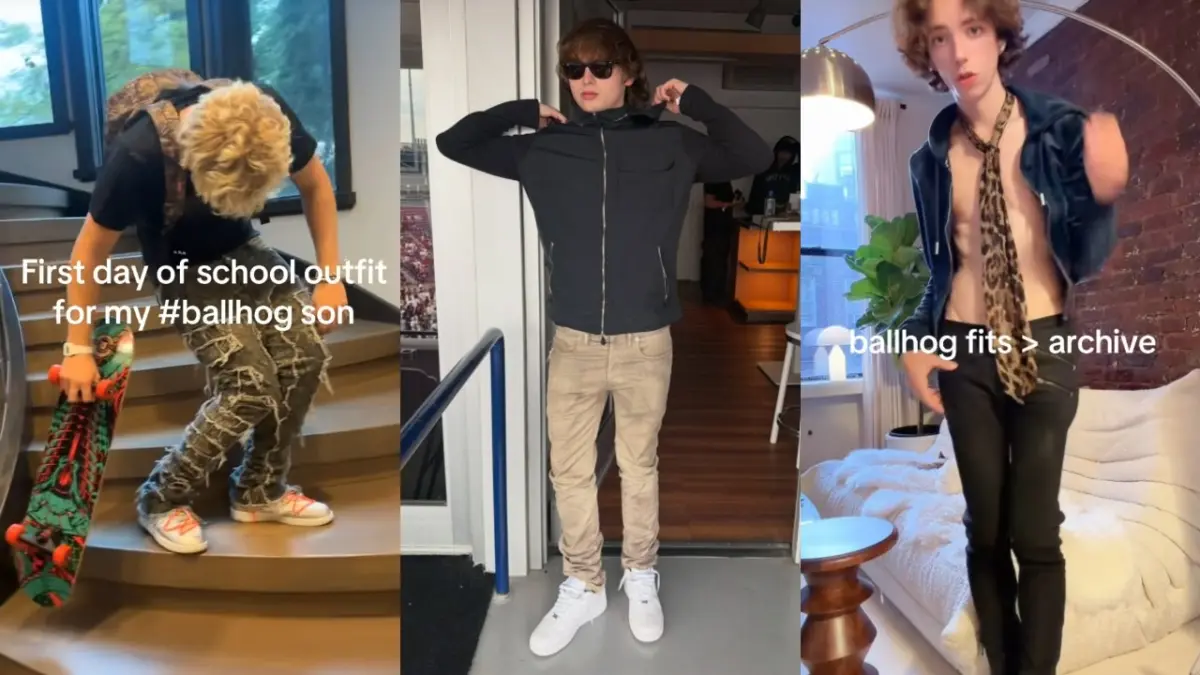
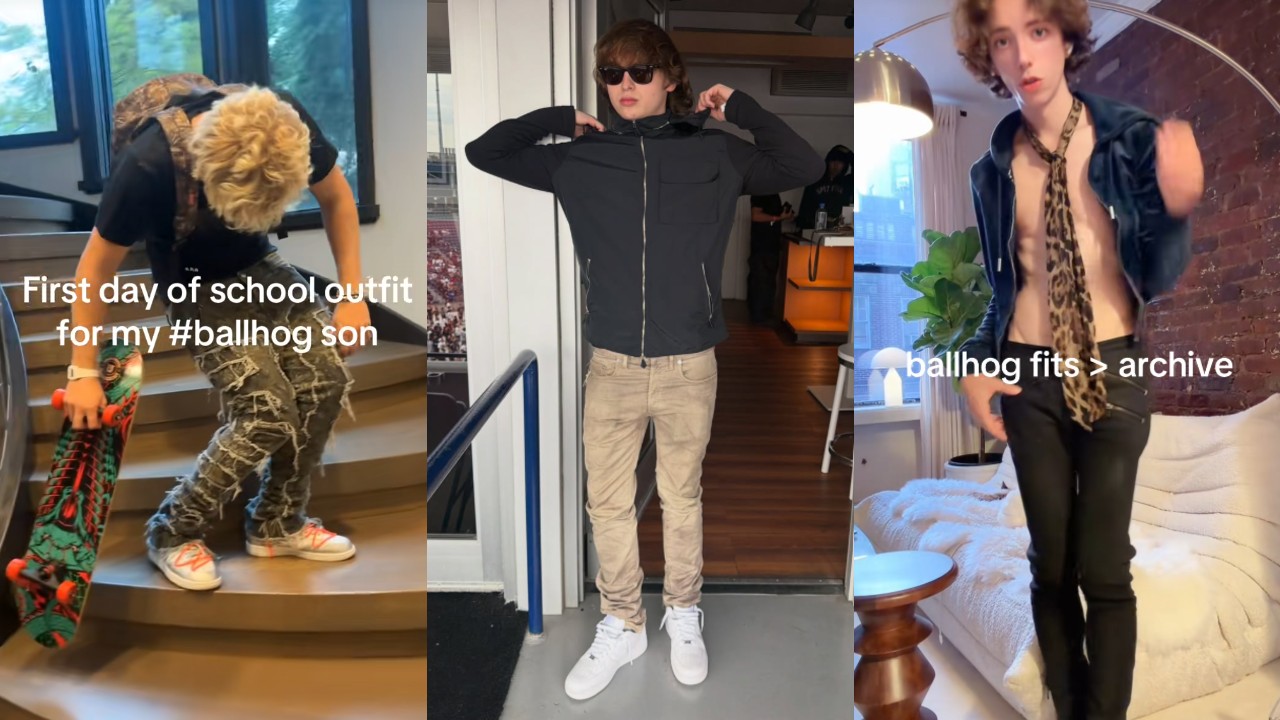
Enter "Ballhog" (alternatively styled as Ball Hog)—a burgeoning fashion aesthetic defined by the deliberate curation of expensive, rare, and vintage archival designer clothing. To the untrained eye, a ballhog fit looks decidedly average, unassuming, or even mundane. It whispers rather than shouts. However, to those fluent in the dense, niche lexicon of high-end fashion history, these outfits communicate an extraordinary level of financial investment and sartorial erudition.
Popularized largely by internet personalities, streamers, and the creative collective of the same name—including prominent figures like Brady Goodwin (known online as Bradygoo), alongside rap and streaming mainstays such as BruceDropEmOff and Protect Ricky—the ballhog aesthetic represents a seismic cultural shift. It moves away from conspicuous consumption toward an ultra-exclusive form of "if you know, you know" signaling.
By late 2026, what began as an insider joke among digital creators blossomed into a cross-platform phenomenon. It captured millions of views, inspired deep-dive analyses from legacy fashion publications like The Cut, and sparked global emulation across TikTok, YouTube, and digital art spaces. This report provides a comprehensive investigative breakdown of the origin, mechanics, cultural spread, and future outlook of the ballhog movement.
Detailed Chronology: From Niche Streamer Fits to Mainstream Phenomenon
The trajectory of the ballhog aesthetic from an isolated stylistic quirk to a widely recognized digital phenomenon is a textbook study in how modern subcultures leverage streaming culture and short-form video platforms.
Late 2025 – Early 2026: The Genesis Under the Radar
The foundation of the ballhog movement was laid quietly on Instagram, where streamer Brady Goodwin (Bradygoo) began showcasing his daily outfits. Operating as part of the Ball Hog collective—a loose affiliation of online creators, internet personalities, and musicians—Goodwin steered clear of the trending streetwear tropes of the early 2020s.
Instead of heavy graphic hoodies, loud collaboration sneakers, or overt designer branding, Goodwin’s wardrobe relied heavily on subtle, deeply technical, and rare archival pieces. Drawing from vintage runway collections, obscure European houses, and lesser-known tailoring eras of legendary designers (such as Hedi Slimane’s tenure at Dior Homme and Saint Laurent, or avant-garde Japanese mainline pieces), these garments were intentionally chosen because they lacked mainstream legibility. To an ordinary observer on the street, Goodwin might look like he was wearing a simple thrift-store jacket and basic trousers. To a seasoned archivist, the cut, drape, and fabric composition signaled thousands of dollars in rare heritage fashion.
Mid-2026: The Tipping Point and Cross-Platform Spread
By the summer of 2026, the aesthetic transitioned from Goodwin’s personal Instagram grid into the wider currents of TikTok and YouTube. Creators began attempting to decode, replicate, and satirize the look, establishing "ballhog" as a formal subgenre of archive fashion content.
- July 19th, 2026: TikToker
@bobbyliefuploaded a short-form video showcasing a quintessential ballhog ensemble, playfully captioning it, "someone lend me a nike tech pls"—a humorous juxtaposition against the hyper-mainstream, ubiquitous Nike Tech Fleece uniform worn by everyday youth. The video struck a chord with fashion-literate audiences, rapidly accumulating over 330,000 views within three months and flooding the comments section with debates over vintage tailoring and designer archive codes. - August 23rd, 2026: Eager to engage with the growing meta-narrative surrounding his personal style, Brady Goodwin published a YouTube video reacting to Japanese content creators who had begun analyzing and reviewing ballhog fashion. The cross-cultural feedback loop generated over 62,000 views in two months, proving that the aesthetic possessed international appeal, particularly in fashion-forward hubs like Tokyo where avant-garde archival dressing has long held a dedicated following.
- October 9th, 2026: The movement achieved formal mainstream media validation when The Cut published an extensive feature titled "The New TikTok Aesthetic Is ‘Ball Hog.’" The article brought critical industry attention to the phenomenon, dissecting the psychological appeal of wearing clothes that deliberately reject modern algorithmic attention-seeking.
- October 12th, 2026: Demonstrating the memeification and digital mutation characteristic of 2026 internet culture, TikTok user
@lost2muchblooddposted a surreal 3D-animated video of a character dancing in a meticulously detailed ballhog outfit. Backed by trending audio, the video exploded across the platform, garnering over 3.3 million views in a single week and cementing ballhog as a dominant meme format.
Supporting Context & Metrics: Analyzing the Appeal
To understand why the ballhog aesthetic resonates so deeply in 2026, one must examine the broader socioeconomic and psychological fatigue surrounding internet fashion.
The Fatigue of Conspicuous Consumption
For over a decade, digital fashion culture was dominated by hyper-visible branding. Logomania, continuous hype drops, and limited-edition sneaker collaborations ruled supreme. Platforms like Instagram and TikTok rewarded the wearer who could display the most recognizable, high-ticket items in a single frame.
However, as luxury goods became increasingly accessible through secondary markets, replicas, and fast-fashion micro-trends copying high-end logos, the value of overt branding plummeted. Conspicuous consumption lost its exclusivity.
The ballhog aesthetic serves as a direct counter-reaction to this fatigue. By wearing clothes that look entirely average—sometimes verging on the mundane or dated—ballhogs subvert traditional status symbols. True luxury, the movement argues, is no longer about proving your wealth to the masses; it is about wearing garments so obscure, rare, and context-dependent that only an elite circle of peers can decode their value.
Quantitative Engagement Metrics
While precise search volume indices for "ballhog fashion" surged during the late-summer and autumn peaks of 2026, the true footprint of the trend is best measured through community engagement:
- TikTok Virality: Hashtags associated with the trend (#ballhog, #archivefashion, #hedislimane) accumulated hundreds of millions of cumulative views. Videos demonstrating "how to build a ballhog fit" routinely outperformed traditional streetwear transformation videos, signaling a shift in audience interest toward historical fashion education and fabric literacy.
- Creator-Driven Economy: The core collective behind the trend—led by Goodwin, BruceDropEmOff, and their peers—demonstrated that streaming personalities hold immense sway over modern high-fashion pipelines, bypassing traditional fashion houses and PR agencies entirely.
Official Statements and Industry Reception
The rise of ballhog fashion has forced traditional gatekeepers, fashion critics, and independent designers to reevaluate how youth culture interacts with luxury heritage.
In its October 2026 feature, The Cut highlighted how the aesthetic bridges a fascinating gap between hyper-online streaming culture and old-school fashion archiving:
"What makes ‘Ball Hog’ fascinating isn’t just the price tag or the obscurity of the labels; it’s the supreme irony. These creators are operating at the intersection of high-snobbery fashion history and chaotic internet culture, turning shopping into an esoteric sport where the ultimate flex is looking like you got dressed in the dark using clothes from a suburban clearance rack."
Independent vintage dealers and archive curators have similarly reported a surge in interest from younger buyers seeking out specific era pieces—particularly obscure denim cuts, weathered leather jackets, and deconstructed knitwear from late-90s and 2000s European runways. Rather than chasing the latest seasonal drop from major luxury conglomerates, a new generation of consumers is actively scouring secondary markets for pieces that carry historical weight rather than marketing hype.
Future Outlook: Where is the Ballhog Aesthetic Headed?
As we look beyond the initial wave of virality, the longevity of the ballhog movement depends on its ability to evolve without losing its core identity.
- The Paradox of Mainstream Adoption: The greatest threat to any esoteric subculture is its own success. As algorithms push "ballhog transformation guides" to millions of users, the risk of dilution is high. When an aesthetic becomes a viral checklist, the subtle art of true archival curation can easily devolve into performative spending.
- The Evolution of Archive Pricing: The sudden spotlight on specific archival eras—particularly early-2000s indie sleaze, slim-cut tailoring, and obscure Japanese runner labels—has already driven up secondary market prices for vintage pieces. As supply diminishes, future ballhogs may need to dig even deeper into fashion history to maintain their competitive edge.
- Influence on Commercial Design: Major luxury houses are already taking note. Expect upcoming runway collections to lean further into "deliberate ordinariness"—garments constructed with master-level craftsmanship and exquisite materials designed to intentionally mimic thrifted, worn-in, or unassuming everyday basics.
Ultimately, the ballhog movement has permanently altered the grammar of digital style. It has proven that in an age of infinite digital noise, the loudest statement a fashion enthusiast can make is absolute, calculated silence.