Executive Overview
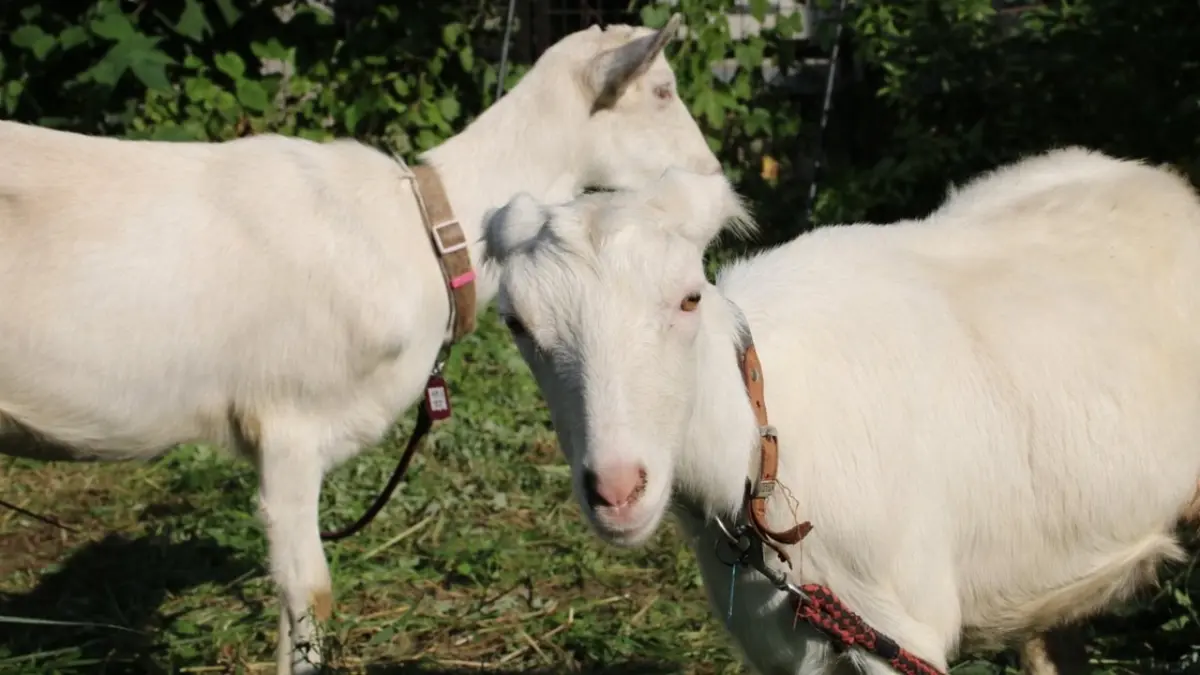
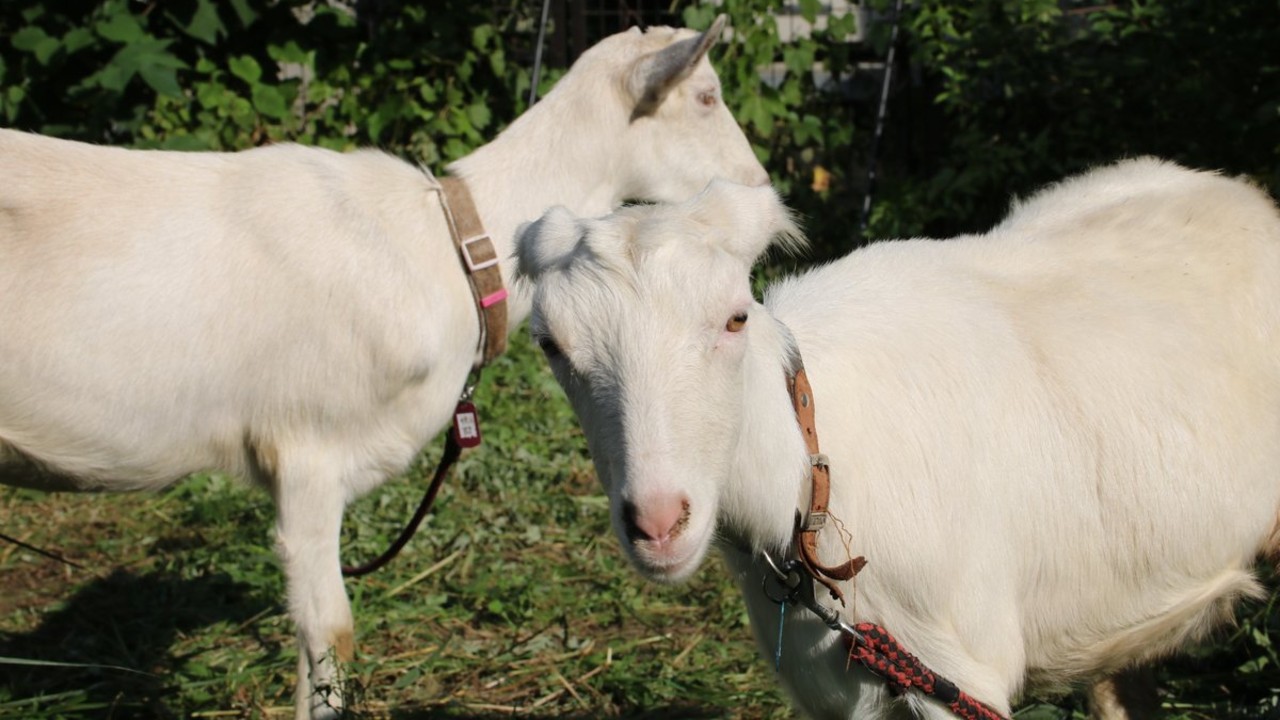
In an era dominated by high-tech automation, artificial intelligence algorithms, and heavy mechanized landscaping machinery, Japan Rail (JR)—the country’s premier and largest railway network—has opted for an unexpectedly low-tech, highly organic solution to a perennial urban maintenance problem. Meet Nagi and Pokke, two unassuming domestic goats deployed by the railway conglomerate to tackle an overgrown, weed-choked lot situated near a bustling commuter station in Yotsuya, an upscale and densely populated neighborhood within Shinjuku, Tokyo.
What began as a routine, localized vegetation-management initiative quickly blossomed into a cross-platform cultural phenomenon in late October 2026. Captured on camera and broadcast across social media, the duo’s tireless dedication to lawn maintenance transformed them from simple working farm animals into viral internet celebrities and unofficial neighborhood mascots. As images and videos of Nagi and Pokke grazing beside the tracks circulated on X (formerly Twitter), Instagram, and other viral aggregators, they sparked widespread amusement, memetic celebration, and earnest discussions regarding sustainable urban planning, eco-friendly infrastructure maintenance, and the therapeutic value of animal-human coexistence in hyper-modern metropolises.
This comprehensive investigative report examines the origins of the Nagi and Pokke phenomenon, traces the trajectory of their digital spread across international social media networks, analyzes the public and corporate reception of Japan Rail’s unique hiring strategy, and contextualizes the broader cultural implications of eco-grazing in the 21st century.
Detailed Chronology: From Railway Maintenance to Global Viral Sensation
The journey of Nagi and Pokke from obscure working animals to international digital icons unfolded rapidly over the course of a single week in October 2026. The timeline below charts the key milestones of their ascent to internet fame.
October 20, 2026: The Quiet Deployment in Yotsuya
The initiative commenced quietly in the heart of Tokyo’s Shinjuku ward. Japan Rail, facing the ongoing challenge of maintaining an overgrown, fenced-off lot adjacent to a commuter railway station in Yotsuya, decided to enlist a pair of professional ruminants to clear the dense vegetation. Goats have long been utilized worldwide for targeted grazing—a practice known as "eco-grazing" or "conservation grazing"—to clear invasive weeds, brush, and tall grasses without the use of chemical herbicides or noisy, fossil-fuel-guzzling lawnmowers.
On this day, local commuters and passersby noticed the arrival of two healthy goats hard at work behind the chain-link fences of the railway property. The initial local curiosity set the stage for what would happen when the digital sphere caught wind of the arrangement.
October 21, 2026: The Spark on X (Twitter)
The story crossed the threshold from local curiosity to digital phenomenon when prominent X user and content curator @fuuuukatsu published a post detailing Japan Rail’s unconventional workforce addition. Featuring initial snapshots and reporting on the deployment of Nagi and Pokke to graze down the unruly railway property foliage, the post struck an immediate chord with Japanese netizens.
The tweet highlighted the charming juxtaposition of hyper-efficient Japanese rail transit and rustic, pastoral weed control. Within just 72 hours of its initial posting, the thread rapidly accumulated over 15,000 likes, thousands of reposts, and a flurry of engagement that alerted digital trend-watchers to the burgeoning story.
October 22–23, 2026: International Amplification and Mascot Status
As the days progressed, the narrative expanded beyond Japanese domestic social media circles into the broader, English-speaking web and cross-platform ecosystems.
On October 22, X user @ren_Nevermind shared an observant and affectionate video dispatch from the Yotsuya station perimeter. The footage captured not only the goats at work but also local kindergarten children pressing against the fences, ecstatically shouting, "Goat-san! Goat-san!" (using the polite Japanese honorific -san for animals).
Accompanied by the commentary, "these aren’t just ordinary goats. they’re the official mascots of JR, japan’s largest railway company," the post quickly gained traction, securing over 120 likes within its first 24 hours and sparking a cascade of appreciative commentary from international users charmed by the wholesome scene.
By October 23, the phenomenon achieved multi-platform saturation. Major lifestyle and meme aggregation hubs—including the prominent Instagram page ghantaa—picked up the story, broadcasting the tale of Tokyo’s railway goats to a global audience. The Instagram feature amassed over 6,000 likes in under 24 hours, cementing Nagi and Pokke as bona fide cross-cultural icons.
Supporting Context & Metrics: The Anatomy of a Wholesome Trend
To understand why Nagi and Pokke captured the public imagination so completely, one must examine the metrics of their digital footprint and the psychological appeal of their deployment.
Engagement Metrics and Digital Reach
- Initial Report (@fuuuukatsu, Oct 21): Surpassed 15,000 likes within three days, demonstrating immediate resonance within the Japanese social media ecosystem.
- On-the-Ground Dispatch (@ren_Nevermind, Oct 22–23): Captured viral attention by showcasing community interaction, particularly emphasizing the children of Yotsuya adopting the goats as local figures of affection.
- Global Aggregation (Instagram, Oct 23): Expanded the audience base to millions of international scrollers, securing thousands of rapid engagements and triggering translated commentary across multiple languages.
The Psychology of "Eco-Grazing" Content
The virality of Nagi and Pokke is not an isolated incident; rather, it taps into a well-documented digital appetite for wholesome, slow-paced, and ecologically sound content. In an online landscape frequently saturated by political polarization, algorithmic outrage, and economic anxiety, stories featuring animals performing simple, honest labor offer profound psychological respite.
Furthermore, the choice of goats over machines aligns neatly with global shifts toward sustainable urban living. Japan Rail’s decision avoids the carbon emissions, noise pollution, and chemical runoff associated with industrial landscaping. For urban dwellers in concrete-heavy megacities like Tokyo, the unexpected sight of livestock thriving yards away from high-speed commuter trains provides a striking and deeply comforting visual paradox—nature reclaiming its space, quite literally, one mouthful of grass at a time.
Official Statements & Community Reception
While Japan Rail has historically maintained a polished, hyper-formal corporate communications stance regarding its transit schedules, safety records, and engineering feats, the overwhelmingly positive public response to Nagi and Pokke has highlighted a lighter, more endearing side of corporate public relations.
Community and Commuter Reactions
On-the-ground interviews and social media commentary from daily commuters utilizing the Yotsuya station reflect an immense sense of delight. Commuters noted that the presence of the goats transformed a mundane, stressful morning rush hour into a moment of joy.
- "Seeing Nagi and Pokke chew away at the weeds while waiting for my morning train completely changes the mood of the platform," noted one Tokyo-based commuter on X.
- The local reaction from children—who have taken to addressing the animals respectfully as Goat-san—demonstrates how public infrastructure projects can inadvertently foster community bonding and early childhood appreciation for animals and environmental maintenance.
The Corporate Alignment
Although corporate statements from JR corporate entities have remained understated, the railway operator has tacitly embraced the public enthusiasm. By allowing the goats to remain on-site and visible to the public, JR successfully leveraged a practical maintenance necessity into a masterclass in organic public goodwill. Industry analysts have pointed out that in an era where corporations spend millions on elaborate brand campaigns, authentic, community-focused initiatives like the hiring of Nagi and Pokke achieve superior emotional engagement at a fraction of the cost.
Future Outlook: The Legacy of Tokyo’s Railway Ruminants
As the initial wave of viral excitement settles into enduring local affection, the long-term implications of the Nagi and Pokke deployment invite compelling questions about the future of urban landscaping and corporate sustainability practices.
Will Eco-Grazing Expand Across Japan Rail?
Japan Rail manages thousands of miles of track networks, embankments, and station properties across the Japanese archipelago. While deploying herds of goats across every urban and rural junction is logistically unfeasible—primarily due to security, traffic safety, and animal husbandry requirements—the success of the Yotsuya pilot project proves that targeted eco-grazing is entirely viable within ultra-urban environments.
Industry observers speculate that JR and other private railway operators in Japan may explore similar pilot programs in suburban or semi-rural stations where overgrown vegetation poses seasonal maintenance challenges. Beyond Japan, municipal authorities and transit agencies worldwide are watching the Yotsuya experiment with keen interest, evaluating whether animal-assisted vegetation management can be adapted to their own local transit corridors.
The Immortality of Nagi and Pokke
Regardless of how long their residency by the Yotsuya tracks lasts, Nagi and Pokke have already secured their place in internet folklore. They join the illustrious pantheon of working animals who achieved accidental digital stardom—proving that sometimes, the most effective way to capture the attention of a hyper-connected, high-tech world is simply to do a good day’s work, one blade of grass at a time.