Executive Overview
In the sprawling, hyper-accelerated ecosystem of internet culture, few phenomena capture the zeitgeist of a specific historical moment quite like a viral meme. In late 2020, as much of the global population remained sequestered indoors due to ongoing pandemic restrictions, social interaction migrated en masse to digital landscapes. Enter Among Us, a seemingly unassuming social deduction party game developed by InnerSloth. Released quietly in October 2018, the game experienced a meteoric, improbable rise to cultural dominance nearly two years later, propelled by high-profile Twitch streamers and YouTube creators.
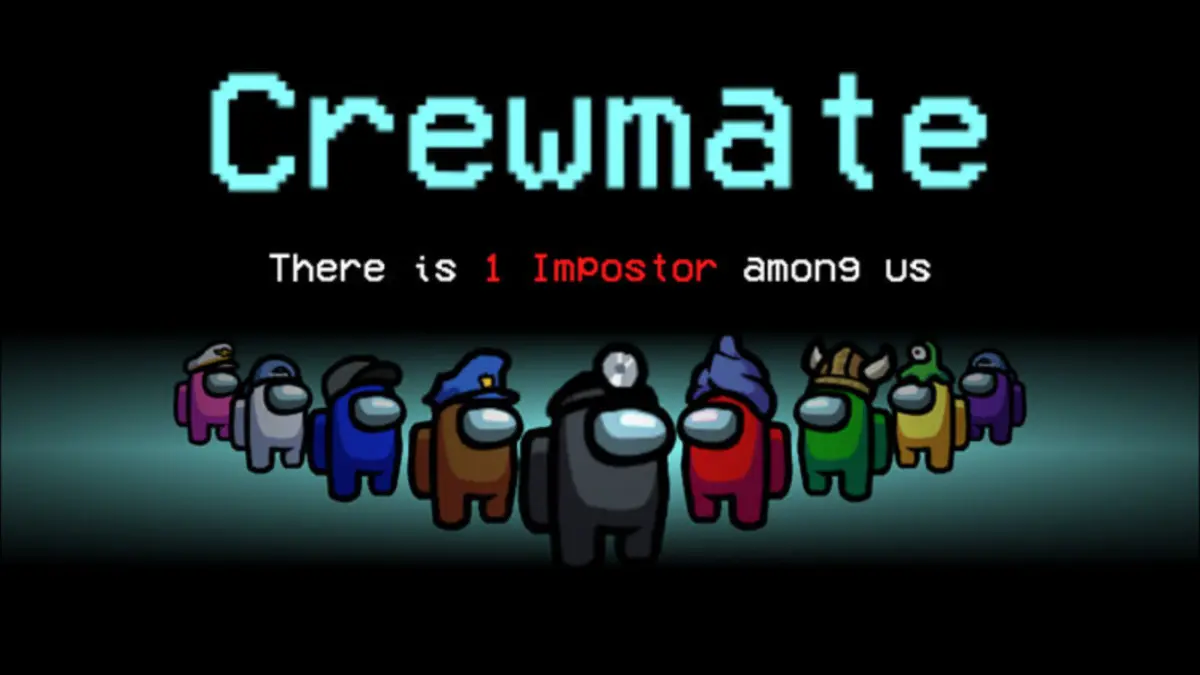
At the center of this cultural wave was a single, ubiquitous loading screen: a bold, suspense-building text prompt reading, "There Is 1 Impostor Among Us."
What began as a simple mechanics-driven transition screen quickly metastasized into a versatile snowclone and multi-panel image macro format. Across Twitter, Reddit, and Facebook, creators reimagined everything from Renaissance masterpieces to pop culture icons through the lens of covert betrayal. This report provides an exhaustive journalistic examination of the meme’s origins, its rapid ascent across digital platforms, its diverse artistic adaptations, and its lasting impact on internet vernacular and gaming culture.
Detailed Chronology: From Obscurity to Virality
October 2018: The Genesis
On October 28th, 2018, independent developer InnerSloth released Among Us, a multiplayer mobile and PC game heavily inspired by traditional social deduction parlor games like Mafia and Werewolf. Set inside a cartoonish spaceship, players are designated either as cooperative "Crewmates" tasked with completing menial maintenance duties or as murderous "Impostors" striving to sabotage the ship and eliminate the crew without being caught.
Before each match commences, the game plunges players into a moment of collective tension. The screen fades to black, displaying a stark warning message accompanied by an ominous sound cue: "There Is 1 Impostor Among Us" (or variations denoting multiple impostors). This psychological primer was designed to establish the core tension of the round, planting immediate seeds of paranoia among friends. However, little did InnerSloth know that this unassuming piece of UI design would soon become a blank canvas for global internet humor.
August – September 2020: The Streaming Boom and the Birth of the Meme
For nearly two years, Among Us hovered on the periphery of the gaming mainstream. That changed dramatically in August 2020. Propelled by prominent content creators and Twitch streamers such as xQc, Disguised Toast, Sykkuno, and a host of others, the game achieved unprecedented viral velocity by early September 2020. Server capacities strained under millions of concurrent users, and the game’s terminology instantly permeated contemporary youth culture.
As the player base exploded, so too did the meme economy surrounding the title. Users naturally gravitated toward the game’s most recognizable visual touchstones, with the "There Is 1 Impostor Among Us" screen taking center stage. The format proved exceptionally malleable: it could be paired with historical artwork, cinematic stills, pop culture crossover references, and everyday corporate imagery to highlight a hidden anomaly, a disguised participant, or a suspicious outsider.
Late August to Early September 2020: Early Viral Breakthroughs
The earliest documented viral iteration of the format emerged on August 31st, 2020. Twitter user @Roy1up_ published an image macro pairing Leonardo da Vinci’s iconic religious mural The Last Supper with the caption, "Crewmate. There Is 1 Impostor Among Us." The juxtaposition of Jesus Christ and his disciples with a social deduction video game interface struck a chord with internet users, racking up over 4,400 retweets and 23,100 likes before the original post was eventually deleted.
The joke was further amplified in the replies by prominent internet animator and YouTuber SrPelo, drawing thousands of additional interactions. Recognizing the crossover appeal, Redditor LlamaDestroyer cross-posted the concept to the r/AmongUs subreddit on September 1st, 2020. Presented as a two-panel image showing Jesus subsequently voted out with the text "Jesus was not an Impostor. 1 Impostor remains," the post amassed over 9,500 upvotes, cementing the structural template for future variations.
Mid-September 2020: Diversification and Mainstream Proliferation
Following the success of the Last Supper edit, the floodgates opened. Creators across Twitter, Facebook, and Instagram began generating localized variations targeting specific fandoms and highbrow-meets-lowbrow humor:

- Pokémon Crossovers: On September 6th, 2020, Twitter user @leroleroart published Pokémon-inspired fan art featuring a lineup of standard characters with a disguised Ditto hiding in plain sight. The post garnered massive engagement, securing over 8,700 retweets and 35,000 likes.
- Royal Satire: On September 7th, 2020, Twitter user @IAMNOTCHARON applied the format to British monarch Queen Elizabeth II, featuring a collage of her in seven brightly colored matching coat-and-hat sets, implying an undercover operative within the royal court.
- Corporate & Professional Metaphors: Other users adapted the screen to critique software suites (such as Adobe Creative Cloud applications featuring a rogue software) and workplace dynamics, transforming the snowclone into a universal corporate metaphor for untrustworthy coworkers.
Supporting Context & Metrics: The Mechanics of Viral Spread
To understand why the "There Is 1 Impostor Among Us" meme resonated so deeply, one must analyze the unique environmental and psychological factors at play during its peak.
The Psychology of Isolation and Paranoia
In 2020, global lockdowns fostered a profound sense of isolation paired with heightened social anxiety. Among Us provided a safe, gamified outlet to channel trust issues, deception, and suspicion. The loading screen served as a psychological trigger; seeing those words flashed onto a completely unrelated image instantly activated the viewer’s critical eye, compelling them to scan the visual field for anomalies. This interactive cognitive loop—searching for the odd one out—made the meme infinitely more engaging than a passive text joke.
Structural Versatility as a Snowclone
From a linguistic and structural standpoint, the meme operates as a classic snowclone. By maintaining a rigid framing device ("Crewmate. There Is 1 Impostor Among Us" or simple variations), creators could swap out the background subject with virtually any group setting—historical paintings, cartoon casts, animal groups, or inanimate objects—guaranteeing immediate comprehension from the viewer. This low barrier to entry allowed novice and expert meme-makers alike to participate in the trend.
Quantitative Engagement Overview
While platform metrics varied across individual posts, aggregate data from September 2020 highlighted substantial community investment:
- Reddit: Subreddits dedicated to gaming and memes (such as r/dankmemes, r/gaming, and r/AmongUs) saw hundreds of thread variations, with top posts consistently breaching 10,000 to 20,000 upvotes.
- Twitter: Hashtags and keyword mentions related to the loading screen spiked by over 450% during the first two weeks of September 2020, driven largely by retweets from macro-influencers and digital artists.
Official Statements & Industry Impact
While InnerSloth—a tiny studio consisting of only a handful of core developers at the time—did not issue a formal press release specifically analyzing the meme, studio representatives frequently expressed public astonishment regarding the game’s sudden resurgence.
In retrospective interviews and developer logs, InnerSloth developers noted that Among Us was originally on the brink of being abandoned following its modest 2018 launch due to lackluster initial player acquisition. The unexpected catalyst of Twitch streaming transformed their niche indie project into a global phenomenon.
Industry analysts tracking the gaming sector pointed to Among Us as a masterclass in organic, streamer-driven marketing. The game’s minimalist design proved uniquely suited for visual meme adaptation. Because the graphics were intentionally simple and iconic, players could easily replicate, draw, or edit the assets into external contexts without requiring advanced design software. Consequently, the "There Is 1 Impostor Among Us" screen acted as free, self-sustaining advertising that continuously funneled new players back into the storefronts.
Future Outlook: The Legacy of a Loading Screen
As the initial fever pitch of 2020 pandemic gaming subsided, Among Us stabilized into a durable staple of casual multiplayer gaming, expanding onto console platforms like Nintendo Switch, PlayStation, and Xbox, as well as developing virtual reality iterations.
The meme format itself has since transitioned from active daily recycling into the permanent digital archives of internet history. Yet, its structural DNA lives on. Whenever a new public scandal, corporate shakeup, or pop culture surprise occurs, internet commentators routinely fall back on the cadence of "There Is 1 Impostor Among Us" to encapsulate the collective feeling of betrayal or misplaced trust.
Ultimately, the meme transcended its humble UI origins to become a cultural touchstone of the early 2020s. It proved that in an era defined by digital screens and physical distance, humor and shared play could unite millions of people across the globe in a collective game of mutual suspicion.