Executive Overview
In the rapidly evolving landscape of consumer audio technology, legacy instrument and amplification giants are increasingly bridging the gap between professional-grade gear and lifestyle-oriented consumer electronics. Fender, a titan historically synonymous with legendary electric guitars and tube amplifiers, made a decisive splash in the high-end personal audio market earlier this year with the release of the $299 Fender MIX wireless headphones. Designed to offer uncompromising audio fidelity coupled with modular versatility, the over-ear headphones immediately turned heads with features like a replaceable battery and a proprietary low-latency wireless transmitter.
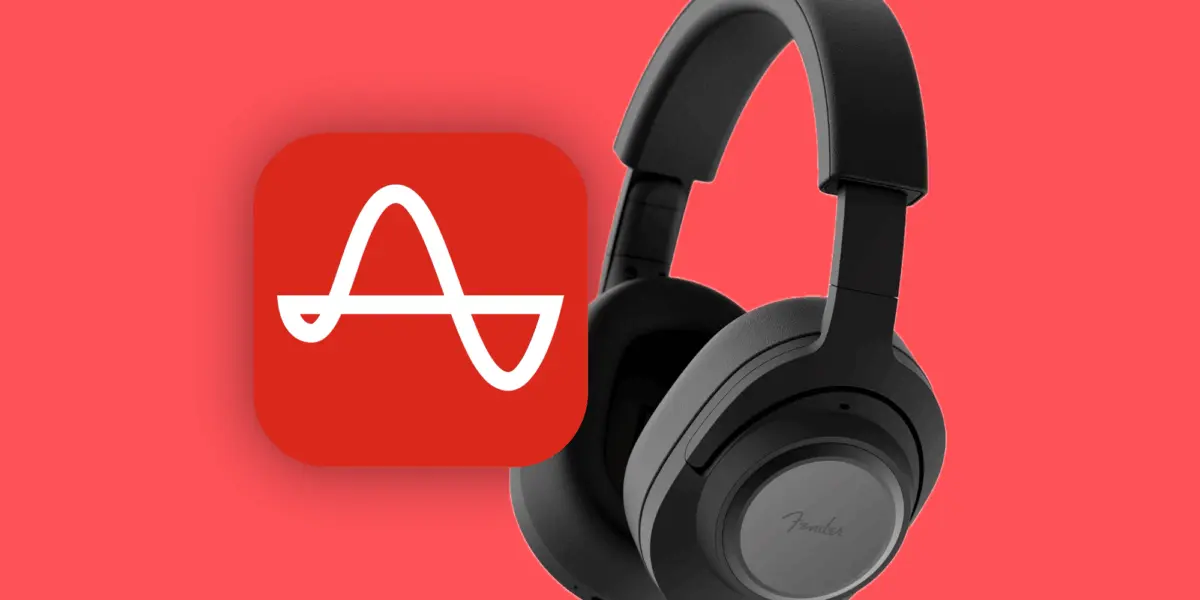
Now, Fender is significantly bolstering the utility and personalization of these flagship cans with the release of the Fender Audio app for iOS. Available now on the Apple App Store, this newly minted companion software moves the MIX headphones beyond mere hardware performance, introducing a robust suite of audio-tuning tools, a granular five-band equalizer, battery status monitoring, and native Home Screen widgets.
As audiophiles and casual listeners alike demand deeper integration between their mobile devices and listening gear, the introduction of this application transforms the Fender MIX from a high-performance specification sheet into a deeply customizable, user-centric listening ecosystem. This comprehensive report explores the architectural capabilities of the Fender MIX headphones, the specific feature set introduced by the new iOS companion app, real-world performance nuances, and what this strategic software rollout signals for Fender’s burgeoning footprint in the consumer personal audio sector.
Detailed Chronology: From Hardware Debut to Software Integration
August: The Hardware Genesis
The story of the Fender MIX began in August with an aggressive entry into the competitive $300 over-ear headphone tier. Retailing at $299, the MIX headphones were engineered from the ground up to challenge established players from brands like Sony, Bose, and Apple. Rather than relying solely on standard Bluetooth protocols, Fender equipped the MIX with the FWD Tx USB-C wireless transmitter, a hardware accessory designed to bypass the traditional bandwidth limitations and latency bottlenecks of standard consumer codecs.
Furthermore, the headphones debuted with several distinctive physical design elements rarely seen in modern consumer audio gear—most notably, a field-replaceable battery system designed to extend the usable lifecycle of the product well beyond the typical two-to-three-year degradation window of sealed-battery competitors. Integrated directly into the physical chassis was an ingenious storage mechanism: the USB-C transmitter neatly tucks away behind an ear cushion when not in use, ensuring that users on the move never lose the vital hardware component.
The Present: The Fender Audio App Arrival
While the acoustic performance and hardware engineering of the MIX won early praise, users lacked a direct, software-based mechanism to fine-tune the sound profile to individual listening tastes. That gap has officially been closed with the launch of the Fender Audio app on the App Store.
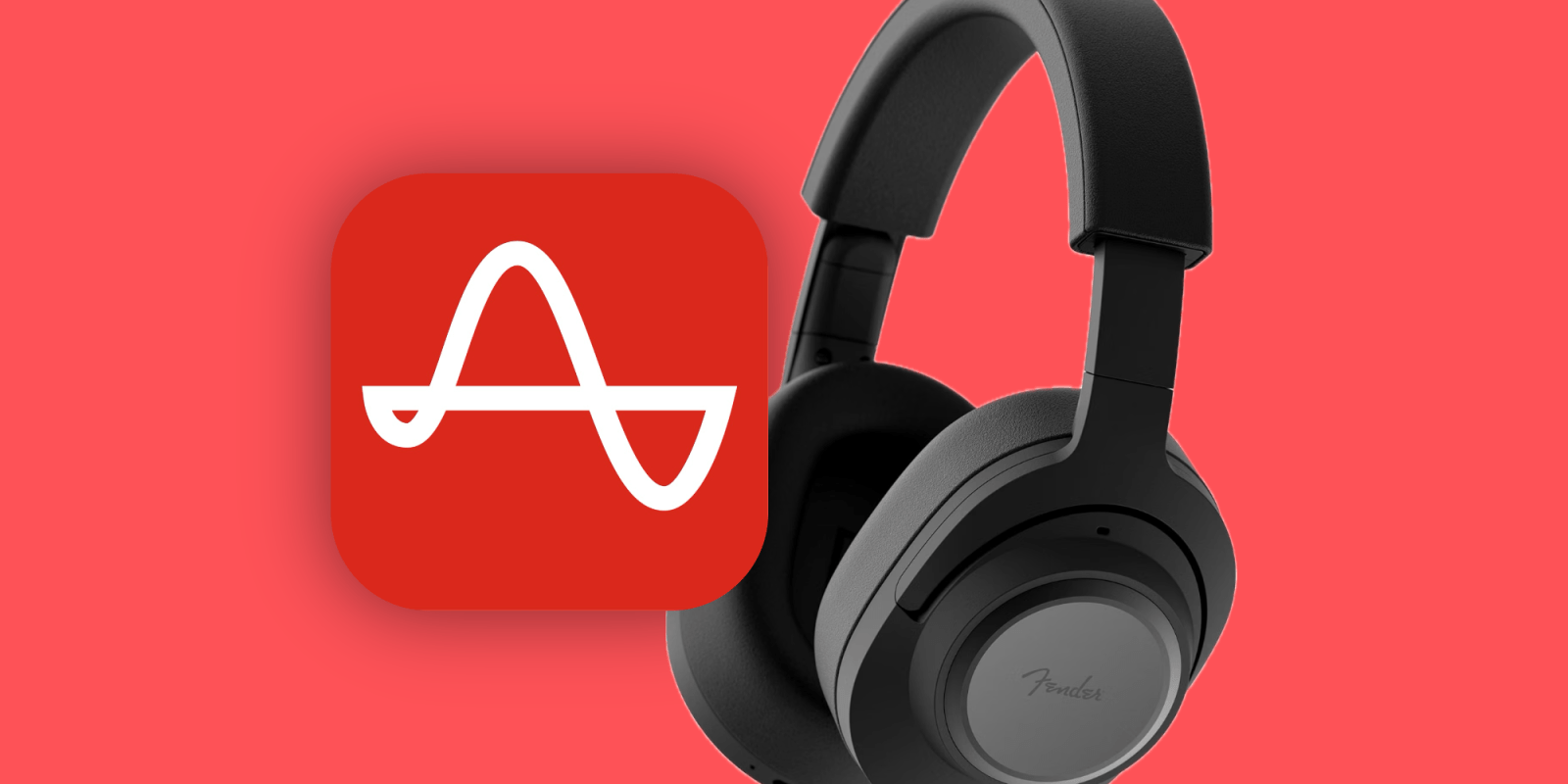
The software update arrives as a direct response to consumer demand for greater digital control over physical hardware. By bridging the iPhone with the MIX headphones, Fender has unlocked a new layer of functionality, transforming the listening experience from a static factory tuning into an adaptive, personalized soundstage. The application immediately introduces curated EQ presets alongside manual frequency manipulation, battery telemetry, and quick-launch iOS widgets, aligning the MIX with the high software standards set by premier ecosystem-native audio products.
Supporting Context & Metrics: Hardware Specs and Software Architecture
To fully appreciate the impact of the new Fender Audio app, one must examine the formidable hardware foundation it is designed to complement. The Fender MIX headphones are packed with advanced acoustic and connectivity specifications that position them at the bleeding edge of modern wireless audio engineering.
Acoustic Architecture and Transducers
At the heart of the MIX are custom-tuned 40mm graphene drivers. Graphene—a two-dimensional lattice of carbon atoms renowned for its exceptional strength-to-weight ratio and electrical conductivity—is prized in acoustic engineering for its ability to deliver ultra-fast transient response, minimal distortion, and extended high-frequency clarity. By utilizing graphene diaphragms, Fender ensures that the MIX can reproduce complex musical transients with surgical precision, whether handling the aggressive attack of a distorted electric guitar or the delicate decay of an acoustic piano.
Noise Cancellation and Ambient Modes
The headphones feature a sophisticated hybrid active noise cancellation (ANC) system, which utilizes both feed-forward and feedback microphones to suppress environmental noise across a broad frequency spectrum. According to official performance metrics, the MIX delivers up to 52 hours of continuous playback with ANC enabled. For users who do not require noise suppression—such as those listening in quiet home environments or studio settings—turning ANC off dramatically extends battery endurance to an astonishing 100 hours, placing the MIX among the longest-lasting wireless over-ear headphones on the market.
In addition to ANC, the headphones feature an Ambient Sound mode designed to pipe outside noises into the earcups for situational awareness. However, real-world testing has revealed notable nuance regarding this feature, particularly when operating over standard Bluetooth connections without the dedicated adapter.
Connectivity Paradigms: Lossless, Low-Latency, and Auracast
What truly sets the Fender MIX apart from conventional consumer headphones is its multi-tiered connectivity architecture:

- FWD Tx USB-C Transmitter: This included hardware dongle supports separate operational modes tailored to distinct use cases. It enables uncompressed, lossless audio transmission at up to 24-bit/96kHz, catering to audiophiles streaming high-resolution files from Apple Music, Tidal, or local lossless libraries.
- Ultra-Low Latency: For musicians, gamers, and video editors, the transmitter virtually eliminates audio lag, solving one of the most persistent pain points of wireless monitoring.
- Auracast Broadcasting: The system supports modern Auracast standards, allowing audio to be broadcast from a single transmitter to multiple compatible listening devices simultaneously.
- Wired Versatility: For situations where wireless interference is a concern or batteries are entirely depleted, the headphones support direct wired listening via either a digital USB-C connection or a traditional 3.5mm analog audio cable.
- Standard Bluetooth 5.3: For everyday convenience—such as pairing with a smartphone while walking down the street—Bluetooth 5.3 provides a stable, power-efficient connection when maximum fidelity specs are secondary to portability.
The Software Suite: Inside the Fender Audio App
The newly released Fender Audio app leverages this advanced hardware platform by introducing a deeply customizable software layer for iOS users:
- Custom Five-Band Equalizer: Moving beyond simple "bass boost" or "vocal" presets, the app offers dedicated, granular control over five distinct frequency bands: low, low-mid, mid, high-mid, and high frequencies. This allows users to sculpt the soundstage precisely to their liking or compensate for hearing variations.
- Factory EQ Presets: For listeners who prefer quick optimization, the app includes professionally engineered presets tailored to various musical genres and listening preferences.
- Battery Telemetry: A real-time battery indicator within the app provides precise power levels, ensuring users are never caught off guard by a depleted battery.
- Configurable Home Screen Widgets: Apple users can place interactive widgets directly onto their iPhone Home Screens, enabling instant one-tap access to critical device actions, mode switching, and favorite EQ configurations without needing to open the full application interface.
Real-World Performance and User Experience
Evaluating the Fender MIX in practical, day-to-day scenarios reveals a compelling dichotomy between its raw technical capabilities and the subjective experience of its various modes.
When utilizing the headphones with Active Noise Cancellation enabled, the acoustic performance is remarkably robust. The 40mm graphene drivers deliver a clean, articulate sound signature that handles complex mixes with poise. Bass response is tight and controlled without bleeding into the midranges, while vocals retain natural warmth and presence.
However, user evaluations of the Ambient Sound transparency mode reveal potential room for software refinement. At least when operating over standard Bluetooth without the FWD Tx adapter, engaging Ambient Sound can introduce a noticeable drop in perceived audio quality and transparency naturalness compared to industry leaders like Apple’s AirPods Max or Sony’s WH-1000XM5. This makes the introduction of the new app’s EQ controls particularly timely; users now have a direct tool to mitigate minor sonic anomalies and tailor the frequency response of both active and ambient listening modes to their personal preferences.
The physical design choices continue to win praise in daily use. The ability to stow the USB-C transmitter securely behind the ear cushion eliminates the anxiety of carrying loose dongles. Meanwhile, the choice between high-fidelity USB-C transmission and convenient Bluetooth 5.3 ensures that the headphones effortlessly transition from a stationary desktop mixing setup to a mobile commuting accessory.
Future Outlook: Fender’s Evolution in Personal Audio
The launch of the Fender Audio app for iOS is more than a routine software update; it is a strategic milestone in Fender’s ongoing evolution as a consumer electronics innovator. For decades, the company’s brand equity was forged in recording studios and on stadium stages, anchored by iconic instruments like the Stratocaster and Telecaster. In recent years, however, Fender has demonstrated an aggressive willingness to diversify into consumer-facing audio, ranging from Bluetooth home speakers to high-end in-ear monitors and now, premium over-ear headphones.

By introducing a dedicated companion application with advanced EQ customization and iOS widget support, Fender is signaling that it understands the expectations of modern tech-savvy consumers. The modern audio buyer does not just purchase hardware; they invest in an ecosystem that improves, adapts, and personalizes over time through software iterations.
Looking ahead, the modular nature of the MIX headphones—highlighted by their replaceable battery system—combined with the software expandability of the Fender Audio app, suggests a product roadmap focused on longevity and user empowerment. As competitors push heavily into planned obsolescence through sealed, disposable hardware, Fender’s approach offers a refreshing alternative that honors both environmental sustainability and user repairability.
With the Fender Audio app now live on the App Store, users have the ultimate key to unlocking the full potential of the MIX platform. Whether used for critical listening via the 24-bit/96kHz USB-C transmitter or casual streaming over Bluetooth 5.3, the combination of advanced acoustic hardware and granular digital tuning cements the Fender MIX as a formidable contender in the premium personal audio market.