Executive Overview
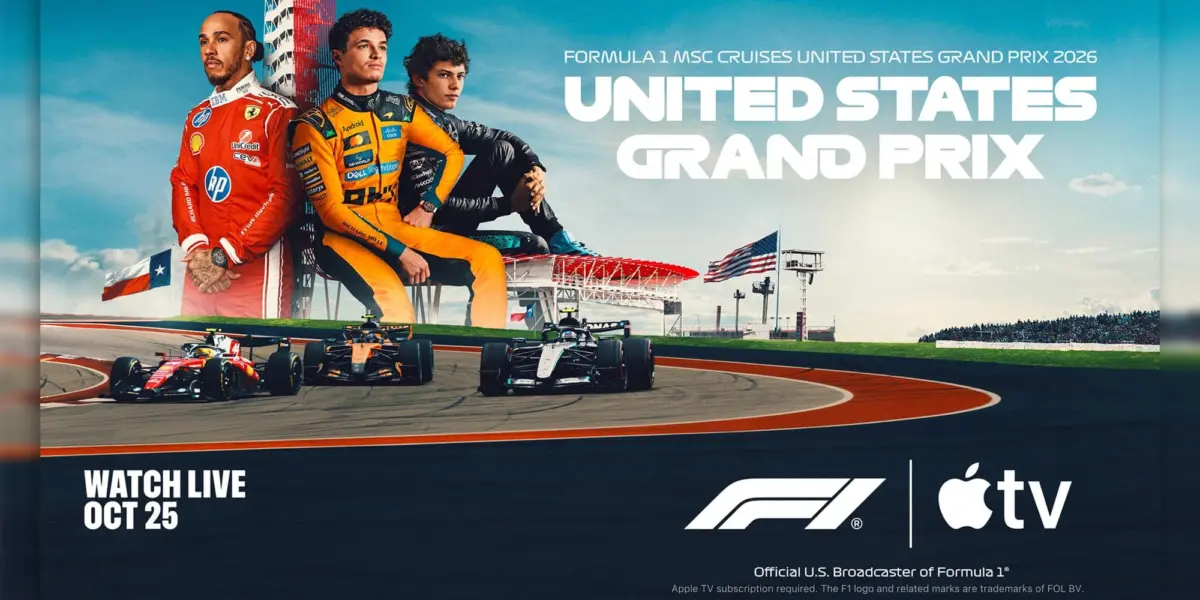
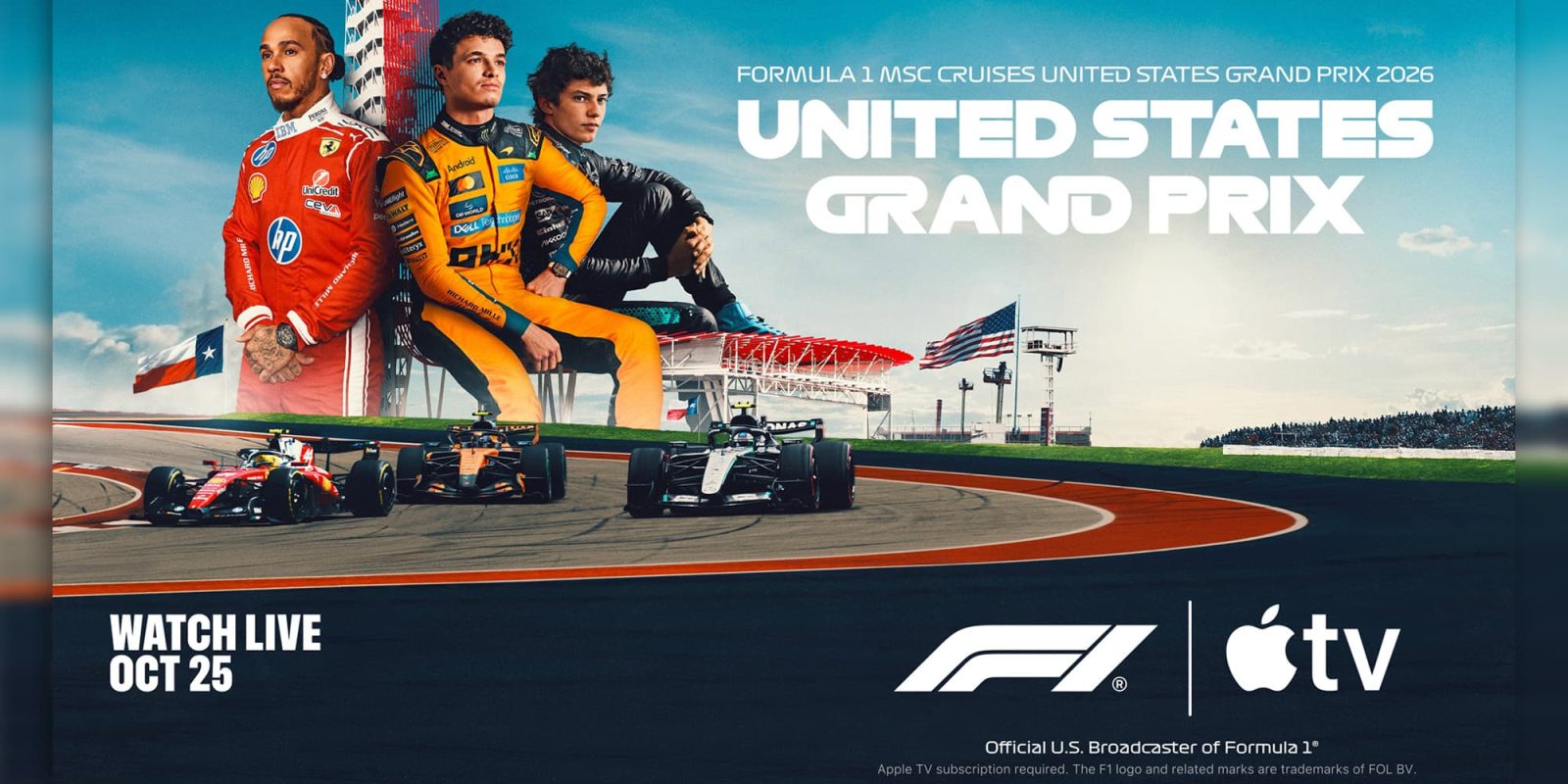
The intersection of elite motorsport and cutting-edge home entertainment has reached a monumental milestone. Apple TV subscribers across the United States can now experience Formula 1 live broadcasts enhanced with spatial audio in Dolby Atmos, a groundbreaking feature that officially debuts during this weekend’s high-stakes United States Grand Prix at the Circuit of The Americas (COTA) in Austin, Texas.
First announced earlier this month by Apple and Dolby Laboratories, this technological leap fundamentally redefines how motorsports are consumed remotely. By pairing pristine Dolby Vision video—renowned for its rich, dynamic color profiles and lifelike clarity—with multidimensional Dolby Atmos soundscapes, broadcasters are effectively dismantling the invisible barrier between the television screen and the racetrack. Viewers are no longer mere spectators; they are acoustically and visually thrust directly into the heart of the pit lane, side-by-side with engineers, mechanics, and drivers hurtling down the asphalt at over 200 miles per hour.
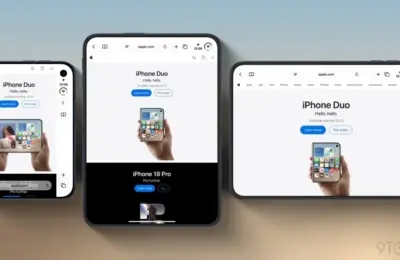
This feature rollout is far more than a routine software update or a simple broadcasting gimmick. It represents a calculated convergence of Apple’s expanding hardware, software, and services ecosystem. From the newly minted iPhone Duo launch drawing massive crowds to local Apple Stores, to the recent rollout of Apple Maps’ Detailed City Experience for Austin, the tech giant is transforming an ordinary racing weekend into an integrated, immersive brand experience. For motorsport enthusiasts, audiophiles, and Apple loyalists alike, the race weekend in Austin marks the dawn of a thrilling new era in live sports broadcasting.
Detailed Chronology of the Race Weekend and Broadcast Integration
The rollout of Dolby Atmos support for Formula 1 has been meticulously timed to coincide with one of the most popular and vibrant stops on the global racing calendar: the United States Grand Prix in Austin, Texas. While planning and infrastructure enhancements have been quietly underway for months, the public timeline of this immersive rollout unfolded through a series of key milestones.
The Buildup and Announcement
Earlier this month, a joint press release from Apple and Dolby Laboratories electrified the sports and tech communities by confirming that Formula 1 coverage on Apple TV would officially integrate Dolby Atmos support. The target date for this grand debut was set for the commencement of the United States Grand Prix weekend, kicking off officially on October 23. This collaboration leverages advanced audio-mixing techniques to isolate and project specific acoustic elements of a racing car—such as high-revving internal combustion engines, gear shifts, tire screeches, and frantic team radio communications—into a three-dimensional spatial soundstage.
Practice, Qualifying, and Race Schedule
Although the opening practice session wrapped up earlier today, the racing schedule leaves ample opportunity for subscribers to experience the new spatial audio capabilities in real-time across the remainder of the weekend. Fans tuning into Apple TV can catch remaining practice rounds, high-intensity qualifying sessions, and Sunday’s headline Grand Prix.
While specific local track times vary depending on regional scheduling adjustments, the core broadcast timeline for the weekend follows the standard structural cadence of modern Formula 1 events:
- Friday: Initial Free Practice sessions setting up early car configurations.
- Saturday: Final Practice followed by the crucial Qualifying sessions that determine the starting grid.
- Sunday: The main event—the United States Grand Prix—where the integration of Dolby Vision and Dolby Atmos reaches its absolute crescendo.
The Austin Fan Experience and Retail Synergy
To celebrate the arrival of Formula 1 in Dolby Atmos, Apple has orchestrated a series of localized events that bridge its physical retail footprint with the live sporting spectacle. Most notably, Apple is hosting an exclusive live screening of Sunday’s Grand Prix at its prominent Domain NORTHSIDE retail store in Austin, Texas.
This high-profile community event arrives hot on the heels of major corporate activity at the store. Earlier today, Apple CEO John Ternus and retail chief Deirdre O’Brien made a surprise appearance at the Domain NORTHSIDE location to oversee the bustling launch day lines and evaluate walk-in availability for the newly released iPhone Duo. The juxtaposition of a major hardware launch alongside a premier global sporting event underscores Austin’s temporary status as the epicenter of the consumer technology world.
Supporting Context, Ecosystem Metrics, and Navigation Enhancements
The launch of Formula 1 in Dolby Atmos on Apple TV does not exist in a vacuum; it is deeply embedded within a broader strategy to enhance spatial awareness, local navigation, and entertainment value across Apple’s entire product portfolio.
Navigating Austin with Apple Maps
Recognizing that hundreds of thousands of fans descend upon Austin for the Grand Prix weekend, Apple recently expanded its Detailed City Experience within Apple Maps specifically for the Texas capital. Beyond standard street navigation, the updated mapping software introduces hyper-detailed, three-dimensional renderings of the Circuit of The Americas.
For attendees navigating the sprawling 1,500-acre facility, the updated maps provide critical logistical information:
- Precise grandstand locations and seating blocks.
- Clearly marked turn numbers (allowing fans to easily identify legendary corners like the steep incline of Turn 1).
- 3D landmarks and pathways designed to streamline foot traffic and reduce congestion.
- Concession stands, merchandise booths, and emergency service stations mapped with pinpoint accuracy.
This localized cartographic upgrade ensures that whether a fan is experiencing the race live on the grounds of COTA or streaming it remotely from a home theater setup in Dolby Atmos, Apple’s ecosystem provides an unmatched level of contextual depth.
Apple TV Pricing and Content Ecosystem
For viewers wishing to access Formula 1 broadcasts and the wide array of companion content, Apple TV remains accessible as a standalone subscription service or as part of a broader digital value proposition.
- Standalone Pricing: Apple TV is available for $14.99 per month.
- Bundle Integration: The service is also fully integrated into the Apple One subscription bundle, combining cloud storage, music, gaming, and video streaming into a single monthly fee.
Beyond live sports and special broadcasts, Apple TV continues to anchor its reputation on critically acclaimed, award-winning original television series and feature films. Subscribers diving into the platform for the weekend can explore an extensive catalog of hit shows, including:
- Ted Lasso
- Severance
- The Studio
- The Morning Show
- Shrinking
- Silo
Official Statements and Technical Perspectives
The integration of spatial audio into high-speed motorsport broadcasting represents a monumental engineering challenge. Capturing the raw, visceral noise of a Formula 1 car—where engines surpass 15,000 RPM and generate deafening decibel levels—requires sophisticated microphone placement and real-time audio routing.

In an official statement detailing what fans can expect from the historic broadcast, Apple emphasized the transformative nature of the technology:
"Dolby Atmos surrounds fans with the sounds of race weekend, from team radio and commentary to roaring engines, on-track battles, and pit-lane intensity. Paired with Dolby Vision’s rich colors and lifelike clarity, the combination delivers exceptional sound and spectacular visuals that put fans at the heart of the action."
By separating individual audio stems—placing the race announcer cleanly in the front-center channel, routing ambient crowd noise to the rear surround speakers, and panning the shrieking V6 hybrid turbo engines dynamically across the soundstage as cars streak past the camera—audio engineers have created an auditory illusion of physical presence. When combined with the high dynamic range and vibrant color grading of Dolby Vision, viewers utilizing compatible soundbars, home theater receivers, or spatial audio headphones (such as AirPods Max with head tracking enabled) receive a sensory experience that rivals, and in some ways surpasses, sitting in the grandstands.
Future Outlook: The Evolution of Immersive Sports Broadcasting
The successful deployment of Dolby Atmos for Formula 1 broadcasts on Apple TV marks a watershed moment for the future of live sports entertainment. For decades, home viewers have been passive observers constrained by traditional stereo or basic 5.1 surround sound mixes. The transition to fully object-based spatial audio signals a permanent shift in consumer expectations.
As bandwidth capabilities expand, hardware processing power increases, and consumer adoption of spatial audio systems grows, live sports leagues will inevitably feel compelled to meet these new standards. Formula 1, with its high-speed dynamics, global audience, and technologically progressive posture, serves as the ideal proving ground for this medium.
Looking ahead, industry analysts anticipate that this partnership between Apple, Dolby Laboratories, and motorsport organizers will pave the way for broader immersive broadcasting initiatives. We may soon see similar spatial audio treatments applied to other premier sporting events, alongside interactive camera angles, real-time telemetry overlays integrated directly into the video stream, and augmented reality (AR) viewing modes powered by spatial computing hardware like Apple Vision Pro.
For now, however, the immediate focus remains fixed on the roaring engines and scorching asphalt of Austin, Texas. As the red lights go out this Sunday, fans watching via Apple TV will not merely see the United States Grand Prix—they will feel every gear shift, hear every whispered command over the team radio, and experience the thunderous roar of modern motorsport history as it unfolds in breathtaking Dolby Atmos.