Executive Overview
The evolution of smartphone charging technology has transitioned from a matter of overnight convenience to a critical performance metric for modern consumers. As mobile devices assume more demanding computational tasks, high-refresh-rate displays, and continuous connectivity requirements, the ability to rapidly replenish a depleted battery is no longer a luxury—it is an operational necessity.
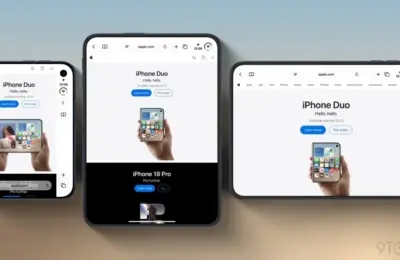
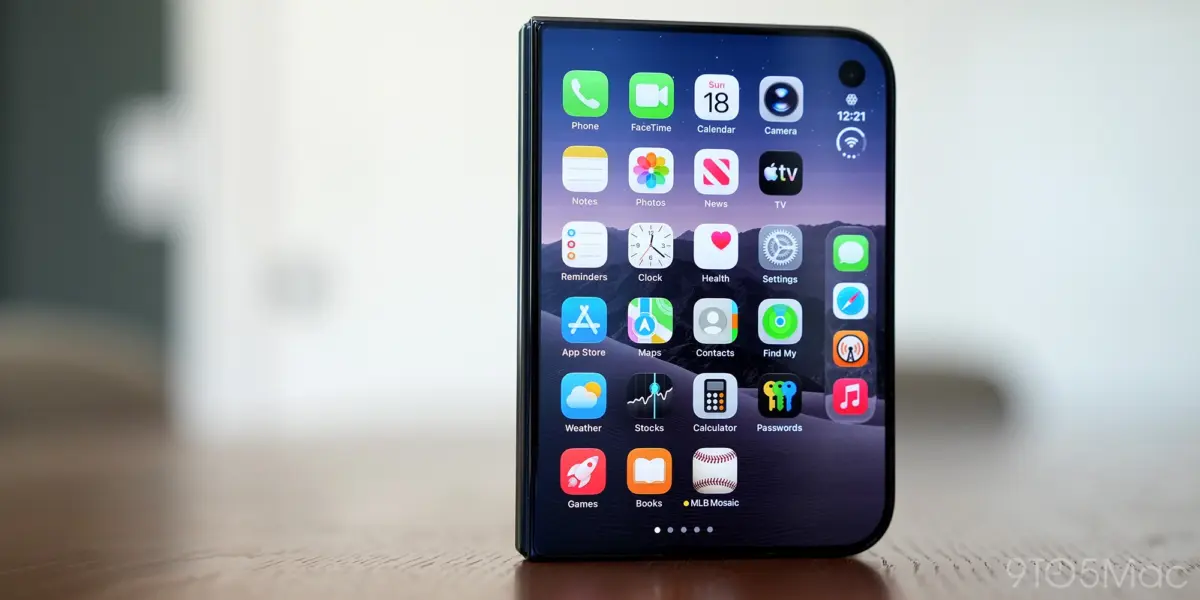
In the wake of Apple’s latest hardware release, the iPhone Duo, mobile technology enthusiasts and everyday users alike are turning their attention to the device’s power delivery capabilities. Apple’s official documentation confirms that the iPhone Duo is engineered to support exceptionally fast charging across both wired and wireless modalities. Specifically, the device is capable of reaching a 50 percent charge in just 20 minutes using a wired connection, and the same milestone in approximately 30 minutes via wireless setups.
However, achieving these headline-grabbing metrics is not as simple as plugging the device into any available power source. Modern power delivery ecosystems rely on a precise handshake between the power adapter, the charging cable, and the device’s internal power management architecture. Without the correct accessories, users will inevitably experience throttled charging speeds, leaving the phone’s full potential untapped.
This comprehensive report dives deep into the official requirements for fast charging the iPhone Duo, analyzes the underlying hardware specifications, evaluates first-party versus third-party accessory ecosystems, and provides strategic recommendations to optimize your daily charging routine.
Detailed Chronology: The Evolution of Apple’s Charging Standards
To fully understand the charging capabilities of the iPhone Duo, it is essential to contextualize how Apple’s power delivery standards have evolved over the past decade.
For many years, the standard iPhone experience was synonymous with the humble 5W USB-A power adapter. While adequate for the smaller batteries of older generations, this legacy charger became a significant bottleneck as iPhone batteries grew in capacity and feature sets expanded.
- The 18W and 20W Transition: The turning point for wired fast charging began with the iPhone 11 Pro series, which bundled an 18W USB-C power adapter. By the time the iPhone 12 debuted, Apple had transitioned entirely to USB-C-to-Lightning (and eventually USB-C-to-USB-C) cables while simultaneously removing the power brick from the retail box under environmental pretexts. This era established the standard 20W USB-C adapter as the baseline for achieving a 50 percent charge in roughly 30 minutes.
- The Rise of MagSafe and Wireless Speeds: Simultaneously, Apple pursued wireless charging paradigms. Starting with the iPhone 8, wireless charging was capped at a modest 7.5W using standard Qi chargers. The introduction of MagSafe with the iPhone 12 doubled this to 15W, providing magnetically aligned wireless power. Subsequent generations have continuously refined these wireless efficiencies, lowering thermal throttling and improving energy transfer rates.
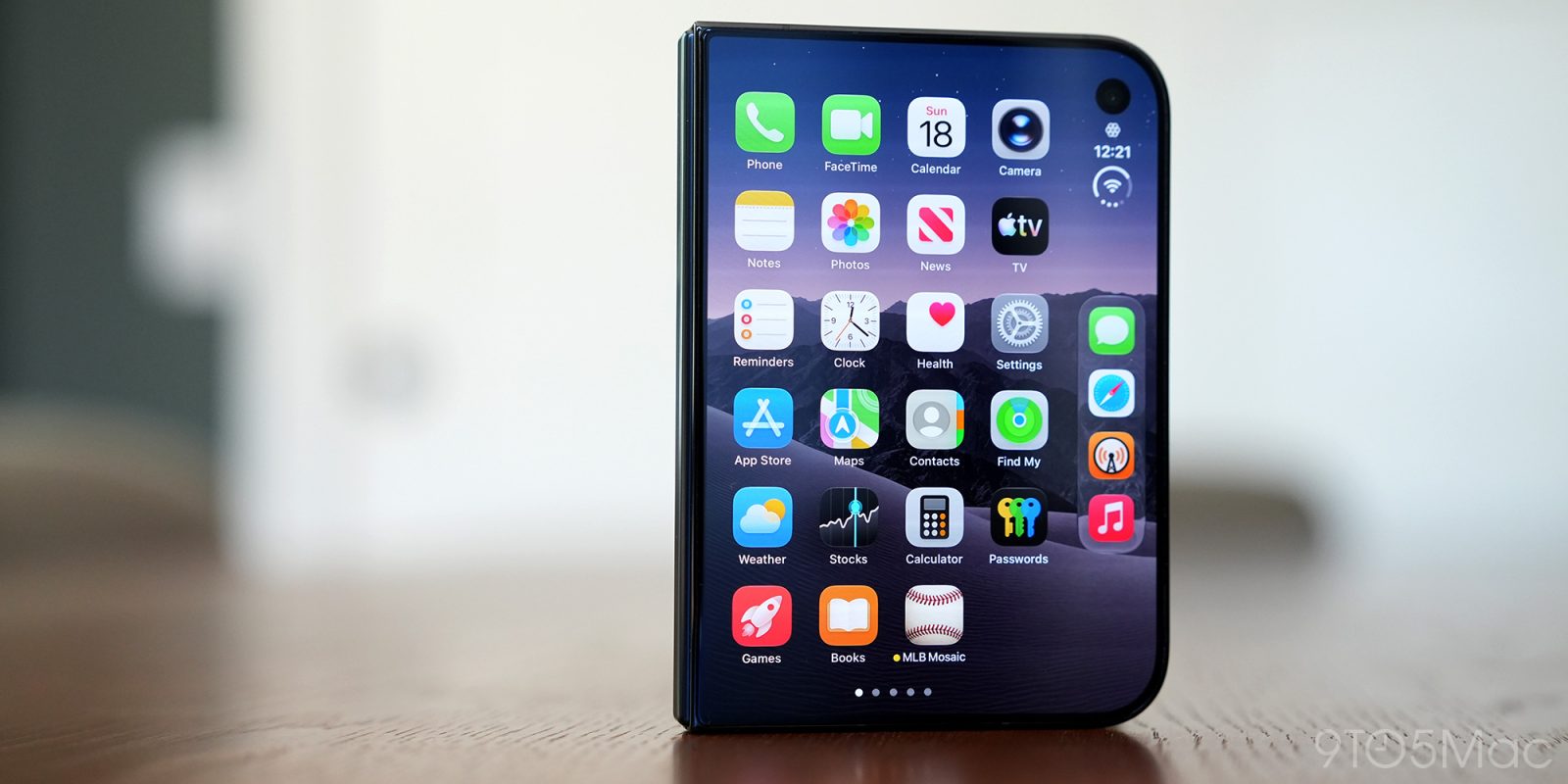
- The iPhone Duo Era: The release of the iPhone Duo marks a dramatic leap forward. By optimizing internal thermal management, upgrading battery chemistry tolerances, and adopting advanced power management integrated circuits (ICs), Apple has slashed wired charging times down to an impressive 20 minutes for a 50 percent capacity boost. This generational jump requires a parallel evolution in power adapter technology—ushering in the era of higher-wattage, dynamically adjusting bricks like the Apple 40W Dynamic Power Adapter.
Supporting Context & Metrics: Breaking Down the Numbers
Achieving rapid energy transfer requires an intricate balance of voltage, amperage, and thermal regulation. Understanding the metrics behind the iPhone Duo’s charging claims helps clarify why specific hardware combinations are mandatory.
Wired Charging Performance Metrics
- Target Milestone: 0% to 50% battery capacity.
- Time Required: Approximately 20 minutes.
- Required Hardware: Compatible USB-C cable (packaged with the device) paired with an approved high-output power adapter.
- Under the Hood: Modern fast charging relies on USB Power Delivery (USB-PD) protocols. Unlike legacy chargers that deliver a static stream of electricity, USB-PD allows the iPhone Duo to negotiate optimal voltage steps with the power brick. During the initial phase of a charge (0% to 50%), the device draws maximum amperage safely, tapering off as the battery approaches capacity to preserve long-term battery health.
Wireless Charging Performance Metrics
- Target Milestone: 0% to 50% battery capacity.
- Time Required: Approximately 30 minutes.
- Required Hardware: Certified high-output wireless charging puck or MagSafe-compatible stand coupled with a high-wattage wall adapter.
- Under the Hood: Wireless power transfer inherently suffers from energy loss due to electromagnetic conversion and physical distance between the coils. To achieve a 50% charge in 30 minutes wirelessly, the charging pad must deliver significantly more raw power than the phone ultimately absorbs, necessitating robust cooling mechanisms and alignment precision.
Official Guidelines and Accessory Requirements
According to Apple’s official support documentation, unlocking the peak performance of the iPhone Duo requires strict adherence to approved hardware specifications. Utilizing legacy adapters or uncertified cables will result in fallback charging speeds, neutralizing the primary advantage of the device’s upgraded power subsystem.
Wired Fast Charging Setup
To achieve the benchmark 20-minute 50% charge via cable, users must utilize:
- The bundled USB-C cable: The cable included directly in the iPhone Duo retail box is engineered to handle high current loads safely without excessive resistance or voltage drop.
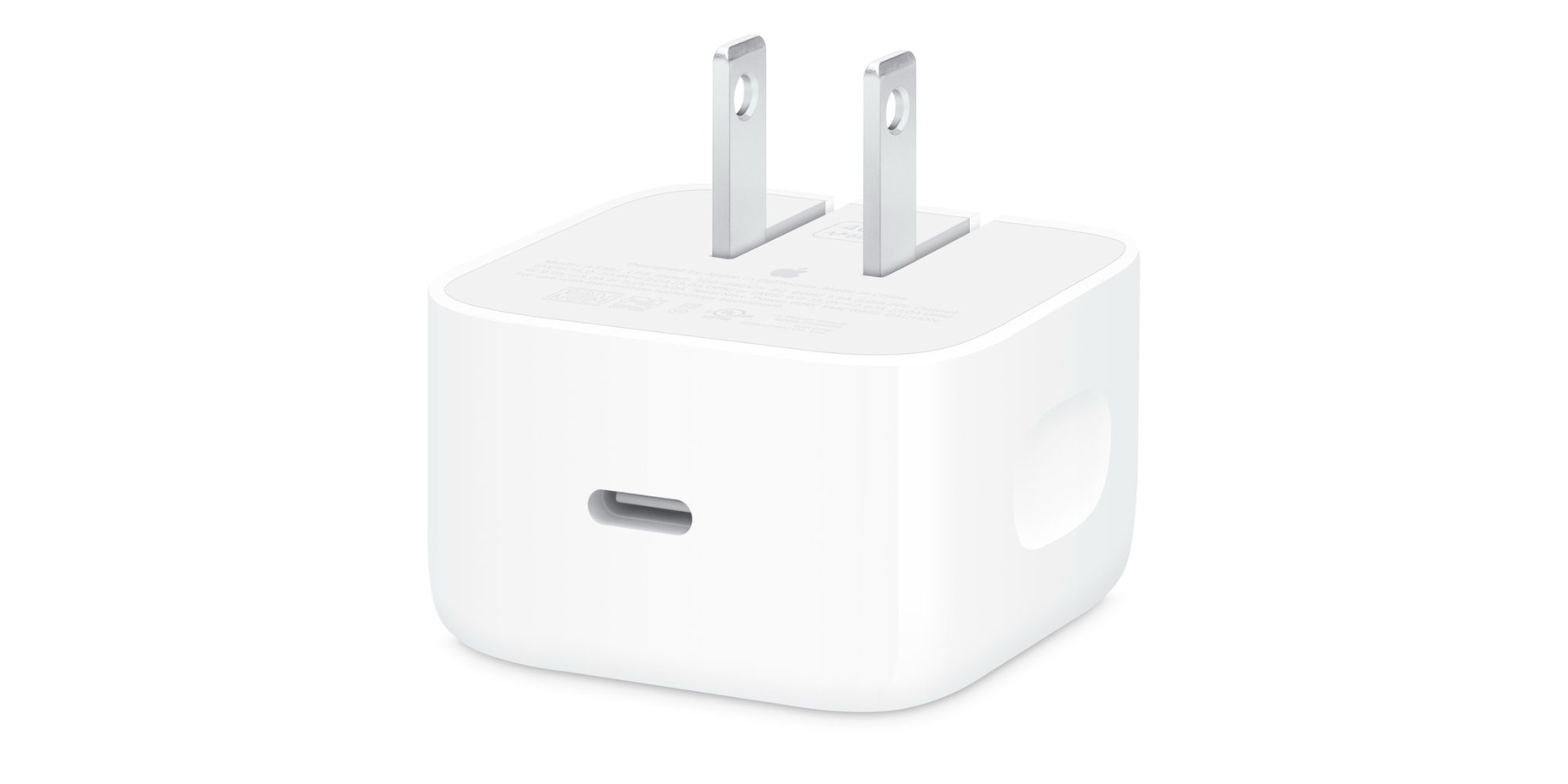
- An approved high-output power adapter: Users must pair the cable with a compatible USB-PD power brick capable of delivering the necessary wattage thresholds demanded by the iPhone Duo’s rapid-charging profile.
Wireless Fast Charging Setup
For users who prefer a cable-free desk or bedside setup, reaching the 30-minute 50% threshold requires:
- A certified high-output wireless charging stand or pad.
- An appropriately rated wall adapter capable of feeding the wireless charger with sufficient steady-state power to maintain peak electromagnetic transfer rates.
Navigating the Accessory Ecosystem: First-Party vs. Third-Party Options
While Apple provides robust first-party accessories, the broader consumer electronics market offers compelling alternatives that often deliver superior value, versatility, and multi-device support.
The Case for Third-Party Chargers
Third-party chargers frequently outpace Apple’s offerings in terms of raw value and port versatility. For users invested in a multi-device Apple ecosystem (such as holding an iPhone, iPad, and MacBook), single-port chargers can quickly lead to outlet clutter.

- Top Recommendation: Anker’s 100W Charging Brick. This powerhouse accessory represents the gold standard for modern tech users. Utilizing advanced Gallium Nitride (GaN) technology, it packs immense power into a compact footprint. It is more than capable of fast-charging the iPhone Duo while simultaneously delivering high-wattage power to power-hungry MacBooks and iPads, making it an indispensable travel and desktop companion.
The Case for First-Party Reliability
Despite the versatility of third-party alternatives, Apple’s proprietary accessories remain a safe harbor for users who prioritize guaranteed compatibility and seamless thermal integration.
- Apple 40W Dynamic Power Adapter: For those who prefer staying within the Apple ecosystem, the Apple 40W Dynamic Power Adapter serves as an ideal middle ground. Thanks to promotional pricing and retailer discounts, this first-party brick has become an accessible option for users seeking optimized power delivery specifically tailored to Apple’s latest device architectures.
- Extended Cabling Solutions: The USB-C cable included in the box is intentionally kept at a standard length for portability. For users requiring greater physical reach—such as charging from an outlet behind a bed or across a large office desk—official 2-meter USB-C cables are frequently available through authorized retailers at reduced promotional prices.
Future Outlook: Where Smartphone Power Delivery is Heading
The introduction of the iPhone Duo and its aggressive charging parameters signals a broader industry trend: the relentless pursuit of zero downtime. As battery densities plateau relative to the growing energy demands of augmented reality (AR) applications, on-device artificial intelligence processing, and ultra-bright displays, rapid replenishment remains the most viable bridge.
Looking forward, several technological horizons promise to reshape how we power our mobile devices:
- Advanced GaN Integration: As Gallium Nitride components become cheaper and more ubiquitous, expect power adapters to shrink further while output capacities rise, eventually making bulky charging bricks a relic of the past.
- Solid-State Batteries: On the horizon are solid-state battery chemistries, which promise drastically improved safety profiles, higher energy densities, and the ability to withstand even more aggressive fast-charging protocols without accelerated chemical degradation.
- Pervasive Wireless Power: While current fast wireless charging still relies on physical puck proximity, advancements in resonant wireless power transmission may soon allow devices to charge passively across rooms, fundamentally altering our relationship with charging cables.
Until those technologies mature into consumer-ready realities, mastering the current ecosystem of high-wattage adapters, certified cables, and strategic accessory investments remains the key to unlocking the full potential of devices like the iPhone Duo. By selecting the right combination of hardware today, users can ensure their devices are always powered, protected, and ready for whatever demands the day brings.