Executive Overview
For decades, the boundaries defining personal computing architectures remained rigidly drawn. Smartphones relied on mobile system-on-chips (SoCs) engineered for maximum power efficiency, thermal throttling, and compact footprints. Laptops and desktop workstations, conversely, demanded high-performance processors with active cooling, sprawling silicon dies, and expansive memory architectures to handle complex multi-threaded workloads.
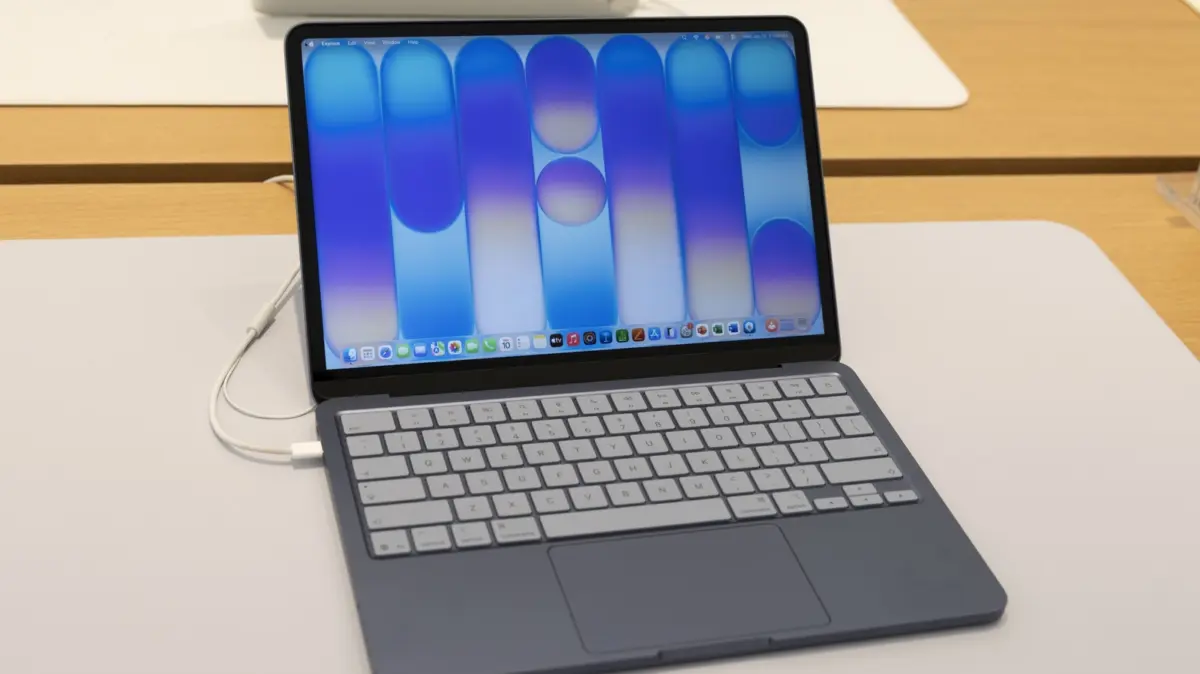
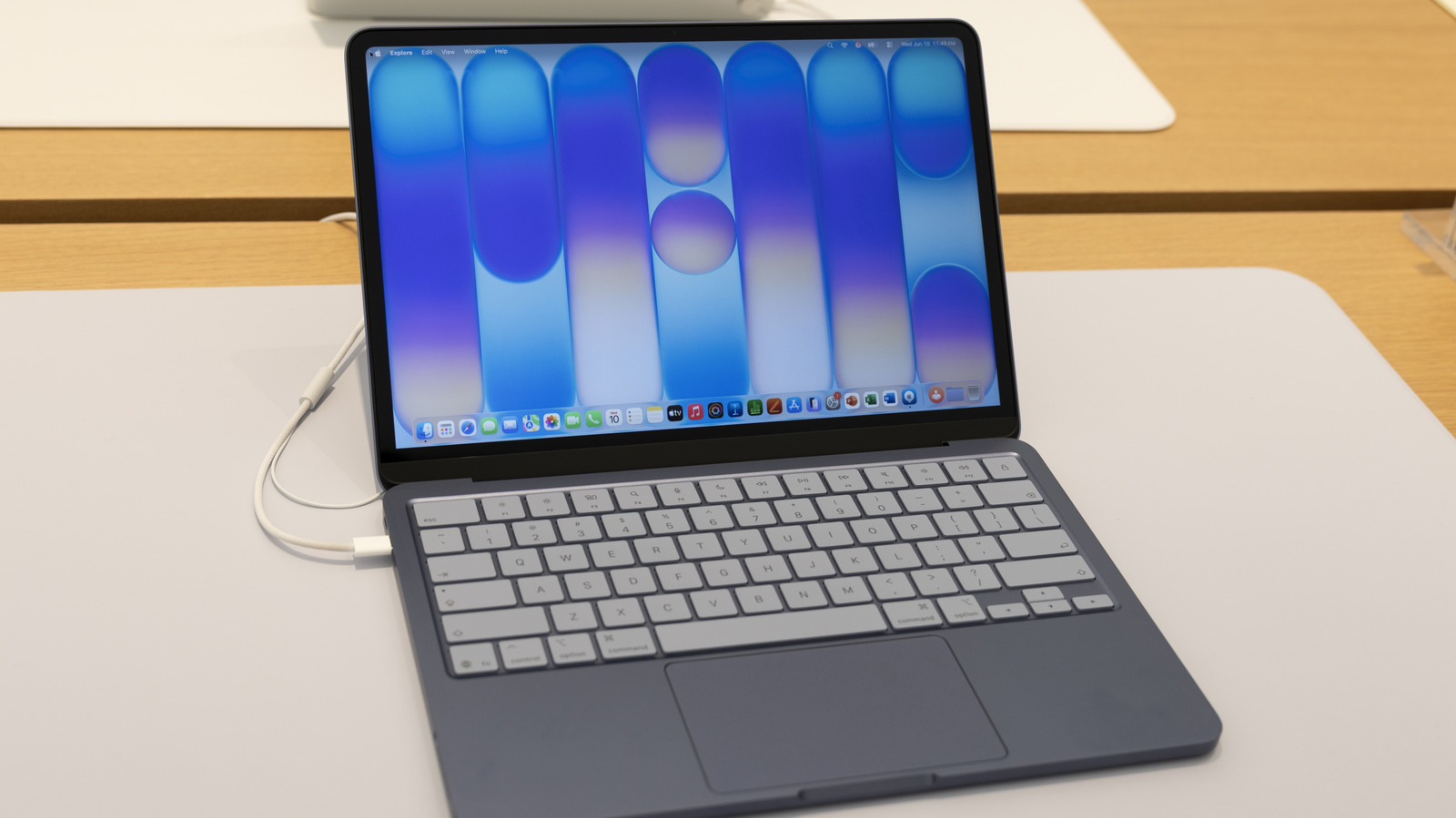
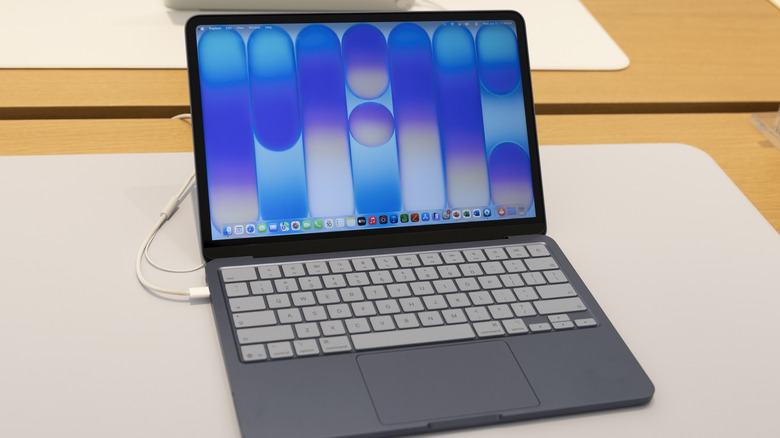
When Apple introduced the MacBook Neo at a starting price of $700, it effectively shattered this long-standing design paradigm. By integrating a repurposed iPhone processor—specifically a scaled-down variant of the A18 Pro—into a 13-inch laptop chassis, Apple embarked on an audacious engineering experiment.
The rationale behind this move was rooted in shifting global economics. Surging memory prices, compounded by sweeping international tariffs and tightening supply chains, made it increasingly difficult for Apple to maintain the traditional entry-level price point of its popular MacBook Air line. Just three months after the Neo’s debut, baseline MacBook Air prices jumped by $200, cementing a new $1,300 entry barrier. In contrast, the MacBook Neo emerged as a calculated strategic pivot: a budget-friendly Mac designed to capture cost-conscious consumers, students, and institutional buyers without completely eroding Apple’s premium brand margins.
Yet, this cost-saving measure introduced a fundamental question that has dominated tech circles: Can a smartphone chip genuinely handle a fully fledged desktop operating system like macOS without collapsing under real-world pressure? While initial skepticism was rampant, hands-on testing reveals a nuanced reality. The MacBook Neo is not an underpowered disaster; rather, it occupies a fascinating middle ground of being "just good enough." However, as hardware demands scale—particularly with the relentless expansion of on-device artificial intelligence—buyers must carefully weigh the immediate financial savings against long-term operational bottlenecks.
Detailed Chronology: The Evolution of Apple’s Budget Strategy
To understand how the MacBook Neo came to exist, one must look at the macro-economic pressures facing consumer electronics manufacturers throughout the mid-2020s.
The Lead-Up to the Neo
For years, Apple’s M-series silicon (ranging from the foundational M1 to the latest high-end iterations) received universal acclaim for transforming the Mac lineup into powerhouses of efficiency and speed. However, as global semiconductor manufacturing costs fluctuated and inflationary pressures took hold, the entry-level MacBook Air—historically the go-to recommendation for general users—crept steadily upward in price.
Recognizing an opening in the market for a truly affordable macOS device, Apple’s hardware engineers looked inward at their massive mobile ecosystem. The A-series chips powering iPhones had grown so blisteringly fast that they regularly outperformed mid-tier desktop processors from previous generations. By taking the A18 Pro—the beating heart of the 2024 iPhone 16 Pro—and adapting it for a clamshell form factor, Apple bypassed the expensive fabrication and packaging lines typically reserved for custom Mac silicon.
Launch and Immediate Aftermarket Reaction
Launched in March 2026, the MacBook Neo immediately disrupted the sub-$800 laptop category, putting intense pressure on entry-level Windows PC manufacturers. Reviewers and consumers alike were forced to re-evaluate what a budget laptop could achieve.
However, the ripple effects were swift. Within a quarter of the Neo’s release, Apple recalibrated the rest of its portable lineup. The MacBook Air saw a formal price hike, widening the chasm between Apple’s ultra-affordable offering and its traditional mainstream machines. This strategic widening of the product funnel ensured that the Neo didn’t just cannibalize Air sales, but instead carved out an entirely new demographic of buyers who had previously been priced out of the macOS ecosystem entirely.
Supporting Context & Metrics: Silicon Trade-Offs and Hardware Limitations
Putting a mobile processor into a laptop chassis required distinct compromises. Analyzing the technical specifications of the MacBook Neo highlights precisely where Apple found savings—and where users pay the price in performance.
The A18 Pro Under the Hood
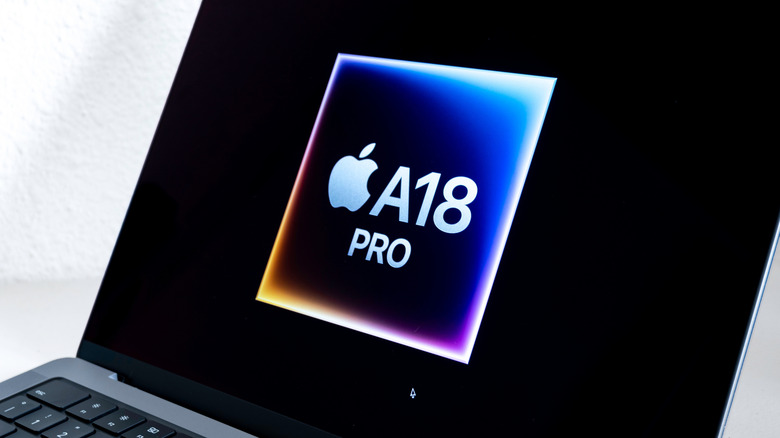
The core engine of the MacBook Neo is the A18 Pro, originally forged for the iPhone 16 Pro. In its smartphone configuration, this chip boasts a robust six-core CPU paired with a six-core GPU. For the Neo, however, Apple dropped the GPU configuration to five cores.
+--------------------------------------------------------------------------+
|                  CHIP ARCHITECTURE COMPARISON                            |
+----------------------+--------------------+------------------------------+
| Metric               | iPhone 16 Pro      | MacBook Neo                  |
+----------------------+--------------------+------------------------------+
| Processor            | A18 Pro (Full)     | A18 Pro (Yield-Optimized)    |
| CPU Cores            | 6 Cores            | 6 Cores                      |
| GPU Cores            | 6 Cores            | 5 Cores (-1 Core)            |
| Display Support      | Mobile Display     | 13-inch External + Internal  |
| Thermal Management   | Passive (Phone)    | Fanless / Passive (Laptop)   |
+----------------------+--------------------+------------------------------+
Despite this reduction in graphical muscle, the chip drives a full 13-inch laptop display and handles routine multitasking with surprising dexterity. Real-world testing demonstrates that the Neo can effortlessly juggle multiple active web browser windows, stream high-definition video, run photo-editing workflows in Pixelmator Pro, and even execute mobile-to-desktop ported games like Oceanhorn 3 without triggering catastrophic slowdowns.
Where the Hardware Fails: Heavy Workloads and Memory Walls
The cracks in the architecture begin to show when the machine is pushed into heavier, professional-grade territories.
- The RAM Bottleneck: Equipped with a baseline of 8GB of unified memory, the Neo frequently hits a wall. While vanilla 4K video editing is technically possible, attempting to render complex special visual effects causes the system to crawl.
- App Compatibility Restrictions: A growing number of modern macOS applications and high-end games—such as Assassin’s Creed Shadows—list an M1 processor or better as a strict minimum requirement. While system requirements can occasionally be bypassed, they serve as a warning: minimum specs do not guarantee optimal performance. Users seeking a silky-smooth, future-proof gaming or creative workflow are inherently better served by the MacBook Air, which starts with an M-series chip and a more modern baseline of 16GB of RAM.
- Connectivity and Peripheral Limitations: To keep costs down, Apple severely restricted the Neo’s I/O capabilities. The machine features only a single 10Gbps USB 3 port, a legacy-bound 480Mbps USB 2 port, and a standard 3.5mm headphone jack. While the USB 3 port can output to a 4K 60Hz DisplayPort monitor, it completely lacks support for daisy-chaining or high-bandwidth Thunderbolt accessories. By comparison, the MacBook Air offers blazing-fast 40Gbps USB 4 ports with integrated Thunderbolt 4 and a dedicated MagSafe magnetic power connector.
Future Outlook: Should You Buy Now or Wait for the MacBook Neo 2?
As consumers eye the current landscape, a pressing dilemma emerges: Is it wise to purchase the first-generation MacBook Neo today, or should prospective buyers hold out for an inevitable second-generation refresh?
Industry analysts, notably including Bloomberg’s Mark Gurman, point toward an anticipated 2027 refresh cycle that will reportedly upgrade the Neo line. According to supply chain leaks, the next iteration is expected to incorporate the A19 Pro chip—derived from the iPhone 17 Pro architecture—alongside a bump to 12GB of RAM.
Evaluating the Longevity Factor
While 12GB of RAM still falls short of the current 16GB gold standard seen across the wider laptop industry, that extra 4GB could dramatically smooth out the performance dips that plague the current 8GB model. Because modern MacBooks feature soldered, non-upgradeable memory, buyers cannot expand RAM post-purchase. Planning for longevity is therefore critical.
Furthermore, Apple’s software roadmap is heavily leaning into on-device artificial intelligence. macOS features rolling out across the ecosystem increasingly demand robust neural engines and substantial memory buffers, with some advanced tools already requiring an M-chip and 12GB+ of RAM as a hard floor. While a second-generation Neo running on A19 hardware will likely handle light AI integration better than its predecessor, it will still face limitations compared to full-fat M-series Macs, particularly for heavy professional tasks like AutoCAD or complex 3D rendering.
Strategic Buying Recommendations
- If you need a Mac immediately: The first-generation MacBook Neo remains a viable, cost-effective tool for students, writers, and web-centric professionals. Applications that run smoothly today will not instantly lose support, given the hardware’s recent 2026 debut. To maximize value, budget-conscious shoppers are advised to hunt for certified refurbished models to shave even more off the initial investment.
- If you can wait: Waiting for the rumored A19-powered Neo 2 will likely yield a more resilient machine with slightly better thermal efficiency, a minor graphics boost, and a more forgiving memory footprint—provided Apple manages to hold the line on the sub-$800 price point.