Executive Overview
In the sprawling, celluloid landscape of contemporary cinema, few performances have challenged the traditional mechanics of Hollywood stardom as completely—or as stylishly—as Ryan Gosling’s work in Nicolas Winding Refn’s 2011 neo-noir thriller, Drive. Operating at the intersection of arthouse experimentation and pulpy genre thrills, the film bypassed the predictable, verbose conventions of the modern action blockbuster. Instead, it presented an anti-hero who spoke volumes through silence, heavy stares, and sudden, shocking eruptions of visceral violence.
More than a decade since its celebrated premiere at the Cannes Film Festival—where Winding Refn took home the Best Director prize—Drive remains a masterclass in cinematic restraint. It subverted the conventional "love redeems all" Hollywood trope, grounding its narrative in post-capitalist urban alienation, quiet tragedy, and the stark reality that human warmth can be tragically fleeting. For film enthusiasts and casual viewers alike, the movie’s recent arrival on free ad-supported streaming services like Pluto TV offers a timely opportunity to reexamine a project that defied box-office expectations, fractured Hollywood archetypes, and birthed an enduring cultural touchstone.
Detailed Chronology: From Pulp Novel to Cannes Sensation
The journey of Drive from a gritty piece of crime fiction to a defining cinematic milestone of the 2010s is a testament to persistent creative vision and serendipitous casting choices.
Development and Early Hurdles
The genesis of the film began with James Sallis’s 2005 minimalist noir novel, Drive. Producer Marc Platt recognized the cinematic potential in Sallis’s spare, punchy prose and optioned the rights. Initially, the project was envisioned as a traditional, high-octane Hollywood vehicle tailored for Hugh Jackman. Under this early iteration, the production struggled to find its footing, cycling through various directors and screenwriters as it attempted to fit the mold of a conventional action-thriller.
Everything shifted when Ryan Gosling became attached to the project not just as the lead, but as an active creative partner. Gosling, who had established his dramatic chops in indie dramas like Half Nelson (2006) and romantic tearjerkers like The Notebook (2004), envisioned a completely different kind of film—one reminiscent of classic 1970s character studies and European arthouse cinema.
The Refn-Gosling Synergy
Upon securing creative control, Gosling handpicked Danish provocateur Nicolas Winding Refn to direct. Winding Refn, fresh off his visceral, brutal Pusher trilogy and the hallucinatory Viking epic Valhalla Rising (2009), brought an uncompromising visual vocabulary to the table. Working from a screenplay adapted by Hossein Amini, Winding Refn stripped the narrative down to its barest components.
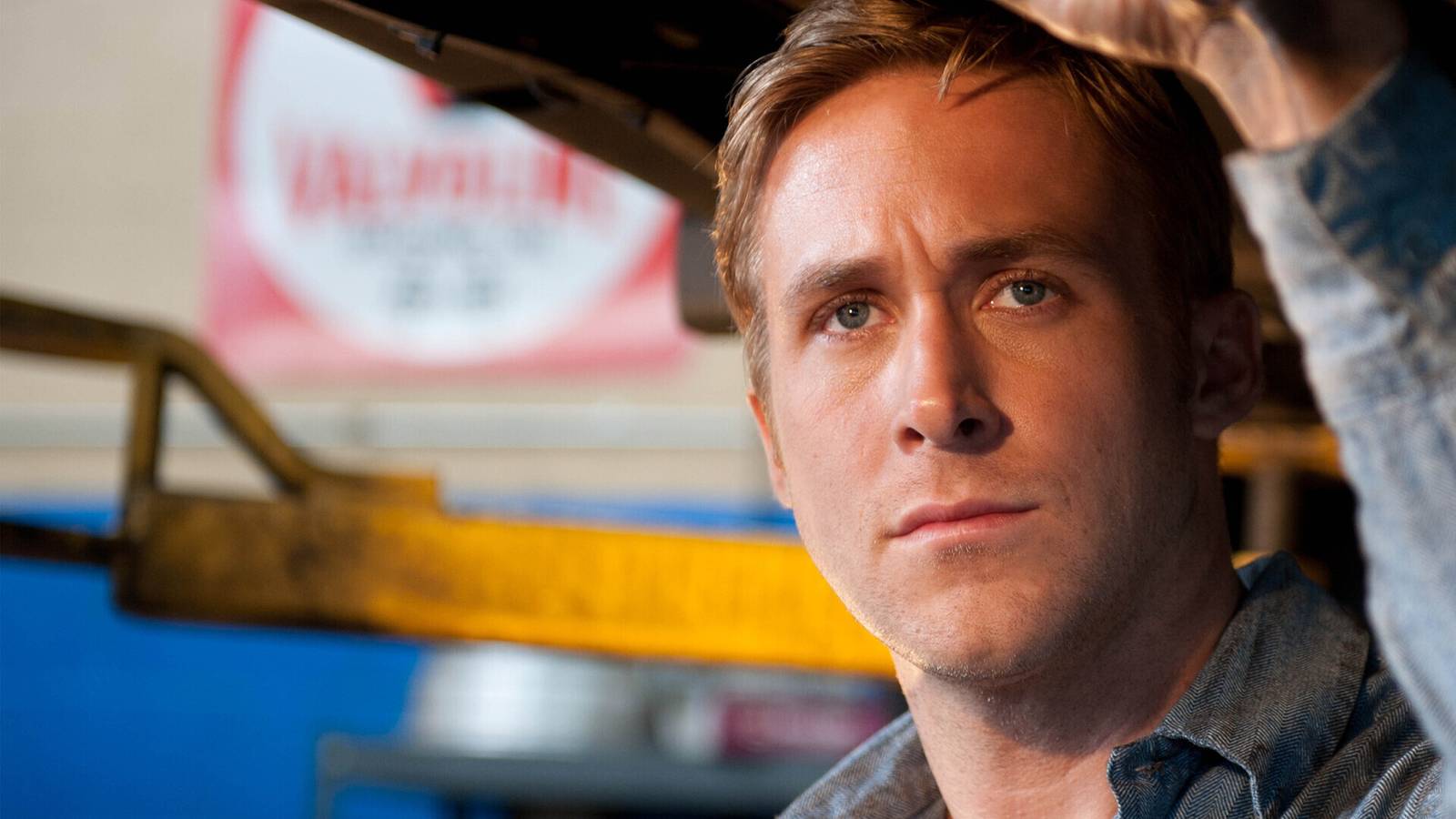
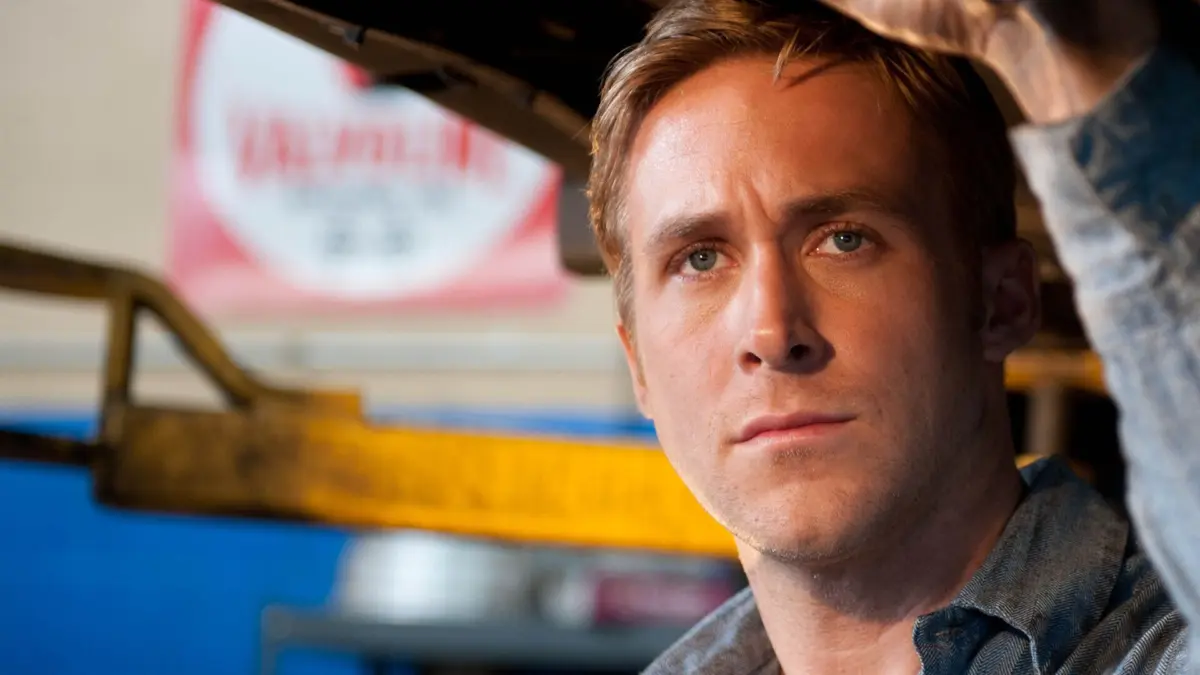
Principal photography commenced in late 2010 across the neon-lit, sprawling asphalt arteries of Los Angeles. Rather than relying on green screens or excessive CGI, Winding Refn and cinematographer Newton Thomas Sigel favored practical driving stunts, moody shadows, and authentic Los Angeles architecture, treating the city itself as a breathing, melancholic character.
The Cannes Explosion
Drive made its world premiere in competition at the 64th Cannes Film Festival in May 2011. The reaction was electric. While a small faction of critics and audience members recoiled at the film’s sudden, graphic bursts of ultra-violence, the majority hailed it as a triumphant synthesis of American genre storytelling and European auteur sensibilities.
Nicolas Winding Refn walked away with the festival’s Best Director award, instantly elevating the film from a standard studio genre flick to an international critical darling. Despite its dark arthouse DNA and unconventional pacing, Drive went on to achieve commercial success, outperforming expectations and cementing its place in modern pop culture history.
Supporting Context & Metrics: The Anatomy of a Modern Cult Classic
To understand the enduring legacy of Drive, one must examine the metrics of its production, box office run, and critical reception, alongside the broader trajectory of Ryan Gosling’s career.
Box Office and Production Metrics
- Production Budget: Estimated between $13 million and $15 million—a modest sum by Hollywood studio standards, which allowed the filmmakers unprecedented creative freedom.
- Box Office Return: Grossed approximately $81.6 million worldwide against its lean budget, proving that audiences hungered for intelligent, stylish, mid-budget thrillers that didn’t rely on pre-existing intellectual property.
- Critical Acclaim: Held a critically lauded status upon release, boasting a 93% approval rating on Rotten Tomatoes, with consensus praising its hypnotic atmosphere, stellar performances, and bold visual direction.
Career Context for Ryan Gosling
Gosling’s career has always been defined by a restless refusal to be pigeonholed. In the years leading up to Drive, he balanced the abrasive, emotionally raw drama of Blue Valentine (2010) with the corporate satire of Fracture (2007) and the indie acclaim of Half Nelson (which earned him his first Academy Award nomination).
Following Drive, Gosling continued to pivot across genres, effortlessly transitioning from neon-drenched crime to deadpan comedy (The Nice Guys, 2016), romantic musicals (La La Land, 2016)—for which he earned his second Oscar nomination—and cosmic science fiction (First Man, 2018; Project Hail Mary). While Gosling occasionally struggled to anchor traditional, blockbuster-scale action films—notably evidenced by the softer-than-expected box office returns of 2024’s The Fall Guy—his ability to weaponize understatement in indie and mid-budget projects remains unmatched. Drive stands as the apex of this philosophy: a performance built almost entirely on what is left unsaid.

Official Statements and Artistic Intentions
The unique alchemy of Drive was not an accident; it was forged through deliberate stylistic choices and intense collaboration between its star and director.
Nicolas Winding Refn on the Noir Tradition
In interviews following the film’s release, Winding Refn frequently discussed his fascination with classic Hollywood mythologies and the traditional American western, reimagining them through a contemporary, electronic lens.
"I wanted to make a movie that was about a man who becomes a superhero at night," Winding Refn noted during press rounds. "He is driving around Los Angeles, listening to pop music, waiting for something to happen. He is pure fantasy, trapped in a very real, very brutal world."
The director deliberately steered away from naturalistic dialogue, believing that silence carries a deeper, more resonant emotional weight. "When actors stop talking," Refn observed, "that is when the audience actually starts to pay attention. In Drive, Ryan understood that every glance, every slow turn of the head, had to carry the weight of a paragraph."
Ryan Gosling on Constructing "The Driver"
Gosling approached the unnamed protagonist not as a blank slate, but as a man who had intentionally hollowed himself out to survive the psychological toll of his dual existences. In retrospective interviews, Gosling explained how he and Winding Refn bonded over a mutual love of classic 1980s synth-pop and John Hughes films, blending a nostalgic appreciation for retro aesthetics with hard-boiled crime fiction.
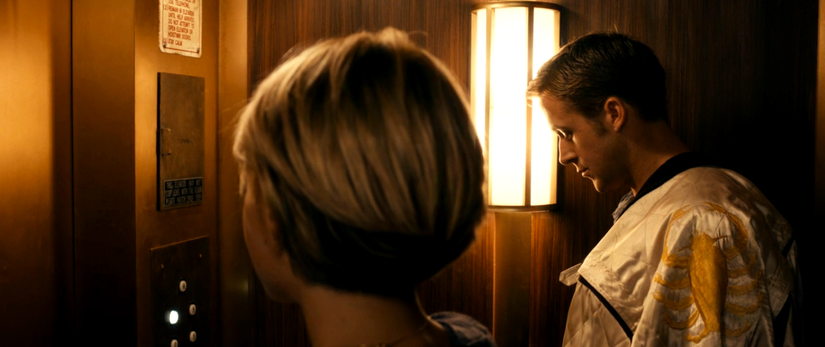
"He’s a stuntman, so he spends his entire professional life crashing cars and pretending to die," Gosling remarked. "When you do that for a living, reality starts to blur. The Driver doesn’t have a name because he barely has an identity. He wears a jacket with a scorpion on the back because he is fatalistic by nature; he knows how this story ends, but he walks into the fire anyway because it’s the only way he knows how to connect with someone."
Future Outlook: The Enduring Blueprint of Drive
More than a decade after its theatrical debut, the influence of Drive continues to reverberate across cinema, fashion, and digital media.
The Aesthetic Legacy
The film single-handedly initiated a massive cultural revival of 1980s aesthetics, synthwave music, and neon-drenched cinematography. Long before streaming platforms were flooded with nostalgia-driven sci-fi series and retro-synth soundtracks, Drive proved that neon pinks, cyans, and moody electronic soundscapes (courtesy of Cliff Martinez and featuring tracks like Kavinsky’s "Nightcall") could be deployed with artistic prestige. The satin scorpion jacket worn by Gosling instantly entered the pantheon of iconic cinematic costumes, rivaling iconic outerwear from films like Taxi Driver or Fight Club.
Redefining the Modern Anti-Hero
In an era dominated by hyper-serialized franchise storytelling and over-explained character motivations, Drive remains a potent reminder of the power of cinematic ambiguity. It demonstrated that modern audiences do not require endless exposition dumps to understand a character’s internal pain.
As contemporary filmmakers continue to seek ways to subvert tired action tropes, the blueprint laid down by Winding Refn and Gosling—combining high-art framing, patient pacing, and jarring, unromanticized violence—remains a gold standard. Whether viewed on the big screen or streamed for free on platforms like Pluto TV, Drive stands resolute: a timeless monument to the beauty of silence, the tragedy of human connection, and a Hollywood star who chose to break every rule in the book.