Executive Overview
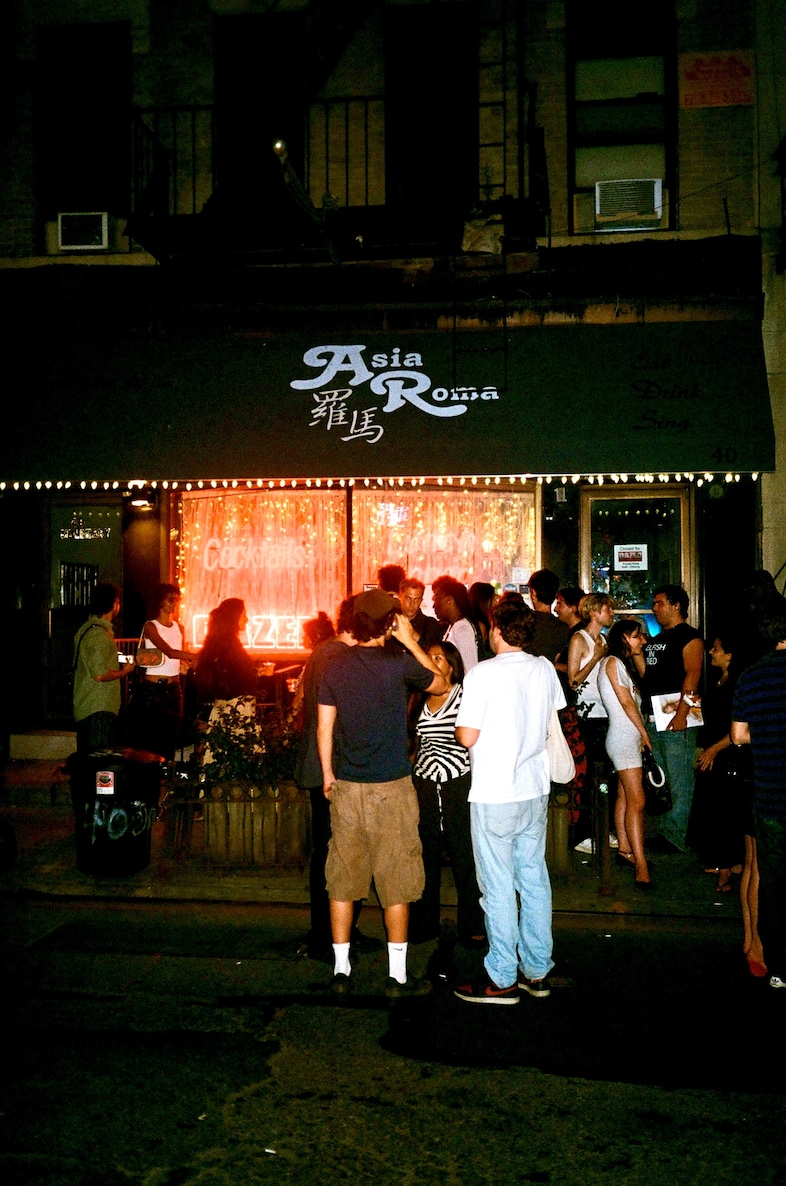
There are parties, and then there are New York parties—affairs where advertised start times function as polite suggestions, forging unexpected connections is an inevitability, and the trajectory of the evening inevitably spills over into the hazy hours of the morning. On Thursday, August 13, this distinct nocturnal mythology manifested in full force at the Dazed summer party, hosted at the iconic Asia Roma restaurant nestled deep within New York City’s historic Chinatown.
Bringing together a curated cross-section of over 200 guests—comprising the entirety of the Dazed US editorial team, prominent magazine contributors, creative collaborators, and fixtures of the downtown cultural ecosystem—the event served as both a celebration of the season and a testament to the enduring vitality of print media and physical community spaces.
Against a backdrop of glowing neon, dive-bar nostalgia, and pulsating basslines, the gathering encapsulated the unrelenting energy of a New York summer refusing to fade quietly. This report offers a comprehensive chronicle of the evening, examining the architectural dynamics of the venue, the cultural resonance of the guest list, the intersection of fashion and print culture, and what this landmark night signals for the future of urban creative gatherings.
Detailed Chronology: A Night of Time-Warped Revelry
The evening commenced shortly after dusk, though as is customary for downtown cultural touchstones, the venue truly pulsed to life as midnight approached. Asia Roma—a beloved staple known for its idiosyncratic blend of Italian-American comfort and karaoke-centric nightlife—was custom-tailored for an event defined by spontaneous choreography and unfiltered socializing.
The Upper Deck: Karaoke and Intimate Debriefs
Upon entering through the restaurant’s unassuming ground-level facade, guests were immediately enveloped in the venue’s signature amber glow, cast by heavily dimmed red lighting. Throughout the night, the two-story establishment functioned as a choose-your-own-adventure playground. On the upper floor, a dedicated karaoke setup drew impromptu performances from brave souls testing their vocal cords, while adjacent wooden booths—designed with high backs and intimate proportions—served as sanctuaries for deep, mid-party debriefs and creative networking.
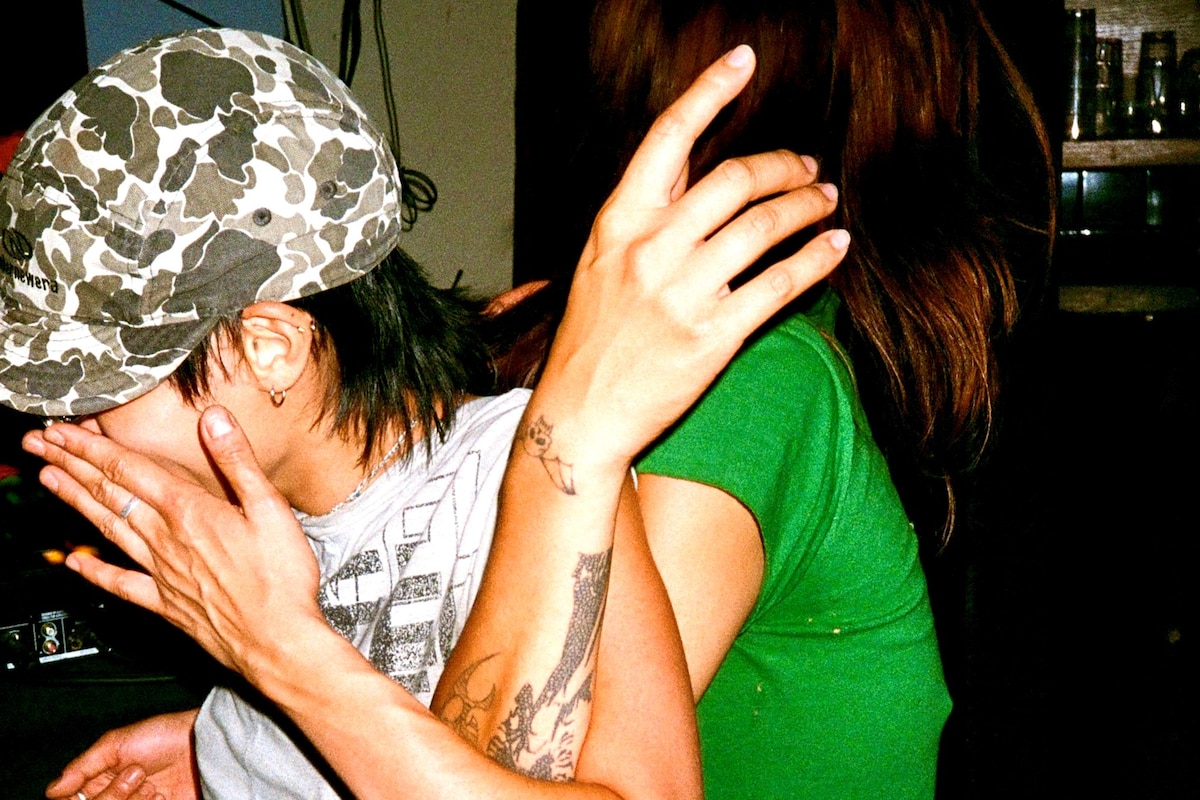
A long wooden bar anchored the room, keeping the libations flowing steadily as the crowd grew denser. Between the perpetual motion of partygoers and the disorienting, cinematic red illumination, the space assumed the quality of a temporal vortex. It was entirely effortless to blink and realize that hours had evaporated inside the dive-bar-esque sanctuary.
The Basement: The Underground Crucible
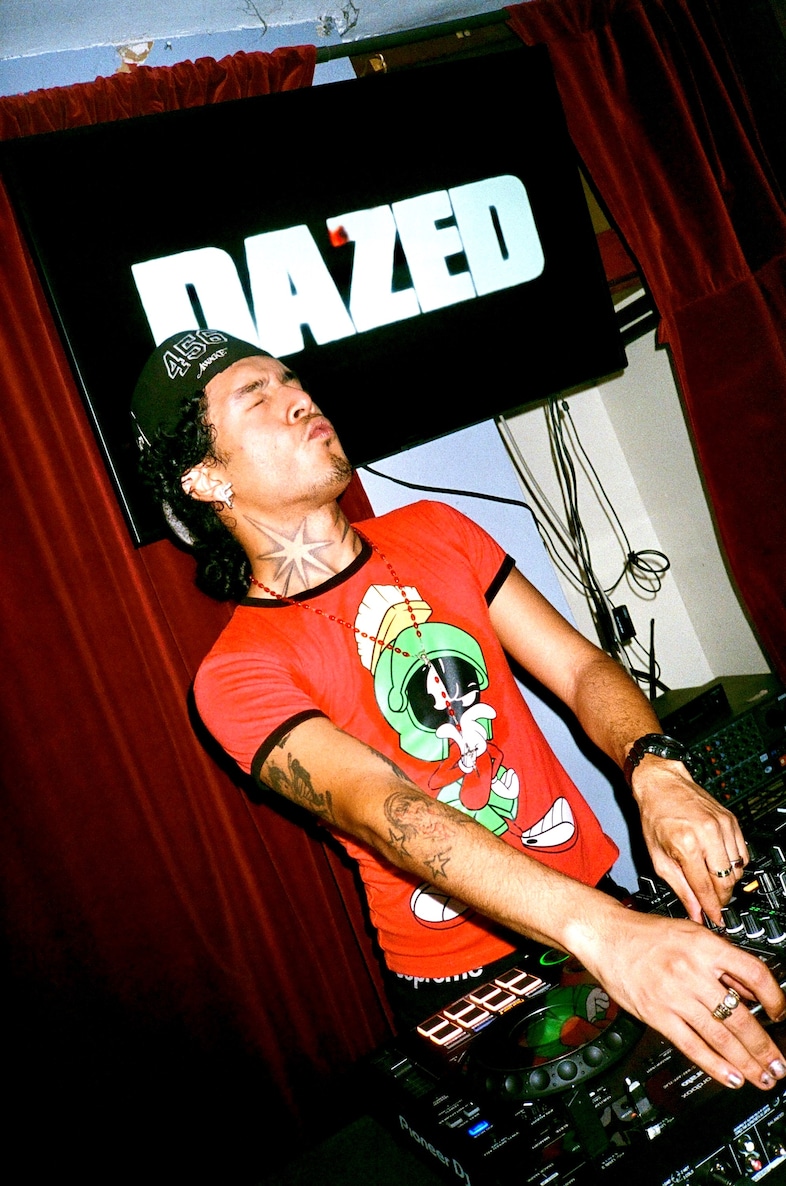
Descending the stairs led guests into the building’s lower level, a subterranean space converted into a makeshift dance floor that maintained an unyielding momentum until the venue’s final hours. Here, the curation of sound took center stage.
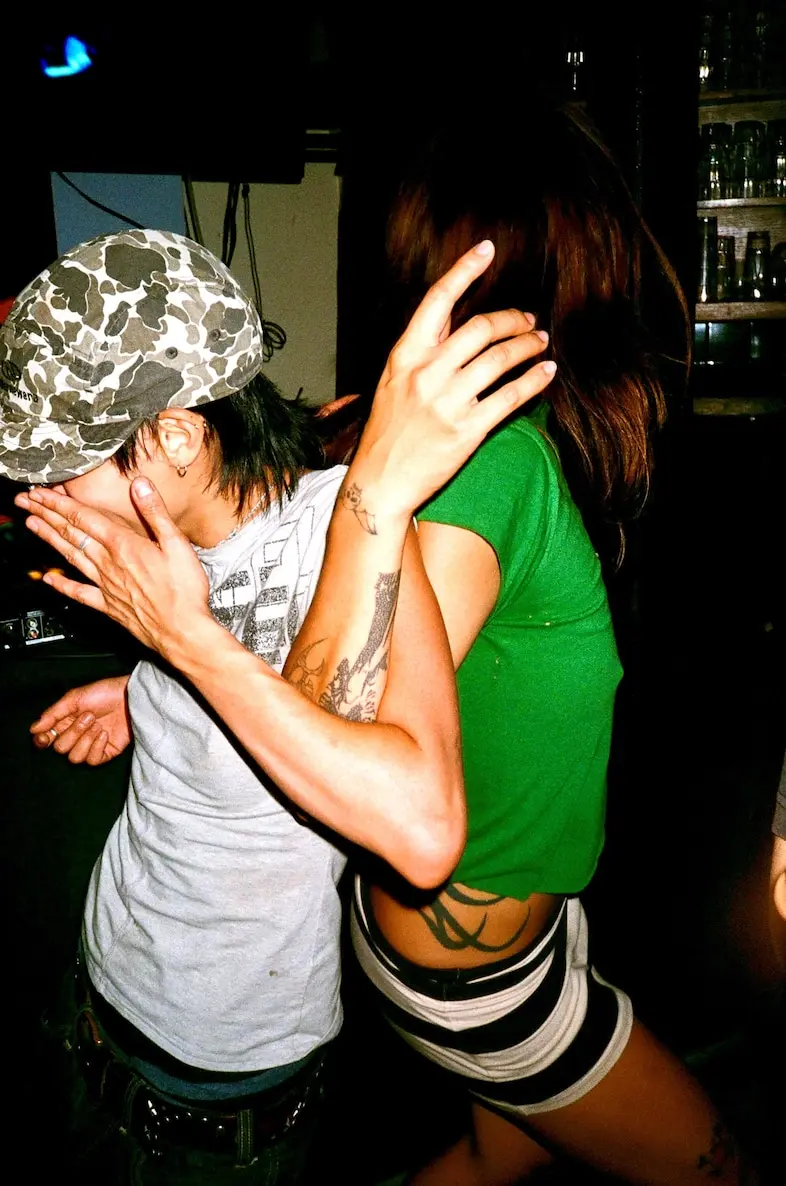
The sonic landscape of the evening was helmed by a powerhouse roster of selectors. Michael Lieberman set the tone early with an expertly crafted opening set that eased the swelling crowd into a hypnotic groove. As midnight approached, the decks were handed over to Dazed team members and revered underground DJs Jordan Stanton and Percy Cobbinah, whose collaborative energy turned the dance floor into a familial celebration of rhythm and movement. The night was ultimately brought to a triumphant close by Maxwell Vice, whose late-night closing set ensured that the basement energy remained at a fever pitch until the lights finally flickered on.
Spilling into the Asphalt
True to the ethos of authentic New York nightlife, the boundaries of the venue proved porous. As the interior reached maximum capacity, clusters of creatives organically drifted out onto the Chinatown pavement. Goodbyes dissolved into extended post-mortems of the evening, impromptu cigarette-smoke philosophical debates, and plans for late-night sustenance at nearby local institutions. The streetscape outside Asia Roma became an extension of the party itself—a living installation of downtown style and camaraderie.
Supporting Context & Metrics: Print Media, Community, and Cultural Impact
To understand the cultural weight of the Dazed x Asia Roma summer party, one must examine the broader ecosystem in which it took place. The event was not merely an excuse for a late-night gathering; it served as a physical manifestation of Dazed’s ongoing mission to anchor print media within tangible, breathing subcultures.
The Artifact as Party Favor: The Summer 2026 Issue
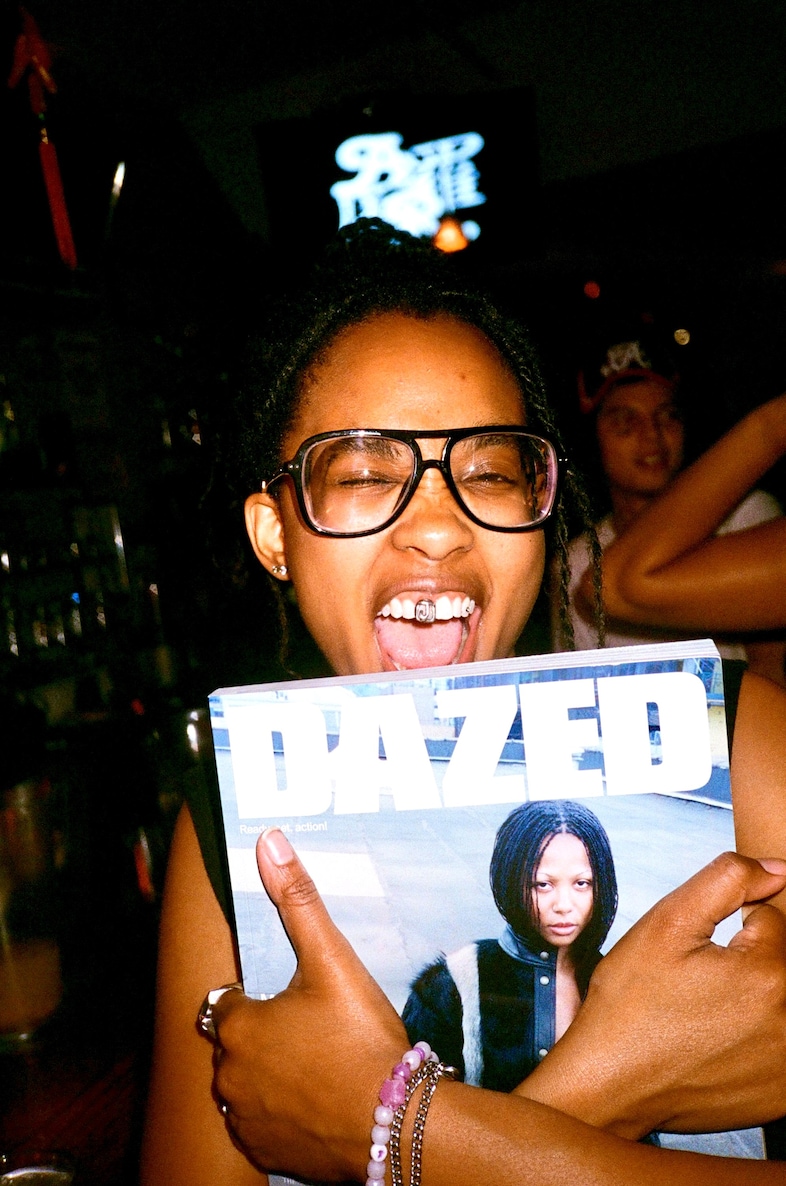
In an era dominated by ephemeral digital content and algorithmic fatigue, Dazed made a definitive statement by blanketing the venue with physical artifacts. Throughout Asia Roma, pristine copies of the magazine’s highly anticipated Summer 2026 issue were artfully scattered across tables, bar tops, and seating areas.
For guests, acquiring a fresh copy functioned as the ultimate party favor. The issue—featuring three distinct, highly sought-after collectible covers starring actor Myha’la, pop phenomenon Olivia Rodrigo, and figure-skating innovator Ilia Malinin—became a coveted accessory. Attendees could be seen clutching copies as they navigated the dance floor, blurring the line between reader, subject, and creator.
The Guest List and Aesthetic Vanguard
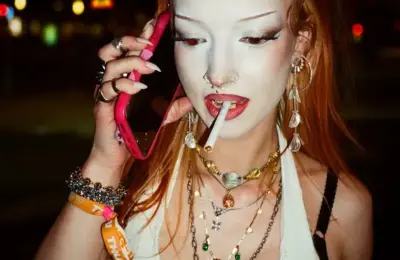
The demographic makeup of the room reflected the vanguard of New York’s creative industries. Stylists, designers, models, journalists, and digital creators intermingled without the rigid hierarchical divides typical of corporate activations.
Among the notable faces in attendance was New York-based fashion designer The Twink Next Door, whose boundary-pushing streetwear sensibilities matched the eclectic energy of the room. They were joined by prominent digital chroniclers of youth culture, including TikTok creator Angel (@cupiddeluxe), who documented the unfolding madness through an authentic, unvarnished lens.
However, the true success of the evening lay in the vast contingent of unfamiliar faces—new transplants, burgeoning artists, and underground curators—who found themselves welcomed into the fold. According to informal tallies and post-event reflections shared across social platforms, the gathering was responsible for the inception of countless new creative partnerships, friendships, and artistic collaborations.
Official Statements and Editorial Vision
While cultural happenings of this scale often rely on corporate veneer, the Dazed x Asia Roma activation was distinguished by its commitment to grassroots authenticity. Leadership within the Dazed US ecosystem emphasized that the choice of venue was entirely intentional.
"We didn’t want a sterile, white-box gallery space that forces people to stand around holding lukewarm drinks and staring at each other," noted a representative close to the editorial team. "Asia Roma has grit, history, and a soul that aligns with everything Dazed stands for. It’s unpretentious, it’s chaotic, and most importantly, it allows people to let their guard down."
The event also served as a physical rebuttal to the narrative that physical print and brick-and-mortar nightlife are in terminal decline. By bringing together the architects of contemporary youth culture in a dimly lit Chinatown restaurant, Dazed reaffirmed its philosophy that the future of media relies on tactile experiences and real-world congregation.
"As we all know, it’s been a non-stop summer in New York," observed an editorial contributor during the height of the festivities. "The energy tonight proves that even as the calendar turns and the seasonal chill approaches, the city’s creative heart has zero intention of retreating indoors."
Future Outlook: The Resurgence of Analog Gathering Spaces
As the sun rose over Chinatown on Friday morning, sweeping away the remnants of cigarette cartons, spilled drinks, and discarded flyers, the broader implications of the Dazed x Asia Roma party began to settle. What does this night portend for the future of urban nightlife and cultural publishing?
1. The Death of the Sterile Brand Activation
Consumers, particularly within the Gen Z and millennial creative demographics, have grown increasingly fatigued by hyper-curated, corporate-sponsored brand activations that prioritize Instagram aesthetics over genuine human connection. The success of the Dazed event demonstrates a viable blueprint for the future: partnering with legacy, localized establishments (like Asia Roma) that possess pre-existing character, community trust, and a refusal to conform to clean-cut corporate standards.
2. The Tangible Renaissance in Print
The tactile enthusiasm surrounding the Summer 2026 issue highlights an ongoing counter-trend against digital saturation. Readers are increasingly seeking refuge from algorithmic feeds through physical, collectible media objects. By integrating magazines directly into the physical architecture of a party—treating them as functional design elements and prized take-homes—publications can successfully bridge the gap between static journalism and dynamic, lived experiences.
3. The Unbroken Spirit of Downtown New York
Despite constant anxieties regarding gentrification, rising commercial rents, and the shifting economic landscape of Manhattan, the Dazed x Asia Roma gathering proved that the subterranean lifeblood of New York remains violently alive. The ability to pull together over 200 of the city’s sharpest creative minds on a mid-August Thursday night—and sustain their revelry until the early morning hours—serves as definitive proof that the city’s cultural engine is firing on all cylinders.
As the autumn months approach, the blueprint laid down in Chinatown will undoubtedly echo through subsequent seasonal events. For those lucky enough to navigate the red-lit labyrinth of Asia Roma that night, the memories of karaoke anthems, basement sweat, and freshly printed pages will serve as a lasting reminder: in New York City, the night always belongs to those bold enough to claim it.