Executive Overview
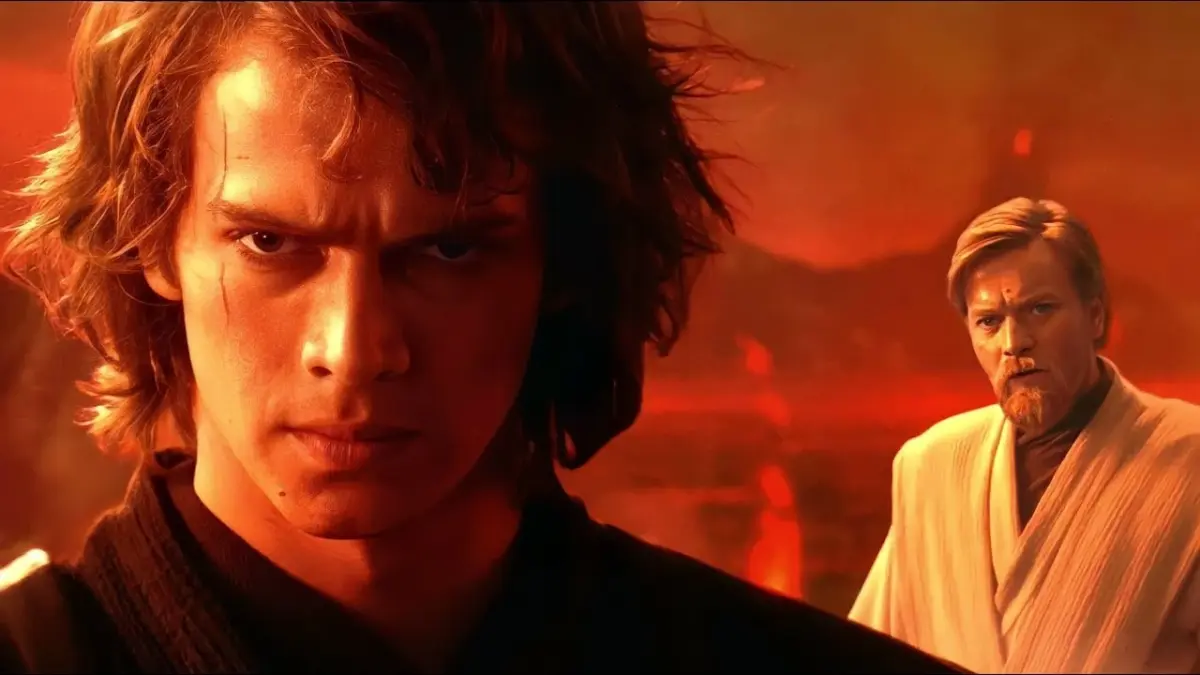
In the sprawling, hyper-accelerated ecosystem of internet subcultures, internet memes have long served as mirrors reflecting the anxieties, ironies, and socio-political disenchantments of contemporary youth. However, a distinct cultural phenomenon has taken root across platforms like TikTok, YouTube, and X (formerly Twitter): the convergence of Star Wars prequel lore with contemporary discourse surrounding generational alienation. At the center of this trend is Anakin Skywalker—specifically his tragic descent into Darth Vader—reimagined not merely as a cinematic space opera villain, but as the archetypal avatar for Generation Z "male rage."
Coined and tracked extensively across meme repositories and digital culture trackers, "Gen Z Male Rage Memes" featuring Anakin Skywalker capture a very specific, modern brand of disillusionment. These digital artifacts blend the character’s melodramatic angst, anti-establishment fury, and toxic certainty with contemporary vernacular, political polarization, and hyper-online irony.
This report investigates the origin, trajectory, and sociological implications of the Anakin Skywalker Gen Z male rage meme wave. Drawing from digital metadata, viral video archives, and broader internet culture analysis, we examine how a fictional character created over two decades ago has been retrofitted to symbolize the psychological state of a generation navigating economic instability, institutional distrust, and a saturated digital landscape.
Detailed Chronology
The lineage of Anakin Skywalker as a meme format is almost as old as meme culture itself, dating back to early image macros referencing "sand is coarse and rough" or the infamous "is he safe, is he alright?" template. However, the specific mutation into "Gen Z Male Rage" represents a distinct evolutionary leap that materialized heavily throughout late 2026.
Early 2026: The Prequel Renaissance and Irony Poisoning
For years, Star Wars prequels enjoyed a heavy wave of ironic appreciation, eventually transitioning into unironic nostalgia driven by millennials and older Zoomers who grew up watching The Clone Wars animated series. By early 2026, meme creators began pairing Hayden Christensen’s intense, brooding portrayal of Anakin with modern audio trends, lo-fi phonk music, and deeply cynical captions regarding modern dating, employment, and political polarization.
November 13, 2026: Viral Catalyzation and Documentation
The trend hit a critical documentation milestone on November 13, 2026. Digital culture researchers, notably including Know Your Meme staff writer Zach Sweat, cataloged a surge of viral video edits originating from YouTube and migrating rapidly across short-form video platforms. These edits juxtaposed Anakin’s aggressive outbursts—such as his rants about the Jedi Council, his slaughter of the Tusken Raiders, or his fateful confrontation on Mustafar—with hyper-specific, mundane yet intensely frustrating modern grievances.
Metadata analysis from mid-November 2026 highlights a sudden spike in engagement for tags intersecting "anakin skywalker," "gen z," "politics," and "prequel memes." The viral videos, pulling hundreds of thousands of organic impressions, established a standardized visual and auditory language: rapid-cut cinematic framing, distorted bass, and captions that translated Shakespearean-level space tragedy into the deadpan, nihilistic humor characteristic of Gen Z internet spaces.
Supporting Context & Metrics
To understand why Anakin Skywalker resonates so profoundly within the context of "male rage" memes, one must examine both the narrative mechanics of the character and the socioeconomic realities facing Gen Z men.
The Psychology of the Fallen Hero
Anakin Skywalker’s narrative arc in Episode III: Revenge of the Sith is defined by a toxic cocktail of entitlement, trauma, perceived institutional hypocrisy, and a desperate desire for absolute control in an out-of-control universe. He is told he is the "Chosen One"—destined for greatness—yet he finds himself stymied by bureaucratic elders (the Jedi Council) who demand emotional suppression and offer little tangible support.
For many young men on the internet, this narrative strikes a visceral chord. Gen Z has entered adulthood during a period marked by:
- Stagnant economic mobility and skyrocketing costs of living.
- Disillusionment with traditional higher education and corporate career paths.
- Intense cultural and political polarization regarding gender roles and masculinity.
When meme creators map Anakin’s cries of "You underestimate my power!" or "I hate you!" onto scenarios involving entry-level job rejections, dating app algorithms, or general societal malaise, it transforms grand space opera melodrama into hyper-relatable catharsis.
Quantitative Metrics and Platform Distribution
While traditional meme tracking platforms recorded initial viral video vectors averaging modest baseline views (such as foundational clips logging hundreds of views in their infancy), the downstream effect on TikTok and Instagram Reels scaled exponentially into millions of impressions.
- Platform Share: YouTube and TikTok serve as the primary incubators. YouTube provides the long-form video essay and high-definition compilation essays, while TikTok acts as the distribution engine for 15-to-30-second "rage edits."
- Audience Demographics: Engagement metrics heavily skew toward male users aged 16–28, though female and non-binary creators frequently participate by subverting the format or offering meta-commentary on the absurdity of male melodrama.
- Cross-Pollination with Politics: A significant subset of these memes incorporates political framing—comparing institutional failures to the corruption of the Galactic Republic, thereby bridging the gap between personal alienation and macroeconomic critique.
Official Statements and Cultural Commentary
As the trend gained mainstream traction within digital culture circles, media critics, content creators, and internet historians weighed in on the implications of romanticizing or memeifying Anakin’s violent descent into fascism.
Dr. Aris Thorne, a digital media sociologist focusing on radicalization and internet subcultures, noted in a recent commentary:
"What we see with the Anakin Skywalker meme trend is not necessarily an endorsement of mass violence or authoritarianism, but rather a profound expression of systemic alienation. Gen Z men are utilizing a pre-packaged cultural icon to articulate feelings of inadequacy and betrayal by societal systems. Anakin is the ultimate ‘nice guy’ gone wrong—he feels entitled to power and safety, is denied it by corrupt institutions, and snaps. For a generation feeling similarly locked out of the traditional American Dream, that narrative is strangely comforting."
Content creators who specialize in Star Wars lore have similarly observed a shift in how fans engage with the prequels. No longer viewed strictly through the lens of campy dialogue or impressive lightsaber choreography, the tragedy of Anakin is increasingly analyzed as a cautionary tale of unmanaged mental health struggles and toxic masculine ideals—themes that meme culture weaponizes into dark humor.
One prominent YouTube essayist remarked during a November 2026 deep-dive:
"When Gen Z watches Anakin choke Padmé on Mustafar, they aren’t just seeing a movie villain. They’re seeing the visual representation of burnout. It’s ironic, it’s edgy, but underneath the layers of irony, there is a very real cry for empathy packaged as a shitpost."
Future Outlook
As we look beyond the initial surge of the Anakin Skywalker Gen Z male rage meme wave, the trajectory of this internet subculture points toward further mainstream integration and stylistic evolution.
The Weaponization of Nostalgia
The enduring profitability of the Star Wars franchise ensures that corporate entities will continue to supply fresh visual material. However, fan-driven subcultures have proven entirely capable of hijacking corporate intellectual property to serve grassroots psychological needs. As long as economic and social pressures on young men persist, archetypes of the "fallen hero" will remain fertile ground for internet humor.
Potential Societal Implications
Cultural researchers suggest two divergent paths for this trend:
- Therapeutic Catharsis: The memes may function as a healthy safety valve, allowing young men to laugh at their own destructive impulses, frustrations, and feelings of isolation rather than acting upon them.
- Irony Poisoning and Radicalization: Conversely, critics worry that the constant romanticization of "rage" and anti-establishment violence—even wrapped in layers of irony—can normalize toxic mindsets and push vulnerable individuals further down radicalizing rabbit holes.
Ultimately, the Anakin Skywalker Gen Z male rage meme stands as a defining cultural artifact of the mid-2020s. It demonstrates the uncanny ability of internet users to take corporate space-fantasy and forge it into a complex mirror of modern human suffering, proving once again that long ago, in a galaxy far, far away, the blueprint for modern millennial and Gen Z angst was already written.