Executive Overview
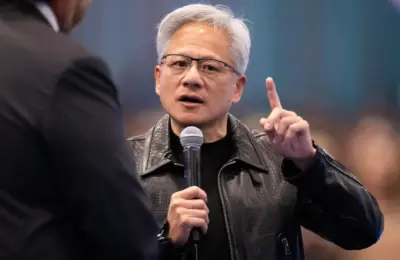
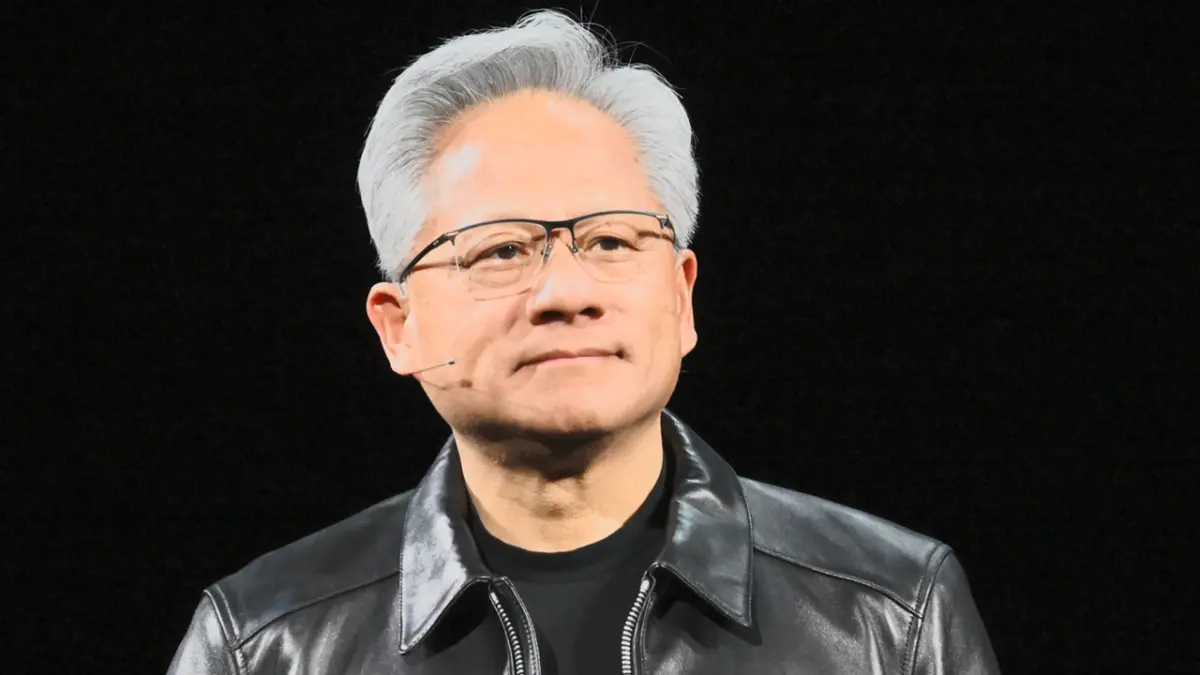
The global technology sector remains transfixed by an unprecedented corporate governance crisis at Nvidia, one of the world’s most valuable and influential semiconductor titans. Jensen Huang, the visionary co-founder and long-serving chief executive whose leadership propelled the company to the absolute epicenter of the artificial intelligence boom, has reportedly engaged in private discussions with trusted confidantes and industry allies regarding a potential return to his former post.
This dramatic development, first brought to light by the Financial Times, unfolds mere days after Huang abruptly tendered his resignation. His departure followed a cascading series of explosive revelations that rocked the corporate establishment: an independent board-level investigation into an alleged relationship with an individual suspected by U.S. national security agencies of being a Chinese intelligence operative, swiftly compounded by subsequent media reports detailing additional workplace relationships with subordinates, including Nvidia’s Vice President of Health Care, Kimberly Powell.
Despite the severe nature of these allegations and the immediate damage to his public and corporate standing, Huang is not entirely isolated. A powerful faction of Silicon Valley heavyweights—reportedly including high-profile industry titans such as billionaire entrepreneur Elon Musk and Epic Games CEO Tim Sweeney—has emerged in vocal support of the disgraced executive. Allies have allegedly mobilized a specialized "war room" with the explicit aim of orchestrating Huang’s reinstatement and securing tacit political backing from the White House.
However, the path back to the helm of Nvidia is fraught with immense legal, ethical, and operational hurdles. Nvidia’s board of directors is already aggressively moving forward with succession planning, with Executive Vice President and Chief Financial Officer Colette Kress stepping in as interim CEO while external candidates, such as Arm Chief Executive Rene Haas, are reportedly being vetted. As the tech world weighs the stability of the GeForce ecosystem and the broader implications for AI infrastructure against the governance failures of its iconic leader, the unfolding saga represents a watershed moment for corporate accountability in the modern tech era.
Detailed Chronology of the Scandal
The catastrophic unraveling of Jensen Huang’s tenure as Nvidia’s chief executive officer did not happen in isolation; rather, it developed as a rapid sequence of compounding disclosures that caught both Wall Street and Silicon Valley entirely unawares.
The Security Probe and Initial Allegations
The crisis officially commenced roughly a week prior to these latest developments, when Nvidia’s board of directors convened an emergency session to announce an independent investigation into Huang’s personal conduct. At the center of this initial inquiry were allegations that Huang had engaged in an extramarital affair with an individual whom U.S. government intelligence and national security officials strongly suspected of acting as an agent for the Chinese government—a classic "honeytrap" scenario that immediately triggered alarm bells across Washington and corporate compliance departments.
At the time of the announcement, Nvidia attempted to quell panic among investors and stakeholders by issuing a carefully worded statement indicating that the company "had no reason to believe that either national security or Nvidia secrets were compromised." Nevertheless, the board maintained that a thorough, independent investigation was necessary to examine all available information regarding the breach of internal codes of conduct and potential counterintelligence vulnerabilities.
The Deluge of Additional Revelations
While the national security probe alone would have been sufficient to destabilize any Fortune 500 company, the situation rapidly escalated from a geopolitical security concern into a broader internal governance crisis. Within 48 hours of the initial announcement, The New York Times published a bombshell report revealing that Huang had engaged in an additional intimate relationship with a direct subordinate within the company: Nvidia Vice President of Health Care, Kimberly Powell.
The dam had broken. Before the market could process the implications of a CEO maintaining a romantic relationship with a direct report—a direct violation of standard corporate governance policies regarding conflicts of interest and power dynamics—Reuters published a concurrent report revealing that Huang had been involved in yet another affair with a different Nvidia employee, allegedly occurring around the same timeframe.
Faced with mounting internal dissent, impending regulatory and investor scrutiny, and the untenable optics of simultaneous workplace relationships with subordinates, Huang announced his immediate resignation. The architect of Nvidia’s modern dominance stepped down, leaving a massive leadership vacuum at the exact moment the company was steering the global rollout of critical hardware architectures, including the highly anticipated successors to the GeForce and enterprise AI product lines.
Supporting Context & Metrics: Silicon Valley’s Divided Camp
The departure of a tech titan under such polarizing circumstances has exposed a profound ideological rift within the upper echelons of the technology sector regarding corporate ethics versus technocratic indispensability.
The "War Room" and the Push for Reinstatement
According to insiders cited by the Financial Times, a cadre of influential Silicon Valley figures and long-standing allies of Huang have refused to accept his permanent removal. Described by one source as a coalition of individuals who believe that "everyone that matters in tech outside the frontier labs loves Jensen," this group has allegedly established an informal "war room."

The objective of this mobilization is twofold: first, to rebuild public and institutional support for Huang, and second, to lobby Washington power brokers and the White House to mitigate any lingering national security fallout stemming from the initial intelligence probe. Proponents of this return argue that Huang’s unique genius, strategic foresight, and irreplaceable relationships with major enterprise clients and fabrication partners like TSMC make him indispensable to Nvidia’s continued market dominance.
The Reality of Corporate Governance
Conversely, pragmatic voices within the tech ecosystem—and within Nvidia’s own corporate ranks—have pointed out the sheer impossibility of easily sweeping aside multiple governance violations. Even among those lobbying for his redemption, admissions of culpability are stark; as one ally bluntly acknowledged to reporters, "having an affair with a subordinate is a fireable offense."
Corporate governance experts note that allowing a CEO to return immediately after resigning amidst simultaneous investigations into subordinate fraternization and potential foreign intelligence exposure would set a perilous precedent. It would signal to institutional investors, regulatory bodies, and internal employees that personal utility supersedes fundamental legal, ethical, and human resources standards.
Official Statements and Corporate Fallout
As the external lobbying campaign for Huang gains momentum behind closed doors, Nvidia’s official apparatus is swiftly pivoting toward institutional stabilization and contingency planning.
The Interim Leadership and Succession Search
In the wake of Huang’s abrupt exit, Nvidia’s board activated its emergency succession protocols. Colette Kress, the company’s executive vice president and chief financial officer—who has played a pivotal role in managing Nvidia’s astronomical financial growth during the generative AI boom—was swiftly appointed as interim chief executive officer. Kress’s steady hand has provided a temporary anchor for jittery markets, reassuring institutional investors that daily operations and financial reporting lines remain secure.
However, the board is not treating Kress’s interim appointment as a permanent solution. Reports indicate that executive search committees have already begun aggressively mapping out the future of the company’s leadership. Notably, the Financial Times disclosed that Nvidia board members have already approached Arm Chief Executive Rene Haas to gauge his interest in taking over the permanent CEO role. Haas, who leads the foundational chip-design firm that licenses architecture to nearly the entire mobile and computing industry, represents the high caliber of semiconductor leadership required to steer a company of Nvidia’s valuation.
Market and Ecosystem Ramifications
The turmoil at the top extends far beyond boardroom politics, threatening to disrupt product roadmaps that dictate the pace of global technological advancement. Analysts have raised pressing questions regarding the future oversight of Nvidia’s consumer-facing GeForce graphics card division, enterprise data center architecture, and proprietary CUDA software ecosystem.
With competitors like AMD, Intel, and custom silicon initiatives from hyperscale cloud providers watching closely, any prolonged period of executive paralysis risks diluting Nvidia’s competitive moat. The friction between a board attempting to enforce modern corporate compliance and an external faction of billionaires demanding the reinstatement of their charismatic leader underscores a volatile new chapter for the company.
Future Outlook: Can the Architect of the AI Boom Make a Comeback?
As the dust begins to settle on one of the most turbulent weeks in modern corporate history, the ultimate fate of Jensen Huang remains hanging in the balance.
The probability of Huang successfully orchestrating a return to Nvidia depends heavily on the final findings of the independent board investigation and the posture adopted by federal regulators. While billionaire allies like Elon Musk—who publicly stated it would be "an honor to hire Jensen Huang"—and other Silicon Valley elites continue to beat the drum for his reinstatement, the structural realities of corporate boardrooms and institutional shareholder sentiment present formidable barriers.
For now, Nvidia continues to operate under the interim leadership of Colette Kress while actively vetting external candidates such as Arm’s Rene Haas. Whether Jensen Huang can successfully leverage his legendary status, a dedicated insider "war room," and high-level political lobbying to force an unprecedented corporate comeback remains one of the most compelling and high-stakes questions in the history of the technology industry. One thing is certain: the era of uncontested, quasi-monarchic rule by tech founders is facing a severe reckoning, and the outcome at Nvidia will set a precedent for corporate governance for decades to come.