Executive Overview
In the sprawling, hyper-fast ecosystem of contemporary internet subcultures, internet memes frequently draw inspiration from niche online communities, transforming specialized tropes into mainstream, absurdist humor. Mid-August 2026 marked the arrival of one of the most unexpected satirical crossovers in recent digital history: Forcebob.
Emerging simultaneously across TikTok and X (formerly Twitter), Forcebob is a satirical parody of "forcefem" (forced feminization) and "forcemasc" (forced masculinization) kink content. Rather than exploring gender-swap or identity-coercion themes, however, Forcebob transposes the mechanics of these tropes into an entirely surreal direction. It revolves around the narrative concept of an individual being psychologically or physically coerced into adopting the lifestyle, career path, and identity of the nickelodeon cartoon icon, SpongeBob SquarePants.
Characterized by dramatic demands to "pick up that spatula," grueling 16-hour shifts at the Krusty Krab, and existential renouncements of one’s previous humanity in favor of becoming "a good little sponge," the meme has captivated hundreds of thousands of users. What began as a singular, tongue-in-cheek video posted by a TikTok creator rapidly evolved into a viral phenomenon, spawning dedicated fan accounts, multi-platform reposts, and thousands of engagements.
This article provides an exhaustive, investigative look at the Forcebob phenomenon. We will explore its precise origin on TikTok, trace its rapid spread across social media platforms, contextualize its satirical roots within broader internet subcultures, and analyze its trajectory within the modern digital landscape.
Detailed Chronology
The Genesis: Mid-August 2026
The Forcebob phenomenon traces its roots directly to mid-August 2026, a period that saw a convergence of absurdist humor, nostalgia-baiting, and internet kink-subculture parody. While internet users have long repurposed classic cartoons for surreal memes, the specific structural framework of Forcebob—utilizing the high-pressure, coercive language of niche fetishes and applying it to a porous, yellow sea sponge—was crystallized on August 14th, 2026.
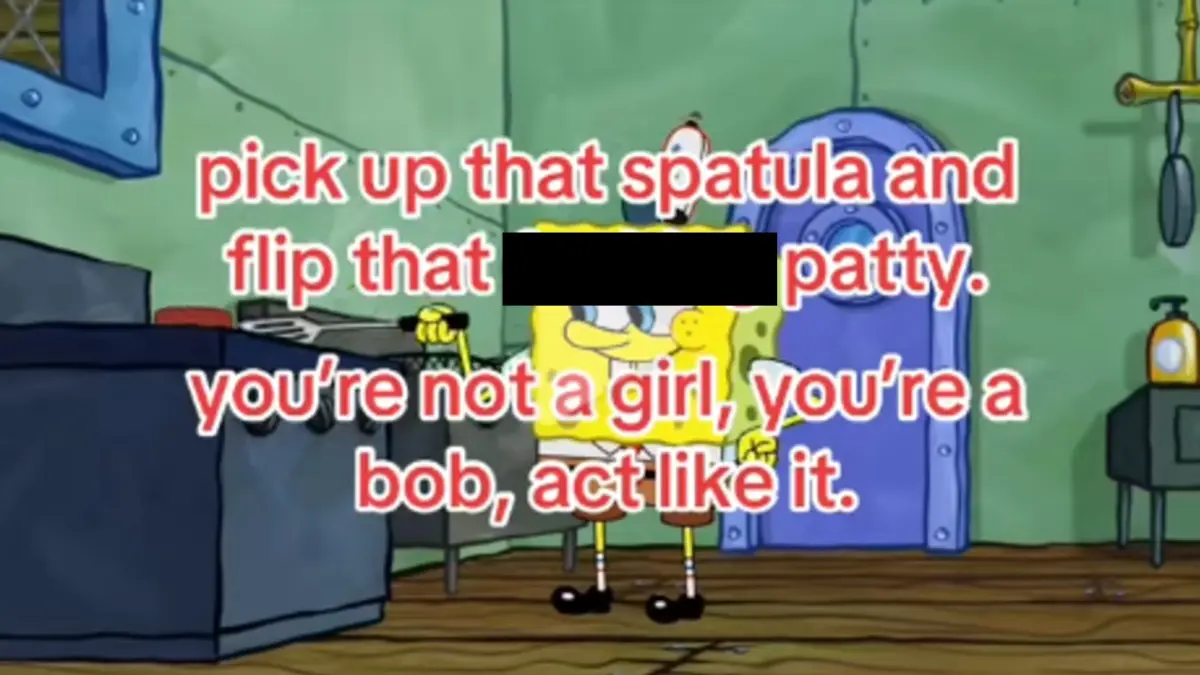
On this date, TikTok user @partypoisonspissk1nk uploaded a short-form video featuring footage pulled directly from SpongeBob SquarePants. The video was anchored by an arresting, deadpan caption:
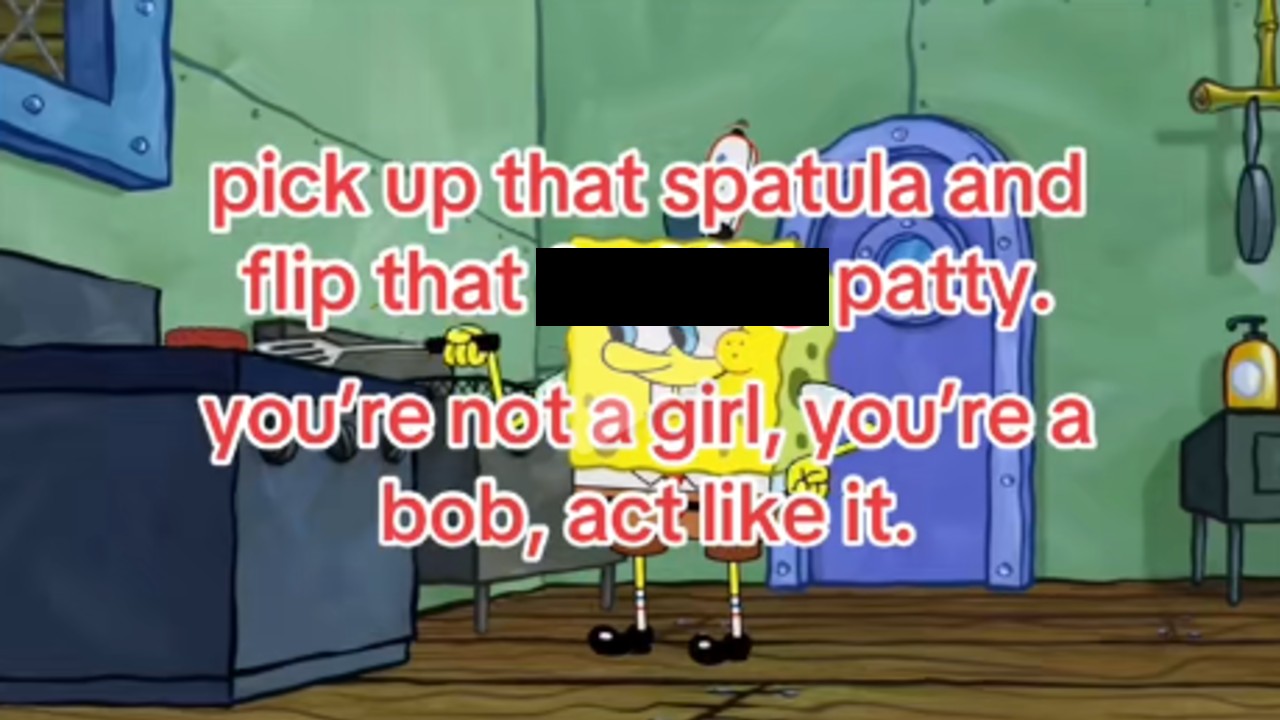
"Pick up that spatula and flip that fucking patty. You’re not a girl, you’re a Bob, act like it."
The juxtaposition of dramatic, intense psychological coercion—a stylistic trope native to niche fiction and kink communities—with the mundane, absurd reality of working as a short-order cook at a fictional underwater fast-food joint struck an immediate chord with viewers. Within three days of its posting, the video accumulated over 301,000 views, signaling that the creator had tapped into a fertile vein of internet comedy. The creator themselves acknowledged the novelty of the bit in the post’s metadata, shouting out another user named Toby for "coming up with forcebob" while tagging the post with hashtags such as #forcebob, #spongebob, #ftm, and #forcemasc.
Rapid Amplification and Cross-Platform Migration
Following the viral traction of the initial post, the Forcebob concept broke containment from its TikTok origins, bleeding rapidly into other major social media ecosystems, most notably X.
- August 15th, 2026: Capitalizing on the burgeoning trend, TikToker @jilly.or.jam published a related Forcebob-themed video. Utilizing a soundscape featuring Madonna’s "Human Nature," the post leaned further into the aesthetic absurdity of the meme, pulling in over 120,000 views within 48 hours and cementing Forcebob as a multi-creator trend.
- August 16th, 2026: The meme achieved mainstream cross-platform velocity when X user @wimblethimble reposted the foundational video by @partypoisonspissk1nk. Accompanied by the caption "tapped in on that #forcebob," the post resonated deeply with the X userbase, securing over 12,000 likes in a single day.
- Later on August 16th, 2026: The cultural confusion and hilarity surrounding the meme peaked when X user @ognyandere shared a screenshot of another viral Forcebob video originally produced by TikTok account @forcebob.hq. Expressing a sentiment shared by many bewildered onlookers, @ognyandere wrote:
"’forcemasc tiktok’ ‘forcefem fyp’ I think I’m lost y’all I’m on forcebob tiktok."
The attached screenshot featured text that epitomized the grim, dystopian corporate reality imposed upon the fictional sponge:
"You wanna lay down? Get some rest today? That’s too bad. You clock in at 8 and you clock out at midnight. No breaks. Be a good little sponge."
This particular post exploded on the platform, pulling in over 205,000 views, 28,000 likes, and thousands of reposts within 24 hours. It effectively served as an onboarding gateway for thousands of users who had previously been unaware of the subgenre, cementing Forcebob as a dominant weekend meme trend.
Supporting Context & Metrics
To fully understand the cultural weight of Forcebob, one must examine the specific internet subcultures it parodies and the quantitative metrics underpinning its spread.
Deconstructing the Parody: Forcefem and Forcemasc Kinks
At its core, Forcebob functions as a sophisticated, post-ironic spoof of "forcefem" (forced feminization) and "forcemasc" (forced masculinization) communities online. Within these specific niche corners of the internet—often found on platforms like Tumblr, Reddit, and specialized Discord servers—roleplay, fictional writing, and interactive media frequently explore themes of identity transformation.
In a traditional forcefem or forcemasc scenario, a protagonist is subjected to social, psychological, or magical pressure to adopt the presentation, pronouns, and lifestyle of a gender identity they may not have initially claimed. The rhetoric often features authoritative, uncompromising demands: "You’re not [X], you’re [Y], start acting like it."
Forcebob brilliantly hijacks this exact cadence, stripping away the genuine psychological exploration of the original tropes and replacing them with the absurd, hyper-capitalist reality of Bikini Bottom. Instead of being forced to transition into a new gender identity, the "victim" of Forcebob is subjected to forced SpongeBobbification: they are ordered to abandon their humanity, embrace porous yellow geometry, master the art of spatula handling, and pledge unwavering loyalty to Mr. Krabs’ grueling shift schedules.
Quantitative Engagement Metrics
The virality of Forcebob is characterized by rapid, high-density engagement loops across short-form video platforms and text-based microblogging sites. Key performance indicators gathered during its mid-August peak include:
- Initial Velocity: The foundational TikTok video by @partypoisonspissk1nk cleared 301,000 views in just 72 hours, bolstered by strong algorithmic push within the
#ftmand#forcemascoverlapping tags. - Secondary Expansion: Follow-up content creators, such as @jilly.or.jam, sustained the momentum, pulling in upwards of 120,000 views in two days.
- Cross-Platform Amplification: On X, the meme achieved higher density per impression. Reposts by accounts like @wimblethimble cleared 12,000 likes in a day, while contextual commentary posts—such as @ognyandere’s screenshot showcase—surpassed 205,000 total views, 28,000 likes, and 3,300 reposts within a 24-hour window.
Visual and Thematic Tropes
As the meme diversified, the community established a distinct visual and linguistic lexicon. Common tropes within Forcebob content include:
- The Spatula Ultimatum: Framing the acquisition of a grilling spatula as a life-altering, irreversible rite of passage.
- The Corporate Dystopia of the Krusty Krab: Treating employment under Mr. Krabs not as a minimum-wage job, but as an inescapable, cult-like incarceration characterized by zero breaks and midnight shift changes.
- Olfactory Satire: Parodying high-end fragrance or lifestyle reviews by attributing absurd scent profiles to the Forcebob lifestyle—such as a mixture of skin musk, sweat, rose, powdered sugar, sea salt, sea water, pineapple, meat, and lettuce.
Official Statements and Community Reaction
Because Forcebob originated as a decentralized, grassroots community meme rather than a corporate marketing campaign or institutional initiative, there are no official press releases or statements from major corporate entities like Paramount or Nickelodeon regarding the trend. However, the community reaction across social media provides a fascinating look at how internet users process niche internet humor.
Reactions can be broadly categorized into three distinct camps:
- The Initiators and Connoisseurs: Users embedded within queer and alternative TikTok subcultures who understood the stylistic references to
forcemascandforcefemcontent. For this group, Forcebob was viewed as a stroke of genius—a way to gently poke fun at the melodrama inherent in niche internet roleplay by substituting profound existential transformation with cartoon fast-food labor. - The Confused Onlookers: A massive wave of mainstream users who encountered the meme via X screenshots or TikTok’s "For You" page without any prior context for the kink communities being parodied. Their reactions—exemplified by posts expressing confusion about being "lost on Forcebob TikTok"—contributed significantly to the meme’s viral spread, as curiosity drove thousands of users to investigate the hashtag.
- The Surrealist Humor Enthusiasts: A contingent of internet users who simply appreciated the sheer absurdity of the premise. For these users, the idea of an authority figure standing over someone and sternly declaring, "You’re not a girl, you’re a Bob, act like it," represents the pinnacle of modern, hyper-ironic internet dadaism.
Future Outlook
As August 2026 progresses, the trajectory of Forcebob raises familiar questions regarding the lifespan of hyper-niche internet memes. Can a joke built upon such a specific subcultural inversion sustain long-term engagement, or is it destined to burn brightly for a week before fading into digital obscurity?
Saturation and Evolution
Historically, memes that bridge the gap between niche subcultural roleplay (like forcemasc) and universally recognized pop-culture mainstays (like SpongeBob SquarePants) possess a unique survival mechanism: modularity. Because the core joke relies entirely on the contrast between an intense, coercive demand and a mundane, ridiculous outcome, creators can endlessly swap out the specifics.
Future iterations of Forcebob may expand beyond the traditional Krusty Krab narrative. We may see derivative sub-genres emerge—such as "Squidwardification" (focused on forced cynicism, clarinet practice, and artistic depression) or "Patrick-pilling" (focused on radical anti-intellectualism and rock-dwelling).
The Mainstream Risk
The primary threat to the longevity of Forcebob is algorithmic burnout. As major aggregator accounts on X and TikTok continue to extract and repackage the initial wave of content, the meme risks losing its subversive edge, transforming into generic "brainrot" content that casual internet users scroll past without a second thought.
Nevertheless, Forcebob has already secured its place in the 2026 meme canon. It stands as a prime example of how internet subcultures continuously cannibalize, remix, and subvert their own tropes, proving once again that no piece of media—whether it is a niche identity kink or a beloved 1999 animated sitcom—is ever truly safe from the imaginative machinery of the modern web.
Whether internet users like it or not, the message remains clear: Pick up that spatula, you’re not yourself—you’re a Bob, now act like it.