By Ryan Epps
Published November 20, 2026
Executive Overview
The canon of science-fiction literature is home to countless unforgettable endings. From the short, devastating retrospective of George Orwell’s 1984 (“He loved Big Brother”) to the defiant, cosmic survivalism found in modern epics like The Three-Body Problem, the finest speculative fiction never settles for comfortable closure. Instead, great endings reframe everything that came before them, leaving readers suspended in the aftermath. They force us to stew in the terrifying logic of cold technology, the profound fragility of human nature, and the vast, uncaring expanse of the cosmos.
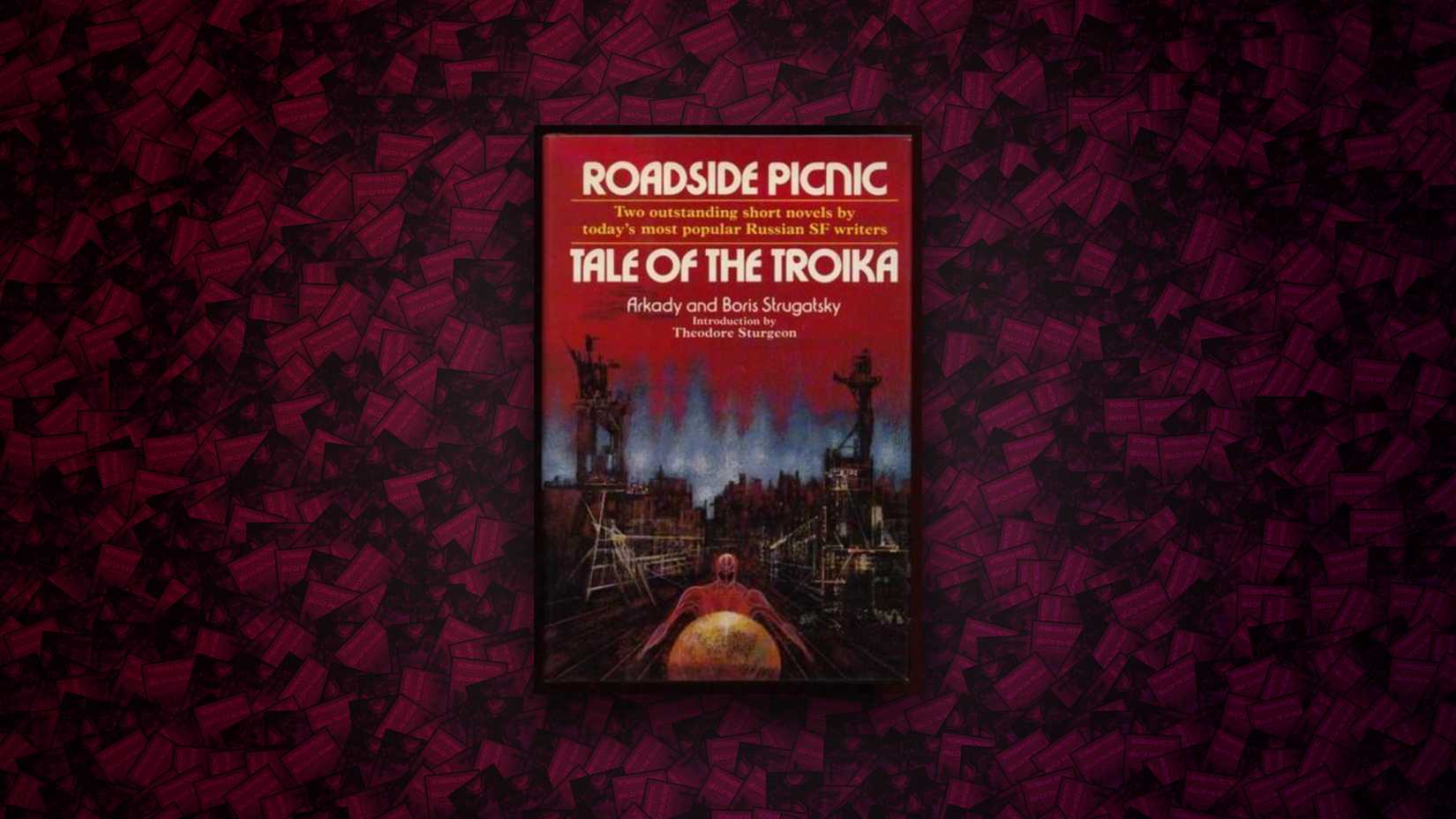
Yet, among these towering achievements of world literature, few lines resonate as deeply—or haunt as persistently—as the closing moments of Arkady and Boris Strugatsky’s 1972 masterwork, Roadside Picnic. Far removed from space operas, intergalactic wars, or optimistic techno-utopias, this grounded Soviet-era masterpiece treats first contact not as an arrival of gods or adversaries, but as an accidental encounter with passing celestial tourists.
When the novel’s weary, morally compromised protagonist, Redrick Schuhart, finally reaches the legendary Golden Sphere—a wish-granting alien artifact—his journey does not culminate in enlightenment, riches, or personal redemption. Instead, it ends in a psychological collapse. Falling to his knees after sacrificing a naive companion, Redrick echoes a desperate plea into the void:
“HAPPINESS, FREE, FOR EVERYONE, AND LET NO ONE BE FORGOTTEN!”
This comprehensive retrospective explores the structural brilliance, translational evolution, historical context, and enduring cultural legacy of Roadside Picnic’s final words, examining why a half-century later, this desperate, stolen prayer remains one of the greatest closing sentiments science fiction has ever produced.
Detailed Chronology: The Making and Translation of a Soviet Sci-Fi Milestone
To truly understand the weight of Redrick Schuhart’s final plea, one must trace the turbulent history of Roadside Picnic from its conception on the page to its fractured journey across international borders and linguistic divides.
1. The Genesis of the Zone (1970–1972)
Authored by brothers Arkady and Boris Strugatsky during the height of the Soviet era, Roadside Picnic was conceptualized as a subversion of traditional alien-encounter tropes. Rather than portraying humanity as the center of the universe—or even as a species worthy of deliberate attention—the Strugatskys imagined Earth as a roadside ditch.
In the novel’s lore, extraterrestrial visitors touch down across six isolated sectors on our planet, linger briefly without ever acknowledging human life, and vanish as abruptly as they arrived. What they leave behind is not advanced technology or cosmic wisdom, but "spatial litter"—deadly, physics-defying anomalies and inexplicable artifacts. These quarantine zones, universally known as "Zones," become dystopian frontiers where state-sanctioned science rubs shoulders with desperate, illegal black-market scavengers known as "Stalkers."
2. Soviet Serialization and State Censorship (1972–1977)
When the novel was first serialized in the Soviet literary magazine Avrora in 1972, it immediately collided with the rigid ideological machinery of state censorship. The Soviet cultural apparatus was deeply suspicious of speculative fiction that strayed too far into existential despair, moral ambiguity, or anti-authoritarian cynicism.
Consequently, the text was subjected to sweeping editorial interventions. Scenes depicting state corruption, black-market drug use, and Redrick’s bleak psychological degradation were altered or excised entirely. When the first English translation by Antonina W. Bouis hit Western markets in 1977, it was inextricably bound to this heavily sanitized and altered Soviet edition.
3. The Uncensored Restoration (2012)
For decades, English-speaking readers knew a version of Roadside Picnic that lacked its original moral edge. That changed in 2012, when translator Olena Bormashenko published a brand-new, definitive English translation based on the Strugatskys’ original, uncompromised Russian manuscript.

Bormashenko’s translation restored crucial thematic nuances, most notably transforming the placid, transactional phrasing of the original English ending—"Happiness for everybody, free, and no one will go away unsatisfied!"—into a soul-tearing, all-caps internal scream:
“HAPPINESS, FREE, FOR EVERYONE, AND LET NO ONE BE FORGOTTEN!”
This textual evolution transformed how modern readers interpret the book, shifting the final line from a tired wish into an act of profound, desperate resistance against a cold universe.
Supporting Context & Metrics: Analyzing the Linguistic and Thematic Nuances
The power of Roadside Picnic lies in the stark contrast between the harshness of its world and the radical grace of its conclusion. To appreciate how this balance is struck, we must examine the mechanics of Redrick’s breakdown and the linguistic choices defining his final words.
The Anatomy of a Breakdown
Redrick Schuhart is no hero. By the time he penetrates the deepest heart of the Zone to find the Golden Sphere, he is an exhausted, hardened criminal. He has spent his life exploiting the dead zone for contraband, surviving by wit and ruthless self-preservation. To reach the Sphere, he knowingly sacrifices Arthur, a naive young companion whose innocence acts as a human shield against a lethal spatial anomaly.
When Redrick sits before the wish-granting artifact, he experiences a complete psychological shattering. Traumatized, guilt-ridden, and utterly hollowed out by a lifetime of violence, he realizes he is incapable of formulating a single selfless thought of his own. He cannot ask for wealth, or power, or peace, because his mind has been warped by a cruel society. In his moment of total collapse, he can only echo the dead boy’s final idealistic words back to the machine.
Translation Comparison Matrix
| Translation Element | 1977 Translation (Antonina W. Bouis) | 2012 Translation (Olena Bormashenko) |
|---|---|---|
| Stylistic Tone | Pragmatic, transactional, weary. | Urgent, agonizing, universal scream. |
| Formatting | Standard prose paragraph. | All-caps stylistic emphasis. |
| Key Vocabulary | "No one will go away unsatisfied" | "Let no one be forgotten" |
| Thematic Implication | Reflects a black-market dealer’s mindset—getting everyone their fair cut of goods. | Directly translates the Russian root obizhennym (wronged/slighted), emphasizing human dignity. |
Both renderings converge on the same tragic core: a broken man using a godlike power to beg for the basic human grace he was never able to afford in life.
Official Statements & Critical Perspectives
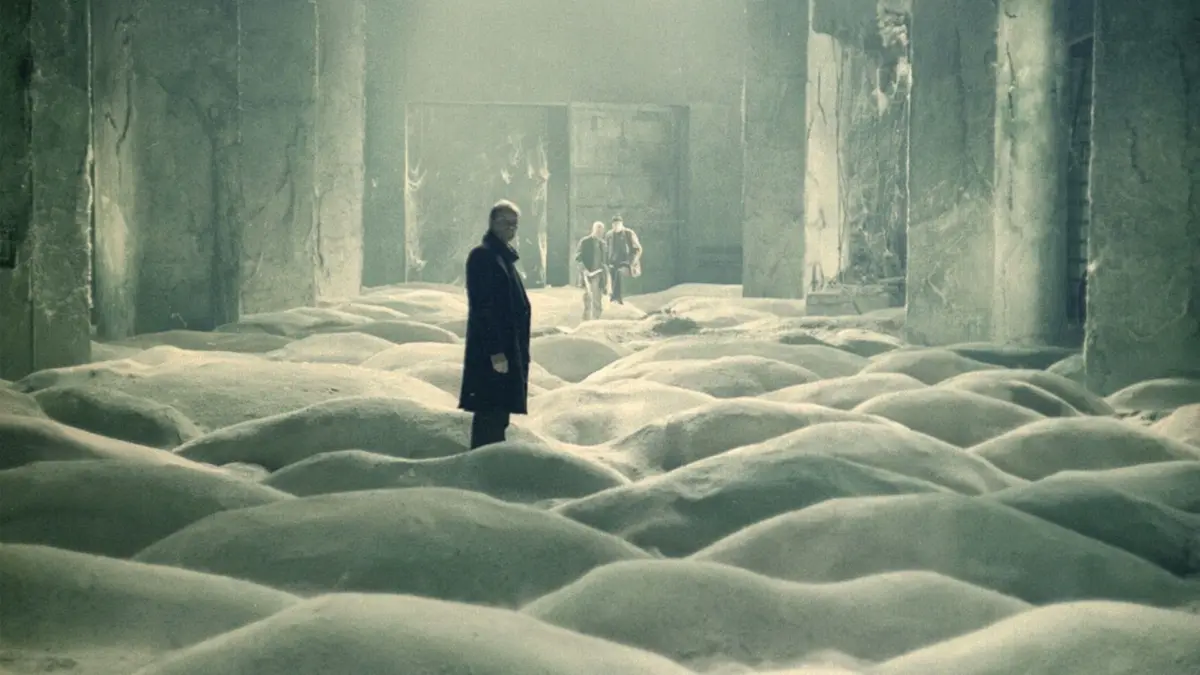
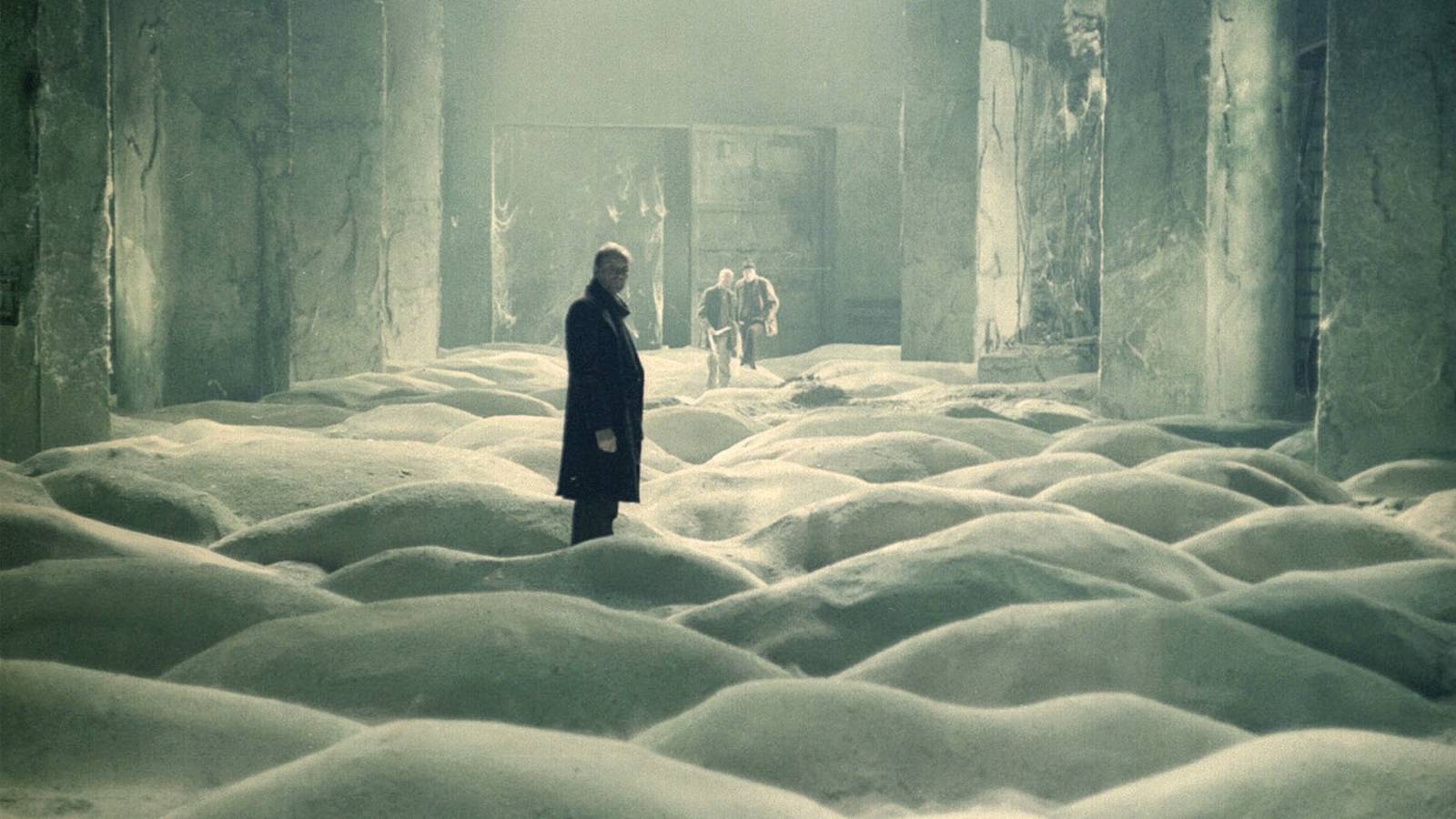
Literary critics, filmmakers, and philosophers have spent over fifty years dissecting the cultural impact of Roadside Picnic. Its influence stretches far beyond the printed page, most notably inspiring Andrei Tarkovsky’s masterwork film Stalker (1979) and GSC Game World’s critically acclaimed S.T.A.L.K.E.R. video game franchise.
Andrei Tarkovsky on the Void
While Tarkovsky’s cinematic adaptation diverges heavily from the novel’s plot, it retains the atmospheric dread and philosophical weight of the Zone. Speaking on the thematic core of the Strugatskys’ universe, Tarkovsky noted in his memoir Sculpting in Time:
"The Zone is not a place; it is a test. It forces a person to confront who they truly are when stripped of societal armor, safety nets, and ideological comfort."
Literary Scholarship on Universal Grace
In modern academic circles, scholars often point to Redrick’s final wish as a subversion of the classic "monkey’s paw" trope. Unlike magical artifacts designed to punish human greed with ironic twists, the Golden Sphere sits silent and indifferent.
As literary historian Dr. Elena Rostova observes in her analysis of Soviet speculative fiction:

"The tragedy of Roadside Picnic is that Redrick does not know if the Sphere is listening, or if it even cares. His plea is an act of radical faith in a godless universe. He demands universal happiness not because he expects a reward, but because the alternative—accepting a world where some must be thrown to the wolves—has become entirely unlivable."
Future Outlook: The Enduring Legacy of the Zone
As we look toward the future of speculative fiction and interactive media, the DNA of Roadside Picnic remains ubiquitous. The concept of the "Zone"—a contaminated, anomalous frontier where normal rules of physics and morality break down—has become a foundational trope in modern science fiction, visible everywhere from Jeff VanderMeer’s Area X (Annihilation) series to contemporary survival-horror video games.
Yet, amidst all the mutated monsters, anomalous artifacts, and grim survivalist narratives inspired by the Strugatskys’ work, it is the emotional heartbeat of the original novel that continues to outshine its progeny.
In an era increasingly defined by isolation, algorithmic division, and planetary-scale anxiety, Redrick Schuhart’s desperate, stolen cry—HAPPINESS, FREE, FOR EVERYONE, AND LET NO ONE BE FORGOTTEN!—retains an urgent, piercing relevance. It reminds us that even within the coldest, most indifferent cosmic wasteland, the ultimate human impulse is not to conquer or hoard, but to ensure that no one is left out in the cold.