The Rise of the Kidult: How Adult Play Is Reshaping the Global Toy Industry and Rewiring the Modern Brain
Executive Overview
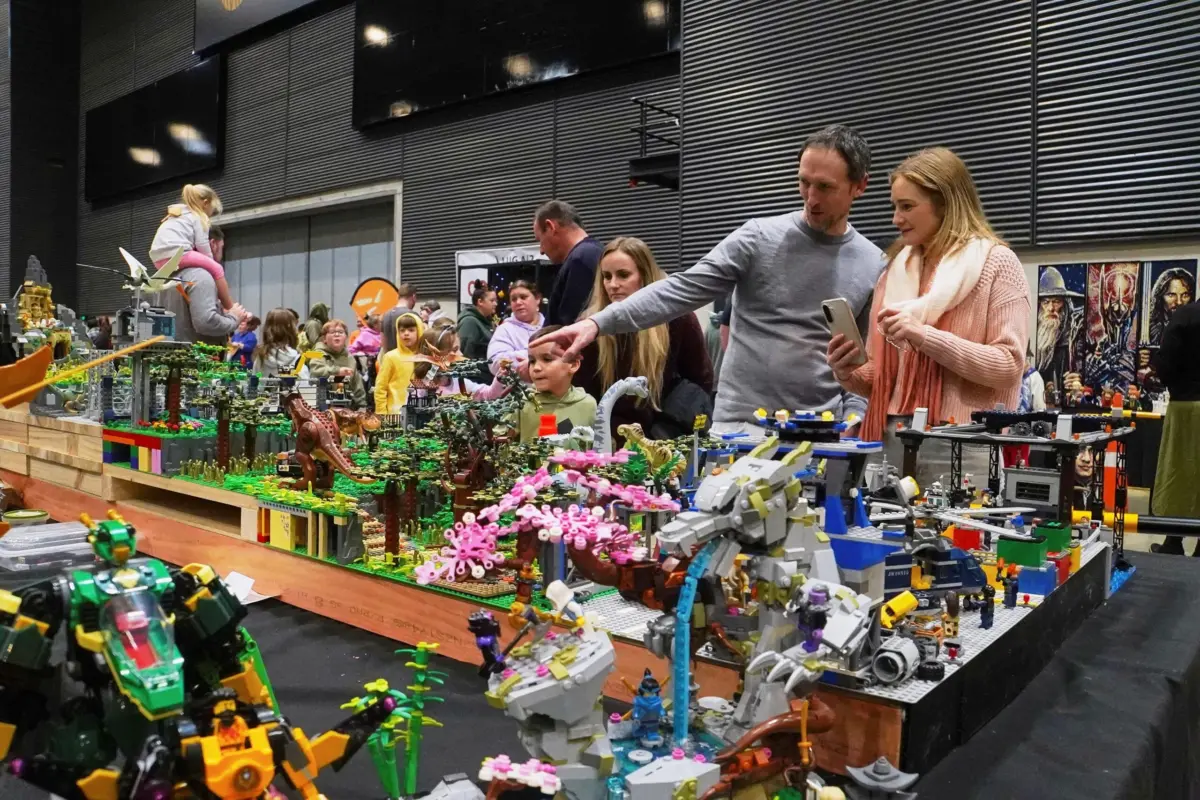
In a bustling specialty toy store, aisles packed with floor-to-ceiling displays of Labubus, Funko Pops, croissant-shaped Jellycats, and intricate Hello Kitty merchandise hum with energy. Yet, a closer inspection reveals a striking demographic shift: the patrons clustered around the shelves are not wide-eyed children, but adults in their twenties, thirties, and beyond. Their faces radiate the exact brand of unadulterated joy typically reserved for youth.
This retail observation is not an isolated anomaly; it is the visible vanguard of a massive cultural and economic transformation. The global toy industry, a juggernaut projected to exceed $130 billion this year, is increasingly being propelled not by households with children, but by adults purchasing for themselves. Market data from recent quarters highlights that American adults without children have surpassed traditional family households in game and toy acquisition.
This phenomenon has given rise to the cultural archetype of the "kidult"—grown-ups who refuse to permanently store away the toy box. While critics historically dismissed this trend as mere consumerist regression or a symptom of arrested development, neuroscientists and play researchers are offering a radically different perspective. Far from being a frivolous escape from reality, engaging with toys is proving to be a biological imperative. Experts argue that play acts as a crucial restorative counterweight to the relentless demands of modern hustle culture, offering profound cognitive, emotional, and neurological benefits across the entire human lifespan.
Detailed Chronology: From Playground Bans to the Retail Renaissance
To understand how modern society arrived at the current "kidult" boom, one must trace the historical trajectory of how play has been conceptualized, commodified, and ultimately stripped from the adult experience.
The Childhood Monopoly (Mid-to-Late 20th Century)
For decades, the cultural consensus dictated a rigid timeline for human development: infancy and childhood were designated as the exclusive domains of play, while adulthood was strictly reserved for productivity, utility, and labor. As children matured into teenagers, societal expectations systematically squeezed out imaginative, unstructured recreation. The prevailing educational and parenting paradigms dictated that if an activity did not have an immediate, tangible purpose tied to future academic or career success, it was a waste of time.
During this era, parents and educators increasingly replaced free play with hyper-structured environments—competitive sports leagues, academic tutoring, and resume-building extracurriculars. This transition imperceptibly swapped intrinsic motivation for extrinsic validation, planting the early seeds of modern burnout.
The Commercialization of Nostalgia (Early 2000s)
As the children of the 1980s and 1990s entered adulthood, the entertainment and toy industries recognized a lucrative emotional vulnerability: nostalgia. Early movements manifested as comic book conventions, retro gaming communities, and adult collectors of action figures and vintage Lego sets. However, these subcultures were often marginalized as niche hobbies or obsessive fandoms rather than mainstream consumer behaviors.
The Digital Burnout and Pandemic Catalyst (2020–2023)
The COVID-19 pandemic served as a critical acceleration point. Confined to homes and subjected to unprecedented psychological stress, isolation, and screen fatigue, adults instinctively sought comfort in tactile, analog pastimes. Board game sales surged, crafting supplies vanished from shelves, and adults rediscovered the therapeutic value of building blocks and collectible figures. Concurrently, the rise of algorithmic social media platforms paradoxically heightened anxiety while making niche subcultures more visible, creating a digital marketplace where adults could openly share their love for plushies and designer art toys without social stigma.
The Modern "Kidult" Era (Present Day)
Today, the toy industry has formally acknowledged this demographic. Major manufacturers like Mattel, Hasbro, and Lego have dedicated entire product lines, marketing campaigns, and collector tiers specifically tailored to adult buyers. Specialty retailers have redesigned their store layouts to appeal to mature aesthetics, transforming toy shopping from a parental chore into an immersive, experiential leisure activity for adults seeking refuge from the digital grind.
Supporting Context & Metrics: The Economics of Play
The quantitative data underpinning the kidult phenomenon reveals a massive realignment in consumer spending habits.
- Market Valuation: The worldwide toy and hobby market is tracking past the $130 billion milestone, driven heavily by mature demographics who possess disposable income and a desire for experiential, tangible goods.
- Demographic Shift: Recent retail tracking data indicates that adult consumers without children have become a primary growth engine for the toy sector, outpacing traditional family-with-children demographics in specific toy and game categories.
- The Screen-Time Paradox: While digital entertainment dominates modern leisure, studies show that excessive passive screen time leaves consumers feeling drained, anxious, and emotionally depleted. In contrast, physical play engages fine motor skills and tactile feedback, offering a genuine neurological reset.
Official Statements and Expert Insights
To dissect the neurological and psychological mechanisms driving this trend, experts emphasize that the human drive to play is not a learned behavior, but a deeply embedded biological blueprint.
Mia Sundstrom, CEO of the National Institute for Play, explains that society fundamentally misunderstands the lifespan of human playfulness.
"The drive to play is actually biologically hardwired into our subcortex," Sundstrom notes. "Because of that subcortical location, the drive to play actually lasts across the entire lifespan, which means that we’re never too old to play. But our society deeply misunderstands that. We’ve slowly started to take play away as we grow up, and yet that drive is still there."
The Hand-Brain Connection and Neuroplasticity
Addressing what occurs inside the adult brain during play, Sundstrom points to neuroplasticity—the brain’s lifelong ability to adapt and form new neural pathways.
"The primary reason is because of the hand-brain connection, which is essentially a two-way neurological highway," Sundstrom explains. "When we do fine motor movement while we’re playing with toys, it stimulates the brain regions that are responsible for our cognitive function, our emotion, and our focus. It activates these deep neural networks that go completely unused when we’re engaging in, say, passive screen time."
Furthermore, play introduces an environment free from high-stakes consequences. "When we’re playing with a toy, we’re often doing something we’ve never done before, because play is a space where experimentation and risk-taking and mistakes happen. That is actually stimulating new neural pathways in our brain that support our long-term cognitive health."
Calming the Amygdala
In an era defined by chronic stress and hyper-connectivity, the emotional reset provided by toys offers a vital physiological refuge.
"The second big one is our amygdala, which is a key part of our emotional processing center in our brain, is relaxed in the state of play," Sundstrom states. "A lot of us live in a stress response right now. Social media doesn’t really take us out of that stress response. It often leaves us feeling more stressed out or drained when we’re done."
When adults engage in play, however, the biological script flips. "Our amygdala actually calms down. The amygdala is responsible for our stress response. So our stress, our anxiety, our emotional defensiveness are significantly reduced, and we enter that restorative state, which for a lot of us is really hard to access on the day-to-day."
Dismantling Hustle Culture
When asked about the societal pressures that lead adults to abandon toys, Sundstrom points to the unyielding grip of productivity culture.
"We see playing with toys as extra, as a hobby, as something that doesn’t have an immediate purpose toward helping us achieve whatever our goals are," Sundstrom observes. "And yet paradoxically, it’s one of the most productive things we can do. The creative mind flourishes in the space in between, and the space in between is the time that is spent playing with toys."
Future Outlook: Relearning How to Play in a Complex World
As the cultural stigma surrounding adult play continues to dissolve, the future outlook points toward a more integrated, compassionate approach to mental well-being. Experts suggest that reclaiming play does not require carving out massive blocks of time from an already overburdened schedule; rather, it involves introducing micro-moments of joy into daily routines.
Practical Steps for Reintroducing Play
- Connect with Early Memories: Reflect on childhood playstyles to understand innate preferences—whether that involves building, solving puzzles, collecting, or storytelling.
- Embrace Micro-Moments: Acknowledge that even thirty seconds to five minutes of playful interaction per day can stimulate neural pathways and lower stress responses.
- Design for Accessibility: Place tangible, playful objects in visible environments (such as a desk toy or tactile puzzle) to serve as physical alternatives to mindless scrolling.
- Reject Optimization: Approach play without productivity metrics, allowing the activity to exist purely for the sake of intrinsic enjoyment.
A Blueprint for Societal Flourishing
Ultimately, the resurgence of the kidult is not merely a quirky retail trend, but a collective psychological correction. In a world dominated by screen-based alienation, economic uncertainty, and relentless productivity demands, toys offer a bridge back to the authentic self.
When adults honor their biological need for play, they cultivate emotional resilience, foster deeper interpersonal connections, and build a more joyful society. Play is not an abandonment of maturity; rather, it is the ultimate tool for sustaining it.