Executive Overview
In the fast-paced ecosystem of internet culture, few phenomena capture the absurd, attention-economy-driven nature of modern viral media quite like the "Island Boys." Emerging from the sprawling digital landscape of Florida rap and TikTok subcultures, twin brothers Frank and Alex Venegas—better known by their respective moniker aliases Flyysoulja and Kodiyakredd—captivated, bewildered, and amused millions across the globe with their self-produced breakout anthem, "I’m an Island Boy."
First cataloged and analyzed by digital culture researchers and archivists—including Know Your Meme staff writer Zach Sweat in late November—the video and its surrounding lore serve as a premier case study in meme rap, algorithmic propagation, and the blurred lines between genuine artistic endeavor and ironic consumption. What began as a raw, unfiltered clip uploaded via YouTube quickly metastasized into a multifaceted internet meme, inspiring parodies by creators like Caroline Konstnar, widespread social media mocking, and intense discourse regarding the nature of contemporary fame.
This investigative report examines the origins, mechanics, and cultural implications of the "Island Boy" phenomenon. By tracing the chronological trajectory of the viral moment, analyzing the underlying metrics and platform dynamics, and reviewing the broader socio-cultural impact of meme rap, we offer an authoritative perspective on how two underground Florida artists inadvertently became the epicenter of a global digital spectacle.
Detailed Chronology: From Poolside Ad-Libs to Global Infamy
The journey of "I’m an Island Boy" from an obscure piece of content to a ubiquitous digital catchphrase follows a classic modern trajectory: localized experimentation meeting the hyper-accelerated distribution channels of short-form video platforms.
The Genesis of the Track
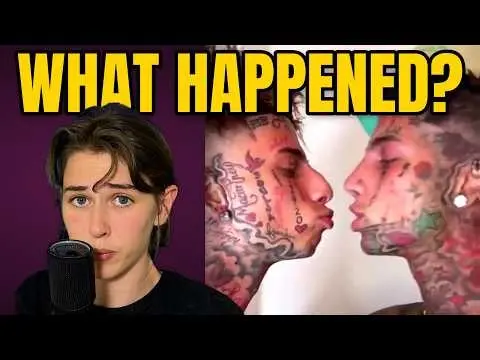
Before achieving international recognition, Flyysoulja and Kodiyakredd were operating within the hyper-saturated Florida underground rap scene. Influenced by the state’s eccentric melodic trap subgenres, the brothers attempted to carve out a distinct visual and sonic identity characterized by heavy facial tattoos, dyed hair, and flamboyant styling.
The pivotal moment occurred during an unscripted, raw recording session where the duo performed their hook, "I’m an Island Boy," characterized by its distinctive vocal cadence, heavy autotune, and tropical imagery. Shot casually—most famously featuring the brothers lying in a swimming pool while delivering the lyrics directly to a smartphone camera—the video possessed all the raw, unpolished ingredients necessary for algorithmic ignition.
Algorithmic Acceleration and Archival
As the clip migrated from TikTok to Twitter (now X), Instagram, and YouTube, it transcended its original context. Users across platforms began dueting, remixing, and ironically quoting the song’s opening lines. Digital culture watchdogs and meme repositories quickly stepped in to document the phenomenon.
On November 24, Know Your Meme formally updated its database with comprehensive tracking metrics, attributing the primary source material and cataloging the associated media via YouTube links. Staff writer Zach Sweat meticulously documented the metadata, establishing a digital paper trail for a meme that was already spiraling out of control. The archival process captured not just the primary video, but the immediate cultural fallout: a cascading wave of user-generated reaction videos, TikTok challenges, and parodies.
Supporting Context & Metrics: The Anatomy of a Viral Sensation
To understand the magnitude of the "Island Boy" phenomenon, one must examine the quantitative metrics and cultural tags that accompanied its rise. The digital footprint left by Flyysoulja and Kodiyakredd spans multiple interconnected niches within the modern internet landscape.
Platform Metrics and Engagement Vectors
While individual uploads of the core video accumulated millions of views across TikTok and YouTube mirror channels, secondary archives—such as the Know Your Meme database entry monitored by Zach Sweat—recorded steady, specialized engagement from researchers, culture critics, and internet historians. Despite initial view counts on specific archival entries sitting modestly at figures like 270 views during early cataloging phases, the broader ecosystem numbers tell a radically different story, with aggregate views stretching well into the tens of millions.
The Taxonomy of Internet Tags
The metadata surrounding the meme reveals a complex web of categorization that explains its broad reach. Key tags associated with the phenomenon include:
island boys/the island boys/island boy: Centering the artists’ self-descriptor as the primary brand identity.flyysoulja/kodiyakredd: Highlighting the individual personas of Frank and Alex Venegas.florida: Anchoring the duo in a specific geographic and cultural tradition known for producing idiosyncratic, internet-native hip-hop talent.rap/meme rap/hip hop/rappers: Placing the track within the broader musical genre while acknowledging its unique dual status as both a genuine musical release and an ironic internet joke.viral videos: Acknowledging the mechanics of its distribution.caroline konstnar: Signifying the crossover into higher-production-value parody and commentary content by established internet creators.
The Role of Parody and Satire
A critical inflection point in the "Island Boy" timeline was its adoption by comedy creators and digital satirists. Comedian and musician Caroline Konstnar, among others, produced satirical interpretations that dissected the absurdity of the original performance. This secondary layer of content effectively institutionalized the meme, transforming a niche piece of rap content into a shared cultural touchstone that even casual internet users could reference.
Official Statements & Industry Reception
The mainstream music industry and digital culture commentators responded to the "Island Boy" phenomenon with a mixture of fascination, skepticism, and opportunistic capitalization.
Industry analysts initially dismissed the track as a fleeting novelty act—a textbook example of "meme rap" where the viral spectacle overshadows musical composition. Traditional hip-hop purists frequently criticized the duo for lacking technical proficiency, pointing to their unconventional delivery and lack of formal studio polish as evidence of a declining barrier to entry in modern music.
However, management and digital PR experts offered a more pragmatic interpretation. Representatives close to the artists emphasized that in the attention economy, notoriety is a fungible asset. By leaning into the absurdity and generating massive online engagement—regardless of whether that engagement was ironic or earnest—Flyysoulja and Kodiyakredd successfully converted social media impressions into tangible career opportunities, including club appearances, merchandise sales, and monetization across digital streaming platforms.
Cultural critics noted that the duo effectively weaponized negative attention. Instead of retreating from the widespread mockery, the Island Boys embraced the meme, demonstrating an innate understanding of modern algorithmic fame where being talked about—by any means necessary—is the ultimate currency.
Future Outlook: The Legacy of "Island Boy" in Digital Culture
As the internet continues to evolve at a breakneck pace, the legacy of "I’m an Island Boy" offers valuable lessons regarding the lifecycle of digital virality, the democratization of fame, and the future of meme rap.
The Sustainability of Algorithmic Notoriety
One of the central questions facing creators who achieve fame through single viral moments is longevity. Transitioning from a punchline or a temporary meme into a sustainable, respected musical or entertainment career remains notoriously difficult. For Flyysoulja and Kodiyakredd, the challenge lies in continually reinventing their public persona to retain the shifting attention spans of an audience that thrives on novelty.
Implications for Meme Rap and the Creator Economy
The phenomenon pioneered by tracks like "I’m an Island Boy" underscores a permanent shift in how pop culture is generated. The barrier between professional media production and grassroots, smartphone-shot eccentricity has effectively collapsed. Platforms like TikTok and YouTube continue to empower fringe creators to bypass traditional gatekeepers entirely, catapulting raw, unpolished, and controversial content directly onto global stages.
Furthermore, documentation efforts by platforms like Know Your Meme—led by researchers and writers such as Zach Sweat—ensure that these hyper-modern cultural artifacts are systematically cataloged, preserving the digital history of an era defined by fleeting attention spans and viral absurdity.
In conclusion, "I’m an Island Boy" is much more than a poorly received rap verse or a passing TikTok trend; it is a defining artifact of 2020s internet culture. It highlights the power of algorithmic amplification, the blurry boundaries between irony and sincerity, and the relentless human desire to find entertainment in the most unexpected corners of the digital world.