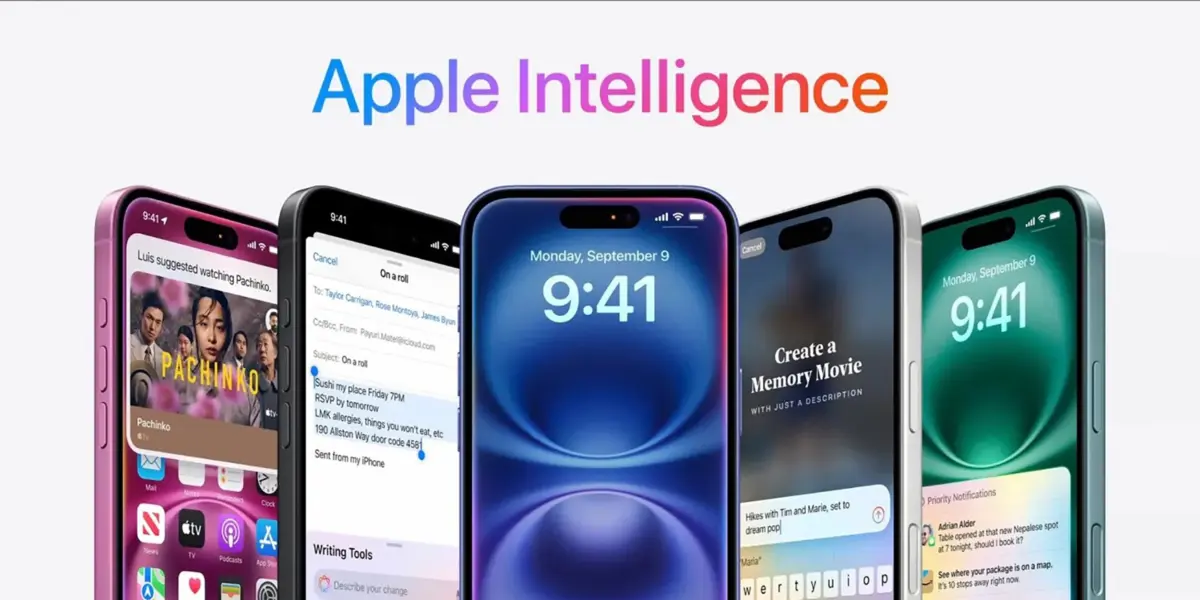
SEOUL — Apple’s aggressive marketing campaign surrounding its generative artificial intelligence suite, Apple Intelligence, has officially landed the tech giant in regulatory crosshairs in East Asia. South Korea’s Fair Trade Commission (KFTC) announced today that it has opened formal proceedings against Apple, accusing the company of misleading consumers through deceptive advertising practices during the global rollout of the iPhone 16 lineup.
The regulatory escalation follows months of mounting international scrutiny regarding delayed AI features, missed rollout deadlines, and marketing campaigns that consumer advocates argue painted a false picture of product capabilities at launch. With potential financial penalties looming in the tens of millions of dollars, the case threatens to set a significant precedent for how tech companies market speculative or staggered software features to global consumers.
Executive Overview
The KFTC’s formal action stems from an intensive investigation launched in March 2025. The inquiry was triggered by a formal complaint filed by the Seoul YMCA, a prominent South Korean civic organization. Investigators concluded that Apple heavily promoted high-profile Apple Intelligence and next-generation Siri capabilities—such as personal context awareness, advanced image generation, and step-by-step device guidance—while allegedly concealing, downplaying, or omitting crucial details regarding extensive delays in regional language support and feature availability.
According to KFTC investigators, Apple’s conduct violated South Korea’s Labeling and Advertising Act. The regulatory body has recommended issuing corrective orders and imposing a substantial financial penalty. While the exact fine has yet to be finalized by the Commission, regional estimates suggest the penalty could range anywhere from $21 million to $48 million USD, calculated against an estimated 3.35 trillion won ($2.5 billion USD) in revenue associated with the disputed product sales.
Apple now faces a narrow window of six weeks to submit its written defense before the KFTC hears oral arguments and issues a binding legal determination.
Detailed Chronology: From Launch Hype to Regulatory Crackdown
The roots of the South Korean investigation stretch back to the autumn of 2024, a pivotal period during which Apple sought to position the iPhone 16 lineup as the vanguard of a new AI-driven era of mobile computing.
The 2024 Launch and Heavy Marketing Blitz
When Apple unveiled the iPhone 16 series in September 2024, Apple Intelligence was billed as a central pillar of the device’s value proposition. The marketing campaign was omnipresent. Apple transformed its iconic Fifth Avenue flagship store in New York City with an immersive, glowing Apple Intelligence aesthetic and rolled out high-profile global commercials featuring actress Bella Ramsey.

Throughout these campaigns, consumers were led to believe that advanced AI tools—including Genmoji, Image Playground, deeper Siri integration, and advanced writing tools—would redefine their smartphone experience. However, beneath the glossy marketing lay a fragmented and delayed development timeline.
The March 2025 Turning Point
By early 2025, it became clear that the rollout of several flagship AI features—particularly those involving advanced, conversational Siri iterations—would face severe delays. Frustrated by the discrepancy between marketing promises and actual software availability, the Seoul YMCA stepped in.
In March 2025, the organization filed a formal complaint with the KFTC. The group publicly accused Apple of deceptive trade practices, alleging that the company continued to aggressively market iPhone 16 AI capabilities even after internal stakeholders were reportedly aware that significant delays were inevitable. The Seoul YMCA initially called on Apple to offer direct financial compensation to affected South Korean consumers who purchased the hardware expecting immediate access to fully realized AI tools.
The KFTC Investigation and Findings
Acting on the consumer complaint, the KFTC launched a comprehensive probe into Apple’s regional advertising materials. On November 26, 2026, KFTC investigators officially submitted their findings to the Commission.
The investigative report highlighted a glaring disparity between Apple’s promotional timelines and reality. For instance:
- Personal Context Siri: Apple’s promotional materials claimed that Siri’s ability to understand personal context would launch globally in US English by late 2024, with Korean language support scheduled to follow closely behind in early April 2025.
- The Reality: The feature did not officially debut in US English until September 2026, and full Korean language support was delayed until October 2026—a delay of roughly a year and a half past the initially implied milestones.
Investigators asserted that by burying these staggered release schedules in fine print or omitting them from primary promotional channels, Apple materially altered consumer purchasing behavior, inducing customers to upgrade under false pretenses.
Supporting Context & Metrics: A Global Pattern of Scrutiny
South Korea is far from an isolated battlefield for Apple’s AI marketing division. The challenges faced by the company in Seoul mirror a broader, worldwide regulatory and legal reckoning over the gap between AI hype and software delivery.

The United States Class Action Settlement
The friction over Apple Intelligence is not just a regulatory headache; it has carried heavy financial consequences elsewhere. Earlier in 2026, Apple agreed to a massive $250 million class-action settlement in the United States to resolve lawsuits brought by consumers who felt misled by the initial iPhone 16 marketing campaigns. Plaintiffs in that case successfully argued that Apple’s promotional materials blurred the line between hardware already capable of running complex AI models locally and software features that were still deep in development.
Regulatory Warnings in Brazil
Simultaneously, international consumer protection agencies have taken notice. In May 2026, consumer protection authorities in Brazil formally notified Apple over similar concerns regarding allegedly misleading advertisements for Apple Intelligence. Regulators across multiple jurisdictions have increasingly scrutinized the tech industry’s tendency to use "vaporware" or forward-looking feature sets to drive hardware upgrade cycles.
Financial Stakes in South Korea
The economic figures underpinning the KFTC case highlight the scale of the market involved:
- Associated Revenue: KFTC investigators estimate that Apple generated approximately 3.35 trillion South Korean won (roughly $2.5 billion USD) in revenue linked to the iPhone 16 lineup during the period of contested advertising.
- Proposed Fines: Local economic publications and news agencies, including Yonhap and KBS, report that the final civil penalty could land anywhere between $21 million and $48 million USD. While these figures represent a fraction of Apple’s quarterly revenue, the reputational damage and the potential precedent for mandatory compliance changes carry far greater weight.
Official Statements and Corporate Defense
Faced with impending sanctions, Apple has mounted a firm defense, cooperating with the KFTC’s investigative process while explicitly rejecting its core conclusions.
In a formal statement provided to industry media, an Apple spokesperson emphasized that the company maintained an open and cooperative dialogue with the KFTC throughout the investigation. However, the tech giant drew a hard line against the allegations of deception.
"We cooperated fully with the KFTC’s investigation, but we respectfully disagree with their conclusions," an Apple representative stated.
Apple pointed to its steady, ongoing software deployment as proof of its good faith, highlighting the successful rollout of Korean-language support for Apple Intelligence last year, followed more recently by the integration of expanded localized Siri AI capabilities. The company maintains that its marketing materials clearly outlined a phased, multi-stage rollout plan common to complex, industry-shifting software architectures rather than static features available on day one.

Future Outlook and Industry Implications
With the investigative report now officially submitted to the Commission, the immediate procedural next steps are clear. Apple has been granted a six-week window to file its comprehensive written defense. Following this submission, the KFTC commissioners will deliberate on the evidence, hear final arguments, and issue a binding legal verdict.
If the Commission sides with its investigators, Apple will not only face a multi-million-dollar fine but will also be subjected to strict corrective advertising orders within South Korea. This could force the company to alter how it promotes future software updates, requiring more explicit, prominent disclaimers regarding regional availability and staggered launch dates.
A Turning Point for AI Marketing
Beyond Apple, the outcome of this case holds profound implications for the wider consumer electronics industry. As tech giants race to dominate the generative AI landscape, the pressure to market speculative features years in advance has intensified.
The KFTC’s aggressive stance against Apple serves as a stern warning to Silicon Valley: regulatory bodies are no longer willing to view delayed AI rollouts as mere software development hiccups. Instead, when billions of dollars in hardware sales are driven by unfulfilled software promises, regulators are increasingly prepared to treat those gaps as violations of consumer protection laws. As the case moves toward its final deliberation in Seoul, tech executives worldwide will be watching closely to see where the legal boundary between visionary marketing and deceptive trade practices is ultimately drawn.