Executive Overview
The evolution of anti-obesity medications has crossed a threshold that few pharmacologists could have predicted a decade ago. First came the injectable blockbusters—drugs like Ozempic, Wegovy, Mounjaro, and Zepbound—that reshaped the global pharmaceutical landscape, upended cultural conversations around weight, and triggered unprecedented corporate windfalls. Then came the transition to oral alternatives, marked by the FDA approval of Eli Lilly’s orforglipron pill, Foundayo.
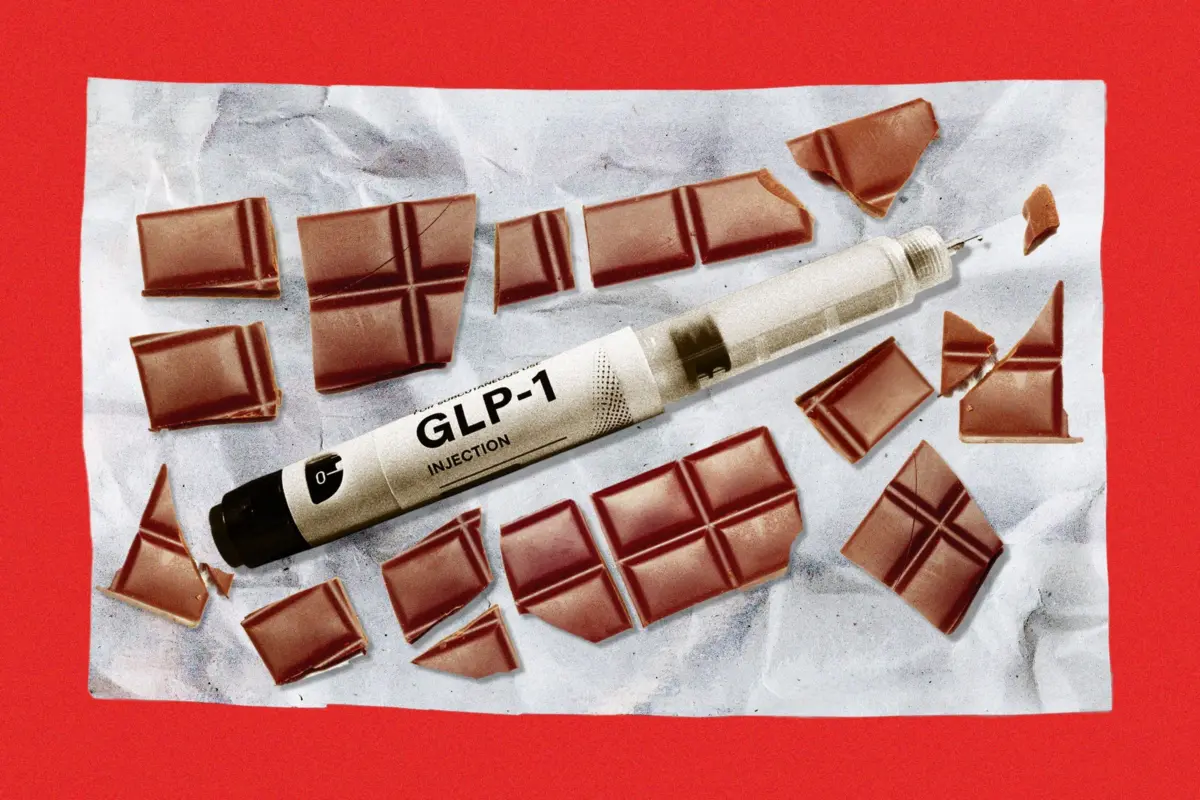
Now, the market has welcomed a new, highly unconventional entrant: GLP-1 chocolate.
Marketed under the brand name "Melt" by telehealth provider Journi Health, these daily edible squares contain orforglipron, the active pharmaceutical ingredient found in Eli Lilly’s prescription weight-loss pill. Pitched as a patient-friendly alternative for individuals who struggle with needles or traditional pills, Melt represents the latest frontier in the booming direct-to-consumer telehealth and compounding pharmacy ecosystem.
However, this confectionary delivery system has ignited a fierce debate among regulators, major pharmaceutical manufacturers, and healthcare providers. While Journi Health defends Melt as an innovative patient-centric solution designed to combat compliance fatigue, industry giants like Eli Lilly view the product as a dangerous, unstudied knockoff that trivializes serious medical treatment into a marketing gimmick.
As the US Food and Drug Administration (FDA) intensifies its scrutiny of unapproved compounded peptides and alternative formulations, the emergence of GLP-1 chocolate highlights a high-stakes clash between rapid telehealth innovation, regulatory compliance, and patient safety.
Detailed Chronology: From Injectable Blockbusters to Edible Formulations
To understand how a prescription-grade weight-loss drug ended up infused into gourmet chocolate squares, it is necessary to trace the rapid, compounding timeline of the GLP-1 revolution.
The Injectable Era and the Supply Crunch (2021–2024)
The modern weight-loss revolution began with the widespread adoption of GLP-1 receptor agonists, originally developed to treat type 2 diabetes. As clinical trials demonstrated remarkable, sustained weight loss, demand skyrocketed. Pharmaceutical titans Novo Nordisk and Eli Lilly found themselves entirely unprepared for the global appetite for their products.
Between 2022 and early 2025, core injectable medications faced severe, protracted shortages. Under federal regulations, when a drug is listed on the FDA’s official drug shortage list, compounding pharmacies are legally permitted to create custom alternative versions of the medication using bulk active pharmaceutical ingredients (APIs). This loophole sparked a massive online market. Telehealth middlemen and compounding pharmacies rushed to fill the void, offering generic compounded versions of semaglutide and tirzepatide at a fraction of the brand-name cost.
The Shift Toward Oral Therapeutics (2024–2025)
Recognizing that patient compliance is heavily dictated by administration preferences, pharmaceutical developers raced to formulate oral options. One of the primary barriers to long-term adoption has always been needle phobia or injection fatigue.
- April 2024: Eli Lilly secures regulatory milestones for orforglipron, leading toward the eventual approval of Foundayo, an oral daily GLP-1 pill designed to mimic the efficacy of injectables without the syringe.
- December 2025: Novo Nordisk achieves a major regulatory milestone when the FDA officially approves an oral tablet version of Wegovy, signaling a permanent market shift away from injectables as the sole paradigm of obesity care.
The Birth of "Melt" and the Telehealth Pivot (Late 2025–Present)
As commercial manufacturing caught up and official drug shortages began to stabilize, the regulatory landscape for compounding pharmacies tightened dramatically. The FDA issued stern warnings that compounding pharmacies could no longer mass-produce "essentially copies" of commercial drugs now that supply chains had normalized.
In response, specialized telehealth platforms began searching for novel ways to differentiate their offerings while navigating regulatory gray areas. Enter Journi Health and its flagship edible offering, Melt. Founded by Luna Yu—who is not a licensed medical doctor—Journi Health introduced the chocolate squares as a customized compounded product requiring a telehealth prescription, neatly positioning the confection as a specialized formulation designed for a distinct patient demographic.
Supporting Context & Metrics: Economics, Demographics, and Compliance
The introduction of Melt is underpinned by clear economic drivers and behavioral health insights regarding patient adherence to chronic disease management medications.
The Consumer Profile and Telehealth Pitch
According to Journi Health, Melt is engineered for three distinct consumer segments:
- The Compliance-Challenged: Patients who experience severe psychological or physiological barriers to traditional administration methods, specifically those who cannot tolerate injections or have severe dysphagia (difficulty swallowing pills).
- The Maintenance Cohort: Individuals who have successfully achieved their target weight on standard GLP-1 regimens and are looking for alternative formats to maintain their progress.
- The Microdosers: Consumers interested in utilizing sub-therapeutic quantities of the active ingredient for putative "longevity benefits" or weight stabilization without the full intensity of standard clinical doses.
Note on Medical Efficacy: Public health researchers and clinical pharmacologists have repeatedly emphasized that taking any GLP-1 medication below the lowest FDA-approved or standard therapeutic dose has not been rigorously tested, validated, or proven effective in controlled human clinical trials.
Financial Breakdown: Brand Names vs. Compounded Edibles
The economic appeal of telehealth-prescribed compounded alternatives often hinges on pricing structures and insurance friction:
| Metric / Feature | Eli Lilly Foundayo (Brand Name) | Journi Health Melt (Compounded Edible) |
|---|---|---|
| Delivery Mechanism | Oral Tablet | Chocolate Square (Edible) |
| Active Ingredient | Orforglipron | Orforglipron |
| Regulatory Status | FDA-Approved Drug | Compounded Custom Formulation |
| Retail / List Price | ~$649 per 30-day supply (pre-insurance) | $189 per monthly subscription |
| Includes Medical Review? | Dependent on prescribing physician / insurance | Yes (via virtual telehealth evaluation) |
| Package Structure | Bottle packaging | 24 individually wrapped chocolate squares |
While brand-name medications like Foundayo can see their out-of-pocket costs drop significantly if covered by robust commercial insurance plans, millions of patients lack adequate insurance coverage for weight-loss therapeutics. For these consumers, telehealth subscriptions priced around $189 per month present a tempting, accessible entry point.
The Compounding Regulatory Framework
Legally, compounded drugs occupy a specialized space in American healthcare. Under Section 503A and 503B of the Federal Food, Drug, and Cosmetic Act, compounding pharmacies are allowed to prepare medications tailored to the unique medical needs of an individual patient—such as creating a liquid suspension for a patient allergic to a specific binding dye in a standard pill, or adjusting dosages for pediatric and geriatric populations.
However, the FDA has drawn a hard line against the mass production of unapproved drug copies disguised as customized formulations. As national supplies of brand-name GLP-1s stabilized, federal regulators reiterated that pharmacies cannot routinely manufacture copycat versions en masse simply to bypass commercial patents or supply shortages.
Official Statements and Industry Reactions
The commercialization of GLP-1 chocolate has drawn sharp rebukes from corporate stakeholders and regulatory bodies alike, juxtaposed against the defense mounted by telehealth operators.
Eli Lilly’s Condemnation
Pharmaceutical manufacturer Eli Lilly pulled no punches when asked for comment regarding Journi Health’s product. A corporate spokesperson issued a scathing evaluation of the edible format:
"Foundayo is an FDA-approved oral orforglipron medicine, which was developed through years of innovative science and backed by robust clinical trials. An unstudied knockoff that uses chocolate for purported weight loss treats a serious health need as a marketing gimmick. Regulators and law enforcement must take decisive action against knockoff products being marketed to unsuspecting consumers."
The company’s stance reflects a broader corporate anxiety: that the proliferation of unregulated, playful, or aesthetic-driven delivery systems threatens the scientific legitimacy and perceived safety of life-changing metabolic therapies.
Journi Health’s Defense
Defending the business model, Journi Health founder Luna Yu argues that the product addresses a genuine, unmet need in the continuum of care that major pharmaceutical companies have failed to solve.
"We’ve spoken with patients who’ve discontinued treatment because of these barriers," Yu explains, pointing to the friction caused by needle anxiety and pill fatigue. "They deserve alternatives worth exploring."
Yu maintains that Melt does not constitute an illegal, exact copy of a brand-name drug because its delivery vector—chocolate—represents a genuinely novel form factor that alters the patient’s clinical experience and administration compliance metrics.
The Regulatory Crackdown
Federal agencies are increasingly skeptical of this defense. The FDA has expressed profound alarm regarding the safety, sterility, and accurate dosing of unapproved compounded peptide and GLP-1 formulations sold online. Over the past year, the agency has issued warning letters to dozens of telehealth platforms engaged in the aggressive, illegal marketing of compounded weight-loss products. Concurrently, Eli Lilly has initiated a wave of federal lawsuits against telehealth middlemen and compounding pharmacies, signaling an aggressive legal strategy to protect its intellectual property and market share.
Future Outlook: Where Clinical Innovation Meets Legal Enforcement
The arrival of GLP-1 chocolate serves as a microcosm of the larger tensions defining modern digital health. As telemedicine platforms leverage consumer culture to broaden access to powerful pharmaceuticals, traditional regulatory structures are struggling to keep pace with algorithmic marketing and custom compounding creativity.
Several critical questions will dictate the trajectory of this market segment over the coming years:
- How Will the FDA Respond to Novel Form Factors?
While the FDA has established clear rules against copying standard pills and injectables during periods of adequate supply, the legal status of "novel form factors" (such as edibles, patches, or sublingual sprays) remains an untested battleground. If compounding pharmacies can successfully argue that altering the delivery medium constitutes a legitimate patient-specific modification, a new gray market for alternative dosing could emerge. - Will Patient Safety Concerns Override Telehealth Convenience?
Critics warn that incorporating potent metabolic medications into confectionery products like chocolate introduces unnecessary risks, including accidental ingestion by children, improper storage leading to active ingredient degradation, and a trivialization of chronic disease management. Medical boards will likely increase oversight on virtual clinicians who write prescriptions for unverified formulations after brief digital questionnaires. - Can Big Pharma Out-Innovate the Compounders?
Ultimately, major pharmaceutical companies are investing billions in developing their own patient-friendly delivery mechanisms, ranging from advanced oral tablets to weekly micro-delivery devices. As branded pharmaceutical options become more diverse and accessible, the consumer demand for expensive, unregulated alternative concoctions may naturally wane.
For now, however, the barrier between a patient seeking weight-loss support and a prescription-grade drug infused in a gourmet chocolate square remains remarkably thin—requiring little more than a digital evaluation, a credit card, and a few clicks. Whether this sweet experiment represents the future of patient-centric medicine or a fleeting regulatory loophole remains to be seen.