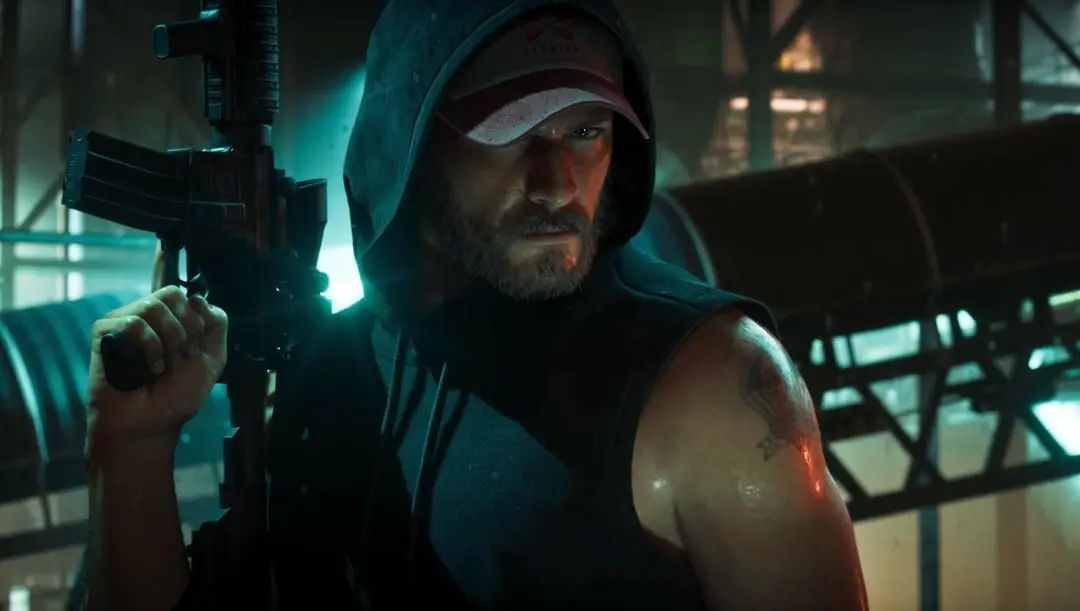
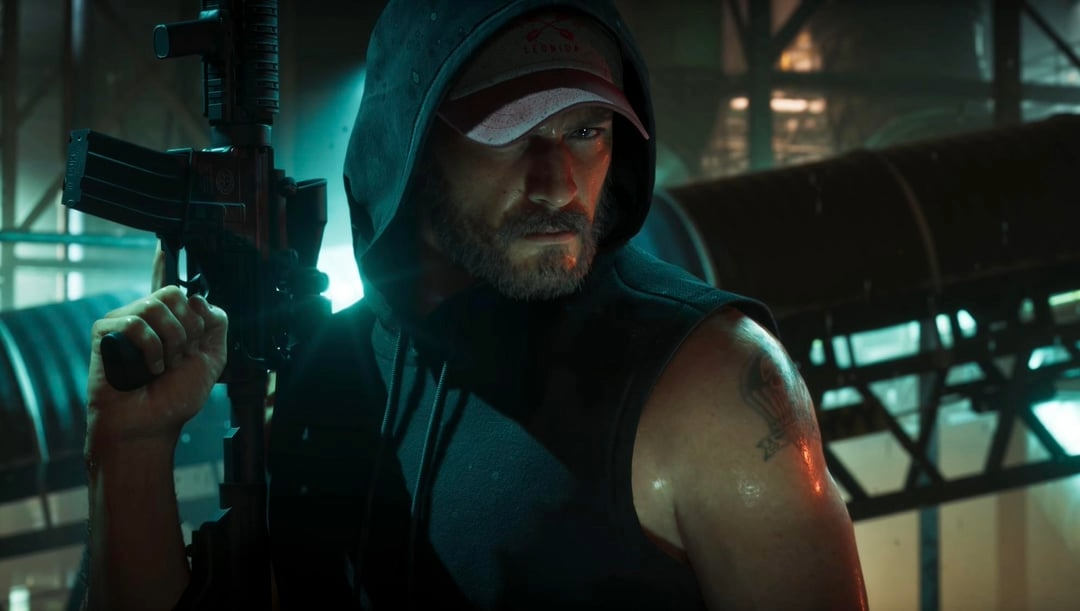
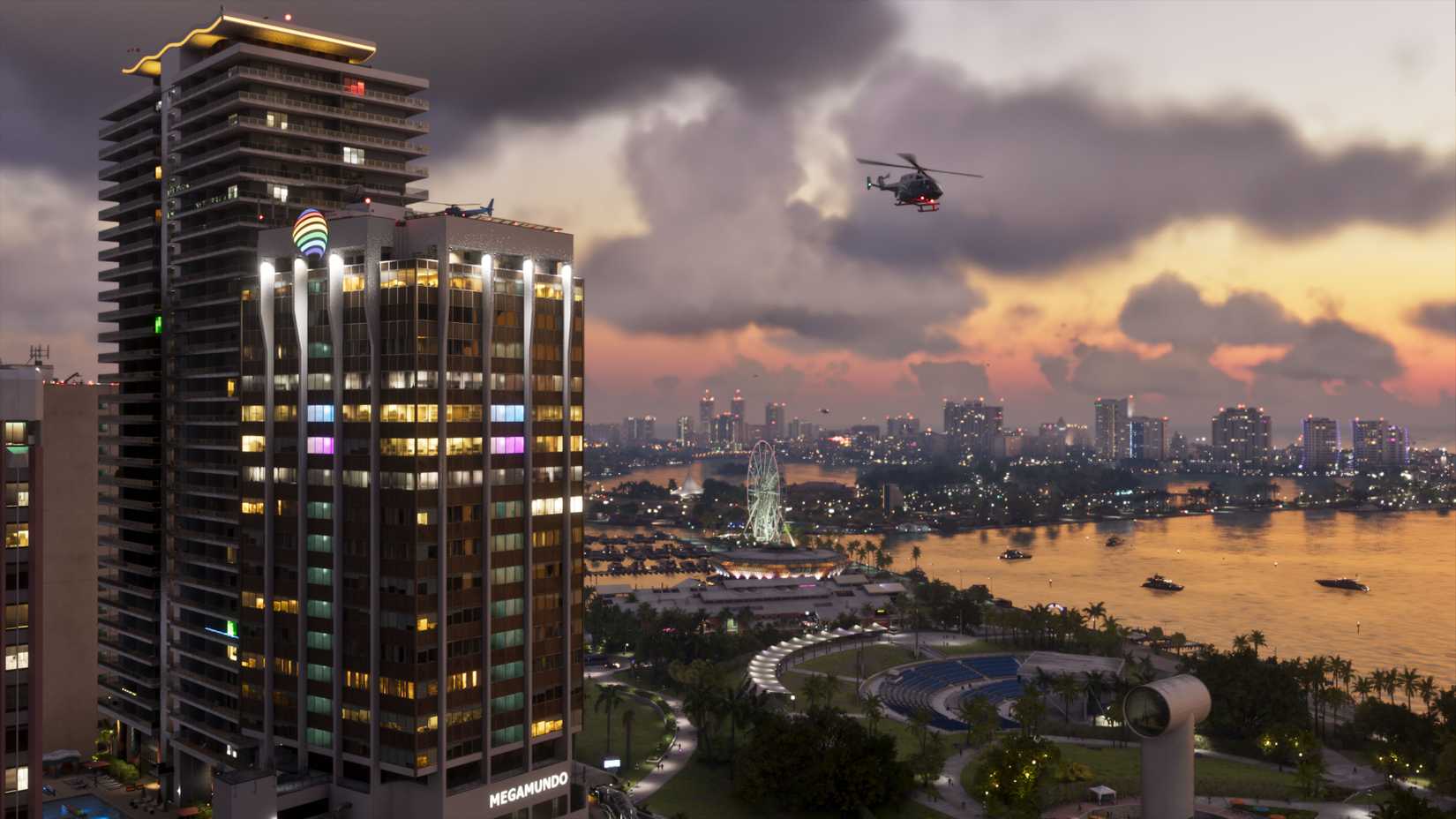
Following the monumental, record-breaking launch of Grand Theft Auto 6, the global video game community has found itself settling into a massive, meticulously crafted digital ecosystem. Set in Leonida—Rockstar Games’ breathtaking, satirical reimagining of Florida—the latest installment has immediately cemented itself as a cultural milestone. With a staggering 13-year development and waiting cycle separating Grand Theft Auto V and its successor, players and industry analysts alike recognize that a subsequent release is likely a very distant horizon. Leonida’s immense geographical scale, combined with its dense web of emergent gameplay mechanics and environmental storytelling, guarantees that players will continue uncovering hidden secrets for years to come.
Yet, human nature—and the voracious appetite of the gaming public—demands forward momentum. Even as millions explore the neon-drenched avenues of Vice City and the sprawling rural expanses of the surrounding fictional state, speculation regarding the eventual trajectory of the franchise has already begun. While traditional prognosticators point toward international metropolises or a return to familiar domestic strongholds like Liberty City, an intriguing, out-of-the-box regional pitch has emerged: Massachusetts.
This feature-length analysis examines the structural design philosophies that make Rockstar’s modern sandbox games succeed, explores the unique geographic and cultural blueprint of the Bay State, and evaluates whether a hypothetical "Grand Theft Massachusetts" could successfully capture the chaotic, satirical lightning in a bottle that defines the premier open-world franchise in interactive entertainment.
Detailed Chronology: The Evolution of Rockstar’s Regional Satire
To understand why a state like Massachusetts makes a compelling case for a future Grand Theft Auto setting, one must first examine how Rockstar Games has evolved its approach to regional world-building over the past two decades. The studio’s trajectory reveals a deliberate shift from metropolitan-centric sandboxes to sprawling, multi-biome state simulations.
The Urban-Centric Era (2001–2008)
During the era of Grand Theft Auto III, Vice City, and San Andreas (though the latter introduced multiple cities separated by rural countrysides), the primary design philosophy was hyper-focus on specific urban cultural hubs. Liberty City channeled the gritty, post-9/11 disillusionment and mob-movie aesthetics of New York City; Vice City romanticized 1980s Miami through the lens of Scarface and Miami Vice.
Later, Grand Theft Auto IV returned to a hyper-detailed, incredibly dense Liberty City. The focus was on architectural realism, pedestrian artificial intelligence, and a biting satire of early-2000s American excess, consumerism, and the immigrant experience.
The Multi-Biome Sandbox Blueprint (2013–2026)
With Grand Theft Auto V (2013) and the long-awaited Grand Theft Auto 6 (2026), Rockstar pivoted dramatically toward state-wide simulation. GTA V condensed Southern California into Los Santos and Blaine County, pairing an sprawling urban sprawl with desolate deserts, mountainous national parks, and rundown trailer parks.
GTA 6 perfected this paradigm shift through Leonida. By leaning into Florida’s geographical and cultural extremities—ranging from the high-rolling luxury and neon nightlife of Vice City to the muddy, alligator-infested swamps of the Grassrivers, rural farmlands, and sleepy coastal keys—Rockstar proved that the secret to modern open-world longevity lies in contrast. A player’s experience must oscillate wildly between high-speed urban pursuits and rural isolation to maintain narrative and mechanical momentum.
This brings us to the core argument for Massachusetts: structurally and culturally, it mirrors the exact formula of geographical diversity that makes Leonida so endlessly compelling, while offering an entirely distinct architectural and social flavor.
Supporting Context & Metrics: The Geographic and Cultural Case for the Bay State
When evaluating a potential video game setting, developers look for a few key pillars: stark geographical contrasts, deeply ingrained cultural archetypes, historic landmarks ripe for satirical destruction, and a distinct regional identity. Massachusetts checks every box.
1. The Geographical Blueprint: From Metropolis to Wilderness
Consider the layout of Massachusetts. At its beating heart lies Boston—a historic, densely packed metropolis characterized by narrow colonial-era streets, winding mazes that predate urban planning, and towering modern financial districts. Boston offers a verticality and claustrophobic street-level layout that contrasts sharply with the wide, grid-based avenues of Liberty City or the sun-baked highways of Los Santos.
Yet, just beyond the city limits, the state rapidly fragments into an eclectic mosaic of environments:
The Suburbs and Mill Towns: Rings of historic industrial towns, sprawling shopping malls, and quiet cul-de-sacs that echo the suburban ennui Rockstar previously explored in 2006’s critically acclaimed Bully (which was itself heavily inspired by New England boarding school aesthetics and regional atmosphere).
Western Massachusetts: Deep, heavily forested wilderness, winding mountain roads through the Berkshires, and isolated rural outposts that mirror the untamed expanses found in the northern sectors of Leonida.
The Coastline and Islands: Cape Cod’s historic lighthouses, bustling fishing economies, and the elite, walled-off vacation enclaves of Martha’s Vineyard and Nantucket—providing the ideal playground for high-stakes maritime smuggling, boat chases, and billionaire-targeted heists.
2. Rich Satirical Targets: The Human Element of New England
Rockstar Games thrives on societal satire. Florida provided GTA 6 with an endless supply of conspiracy theorists, right-wing militia members, sun-baked spring breakers, and flashy crypto-bros. Massachusetts, meanwhile, is home to some of the most distinct, fiercely proud, and ripe-for-parody subcultures in North America.
Within a single state, developers could lampoon:
The Hyper-Aggressive Local (The "Masshole"): Eager, loudmouthed sports fanatics and blue-collar workers perpetually hovering on the edge of a bar fight in South Boston.
The Academic Elite: Pompous, ivy-covered institutions mimicking Harvard and MIT, allowing for biting commentary on elite corporatism, artificial intelligence ethics research gone wrong, and ultra-wealthy student bodies engaging in high-society debauchery.
Old-World Legacies: Tight-knit Italian-American communities in the North End, historic maritime families in Gloucester, and wealthy retirees shielding themselves in Cape Cod beach bubbles.
Official Perspectives and Industry Insights
While Rockstar Games maintains its trademark corporate silence regarding future projects—especially given that their primary focus remains supporting and expanding Grand Theft Auto 6—industry critics and developers frequently discuss the logistical hurdles and creative breakthroughs of regional adaptations.
Industry analysts note that shifting the franchise to a New England setting would force Rockstar to innovate heavily in physics and navigation systems. Navigating Boston’s notoriously confusing layout—where historical cow paths turned into modern streets—would present an entirely new challenge for vehicular combat and police chase AI compared to the predictable grids of western cities or the flat highways of southern states.
Furthermore, cultural commentators have pointed out that regional pride in the Northeast offers rich narrative potential. Speaking anonymously, a veteran open-world level designer noted:
"Players love seeing their backyards rendered in absurd, hyper-violent detail. The moment you let a player plow a stolen bulldozer through a recognizable local landmark like Faneuil Hall or the Zakim Bridge, you create an immediate, visceral emotional hook that a generic fictional city simply cannot replicate."
Future Outlook: What Lies Beyond Leonida?
As the gaming industry digests the technological marvel of Grand Theft Auto 6, the question of what comes next will linger for the better part of the next decade. Whether Rockstar eventually chooses to return to international territories, revisit the grim industrial rust belt, or take a whimsical, satirical dive into the heart of New England remains entirely speculative.
However, the success of Leonida proves one undeniable truth: the future of the Grand Theft Auto franchise depends on its ability to capture the nuanced, multifaceted identity of American regions in all their chaotic, contradictory glory.
If Rockstar ever decides to trade the sweltering heat of the Florida swamps for the brisk, biting autumn air of Massachusetts—trading alligators for aggressive drivers, and airboats for harbor ferries—they will find a landscape just as rich, resilient, and utterly ridiculous as any they have ever mapped. Until then, players will continue scouring every inch of Leonida, dreaming of the day they can finally blast Dropkick Murphys while running red lights down the Freedom Trail.