Executive Overview
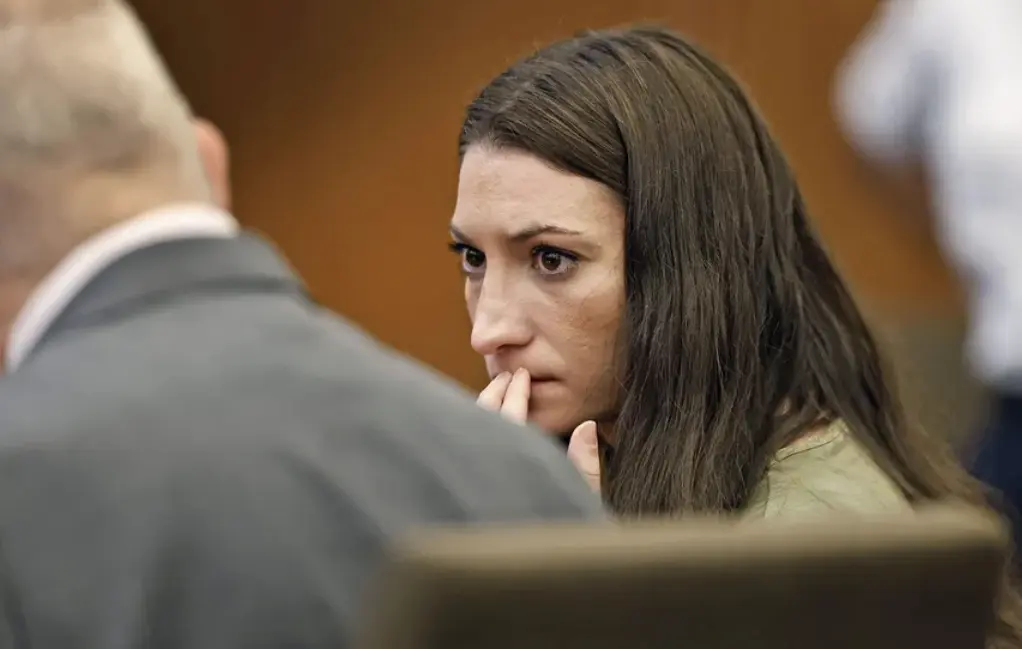
The legal proceedings surrounding Lindsay Clancy have captured the attention of the public and legal analysts alike. Set against the backdrop of a high-stakes courtroom trial in Massachusetts, the case confronts the judicial system with a profound question: How should the law address acts of extreme violence committed during a severe mental health crisis?
Clancy, a former labor and delivery nurse from Duxbury, Massachusetts, stands accused of first-degree murder in the January 24, 2023, deaths of her three young children: five-year-old Cora, three-year-old Dawson, and eight-month-old Callan. The defense does not dispute that Clancy caused the deaths of her children. Instead, her legal team argues that she lacked criminal responsibility at the time, asserting that she was suffering from undiagnosed and acute postpartum psychosis—a rare, severe mental illness characterized by hallucinations, delusions, and a severe detachment from reality.
As the trial commenced in late July 2026, it transcended a standard criminal proceeding, evolving into a cultural flashpoint. The case has ignited intense national debates across social media, true crime communities, and legal circles regarding the intersections of maternal mental health, the failures of the psychiatric care system, and the boundaries of criminal accountability. Compounding the legal drama, the trial has generated widespread online discourse, ranging from viral commentary and satirical memes to demonstrations outside the courthouse by supporters calling for systemic reform in postpartum medical care.
Detailed Chronology
Background and Professional Life
Lindsay Marie Musgrove was born on August 11, 1990, and raised in Wallingford, Connecticut. Demonstrating an early dedication to healthcare, she pursued an accelerated nursing program at Massachusetts General Hospital. For nearly a decade, she worked as a labor and delivery nurse at the same hospital, dedicating her career to assisting mothers and newborns. In December 2016, she married Patrick Clancy. The couple ultimately settled in Duxbury, Massachusetts, welcoming three children: Cora in December 2017, Dawson in September 2019, and Callan in May 2022.
The Escalation of Mental Health Struggles
In late 2022, following the birth of her third child, Clancy began experiencing severe mental health challenges, including acute anxiety, depression, and treatment-resistant insomnia. She sought help through South Shore Hospital’s perinatal behavioral health program. Testimony and medical records presented at trial indicate that Clancy repeatedly requested adjustments to her medication regimen, expressing deep concern that her prescribed medications were causing distressing side effects, such as intrusive thoughts, emotional numbness, and worsening insomnia.
Psychiatric nurse practitioner Rebecca Jollotta testified during the trial that she advised Clancy that psychiatric medications often require several weeks to achieve therapeutic efficacy, attributing Clancy’s escalating distress primarily to severe postpartum depression rather than medication-induced psychosis.
Despite these interventions, digital evidence presented by prosecutors revealed a harrowing picture of Clancy’s internal state in the weeks leading up to the tragedy. An analysis of her cellphone data showed repeated internet searches concerning psychosis, hallucinations, medication side effects, bipolar disorder, insomnia, postpartum depression, and methods of suicide.
The Events of January 24, 2023
On the morning of January 24, 2023, outward appearances suggested an ordinary family day. Prosecutors stated that Clancy took her youngest daughter to the pediatrician and later played outside in the snow with her children. Later that day, Clancy asked her husband, Patrick, to pick up takeout food and specific prescribed medications from a local pharmacy.
When Patrick returned home shortly thereafter, he discovered the house quiet and eerie. He found Lindsay semi-conscious and bleeding outside the residence, having sustained severe injuries from an apparent suicide attempt after jumping from a second-story window.
Upon rushing inside the home, Patrick made a horrific discovery: their three children were found in the basement with exercise bands wrapped around their necks. Cora and Dawson were rushed to the hospital and pronounced dead that day. Callan was placed on life support but succumbed to his injuries three days later, on January 27. The Office of the Chief Medical Examiner ruled the cause of death for all three children to be ligature strangulation.
Legal Arraignment and Pre-Trial Developments
On February 7, 2023, while still recovering in a medical facility, Clancy was arraigned remotely from her hospital bed. She was formally charged with three counts of first-degree murder, three counts of strangulation, and three counts of assault and battery with a dangerous weapon. She entered a plea of not guilty. Judge John Canavan ordered her to remain confined to a secure medical and psychiatric facility for ongoing treatment.
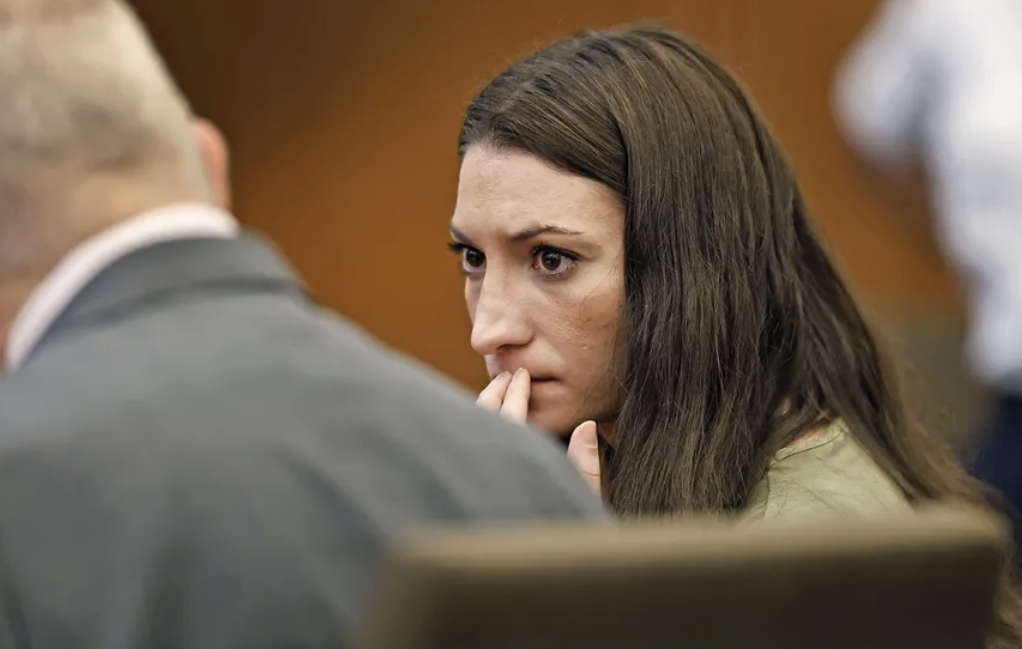
By October 2023, a judge ordered Clancy to be held without bail at Tewksbury Hospital while awaiting trial. As a direct result of the injuries sustained during her suicide attempt, Clancy was left paraplegic and permanently confined to a wheelchair.
As the trial date approached in July 2026, prosecutors streamlined the indictment by dropping the three strangulation charges, deeming them legally redundant alongside the primary first-degree murder charges.
Supporting Context & Metrics
The Trial Proceedings
Jury selection officially commenced on July 20, 2026, with opening statements and witness testimony beginning on July 27. If convicted of first-degree murder under Massachusetts law, Clancy faces a mandatory sentence of life imprisonment without the possibility of parole.
The defense’s core strategy relies entirely on establishing a lack of criminal responsibility due to mental disease or defect. Defense attorneys argue that Clancy was caught in the grip of postpartum psychosis—a condition that can distort a mother’s perception of reality to the point where she believes she is saving her children from perceived horrors or suffering.
Key Testimonies
- Paula Musgrove (Clancy’s Mother): Testified that approximately one month prior to the killings, Clancy had confessed directly to her and Patrick that she was experiencing intrusive thoughts about harming her children. Musgrove emphasized that Clancy was deeply distressed by these thoughts, recognizing them as entirely alien to her normal personality and maternal instincts.
- Rebecca Jollotta (Psychiatric Nurse Practitioner): Provided clinical insight into Clancy’s medication adjustments and her desperate appeals for help in the weeks preceding the tragedy, highlighting the diagnostic challenges inherent in treating acute perinatal mood disorders.
Official Statements and Public Discourse
Public Reaction and Cultural Polarization
The Lindsay Clancy trial has generated unprecedented engagement across digital landscapes, bridging true-crime interest, legal analysis, and cultural commentary. On platforms like TikTok, X (formerly Twitter), and Reddit, the case has deeply polarized observers.
During the trial, public division spilled into physical spaces. Demonstrators—including dozens of women dressed in pink, some traveling from as far as Florida, Tennessee, and New York—gathered outside the Massachusetts courthouse in solidarity. Their demonstrations carried a dual message: advocating for better recognition and treatment of postpartum psychiatric disorders while calling for systemic overhauls in maternal healthcare resources. Protesters argued that the medical establishment failed Clancy by dismissing her escalating symptoms as standard postpartum depression rather than recognizing the red flags of impending psychosis.
Conversely, a substantial segment of the online community has expressed severe indignation toward attempts to frame Clancy sympathetically. Critics across true-crime spaces and meme forums argue that the focus on the perpetrator’s mental health sidelines the devastating reality of the murders and minimizes the profound loss of three innocent lives. Controversial memes and viral video critiques point to instances of online users romanticizing or defending Clancy as evidence of a broader cultural bias in how violent crimes committed by women are perceived and discussed compared to those committed by men.
Legal scholars have noted that this polarization reflects a broader societal discomfort with the intersection of severe mental illness and violent crime. When a caregiver commits an unimaginable act during a psychotic break, public consensus fractures between viewing the individual as a patient failed by the medical system versus a criminal deserving of absolute accountability.
Future Outlook
As the trial heads toward its final phases—with the defense concluding its testimony and the prosecution preparing rebuttal witnesses—the legal outcome remains uncertain. The jury will be tasked with weighing complex psychiatric testimony, digital evidence of premeditation, and the legal definition of criminal responsibility against the harrowing backdrop of a family destroyed.
Regardless of the verdict, the Lindsay Clancy trial has already left an indelible mark on public discourse regarding maternal mental health. It has forced a reluctant public conversation about the dark, often invisible margins of postpartum psychosis, the limitations of current psychiatric treatment protocols for new mothers, and the agonizing complexities of justice when mental illness shatters the foundational safety of the home.