In the sprawling, hyper-connected landscape of contemporary dating, the intersection of modern technology and raw human vulnerability remains a deeply fertile ground for storytelling. Dating apps like Hinge have fundamentally altered how relationships are initiated, yet the fundamental anxieties—miscommunication, the fear of rejection, and the courage required to articulate genuine feelings—remain as potent as ever.
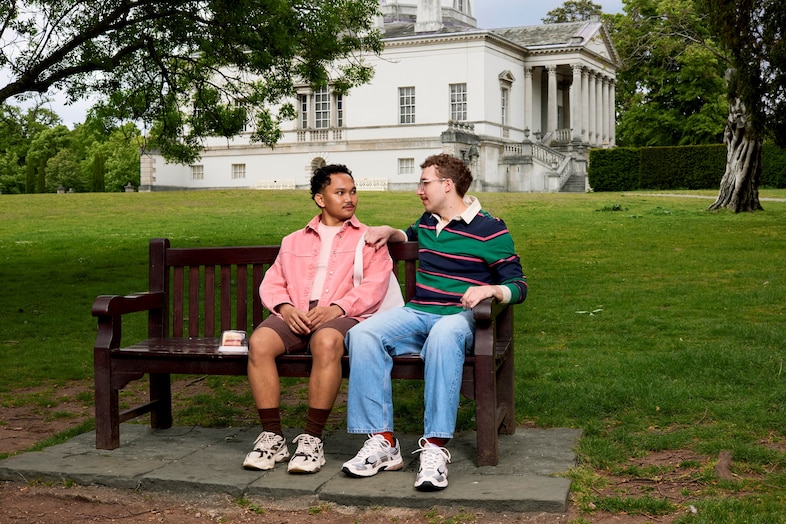
Enter Hinge’s No Ordinary Love audiobook campaign, a project designed to celebrate the profound risks inherent in modern dating while reinforcing the vital necessity of saying the hard thing out loud. As part of this cultural initiative, acclaimed British novelist Curtis Garner penned The Sound It Leaves, a deeply personal narrative focusing on a real-life couple, Oden and Edward, who connected on Hinge and navigated early miscommunications before finding solid ground. Garner’s contribution anchors an impressive lineup of real love stories written and read by celebrated literary voices, including Tembe Denton-Hurst, Nicola Dinan, Raven Smith, and Rufi Thorpe.
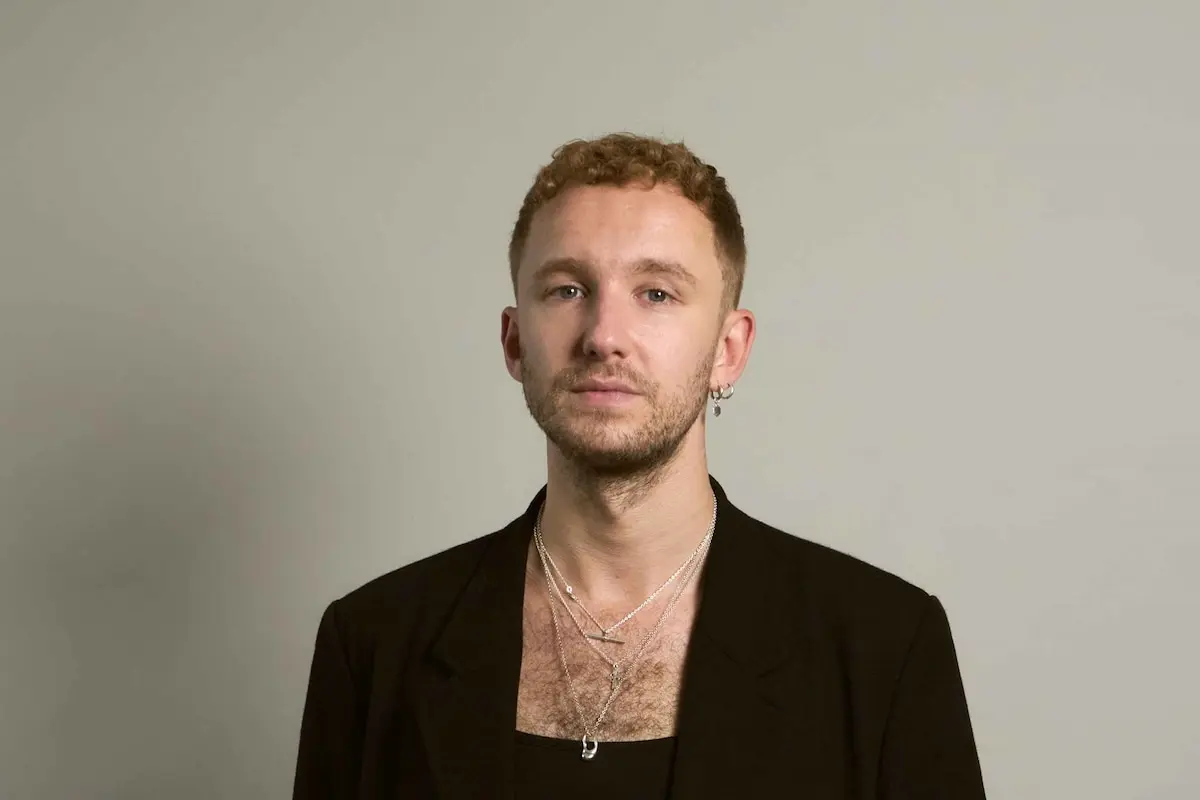
Ahead of the campaign’s release on Spotify and Substack, Garner sat down with fellow British author William Rayfet Hunter for an extensive, candid dialogue. Hunter, known for his 2025 novel Sunstruck, and Garner—author of Isaac (2024) and the forthcoming Orange (2026)—explore contrasting philosophies on romance. While Garner unashamedly champions grand gestures and immediate emotional immersion, Hunter relishes the quieter, understated moments of human connection. Together, their conversation moves far beyond standard promotional chatter, evolving into an insightful, investigative look into queer relationships, the process of dismantling dating shame, the fine line between bravery and foolishness, and why putting words to our deepest emotions feels infinitely more terrifying than writing fiction.
Detailed Chronology: From Digital Swipes to the No Ordinary Love Campaign
The trajectory of No Ordinary Love and the creative convergence of its contributing authors did not happen in a vacuum. It represents the culmination of a broader cultural shift toward destigmatizing the messy, non-linear realities of modern courtship.
The Evolution of Modern Literary Romances Set in London
Both William Rayfet Hunter and Curtis Garner have carved out significant niches in the contemporary literary scene by setting their vivid explorations of modern dating against the backdrop of London.
The Foundation: Garner’s literary career gained significant momentum with his 2024 debut novel, Isaac, which explored the jagged edges of intimacy and rejection.
The Counterpart: Hunter stepped onto the scene with Sunstruck in 2025, a novel chronicling a relationship that sparks from a summer fling, capturing the acute emotional turbulence of transitory modern connections.
The Expansion: Garner’s upcoming 2026 novel, Orange, continues his exploration of romantic dynamics, while his collaboration with Hinge expands his storytelling from fiction into the realm of documentary-style audio narrative.
The Genesis of The Sound It Leaves
When commissioned for Hinge’s No Ordinary Love campaign, Garner sought to ground his exploration of risk in actual human experience. Rather than inventing characters entirely from his imagination, he turned to Oden and Edward, a real-life couple who matched on Hinge and weathered a rocky start marked by early miscommunication.
The writing process required an unprecedented level of journalistic and interpersonal diligence for a fiction author. Garner held multiple pre-interviews with Oden and Edward, peppering them with granular questions about their courtship. By their second meeting, the couple was openly amused by the depth of detail Garner was requesting. The resulting audio story, The Sound It Leaves, balances creative license with strict fidelity to their lived experiences, transforming real-world vulnerability into accessible art.
Supporting Context & Metrics: The Anatomy of Modern Emotional Risk
To understand the resonance of campaigns like No Ordinary Love, one must examine the broader sociological framework surrounding dating apps, queer relationships, and the psychological weight of communication in the digital age.
The Unique Landscape of Queer Vulnerability
A central theme of the Hunter-Garner conversation is the unique emotional landscape navigated by queer individuals. While modern romance inherently involves risk, queer relationships often carry a foundational layer of historical and societal tension.
[ Societal & Historical Stigma ]
              │
              ▼
[ Internalized Shame & Safety Concerns ]
              │
              ▼
[ Heightened Emotional Stakes in Queer Dating ]
              │
              ▼
[ The Courage Required for Authentic Vulnerability ]
As Hunter notes, queer people frequently begin their journey toward love with built-in emotional and physical safety considerations. Navigating romance thus becomes intertwined with unlearning internalized shame. Opening one’s heart to another person is not merely an exercise in romantic optimism; it requires dismantling deeply ingrained societal messaging that frames queer identity and desire as illicit or wrong. Consequently, everyday romantic milestones—such as admitting early on that you enjoy spending time with someone—carry profound psychological weight.
The Irony of the Writer: Fiction vs. Reality
A fascinating paradox highlighted during the conversation is the dichotomy between how writers handle artistic risk versus emotional risk. Both Hunter and Garner willingly subject themselves to the intense vulnerability of publishing—creating tangible objects of art containing pieces of their souls, stripping away anonymity, and selling them to strangers in bookstores.
Yet, translating that same level of radical honesty into personal relationships proves exponentially more difficult. Writing fiction functions like a dollhouse: the author controls every variable, every piece of dialogue, and every narrative outcome. Real life, by contrast, strips away the safety net of absolute control.
Curtis Garner’s Journey: Garner admits to a history of impulsive romantic transparency—confessing love on a third date and wanting marriage on day one—while simultaneously acknowledging his struggles with everyday, understated intimacy.
William Rayfet Hunter’s Transition: Hunter transitioned from a high-pressure career as an NHS doctor to the precarious world of freelance writing—a massive professional and emotional risk that required difficult, honest conversations with himself and his family. Yet, in his romantic life, he has historically tended to hold back declarations, viewing love as an external, uncontrollable force that strips away self-sufficiency.
Official Statements and Dialogue Excerpts
The core of the Hunter-Garner dialogue provides profound insights into the psychological architecture of modern love. Below are key transcribed excerpts from their conversation regarding the nature of risk, fear, and communication.
On Working with Real Couples
William Rayfet Hunter:“Curtis, your No Ordinary Love story The Sound It Leaves follows a real couple, Oden and Edward, who took a risk and said how they felt out loud. I know you’ve written a lot about love before, but how did working with a real couple feel different?”
Curtis Garner:“Well, the obvious difference is you can’t make it up, which is both a luxury and a challenge. I had to ask Oden and Edward a lot of questions, and I had lots of meetings with them beforehand to make sure that we covered everything… You want enough creative license that it’s interesting and relatable, but you also want to be faithful to them because it’s their actual lives.”
On Professional and Personal Bravery
Curtis Garner:“Much like you, Will, I didn’t take the traditional route into publishing at all. My first novel, Isaac, came out of several really tricky conversations… I remember one day, I got this really stinging rejection from a literary agent, who all but said, ‘Maybe this isn’t for you. You should do something else’… I was just so desperate for it, and I really was willing to stop at nothing to make it happen, and it worked.”
William Rayfet Hunter:“When I did get my book deal, at the time, I was working as a doctor in the NHS, and I was not enjoying it a huge amount… Eventually, I had to sit down, initially with myself, and admit, ‘I can’t do both. I have to pick one.’ Then, I had to sit down with my parents and communicate that choice. I’m not gonna say that being a freelance writer isn’t without risk, financially and emotionally to an extent.”
On the Paradox of Writing and Control
Curtis Garner:“The interesting irony, I think, with both of us being writers, is that writing itself is a huge risk… We’re fine with that, but emotionally articulating ourselves is quite a different matter, isn’t it?”
William Rayfet Hunter:“It’s weird because I think once it’s on the page, you can distance yourself from it. When you’re just writing a novel, you get to control everything that happens… It’s like playing with dolls… But when it comes to taking it out of the doll’s house and into my real life, that is sometimes where I struggle a bit.”
On Love as an Egoless, Terrifying Force
Curtis Garner:“Real love, I’ve come to learn, is totally egoless. For example, the love that I have for my partner is such that I want him to be happy even if it’s not with me… It feels separate from me. And that is absolutely terrifying because it feels so primal and innate and unequivocal that it makes me feel kind of naked.”
William Rayfet Hunter:“Every time I’ve fallen in love… it’s the worst feeling in the world. I can’t think about much else. It’s this fact, right? It just appears… And falling in love forces you to reckon with that and make a choice over whether you’re able to do that because suddenly your heart doesn’t just belong to you.”
Future Outlook: The Intersection of Audio Storytelling and Modern Dating Culture
As audio projects like Hinge’s No Ordinary Love continue to gain traction, the cultural conversation surrounding dating app culture is undergoing a noticeable maturation. Moving away from superficial swipes and gamified interactions, platforms are increasingly investing in narrative-driven content that highlights emotional intelligence, accountability, and the courage required for radical honesty.
Key Takeaways for the Future of Dating Culture
Destigmatizing Miscommunication: As illustrated by Oden and Edward’s story in The Sound It Leaves, early misunderstandings do not spell doom for a relationship if met with explicit, courageous communication.
Bridging Art and Reality: Projects that blend literary talent with real-world relationship documentaries prove that audiences crave authentic representations of queer love and modern romance that avoid sanitized tropes.
The Value of Being Uncomfortable: Both Hunter and Garner emphasize that if love and writing share any common denominator, it is vulnerability. Embracing the "horrible," terrifying nature of emotional exposure is ultimately the only pathway to genuine connection.
Listeners can experience Oden and Edward’s story, The Sound It Leaves, streaming now on Spotify and Substack.