Executive Overview
The rapid evolution of cloud computing demands constant synergy between platform providers and the developer communities driving practical adoption. In a comprehensive update highlighting the intersection of localized community engagement, cutting-edge artificial intelligence toolchains, and operational reliability, Amazon Web Services (AWS) has released its latest weekly review. Authored by prominent AWS developer advocate Channy Yun, the report captures pivotal developments across multiple global regions.
At the forefront of this week’s updates is a major leap forward for AI-assisted software engineering: the introduction of a one-click AWS Lambda setup prompt designed specifically for modern coding agents. By integrating foundational serverless competencies and the Serverless Model Context Protocol (MCP), this tool aims to streamline how developers construct cloud-native applications using autonomous AI assistants. Alongside this developer-centric feature, the report details recent grassroots engagements with the AWS Korea User Group (AWSKRUG)—one of the largest cloud communities in the Asia-Pacific region—and transparently addresses a temporary operational glitch that affected AWS Cost Explorer over the weekend.
This retrospective report analyzes these developments, offering a deep dive into the technological implications of MCP-driven serverless architectures, community-led growth strategies, and the operational safeguards AWS is implementing to reinforce its billing and notification frameworks.
Detailed Chronology & Technological Breakdown
1. Strengthening Global Ecosystems: The Seoul Engagement
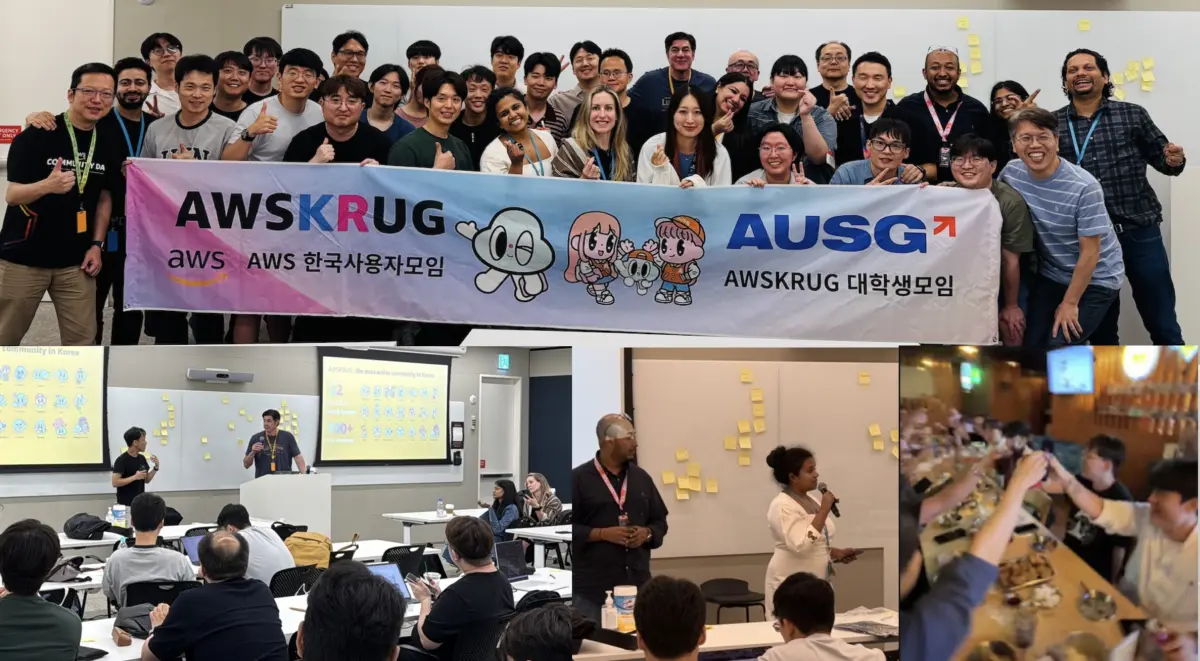
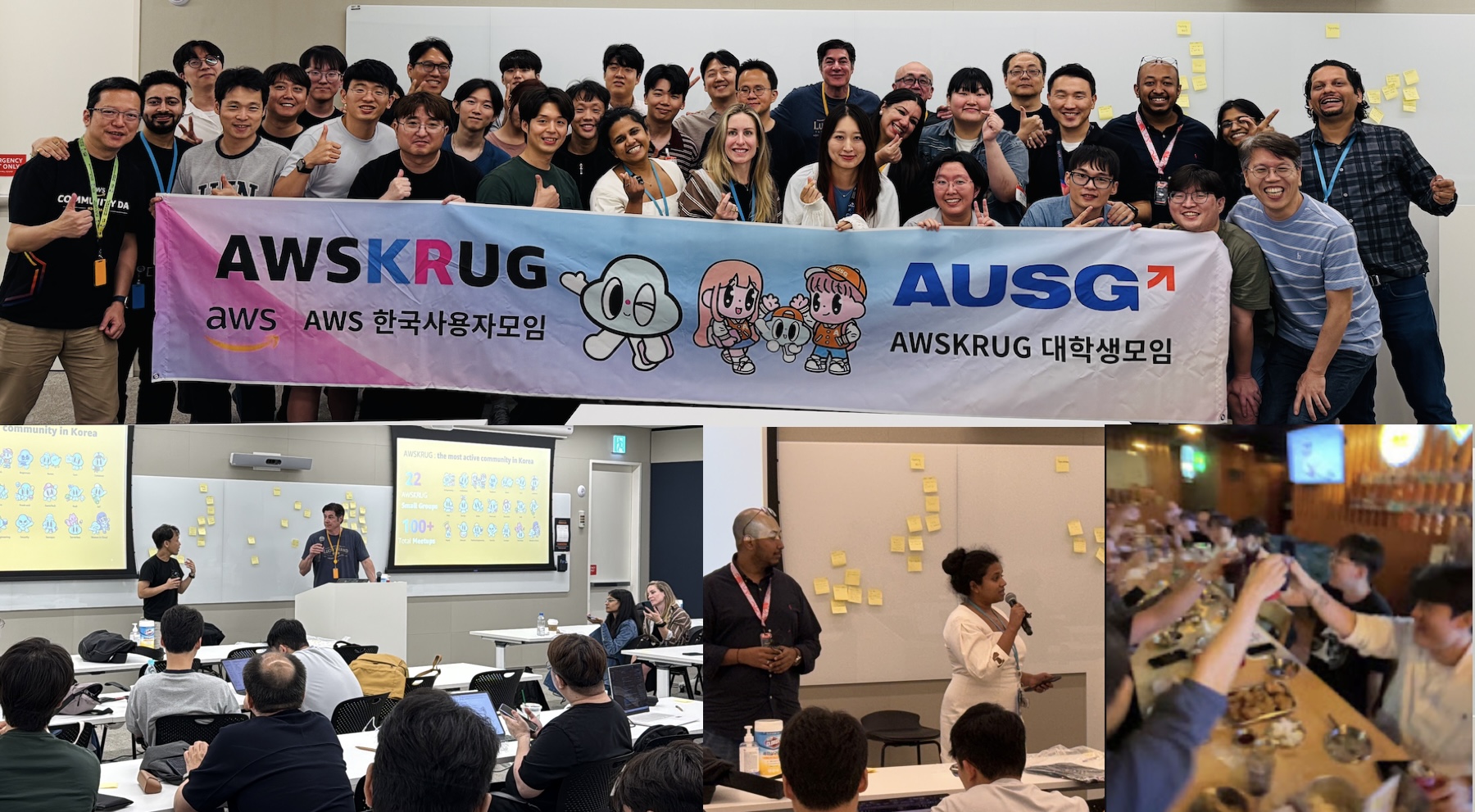
The rhythm of AWS developer advocacy relies heavily on boots-on-the-ground communication. Last week, the AWS Developer Experience team traveled to Seoul, South Korea, to interface directly with the leadership core of the AWS Korea User Group (AWSKRUG).
AWSKRUG stands as a cornerstone of cloud education in South Korea, boasting an expansive network of 20 distinct meetup groups categorized by specialized topics and geographical regions. Together, these factions orchestrate upwards of 100 events annually, predominantly centered around the tech hubs of Seoul.
During the strategy sessions, user group leaders provided unvarnished, direct feedback to the AWS representatives, assessing performance milestones achieved during the first half of the year, outlining infrastructural hurdles, and articulating explicit feature requests for the AWS Developer Experience tooling ecosystem. The exchange underscores a broader strategy by major cloud providers to decentralize support, ensuring that regional developer hubs possess the resources, documentation, and platform access required to scale local tech education. The visit concluded with traditional cultural integration—specifically, a community networking session centered around Chimaek (fried chicken and beer), fostering informal yet vital channels of communication between engineers and platform architects.
2. Revolutionizing Serverless Development: One-Click AI Coding Agent Setup
Shifting from community building to core platform technology, the standout product highlight of the week is the rollout of the one-click Lambda setup prompt for coding agents.
Modern software engineering is undergoing a paradigm shift driven by AI coding agents—such as Anthropic’s Claude Code, Kiro, Cursor, GitHub Copilot, OpenAI’s Codex, Devin Desktop, and OpenCode. However, providing these models with context-aware, secure access to cloud infrastructure has historically required manual configuration, custom prompt engineering, and an exhaustive understanding of cloud-native best practices.
The newly introduced Lambda setup prompt bridges this gap. When executed, the prompt automatically configures an AI coding assistant with:
- Core AWS Serverless Skills: Pre-loaded domain knowledge regarding AWS Lambda execution environments, event-driven architectures, and microservice patterns.
- Serverless Model Context Protocol (MCP) Server Integration: Implementation of the MCP standard, enabling real-time, bidirectional context sharing between the local development environment and remote cloud architecture parameters.
- Baked-in Best Practices: Instantaneous alignment with security baselines, least-privilege IAM permissions, and optimal payload serialization techniques from the outset of a coding session.
Implementation and Usage
Deploying this capability is designed to be frictionless. Developers can initialize the setup via two primary mechanisms:
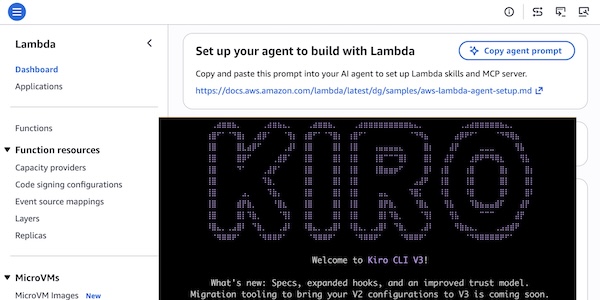
- Console Automation: Navigating to the AWS Lambda console and selecting the newly implemented Copy agent prompt action button.
- Direct URI Fetch: Copying and executing the command string
fetch https://docs.aws.amazon.com/lambda/latest/dg/samples/aws-lambda-agent-setup.mddirectly within their preferred AI-enabled terminal or coding agent interface.
Complementing this release is the Agent Toolkit for AWS, which equips coding agents with real-time, up-to-date knowledge of AWS APIs, service limits, and safe resource manipulation guidelines. Developers can install the corresponding AWS MCP Server components by fetching the setup manifest via:
fetch https://raw.githubusercontent.com/aws/agent-toolkit-for-aws/refs/heads/main/setup-instructions/setup.mdSupporting Context & Metrics
To fully appreciate the scale and strategic direction of these announcements, it is valuable to examine the underlying metrics and operational frameworks governing modern cloud developer experiences:

- Community Scale (AWSKRUG):
- Total Meetup Sub-Groups: 20 specialized cohorts.
- Annual Event Volume: 100+ localized gatherings per year.
- Primary Geographic Focus: Seoul metropolitan area, with expanding regional spillover.
- AI Integration Surface Area:
- Supported Coding Environments/Agents: Claude Code, Kiro, Cursor, GitHub Copilot, Codex, Devin Desktop, and OpenCode.
- Protocol Standard: Model Context Protocol (MCP), ensuring cross-platform interoperability for tool and resource exposure.
- Billing Infrastructure Scope:
- Affected Systems: AWS Cost Explorer, AWS Budgets, Cost Anomaly Detection.
- Resolution Window: Resolved within the weekend cycle, returning all global endpoints to standard operational status.
Official Statements & Operational Transparency
A critical element of the weekly review was AWS’s transparent handling of an unexpected infrastructure hiccup that impacted financial monitoring tools over the weekend.
Addressing Cost Explorer and Billing Inaccuracies
Late last week, a subset of AWS customers encountered anomalies within AWS Cost Explorer, which displayed inaccurate estimated billing data. The failure manifested in downstream monitoring systems, causing the generation of erroneous budget alerts and false positives within AWS Cost Anomaly Detection, alongside visibly inflated estimated cost and usage metrics.
In the official post-mortem statement, AWS confirmed that the root issue has been fully identified and remediated. All associated financial dashboards, billing notification loops, and data pipelines have returned to normal operating conditions.
Recognizing the stress and operational friction unexpected billing alerts cause for financial operations (FinOps) teams and enterprise engineering leads, AWS issued an explicit apology:
"The issue has been resolved, and all AWS services are operating normally. We apologize for the concern this incident caused our customers and are conducting a thorough retrospective to prevent events like this from reoccurring, as well as improving our response when billing incidents occur."
Impacted users and enterprise administrators seeking detailed telemetry regarding the incident can review the historical event log directly via the AWS Health Dashboard (Event ID: ARN:aws:health:global::event/BILLING/AWS_BILLING_OPERATIONAL_ISSUE).
Future Outlook
The convergence of autonomous AI agents and core serverless infrastructure signals the next phase of cloud engineering. As tools like the one-click Lambda prompt and the Agent Toolkit for AWS mature, the cognitive load required to draft, deploy, and secure cloud applications will diminish significantly. Developers will increasingly shift from manual boilerplate configuration to high-level architectural oversight, guiding AI models that are inherently equipped with enterprise-grade cloud knowledge through standardized protocols like MCP.
Simultaneously, the active cultivation of regional developer ecosystems—exemplified by the AWS Developer Experience team’s ongoing dialogues with AWSKRUG—ensures that platform evolution remains tightly coupled with the realities of frontline engineers. By pairing rapid technological innovation in generative AI tooling with a renewed commitment to platform reliability and transparent incident management, AWS continues to lay the groundwork for scalable, community-driven cloud adoption in the latter half of the decade.
Builders and enterprise architects looking to stay ahead of these rapid iterations are encouraged to monitor upcoming global gatherings through the AWS Events Explorer, engage with startup-focused initiatives, and plug into developer sessions via the AWS Builder Center.