Executive Overview
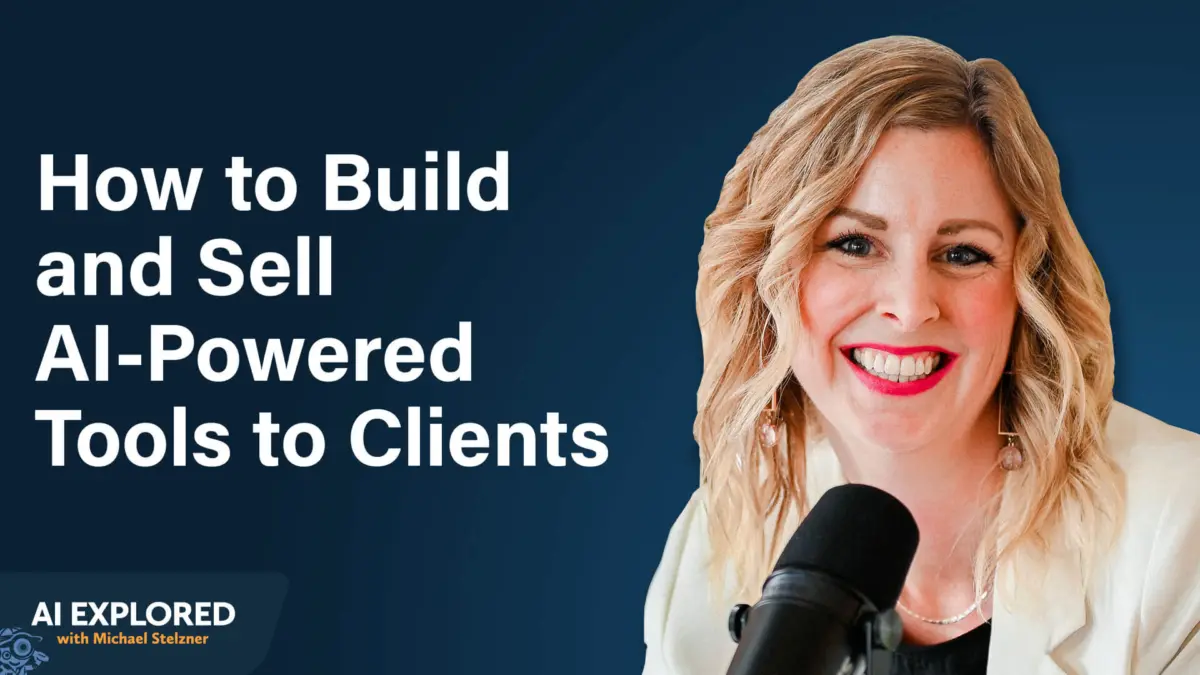
In the current digital landscape, artificial intelligence has fundamentally commoditized basic knowledge. An entrepreneur can ask ChatGPT for a marketing strategy, a content calendar, or a cold-outreach script in mere seconds. However, this accessibility has birthed a new challenge: while generic AI can generate a first draft for almost anything, users are frequently left stranded with no reliable way to validate whether the output is actually effective. It lacks the nuanced lens of someone who has spent years in the trenches refining what truly works.
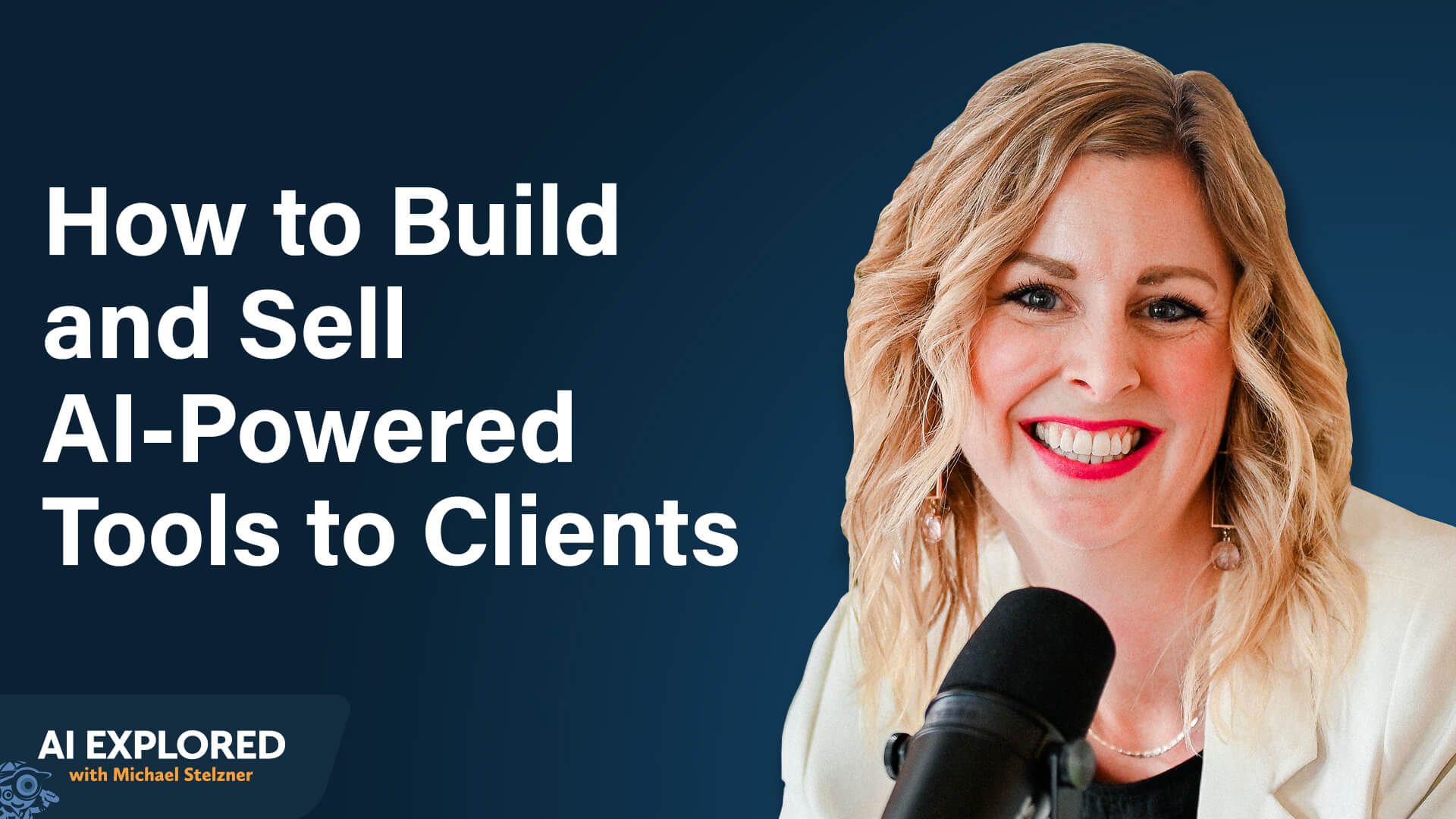
Enter expert-backed AI. By embedding proprietary frameworks, decision-making patterns, and hard-won professional methodologies directly into automated systems, knowledge-based businesses are shifting their value proposition from mere education to direct implementation. Co-created by Kelly Sinclair and Michael Stelzner, recent industry discussions highlight that digital courses historically suffer from abysmal completion rates—often hovering between 10% and 20%. However, when integrated with tailored AI tools, those completion rates surge to a staggering 70% to 80%.
This paradigm shift allows consultants, strategists, and creators to package their expertise into connected suites of AI utilities known as "bot squads." Moving beyond static digital products and one-time courses, modern experts can now offer these implementation engines on a recurring subscription basis, ensuring steady revenue while driving genuine, measurable outcomes for their clients.
Detailed Chronology: The Evolution of Knowledge Monetization
To understand how we arrived at the era of expert-backed AI tools, it is vital to trace the evolution of digital product delivery and the specific mechanical breakthroughs that have made custom AI development accessible to non-technical professionals.
Phase 1: The Information Economy and Course Fatigue
For the past two decades, the dominant model for scaling expertise was the digital course or information product. Experts would record video modules, write accompanying worksheets, and sell access. While this model democratized access to information, it exposed a glaring structural flaw: information overload combined with the implementation gap. Buyers would watch modules on how to build a marketing strategy, open a blank document, freeze up, and ultimately abandon the course. The burden of execution remained entirely on the consumer.
Phase 2: The Generic AI Disruption
When large language models (LLMs) emerged into the mainstream, they disrupted the traditional course business by making information free and instant. Anyone could query an AI for business advice. Yet, this democratization created a new crisis of confidence. Generic AI answers lacked context, brand alignment, and battle-tested validation. Users were forced to cobble together disconnected prompts, leading to inconsistent, mediocre results.
Phase 3: The Rise of Bot Squads and the IPO Framework
Recognizing the limitations of generic AI and the failures of passive education, modern strategists began developing specialized workflows. Pioneered by practitioners like Kelly Sinclair, the methodology shifted toward building "bot squads"—interconnected AI tools that guide clients step-by-step through complex operational processes.
To systematically build these tools without requiring a computer science degree, experts adopted the IPO Framework (Input, Process, Output):

- Input: The specific variables and data the customer brings to the tool (e.g., brand descriptions, target audience data, or raw intake surveys). This ensures the results are hyper-personalized.
- Process: The protected intellectual property of the expert. It includes a clearly defined objective for the tool, explicit behavioral instructions, and deep training resources—such as coaching transcripts, proprietary templates, and examples of successful outputs.
- Output: The clear, tangible deliverable the customer receives, such as a tailored messaging document, an audit report, or a comprehensive pitch draft.
Phase 4: Accessible Delivery and "Vibe Coding"
The final step in this chronological evolution is the lowering of technical barriers to software creation. Historically, building a client-facing SaaS (Software-as-a-Service) product required hiring expensive development teams and managing complex cloud infrastructure. Today, platforms like Lovable, Claude Code, and OpenAI Codex allow non-technical experts to "vibe code" fully functional applications. Creators can now build, test, and deploy multi-step AI platforms that manage user authentication, data isolation, and tiered subscription access directly from a single dashboard.
Supporting Context & Metrics: Why Expert-Backed AI Works
The commercial viability of productizing expertise through AI is supported by stark shifts in consumer behavior, digital completion metrics, and operational efficiencies.
Closing the Implementation Gap
The primary driver behind the success of AI-powered tool suites is their ability to crush friction points in the client journey. Sinclair identifies four primary diagnostics where AI tools provide maximum value:
- Repetition: Automating answers to the endless stream of identical questions clients ask, customized instantly to their unique operational context.
- Implementation Gap: Bridging the chasm between theoretical strategy and real-world execution by breaking a plan down into guided, bite-sized conversational steps.
- Skip Zone: Eliminating "blank-page syndrome" for the essential tasks clients typically avoid because they feel like a heavy lift. By generating an initial draft, the perceived friction vanishes.
- Confidence Gap: Providing real-time validation and tactical adjustments to bolster client mindset when they understand the steps intellectually but lack the courage to execute.
The Course Completion Revolution
Data from a 2025 Thinkific study highlights the profound impact of integrating interactive tools into educational offerings. Traditional online courses routinely suffer from completion rates of just 10% to 20%. However, when paired with structured AI implementation tools—bot squads that walk learners through the heavy lifting—completion rates skyrocket to 70% to 80%.

This dramatic increase occurs because the AI absorbs the tedium of execution. Clients no longer stall out on difficult tasks; instead, they maintain momentum, resulting in vastly superior customer satisfaction and far higher retention rates in membership programs.
Real-World Applications Across Industries
Expert-backed AI is not restricted to a single niche; it is transforming service delivery across diverse fields:
- Messaging Strategy: Michelle, a messaging strategist with a doctorate in communications, built a bot squad named Moxie. Instead of forcing clients to endure months of voice-of-customer research analysis, Moxie processes raw customer data through Michelle’s proprietary framework to instantly generate high-converting marketing copy.
- Visibility Auditing: Kelly Sinclair developed Valerie the Visibility Auditor. Recognizing that clients wasted time posting aimlessly on social media, Valerie evaluates weekly activities against a strict ROI framework, redirecting entrepreneurs toward high-impact collaborations and podcasting opportunities.
- Public Relations: Nicole, a PR coach and journalist, engineered a three-tier bot squad. The first bot runs an intake to build a media messaging guide; the second bot scours the media landscape for podcasts matching the specific niche; and the third bot drafts hyper-personalized pitches written in the client’s unique voice.
Technical Delivery Approaches: Weighing the Tradeoffs
When building and deploying AI tools for clients, creators generally choose among three primary technical architectures, each presenting distinct advantages and limitations.
| Delivery Method | Best Used For | Key Advantages | Major Limitations |
|---|---|---|---|
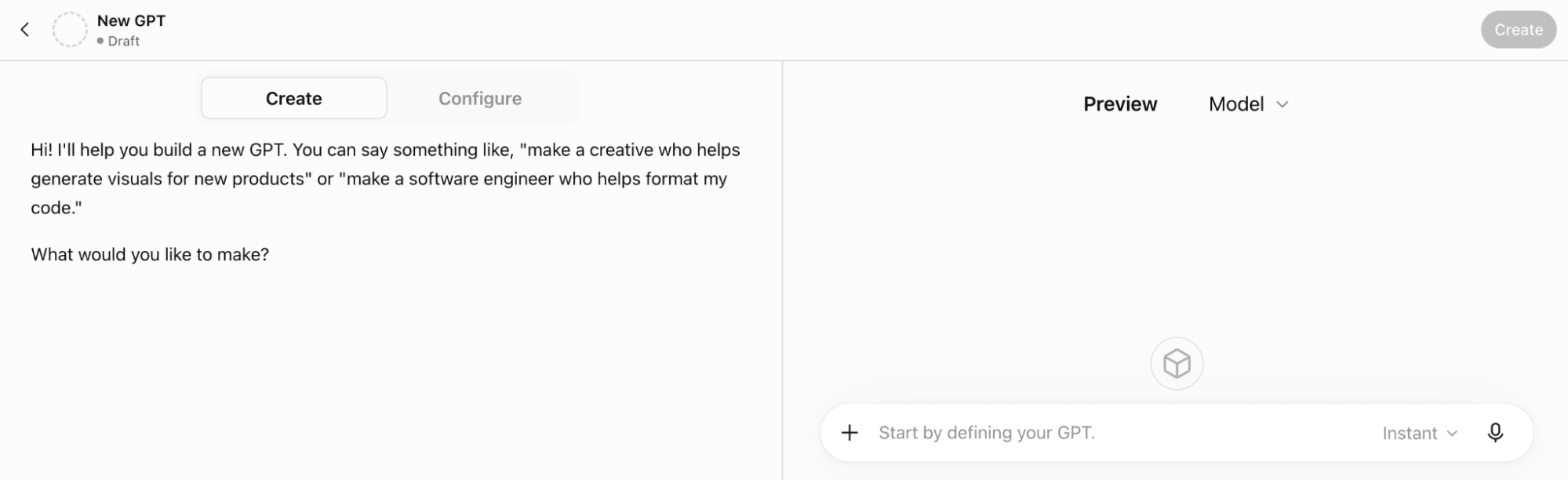
| Custom GPTs | Proof of concepts, single-step tasks | Simple conversational setup, native to ChatGPT. | Siloed workflow (requires copying/pasting between links), weak access control, fragile when OpenAI updates models. |
| Claude Skills | Multi-step workflows, intermediate builders | Multi-agent orchestration, portable across various LLM platforms, highly flexible. | Intellectual property exposure (distributing underlying prompt architecture as a zip folder). |
| Custom Software | Scalable SaaS businesses, premium communities | Complete brand ownership, secure multi-tenant user data isolation, professional dashboard management. | Requires managing hosting infrastructure, security compliance, and ongoing software maintenance. |
For creators wanting to build robust software without heavy engineering overhead, specialized platforms like wAIv (by Gravia Studio) have emerged to bridge the gap. These environments allow creators to build multi-step bot squads, manage client seat licensing, and dynamically route tasks to cost-effective models (such as using Claude Haiku for lightweight intake and more advanced models for complex analysis) to maximize profit margins.
Future Outlook: The Next Frontier for Knowledge Businesses
As artificial intelligence continues its rapid advancement, the boundary between service providers, educators, and software creators will continue to blur. The era of selling passive, static information products is rapidly drawing to a close. Consumers increasingly demand active implementation support and guaranteed outcomes rather than downloadable PDFs and video modules they will likely never finish.
Looking ahead, the most successful independent experts will operate as hybrid entities: part strategist, part software architect. By codifying their hard-won wisdom into proprietary bot squads, they free themselves from the grueling treadmill of 1:1 client hours and repetitive foundational coaching. This operational leverage allows them to focus exclusively on high-order strategy, community building, and creative vision.
Ultimately, turning what you know into an AI tool people will pay for is no longer an experimental side project—it is the foundational business model for the modern knowledge economy. Those who embrace the shift from teaching how to think to enabling how to execute will dominate their respective industries for years to come.