The modern live entertainment landscape has undergone a radical economic transformation, shifting from an accessible cultural pastime into an exclusive luxury pursuit. Whether securing a coveted seat for a marquee New York Knicks matchup at Madison Square Garden, enjoying the quintessential Honey Deuce cocktails at the US Open, or scream-singing lyrics at an Olivia Rodrigo concert, the contemporary consumer is met with a sobering reality: attending major cultural events has never been more expensive.
This financial escalation is not merely a byproduct of general inflation; it reflects a systemic restructuring of the ticketing industry. Driven by dominant conglomerates like Live Nation, widespread implementation of dynamic pricing algorithms, and an aggressive, unregulated secondary resale market, face-value and aftermarket ticket costs have soared to unprecedented heights. In 2019, the average price of a concert ticket hovered around a relatively manageable $92. Today, standard face-value tickets routinely start at $133, while tickets for top-tier acts and marquee sporting events routinely command sums that price out average earners entirely.
For many fans, this economic barrier means relegation to home viewing or missing out on cultural moments altogether. Yet, it also forces a compelling sociological question: Who are the individuals filling the stadiums, arenas, and amphitheaters? When nosebleed seats cost hundreds—and sometimes thousands—of dollars, how do everyday consumers navigate an economy where live entertainment requires four-figure investments?
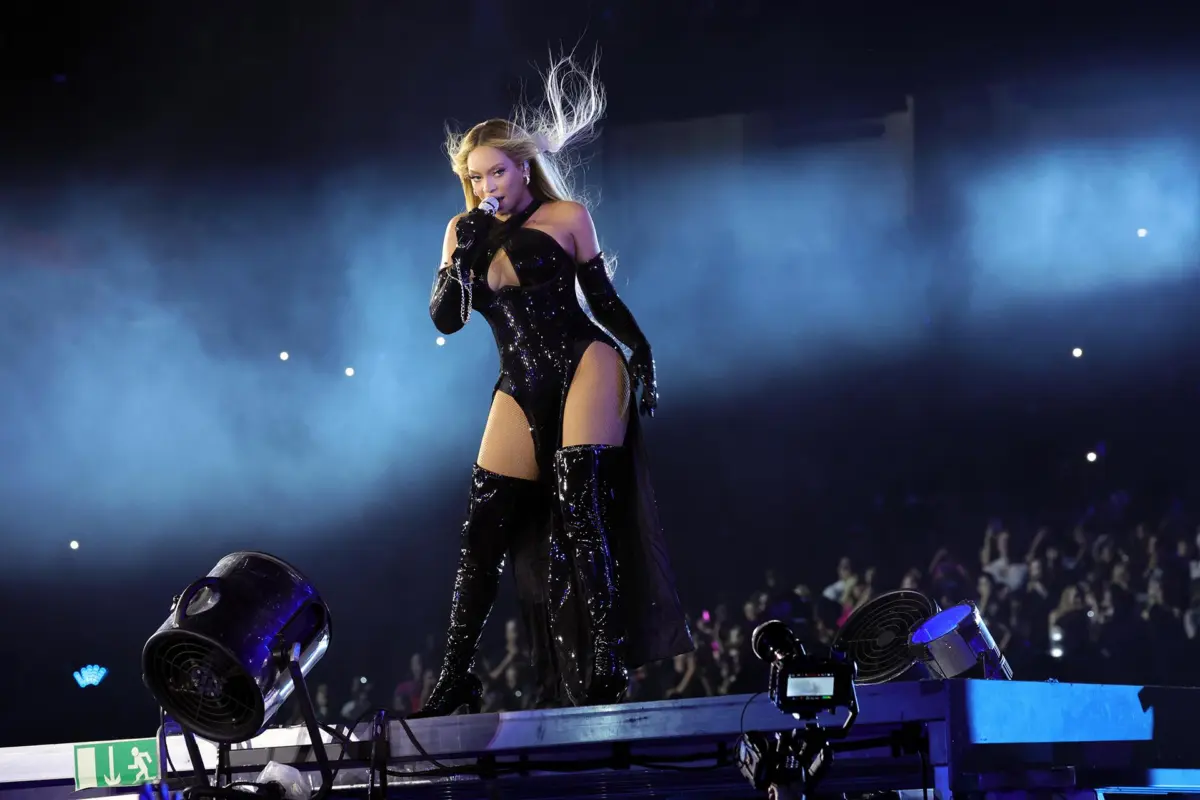
To understand this phenomenon, we step beyond the sterile statistics of corporate monopolies and examine the lived reality of fandom. Through an in-depth interview with Craig, a 44-year-old educational worker from the Bay Area making $180,000 annually who spent upwards of $15,000 to see Beyoncé’s Cowboy Carter Tour six times, this report explores the psychology of extreme fandom, the mechanics of modern ticket debt, and the staggering financial lengths to which dedicated enthusiasts will go for communal joy.
Detailed Chronology
The trajectory of Craig’s journey from a moderate concertgoer to a multi-show Beyoncé devotee mirrors the snowball effect characteristic of modern mega-tours. It is a narrative defined by initial restraint giving way to emotional impulse, culminating in a financial balancing act that stretches across calendar years.
The Initial Plan and the Escalation
When Beyoncé announced the Cowboy Carter Tour, Craig initially approached the endeavor with moderate parameters. Having missed out on the cultural juggernaut of the Renaissance World Tour—a regret that still stings—he planned a sensible itinerary: three shows total, starting with the tour’s opening night in Los Angeles.
"I had planned with a boyfriend who’s now an ex that was part of this whole process. I was going to go to the first show, the second show, and the third show, and then I was going to be done. But I knew in the back of my mind that I wasn’t probably done."
What began as a structured, three-night excursion quickly unraveled. Fresh off a personal breakup following a trip to New York City for the tour, Craig’s internal emotional landscape shifted. Propelled by what he describes as "delusional mania" and a coping mechanism forged through decades of sobriety from addiction, the tour transformed from an entertainment outing into an emotional lifeline.
"It got me through a really tough summer, and it was something that I don’t regret," Craig explains. From a homegrown, hastily assembled cowboy hat worn on night one, Craig progressed to a custom-made, $800 gold stage outfit by the time the tour reached its fifth and sixth iterations.
The Financial Avalanche
As the tour rolled on, the geographical scope expanded, and the ticket tiers upgraded. Craig consistently found himself securing seats right by the catwalk—prime real estate that commanded premium prices.
By the final stretch of the tour, fiscal prudence had taken a back seat to experiential urgency. For the ultimate show, Craig dropped $2,200 on a single ticket, finding himself alone in the exclusive Club Ho-Down section surrounded by celebrities, weeping fans, and surprise guest appearances by artists like Shaboozey, Jay-Z, and Destiny’s Child.
The mathematics of debt accumulation followed a slippery slope familiar to luxury consumers:
"Once you’ve got $8,000 on your credit card, what is $12,000?"
Operating without a formal financial blueprint, Craig relied on psychological compartmentalization—what he cheekily refers to as "boy math"—breaking down total expenses into bite-sized transactions of flights, hotels, merchandise, and tickets rather than confronting the aggregate sum. It took a full year of continuous payments, interest charges, and fee accumulation to clear the credit card balance accrued over that single summer.
Supporting Context & Metrics
To contextualize Craig’s narrative, one must examine the broader macroeconomic climate of live entertainment. The economics of touring have evolved into a high-stakes ecosystem characterized by skyrocketing production values, post-pandemic demand surges, and consolidated corporate control.
The Death of Affordable Access
Data compiled across the live entertainment sector illustrates a stark upward trajectory in ticket valuation:
- The 2019 Baseline: Prior to the COVID-19 pandemic, the average concert ticket cost approximately $92. While seating locations varied in quality, physical presence in the venue remained economically viable for the middle class.
- The Current Standard: Face-value tickets now average $133, but this figure is heavily skewed by vast sections of "dynamic pricing"—a system where primary ticket vendors automatically raise prices based on real-time demand, mimicking airline and ride-share surge models.
- The Resale Economy: Secondary markets on platforms like StubHub and Vivid Seats routinely inflate ticket prices by orders of magnitude. Recent NBA season tip-off games have seen nosebleed seats soar to $1,845, while high-demand pop concerts easily command resale figures exceeding $2,000.
The Architecture of High-Cost Fandom
For professionals like Craig—earning a respectable $180,000 in San Francisco’s high-cost-of-living Bay Area—disposable income is relative. Working in education his entire life, Craig notes that his spending habits reflect a conscious trade-off:
"I don’t have aspirations to own property yet, and I don’t have children… I have friends where one spouse, their entire salary goes to childcare. And I’m like, oh, that sounds not fun. Think of it this way: that’s so much Beyoncé that you could be experiencing instead of having a kid."
This perspective highlights a generational shift in wealth utilization. Without the traditional milestones of homeownership or familial dependents, middle-income professionals are increasingly redirecting substantial portions of their net worth toward experiential consumption—memories, community, and hyper-fandom.
Official Industry Insights and Perspectives
Industry analysts, economists, and consumer advocacy groups have increasingly turned their attention to the structural mechanisms driving these costs. The consensus points to a triumvirate of corporate consolidation, technological pricing mechanisms, and shifting consumer psychology.
The Live Nation-Ticketmaster Nexus
Anti-monopoly watchdogs and legal entities have frequently scrutinized Live Nation Entertainment—the parent company of Ticketmaster—for its commanding grip on venue operations, artist management, and primary ticketing. Critics argue that this vertical integration stifles competition, leaving consumers with little recourse against exorbitant service fees that often add 30% to 50% to the base ticket price.
The Psychology of Communal Catharsis
From a psychological standpoint, experts suggest that the willingness to incur significant debt for live events is deeply rooted in the post-isolation era. The desire for collective effervescence—shared emotional experiences within massive crowds—has become a powerful commodity.
For Craig, an individual in long-term recovery from addiction, the concert environment serves a dual psychological purpose:
"I’m an addict, an alcoholic who’s been in recovery for decades, and so it’s easy for me to get hooked on things, but this is such a pure, very expensive way to have joy… It’s the only place where you can really have this communal experience with people that are in your same delusional mindset."
This sentiment underscores how mega-tours operate not merely as musical performances, but as secular pilgrimage sites where fans seek validation, emotional release, and community.
Future Outlook
As the live entertainment industry looks toward the horizon, the financial trajectory shows few signs of deflation. Artists, promoters, and ticketing conglomerates have established a high-water mark for consumer spending that show-goers are actively, if painfully, accommodating.
Anticipating Act III and Beyond
For dedicated stans, the economic cycle is already resetting. Rumors surrounding upcoming releases, such as the speculative Act III of Beyoncé’s current musical era or prospective tours by Jay-Z, prompt fans to begin long-term financial strategizing years in advance.
Craig, reflective of his past expenditures, plans to approach future tours with newfound tactical adjustments:
"I’m going to possibly go to, I think, between five and eight shows depending on… I have enough time to save, enough time to put some money away and be a little bit more strategic. I will also get a seat that is a lot cheaper for a couple of shows."
The Sustainability Crisis
Nevertheless, the broader outlook raises critical questions regarding long-term sustainability. If marquee tours continue to price out younger and working-class audiences, pop culture risks becoming stratified, accessible only to affluent professionals willing to leverage credit or empty their savings accounts.
While super-fans will continue to rationalize the expense through the lens of memory-making and emotional survival, the cultural cost of exclusionary pricing remains high. Until systemic reforms address dynamic pricing abuses, secondary market scalping, and excessive ticketing fees, the modern concert experience will remain a gilded arena—one where the price of admission demands not just a ticket, but a profound financial compromise.