Executive Overview
In the sprawling, hyper-intertextual ecosystem of 21st-century internet culture, few phenomena capture the collision of earnest media consumption and aggressive internet irony quite like the "She Was His Queen" meme. Originating from a line of dialogue in the 2016 Warner Bros. and DC Comics blockbuster Suicide Squad, the phrase—narrated by Viola Davis in character as Amanda Waller—was initially designed to frame the toxic, chaotic romance between The Joker (Jared Leto) and Harley Quinn (Margot Robbie).
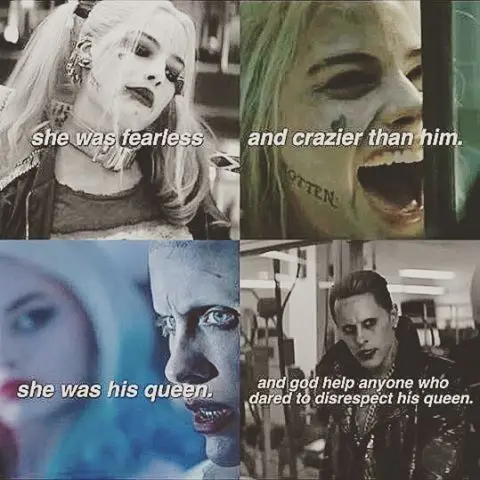
The full quote, "She was fearless and crazier than him. She was his queen, and God help anyone who dared to disrespect his queen," was meant to be received as an epic, albeit dark, testament to comic book villainy. Instead, it struck a dissonant chord with audiences. To mainstream viewers and comic book aficionados alike, the phrasing felt overwrought, melodramatic, and emblematic of a certain brand of subcultural romantic posturing often found on platforms like Tumblr and early-era Instagram.
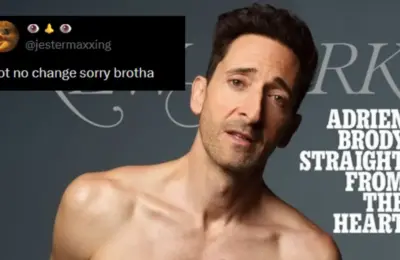
What followed was a textbook case of internet subversion. Within weeks of the film’s theatrical release, the earnestness of the cinematic moment was entirely hollowed out. Digital humorists, shitposters, and fandom satirists seized upon the quote, repurposing it as a versatile copypasta and macro template. By pairing the dramatic text with images of profoundly unlikely, absurd, or visually jarring couples—ranging from political figures and pop-culture non-sequiturs to surreal cartoon characters—the internet transformed a piece of high-budget studio dialogue into a decentralized critique of "edgy" internet romance culture.
By late December 2016, the meme had crossed the threshold from niche subcultural in-joke to mainstream cultural artifact, earning analysis from major publications like New York Magazine. This report provides an exhaustive examination of the "She Was His Queen" phenomenon, tracking its journey from the silver screen to the digital trenches, analyzing its structural mechanics, and evaluating its lasting impact on modern memetic evolution.
Detailed Chronology: From the Silver Screen to the Shitpost Sphere
August 2016: Cinematic Debut and Initial Reception
On August 5, 2016, Suicide Squad premiered in theaters worldwide. Directed by David Ayer, the film carried immense cultural expectations as a cornerstone of the burgeoning DC Extended Universe (DCEU). Among its heavily marketed elements was the reimagined dynamic between iconic villains The Joker and Harley Quinn.
While the film received polarized reviews from professional critics, it was intensely scrutinized by fan communities across social media. Early in the film, government operative Amanda Waller introduces the volatile nature of Harley and Joker’s relationship. Delivering the now-immortal lines, Davis’s character attempts to establish the duo as a formidable, untouchable Bonnie-and-Clyde archetype for the modern comic book generation.

However, rather than inspiring intimidation or romantic awe, the line immediately stood out for its melodramatic cadence. In the hyper-critical environment of post-release film discussions, viewers began isolating the quote, identifying it as a prime example of cinematic "cringe."
Late August 2016: The Rise of Fandom Edits and Irony Poisoning
The transition from cinematic quote to internet meme began in earnest on Instagram and Twitter during the final weeks of August 2016. Initially, unironic fans of the film—often associated with the "goth-glam" or "edgy couple" subcultures prevalent on social media—began generating fan art and photo edits featuring Joker and Harley Quinn overlaid with text variations of Waller’s quote.
These early unironic tributes became low-hanging fruit for irony-poisoned internet users. Recognizing the inherent theatricality and melodramatic weight of calling someone "his queen" in the context of a hyper-abusive comic book relationship, shitposters initiated a wave of parodic counter-content.
The first wave of edits replaced the canonical DC characters with absurdly mismatched, visually unappealing, or entirely inappropriate pairings. By subverting the solemnity of the original text with comedic imagery, creators created a stark juxtaposition that became the core comedic engine of the meme.
Fall to Winter 2016: Cross-Fandom Diffusion and Metastasization
As the autumn of 2016 progressed, the "She Was His Queen" format broke containment from generic movie parody pages and spread rapidly across multiple digital ecosystems. The meme proved uniquely modular; it required only two components:
- A visual depicting two figures (human, animal, animated, or inanimate).
- The exact—or intentionally misspelled/garbled—text of the Suicide Squad quote.
Creators across disparate fandoms—ranging from television dramas like The Vampire Diaries to political commentators and absurd internet micro-genres—began generating localized variants. The meme became a shorthand way to mock unearned dramatic tension, toxic relationship dynamics, and performative loyalty online.

By December 2016, the volume and creativity of these edits caught the attention of mainstream media observers. On December 22, 2016, New York Magazine published a comprehensive feature detailing the meme’s explosive trajectory, cementing its status as one of the defining viral phenomena of the late 2016 internet landscape.
Supporting Context & Metrics: Analyzing the Memetic Mechanics
To fully understand why "She Was His Queen" resonated so deeply within digital spaces, one must examine the socio-cultural backdrop of internet humor in 2016. The mid-2010s marked a golden age for "ironic shitposting," where Gen Z and younger millennial internet users actively sought out sincerity in pop culture specifically to dismantle it.
The Psychology of Anti-Fandom and Cringe Culture
The Joker and Harley Quinn dynamic has long occupied a complex space in popular culture. While textually framed as a textbook example of domestic abuse and psychological manipulation, a significant subsegment of the public—particularly on platforms like Tumblr and early Instagram—historically romanticized the pairing as the ultimate expression of "ride-or-die" loyalty.
When Hollywood attempted to codify this dynamic into a blockbuster script with lines like "She was fearless and crazier than him," it crossed a threshold from mildly concerning subcultural romanticization into mainstream cringe. The internet’s response was swift and corrective. By weaponizing the quote against completely ridiculous subjects—such as animated characters from SpongeBob SquarePants, corporate mascots, or surreal internet memes—the digital community engaged in a form of collective therapeutic mockery.
Structural Anatomy of the Meme
The enduring viability of the "She Was His Queen" template rests on three structural pillars:
- Textual Rigidity: The core quote remained remarkably consistent, often intentionally retaining grammatical quirks, dramatic line breaks, or simulated illiteracy to enhance the comedic effect (e.g., "she was tearle and crazier than hin she was his quebn").
- Visual Discordance: The humor derived almost entirely from the mismatch between the high-stakes, hyper-masculine romantic bravado of the text and the pathetic, banal, or grotesque nature of the paired image.
- Infinite Scalability: Because the template was decoupled from any single intellectual property, it could be grafted onto any current event, political cycle, or niche internet micro-trend.
Official Statements & Cultural Commentary
While Warner Bros. and the creative team behind Suicide Squad did not issue direct press releases addressing the memetic mutation of their script, cultural critics and entertainment commentators were quick to weigh in on the phenomenon.

In its December 2016 coverage, New York Magazine noted that the meme highlighted a growing disconnect between blockbuster screenwriting and modern digital audiences:
"Blockbuster films are subjected to a rigorous, real-time stress test by internet communities. When a studio attempts to package dark, gritty romanticism into a neat, quotable soundbite for the trailer generation, they run the immediate risk of handing creators the exact raw material needed for their own undoing. The ‘She Was His Queen’ meme is less a critique of a single movie and more a monument to the internet’s relentless impulse to deflate studio-manufactured cool."
Media theorists pointed out that the meme represented a shift in how audiences interact with intellectual property. Rather than consuming passive entertainment, modern digital consumers actively deconstruct, remix, and reclaim dialogue, turning a multi-million-dollar cinematic universe into open-source clay for absurdist humor.
Future Outlook: The Legacy of Post-Irony and Cinematic Memes
As the digital landscape continues to evolve in the post-2020 era, the lineage of the "She Was His Queen" meme remains visible in how modern audiences process blockbuster media.
While the specific cultural relevance of Suicide Squad (2016) has faded, replaced by subsequent reboots and shifting superhero cinematic universes, the mechanics pioneered by this meme live on. The blueprint of taking hyper-earnest, studio-approved dialogue and weaponizing it against absurd visual pairings has become a foundational tool in the modern shitposter’s arsenal.
Furthermore, the phenomenon foreshadowed the modern era of "post-irony," where internet humor no longer relies solely on simple mockery, but rather on layering multiple levels of absurdity until the original source material is entirely unrecognizable. Whether applied to superhero blockbusters, prestige television dramas, or corporate advertising campaigns, the ghost of Amanda Waller’s dramatic narration lingers across social media—a permanent reminder to Hollywood screenwriters that in the age of the internet, every epic line is just one edit away from becoming a punchline.