Executive Overview
The fast-paced evolution of cloud computing demands a continuous dialogue between platform providers and the global developer ecosystems driving innovation on the ground. In a recent update published by the AWS News Blog, the AWS Developer Experience team highlighted a blend of international community engagement, groundbreaking developer tooling, and critical transparency regarding recent operational hiccups.
Most notably, the past week featured strategic visits to vibrant developer hubs in Seoul, South Korea, where AWS representatives met with leaders from the AWS Korea User Group (AWSKRUG)—the country’s largest cloud developer community. These grassroots interactions directly inform product enhancements, ensuring that the voice of the developer shapes the trajectory of serverless architectures and artificial intelligence tooling.
Concurrently, Amazon Web Services rolled out a transformative feature designed to streamline the integration of AI-powered coding assistants with serverless infrastructure. The newly introduced one-click Lambda setup prompt for coding agents bridges the gap between generative AI and cloud infrastructure, seamlessly embedding serverless best practices directly into AI-driven workflows.
However, technology operations are never without friction. The weekly review also transparently addressed a recent operational anomaly involving AWS Cost Explorer, which displayed inaccurate estimated billing data and triggered erroneous alerts over the weekend. AWS leadership has since confirmed a full resolution, coupled with a commitment to rigorous root-cause analysis and systemic improvements.
This comprehensive report explores these developments in depth, analyzing their implications for cloud architects, developers, and enterprise stakeholders alike.
Detailed Chronology & Core Developments
Bridging Communities: The AWSKRUG Engagement in Seoul
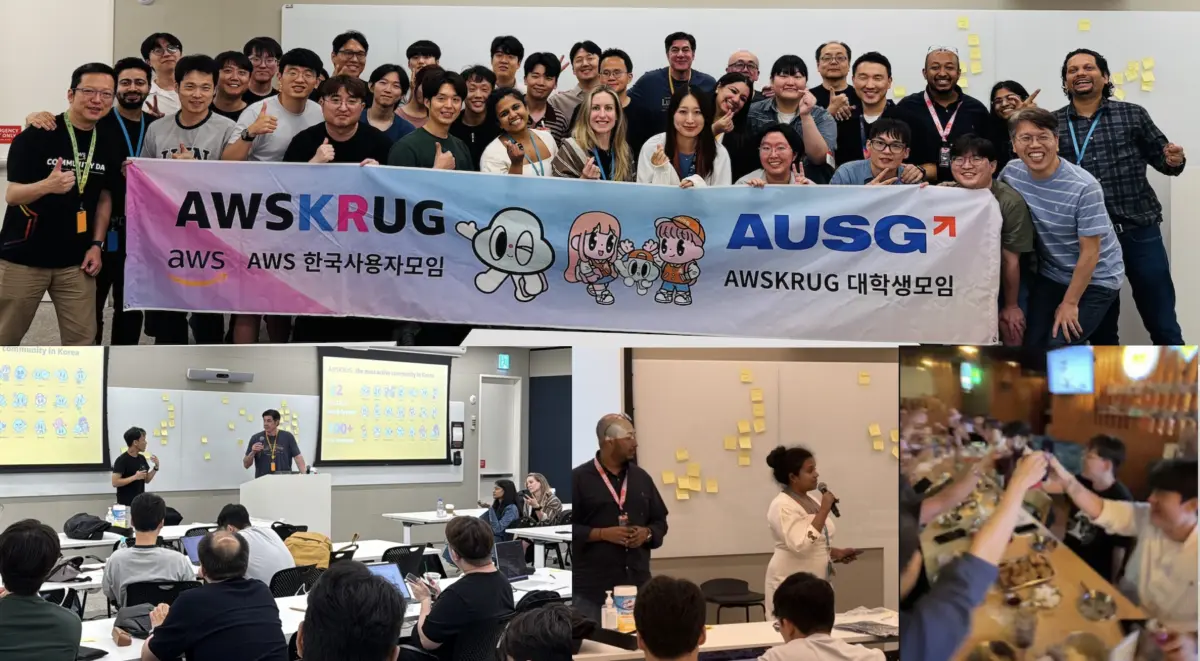
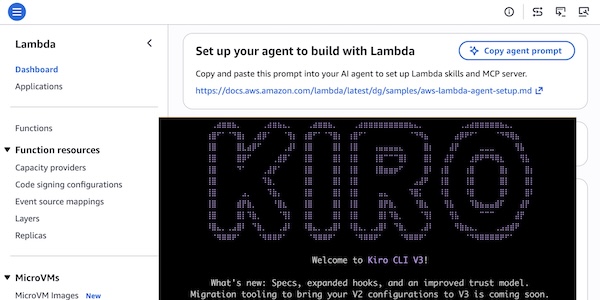
The foundation of any robust technology ecosystem lies in its community. Last week, members of the AWS Developer Experience team traveled to Seoul to engage directly with the leadership of the AWS Korea User Group (AWSKRUG).
Recognized as the premier cloud developer community in South Korea, AWSKRUG boasts a remarkably active structure. The organization comprises 20 specialized meetup groups segmented by both technical topics and geographic regions. Together, these groups orchestrate over 100 events annually, predominantly centered around the technology hub of Seoul.
The Feedback Loop in Action
The AWS Developer Experience team maintains a routine of visiting Asia-Pacific regions to foster direct communication channels with community leaders. These engagements are designed to be candid and constructive. During the Seoul meetup, community leaders provided transparent assessments detailing:
- Milestones and successful initiatives achieved during the first half of the year.
- Operational bottlenecks and areas requiring structural improvement.
- Direct feature and support requests directed at the AWS Developer Experience team.
True to local tradition, the strategic discussions were complemented by a relaxed networking session centered around Chimaek (a popular Korean pairing of fried chicken and beer), strengthening the interpersonal relationships that underpin successful open-source and cloud communities.
Revolutionizing AI Development: One-Click AWS Lambda Setup for Coding Agents
Shifting from community building to technical innovation, the standout technical launch of the week was the introduction of a one-click Lambda setup prompt for coding agents.
Modern software engineering increasingly relies on AI coding agents and LLM-powered integrated development environments (IDEs). However, configuring these agents to understand specific cloud services—let alone adhere to production-grade architectural best practices—has historically required manual prompt engineering, custom context files, and intricate tool configurations.
Mechanics of the Lambda Setup Prompt
The newly introduced setup prompt automates this friction point entirely. By executing a single command or utilizing a one-click interface, developers can configure their AI coding agents with:
- Core AWS Serverless Skills: Specialized contextual knowledge covering AWS Lambda design patterns, execution environments, event-driven architectures, and performance optimization.
- Serverless Model Context Protocol (MCP) Server: Integration via the Model Context Protocol, enabling real-time, bidirectional communication between the local AI agent and cloud development resources.
- Built-in Architectural Best Practices: Proactive guidance that discourages anti-patterns from the inception of code writing.
The prompt seamlessly interfaces with the official Lambda agent setup guide, which provides native installation and configuration commands for a diverse ecosystem of modern AI coding assistants and environments, including:
- Claude Code
- Kiro
- Cursor
- GitHub Copilot
- Codex
- Devin Desktop
- OpenCode
Getting Started: Step-by-Step Implementation
Developers looking to supercharge their AI coding assistants can operationalize this feature via two primary methods:

- Via the AWS Lambda Console:
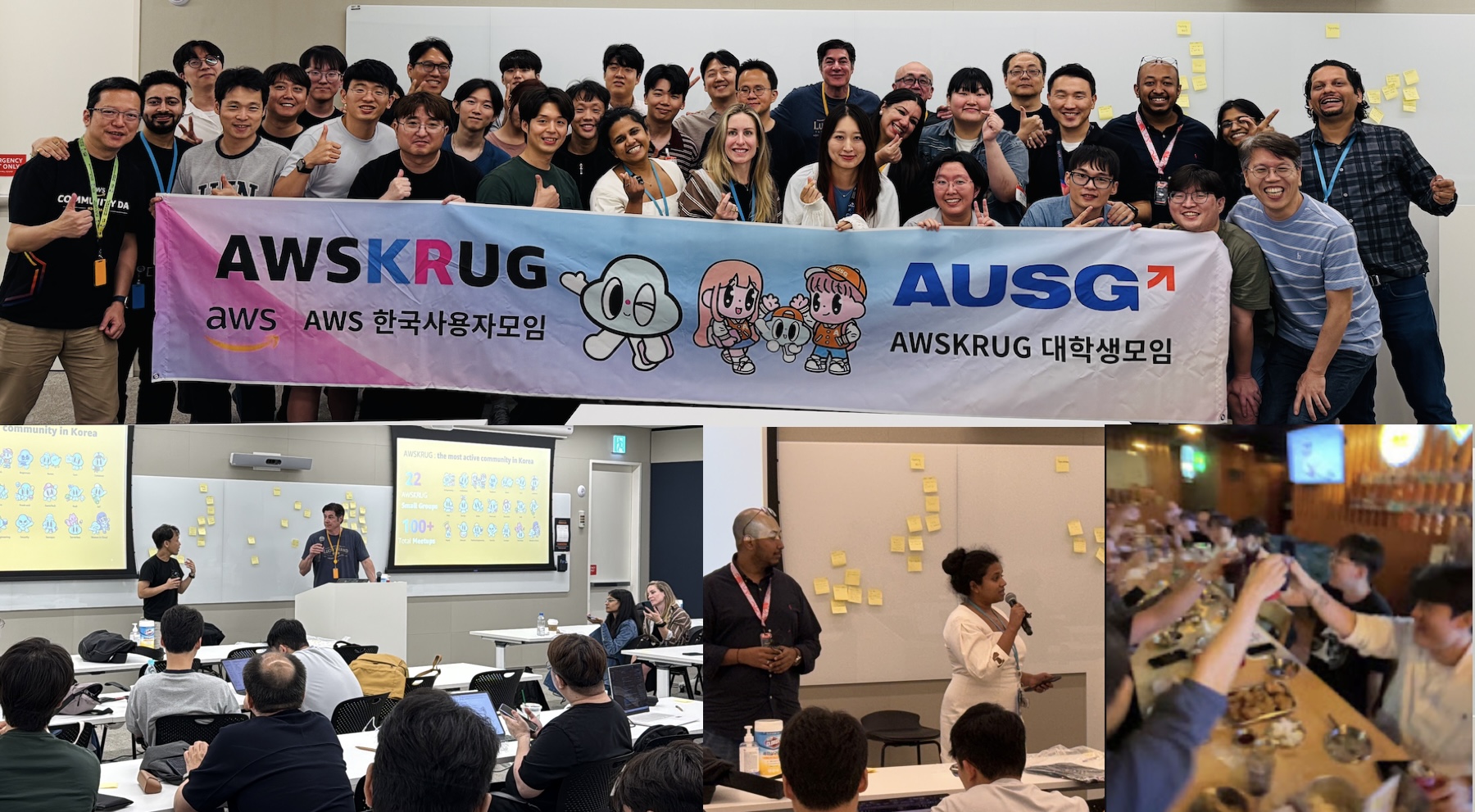
Navigate to the Lambda console screen and select the Copy agent prompt button. Paste the copied prompt directly into your preferred AI coding agent chat interface or configuration file. - Via Direct Command Line / URL Fetch:
Directly reference the setup script by providing your AI agent with the following URI:
fetch https://docs.aws.amazon.com/lambda/latest/dg/samples/aws-lambda-agent-setup.md
Furthermore, developers can augment their agents with broader AWS intelligence by leveraging the Agent Toolkit for AWS. This toolkit equips coding agents with up-to-date AWS knowledge and secure, governed resource access. To install the AWS MCP Server via the toolkit, developers utilize the following setup instruction URI:
fetch https://raw.githubusercontent.com/aws/agent-toolkit-for-aws/refs/heads/main/setup-instructions/setup.md
Supporting Context, Metrics & Ecosystem Impact
The Rise of Model Context Protocol (MCP) in Cloud Development
The integration of serverless workflows with MCP represents a paradigm shift in how developers interact with cloud providers. Historically, AI coding assistants operated in isolation, relying solely on static training data that frequently lagged behind rapid cloud release cycles.
By utilizing MCP servers, tools like Claude Code and Cursor can dynamically query real-time documentation, validate API contracts, and understand proprietary resource configurations. The inclusion of AWS Lambda into this ecosystem signals AWS’s commitment to meeting developers where they work—integrating directly into local IDE workflows rather than forcing users into proprietary cloud-only interfaces.
Community Scaling Metrics (AWSKRUG)
To understand the gravity of the AWSKRUG engagement, one must analyze the scale of the community:
- 20 Specialized Sub-Groups: Covering niche domains such as containerization, machine learning, serverless, data engineering, and regional cloud infrastructure.
- 100+ Annual Events: Providing consistent educational touchpoints for thousands of cloud practitioners across the Korean peninsula.
- Direct Enterprise Pipeline: Many enterprise cloud architects in South Korea trace their foundational AWS knowledge back to AWSKRUG meetups, making community feedback an invaluable telemetry source for AWS product teams.
Operational Transparency: Addressing the Cost Explorer Incident
While innovation dominated the week’s announcements, reliability and transparency remain paramount in enterprise cloud computing. AWS leadership addressed an operational glitch that impacted users over the preceding weekend.
Incident Summary
A technical anomaly caused AWS Cost Explorer to display inaccurate estimated billing data. Consequently, several downstream effects were observed by customers:
- Inflated estimated cost and usage metrics appeared on dashboards.
- Erroneous budget alerts and cost anomaly detection notifications were mistakenly dispatched to administrative teams.
Response, Resolution, and Preventative Measures
AWS engineering teams mobilized to isolate and resolve the underlying issue. According to official communications:
- The billing calculation pipeline has been fully restored to normal operating parameters.
- All AWS services are currently operating normally without lingering data corruption.
- No actual financial charges or over-billing occurred; the issue was strictly confined to estimation, forecasting, and reporting layers within Cost Explorer.
Recognizing the operational anxiety such alerts cause—particularly for finance and DevOps teams managing strict cloud budgets—AWS issued a formal apology. The company announced that a comprehensive internal retrospective is currently underway. This retrospective aims to:
- Identify the root cause within the billing telemetry pipeline to prevent recurrence.
- Refine incident response protocols to ensure faster, clearer communications when reporting anomalies occur.
Affected customers can review historical incident details and status logs directly via the AWS Health Dashboard.
Future Outlook & Builder Engagement
As the cloud computing landscape continues to merge serverless scalability with generative AI capabilities, the velocity of developer tooling improvements shows no sign of slowing. AWS encourages builders to stay engaged through multiple official channels:
- Upcoming Events: Developers can explore upcoming in-person and virtual gatherings via the AWS Events Explorer, specialized Startup Events, and regional AWS Summits.
- Community Connection: Join the AWS Builder Center to collaborate with global peers, share architectural solutions, and access continuous learning materials.
- Continuous Tracking: For real-time updates on product releases, monitor the What’s New with AWS page and the AWS Blogs.
The convergence of global community feedback, streamlined AI agent integrations, and transparent operational accountability sets a strong precedent for the remainder of the year. As Channy notes in the weekly wrap-up, builders can expect another comprehensive update next Monday as the AWS ecosystem marches forward.