Executive Overview
For over a century, the Place de la République has served as the roaring, beating heart of Parisian civic life—a monumental public stage where history is continuously written through the thunderous cadence of protest, solidarity, and mourning. From the jubilant seas of red, white, and blue during World Cup victories to the defiant marches of the Yellow Vests, LGBTQ+ pride commemorations, Black Lives Matter demonstrations, and solemn #JeSuisCharlie vigils, the square is synonymous with collective political expression. Yet, in her striking new photographic monograph, République (published by Chose Commune), French artist Bérangère Fromont deliberately turns her lens away from the spectacles of grand political dissent. Instead, she trains her vision on a community just as integral to the architectural and cultural fabric of the square: the young skateboarders who have claimed its ramps, curbs, and concrete expanses as their own.
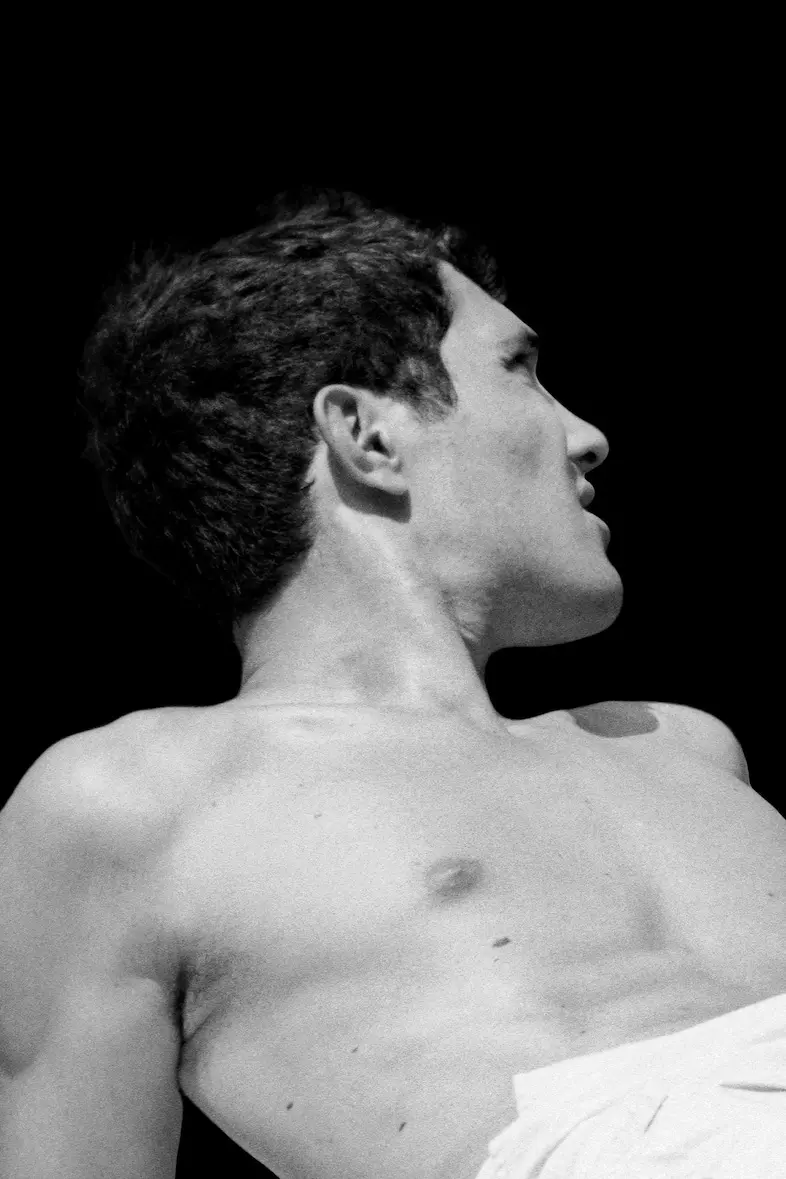
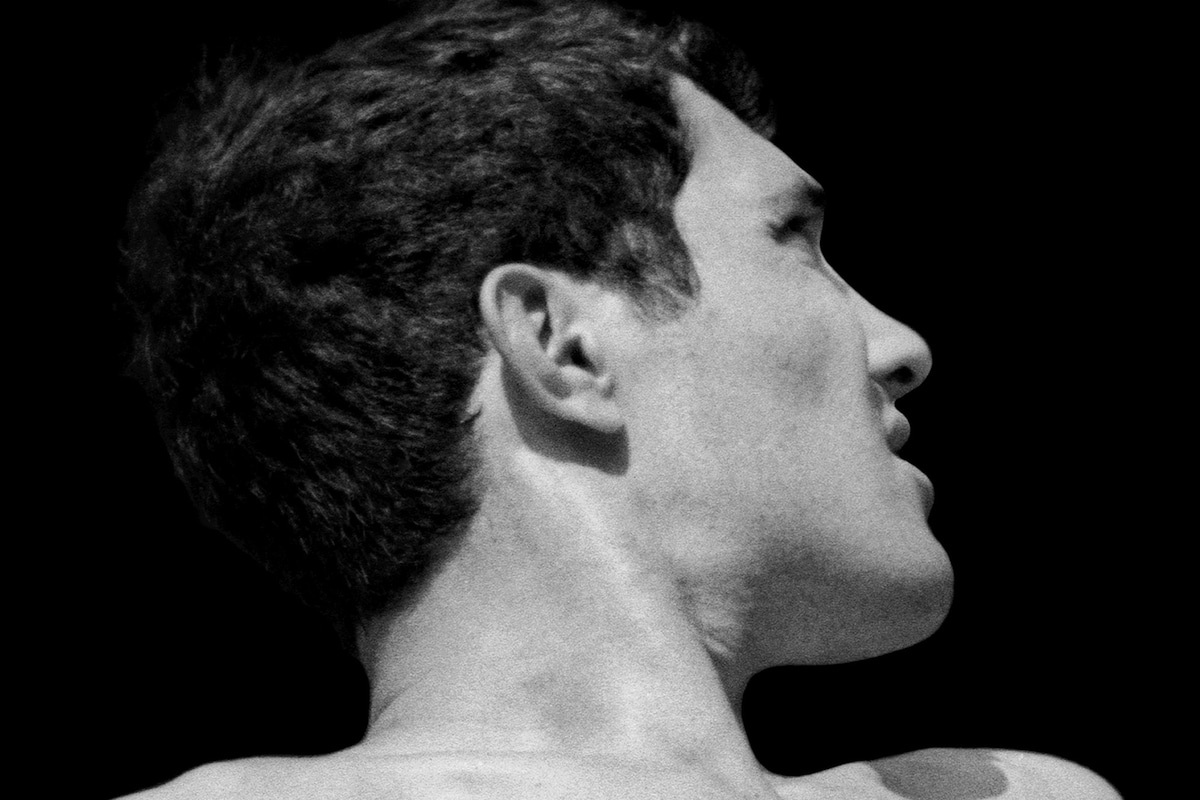
In Fromont’s tightly framed, chiaroscuro portraits, the bustling historic square is stripped of its immediate political chaos and transformed into a dramatic, almost theatrical arena. Here, meditative young faces and bruised, sun-baked torsos bathe in the unforgiving glare of the Parisian summer. Dubbed by Fromont as the "Princes of the Square"—reflecting a demographic reality where boys vastly outnumber girls—these youths inhabit the space with a quiet, persistent permanence.
Rather than documenting active street protests, Fromont’s work explores an alternate, more ambiguous form of resistance. Through a grueling three-year analogue photography process under punishing weather conditions, she captures the intersections of youth culture, public space, and somatic vulnerability. Her subjects do not raise fists or chant slogans; instead, they engage in a radical politics of gentleness and resilience. République elevates skateboard culture into a timeless, sculptural art form, establishing parallels between living flesh and the immutable bronze monuments of the French capital. The monograph is not merely a document of subcultural persistence; it is a profound meditation on the psychological landscape of contemporary European youth, bridging the gap between documentary photography and fine art portraiture.
Detailed Chronology & Genesis of the Project
The genesis of République stretches across a three-year timeline of physical endurance, patience, and artistic evolution. Initially, Bérangère Fromont did not set out to create a character study of the square’s resident skateboarders. Her initial ambition was broad and architectural: she wanted to capture the essence, weight, and socio-spatial dynamics of the Place de la République itself as a modern urban anchor.
Phase One: Observation and Immersion
When Fromont first began frequenting the square with her camera gear, she was overwhelmed by the sheer volume of transient human activity. However, as weeks turned into months, a distinct pattern emerged. No matter what socio-political storm was brewing in Paris—regardless of transit strikes, municipal crackdowns, or global crises—one group remained a constant fixture.
"Spending time there, I quickly realised they are its main inhabitants, in that they’re always present, no matter what’s going on in the city or the world," Fromont reflects. The skateboarders had organically established a territorial and cultural dominion over the square. Observing their performative interactions with daily commuters, tourists, and smartphone-wielding passersby, Fromont shifted her focus entirely. The architecture remained, but the youth became the focal point through which the architecture spoke.
Phase Two: The Analogue Trial
Unlike modern street photography, which often relies on the speed and digital convenience of high-speed shutters and rapid-fire memory cards, Fromont deliberately chose a punishing, labor-intensive analogue workflow. Armed with a heavy medium-format Mamiya film camera and a standard 50mm lens, she subjected herself to brutal physical conditions.
Working under a blazing sun during historic European heatwaves where temperatures frequently soared past 40 degrees Celsius (104°F), Fromont carried roughly four kilograms of specialized gear on her back day after day. Her technique involved capturing relatively wide-angle frames in harsh light and later meticulously cropping the negatives in post-production to isolate and enlarge compelling, intimate details.
This process was fraught with frustration. Weeks would pass without a single frame satisfying her stringent artistic standards. Yet, this "failure-plagued" process became conceptually intertwined with the subject matter itself. Just as a skateboarder must endure countless wipeouts, bruises, and failed attempts before successfully landing a trick, Fromont was locked in her own iterative cycle of trial, error, and physical bruising.
Phase Three: Archival Completion and Exhibition
Spanning a three-year window, the project culminated in the selection of a cohesive, visually harmonious body of work. The resulting monograph, République, was acquired by independent publisher Chose Commune. To mark its formal introduction to the cultural landscape, plans were simultaneously laid for a major museum exhibition at the Institut pour la Photographie in Lille, scheduled to run from September 18, 2026, to January 16, 2027.
Supporting Context & Artistic Metrics
To fully appreciate the weight of République, one must examine it within the broader trajectory of Fromont’s artistic career, as well as the historical lineage of youth-culture photography.
The Arc of Resistance in Fromont’s Oeuvre
Resistance—both individual and collective—has served as a foundational motif across Fromont’s major bodies of work. Her previous projects have consistently probed the fault lines of contemporary society:
- Except the Clouds (2018): A deeply atmospheric exploration of the turbulent revolts that rocked Athens, Greece, capturing a populace left to contemplate a world caught in political and economic ruin.
- L’amour seul brisera nos cœurs (2022): An intimate photographic series explicitly designed to rectify the historical under-representation and erasure of lesbian love within classical and contemporary art history.
In République, Fromont reinterprets resistance away from the barricades of Athens or the explicitly political assertions of her queer advocacy. Here, resistance is embodied by the young skater launching himself into physical uncertainty, and by the radical, counter-cultural choice of gentleness.
"Given all the uncertainty youths currently face about the future, choosing gentleness is a radical act," Fromont explains. "They’re not raising their fists or shouting slogans. They’re engaged in a quieter, more poetic kind of resistance, expressed by their lifestyle. I was really drawn to that."
Aesthetic Parallels and Lineages
Fromont’s stark, chiaroscuro portraits draw immediate aesthetic comparisons to legendary chroniclers of adolescence. Her work echoes the cinematic melancholia of filmmaker and photographer Gus Van Sant, whose visual language often romanticizes the fleeting, precarious nature of youth on the margins. Furthermore, her imagery shares a philosophical kinship with British photographer Paul Graham’s seminal series End of an Age, which captured the vulnerable, isolated moments when youth begins to slip away into adulthood.
However, Fromont diverges sharply from traditional portraitists by entirely eschewing posed setups. Her subjects are caught in moments of unvarnished reality—their bodies marked by visible scars, their gazes shifting between youthful nonchalance and deep, existential melancholy.
Sculptural Harmony and Classical Resonance
One of the most remarkable technical achievements of République is Fromont’s ability to imbue living, breathing teenagers with the timeless dignity of classical statuary. By utilizing harsh, directional summer sunlight, she sculptures the expressive features of her subjects, creating a deliberate dialogue with the bronze figures and stone monuments that physically populate the Place de la République.
"I sought such visual harmony in my selection of images," she notes, aiming "to draw out that kind of timeless, marble-like quality in the faces and bodies. It’s my way of saying that this beauty really exists. It’s not fabricated; I simply captured it."

Official Statements & Publisher Insights
The publication of République by Chose Commune marks a significant milestone in contemporary European photobook publishing. Known for rigorous editorial standards and tactile, high-quality printing objects, Chose Commune positions the book not merely as a collection of skateboard photographs, but as a sociological and artistic artifact of 2020s urban Europe.
In statements accompanying the book’s release, art critics and publishing editors have emphasized the timeliness of Fromont’s vision. In an era dominated by hyper-digital connectivity, algorithmic fatigue, and constant socio-political anxiety, République offers a meditative counter-narrative.
The Institut pour la Photographie in Lille, which will host the monumental exhibition in late 2026 and early 2027, issued a joint curatorial note praising Fromont’s dedication to analog purity:
"Bérangère Fromont does not look at the youth of Paris as a passing trend or a subcultural novelty. By anchoring her medium-format camera in the heat and dust of the Place de la République, she elevates skate culture into an archetype of human perseverance. The exhibition will invite viewers to reconsider public space not as a zone of transit or conflict, but as a living canvas of human grace, vulnerability, and quiet endurance."
Future Outlook & Cultural Legacy
As République transitions from a private photographic endeavor into a published monograph and a major institutional exhibition, its resonance within the cultural landscape is poised to grow.
The Evolution of Public Space
The monograph arrives at a critical juncture in urban planning and sociology. Across major European capitals, public squares are increasingly subjected to defensive architecture, commercial privatization, and heightened surveillance designed to deter loitering and youth gatherings. By documenting how skaters have successfully integrated themselves into the monumental architecture of the Place de la République, Fromont’s work acts as a visual defense of the commons. It reminds city planners and civic authorities that public squares derive their true vitality not from pristine marble or sterile design, but from the messy, vibrant, and persistent human life that inhabits them.
Exhibition Roadmap and Accessibility
Following the book’s distribution via Chose Commune, anticipation is high for the upcoming exhibition at the Institut pour la Photographie in Lille. Cultural institutions across Europe are reportedly eyeing the exhibition for a potential international tour, which would introduce Fromont’s "Princes of the Square" to audiences outside of France.
Ultimately, République secures Bérangère Fromont’s place as one of the most sensitive and rigorous documentary photographers working today. By refusing to look away from the asphalt, the sweat, and the quiet gazes of Paris’s youth, she has transformed a local Parisian landmark into a universal stage for the beauty, fragility, and unyielding resilience of a generation standing at the edge of tomorrow.