Executive Overview
The technological landscape at Apple Inc. is experiencing its most seismic shift in over a decade. In a coordinated transition that marks the closing of a foundational chapter for the Cupertino-based tech giant, long-serving executive Phil Schiller is officially relinquishing his day-to-day oversight of the App Store and Apple’s iconic product launch events. According to internal reports and comprehensive coverage by Bloomberg, Schiller’s departure from these critical portfolios signifies the latest evolutionary step in a legendary career that has spanned multiple decades, helping steer Apple from near-bankruptcy to the most valuable corporation on the planet.
While Schiller retains his prestigious "Apple Fellow" title—a designation reserved for the company’s most visionary individual contributors—insiders widely interpret this strategic step-back as a definitive precursor to his eventual retirement. The move does not occur in a vacuum; it arrives during a monumental period of corporate restructuring for Apple. Most notably, the transition coincides with Tim Cook stepping down from his role as Chief Executive Officer, handing the reins of the company to John Ternus.
As Apple prepares for this new era under Ternus, the sprawling responsibilities previously centralized under Schiller are being fractured and redistributed. Oversight of the multibillion-dollar App Store is returning to the company’s services division under executive Eddy Cue, with day-to-day management delegated to veteran Carson Oliver. Simultaneously, the production of Apple’s legendary, highly choreographed media events is shifting to Nola Weinstein, who will report directly to Kristin Huguet Quayle, Apple’s Vice President of Communications and Public Relations. This extensive reorganization redraws the lines of power within Apple’s executive suite, signaling a generational changing of the guard.
Detailed Chronology: The Evolution of Phil Schiller’s Role
To understand the magnitude of Schiller stepping away from the App Store and product events, one must examine his profound, multi-decade footprint at Apple. Joining the company in 1987, Schiller left briefly before returning in 1997 just as Steve Jobs reclaimed the helm. From that moment onward, Schiller became one of Jobs’s most trusted lieutenants, serving as the public face and architectural mind behind some of the most successful product rollouts in consumer technology history.
The Marketing Powerhouse (Until 2020)
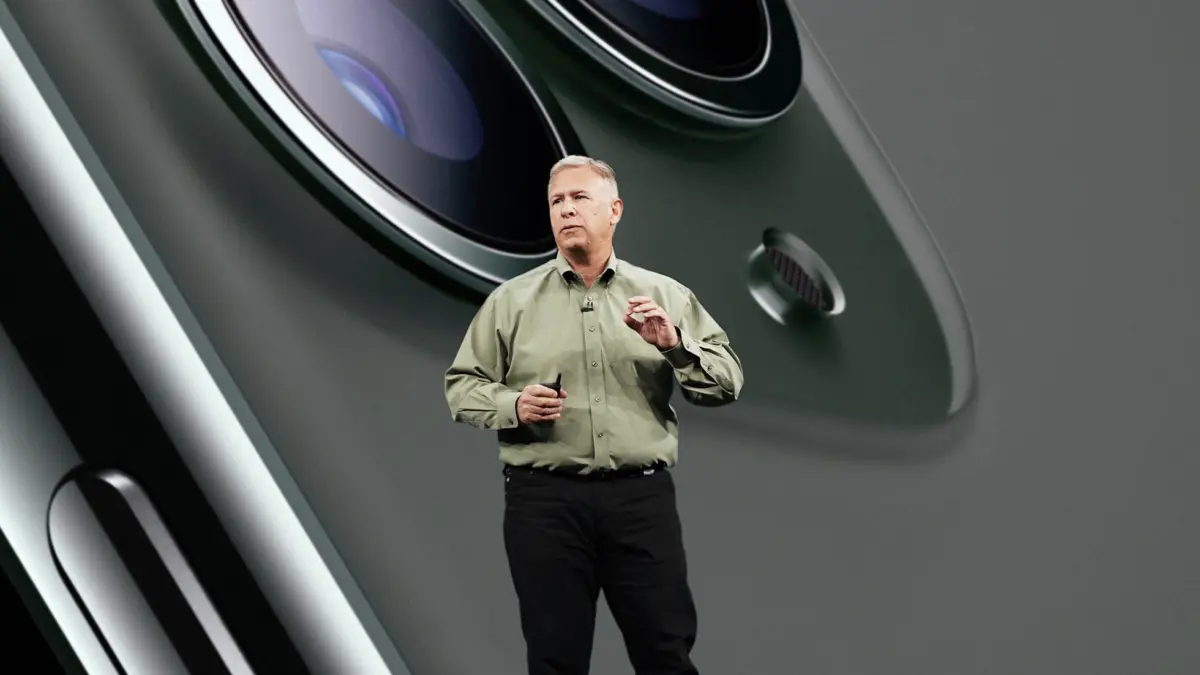
For decades, Schiller operated as Apple’s Senior Vice President of Worldwide Marketing. In this capacity, he was not merely an advertiser; he was the gatekeeper of the Apple brand experience. He orchestrated the marketing campaigns for the iMac, iPod, iPhone, iPad, and MacBook lineups. To millions of tech enthusiasts around the globe, Schiller was a familiar, charismatic fixture on the Steve Jobs Theater stage, passionately breaking down silicon architectures, display technologies, and design philosophies.
The "Apple Fellow" Transition (2020)
In August 2020, Schiller initiated his first major career pivot at Apple, transitioning out of the SVP of Worldwide Marketing role into the exclusive tier of an "Apple Fellow." Greg "Joz" Joswiak seamlessly stepped into the marketing SVP post. However, unlike traditional retirements, Schiller’s shift to an Apple Fellow was uniquely hands-on. Apple explicitly announced that despite relinquishing the marketing portfolio, Schiller would retain direct control over two of the company’s most vital cultural and financial engines: the App Store and Apple’s product events.
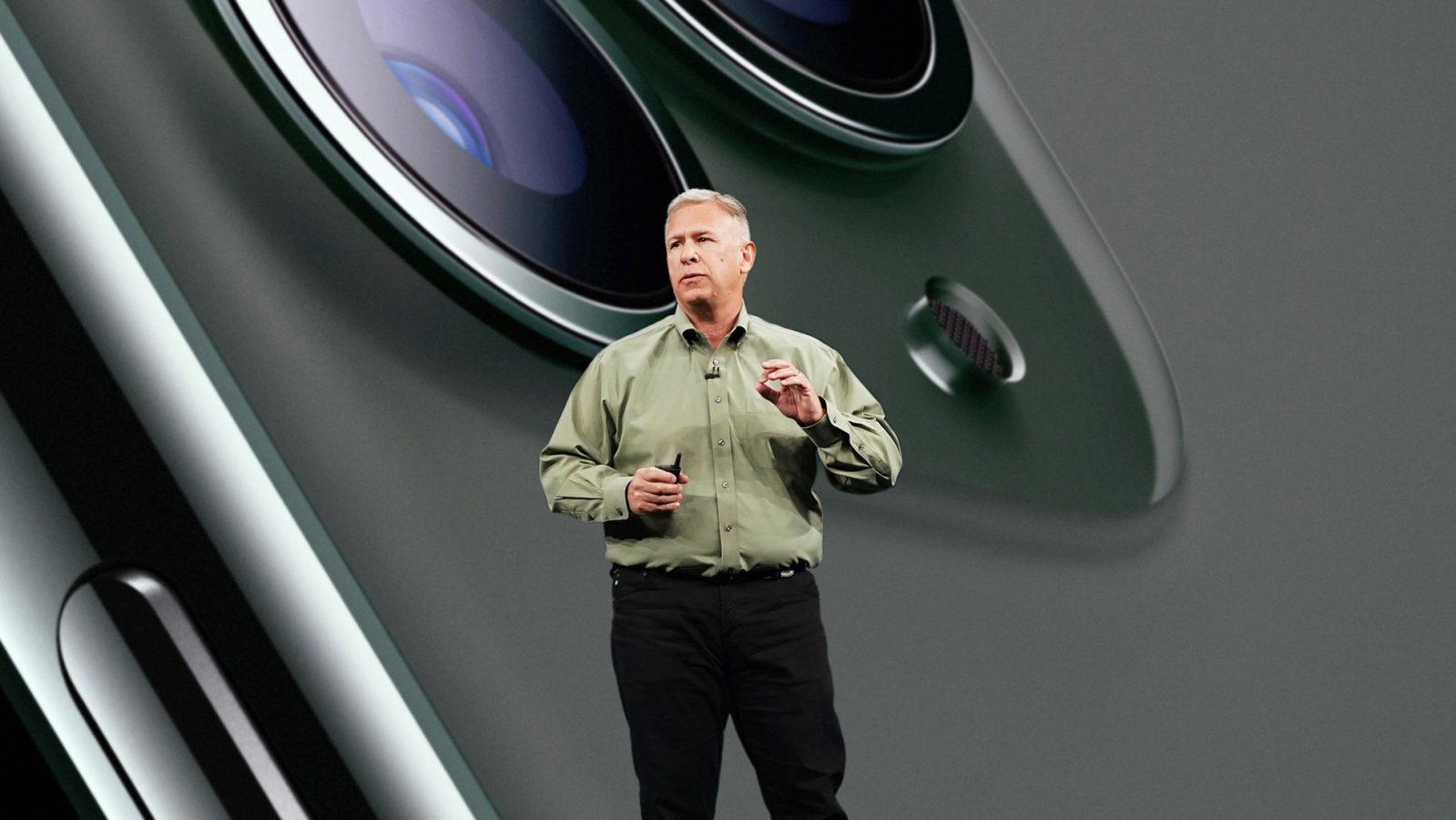
For the next several years, Schiller maintained a punishing workload. A notable Wall Street Journal profile published in 2024 revealed that even after stepping down from his SVP duties, Schiller was famously working nearly 80 hours a week, fiercely protecting the ecosystem policies of the App Store and overseeing the meticulous production of Apple’s digital keynotes.
The 2026 Restructuring
Now, the chapter has finally turned. With the latest reorganization, Schiller is divesting himself of operational management entirely. While he will officially remain an Apple Fellow to work on "unspecified initiatives," the consensus among Apple insiders is that this represents the beginning of the end of his active corporate tenure.
Supporting Context & Metrics: Reorganizing the Pillars
The reallocation of Schiller’s responsibilities is not a simple administrative shuffle; it involves reshaping major divisions that generate billions in revenue and define Apple’s public persona.
1. The App Store Returns to Eddy Cue’s Services Division
The App Store—a cornerstone of Apple’s booming Services segment, which routinely brings in tens of billions of dollars per quarter—is returning to the direct sphere of influence of Eddy Cue, Apple’s Senior Vice President of Services.
Historically, Cue oversaw the App Store during its infancy and early growth phase until 2015, at which point executive responsibility was transferred to Schiller and the broader marketing department. By bringing the App Store back into the services fold, Apple is aligning the marketplace more closely with its broader digital ecosystem, which includes iCloud, Apple Music, Apple Pay, and Apple TV+.
On a granular, day-to-day operational level, the App Store will now be spearheaded by Carson Oliver. Oliver is a seasoned veteran within the App Store department who will now report directly to Cue. This structure follows a division of labor implemented by Schiller two years prior, when he split App Store operational responsibilities between Oliver and Ann Thai. Now, under Cue’s overarching leadership and Oliver’s day-to-day management, the App Store enters a modernized regulatory and commercial climate, facing intense global antitrust scrutiny and the rapid proliferation of alternative app marketplaces.

2. Apple Events Shifts to PR and Communications
For decades, Phil Schiller was synonymous with Apple events. Whether introducing the original iPhone in 2007, defending the removal of the headphone jack, or orchestrating the complex transition to Apple Silicon, Schiller’s fingerprints were on every slide, transition, and keynote script.
With Schiller stepping aside from this domain, leadership of Apple events is passing to Nola Weinstein. Weinstein has effectively functioned as the beating heart of Apple’s event production as Schiller’s deputy since 2023. Under the new command structure, Weinstein will report directly to Kristin Huguet Quayle, Apple’s Vice President of Communications and Public Relations. This shift highlights how Apple events have evolved over the years—from traditional hardware unveilings to highly produced, cinematic broadcasts that double as masterclasses in corporate PR.
Official Statements and Internal Dynamics
Apple has historically managed executive transitions with a blend of reverence and corporate discretion, often framing departures not as losses, but as natural evolutions of leadership pipelines. While formal public press releases regarding mid-tier operational shifts are rare, the internal reverberations of Schiller’s pullback are profound.
According to deep-dive reporting from Bloomberg, Apple employees widely view this transition as a "big step" toward Schiller’s eventual, permanent retirement from the company he helped rebuild alongside Steve Jobs. Schiller’s legendary status within the walls of Apple Park ensures that his legacy is permanently etched into the corporate culture. As an Apple Fellow, his continued advisory presence—however undefined the initiatives may be—provides a bridge between Apple’s historic golden age and the emerging generation of leadership under John Ternus.
The Broader Backdrop: Tim Cook Steps Down
To contextualize the monumental nature of this week at Apple, Schiller’s step-back is occurring simultaneously with the end of an era at the absolute top of the corporate hierarchy. Tim Cook’s tenure as Chief Executive Officer officially concluded, with John Ternus stepping into the CEO role.
In a heartfelt memo distributed to Apple employees on his final day as CEO, Cook reflected on his historic run leading the company through its most lucrative and expansive chapter. Ternus, widely respected for his leadership of hardware engineering and his polished, calm demeanor during recent product keynotes, now assumes command of a tech titan facing complex global regulatory challenges, macroeconomic pressures, and the race to define generative artificial intelligence. Schiller’s decision to clear his plate aligns seamlessly with this broader executive overhaul, allowing Ternus to shape his own leadership apparatus.

Future Outlook: Navigating the Post-Schiller and Post-Cook Era
As Apple closes the book on the Cook-Schiller-era leadership dynamic, the corporation faces both immense opportunities and formidable headwinds.
[Apple Executive Restructuring - August 2026]
 ├── Tim Cook (CEO) ─────────────> John Ternus (New CEO)
 └── Phil Schiller (Fellow) ─────> Operational Duties Offloaded
      ├── App Store ─────────────> Eddy Cue (Services Division)
      │                            └── Carson Oliver (Day-to-Day)
      └── Apple Events ──────────> Nola Weinstein (Reporting to Kristin Huguet Quayle)
The relocation of the App Store to Eddy Cue’s services division places the platform squarely where monetization, developer relations, and digital content intersect. As regulatory bodies worldwide—particularly in the European Union and the United States—continue to scrutinize Apple’s walled-garden policies, commissions, and side-loading mandates, Cue and Oliver will face immediate pressure to navigate antitrust compliance without sacrificing the immense revenue streams that Wall Street has come to expect.
Meanwhile, the transition of Apple events to Nola Weinstein under Kristin Huguet Quayle ensures that the company’s marketing and PR wings are tightly integrated. As Apple pivots further into spatial computing (via Apple Vision Pro), advanced AI integration (Apple Intelligence), and next-generation silicon, the presentation format of these innovations will require a delicate balance of technical authority and cultural appeal—a legacy that Schiller perfected over decades.
Ultimately, Phil Schiller’s transition marks the quiet closing of an extraordinary chapter in Silicon Valley history. While he retains his title as an Apple Fellow for the time being, the operational gears of the App Store and Apple events are now safely in the hands of a new generation. For Apple, the challenge ahead is clear: maintain the legendary operational excellence and cultural mystique built by pioneers like Schiller and Cook, while forging aggressively into an uncharted future under John Ternus.