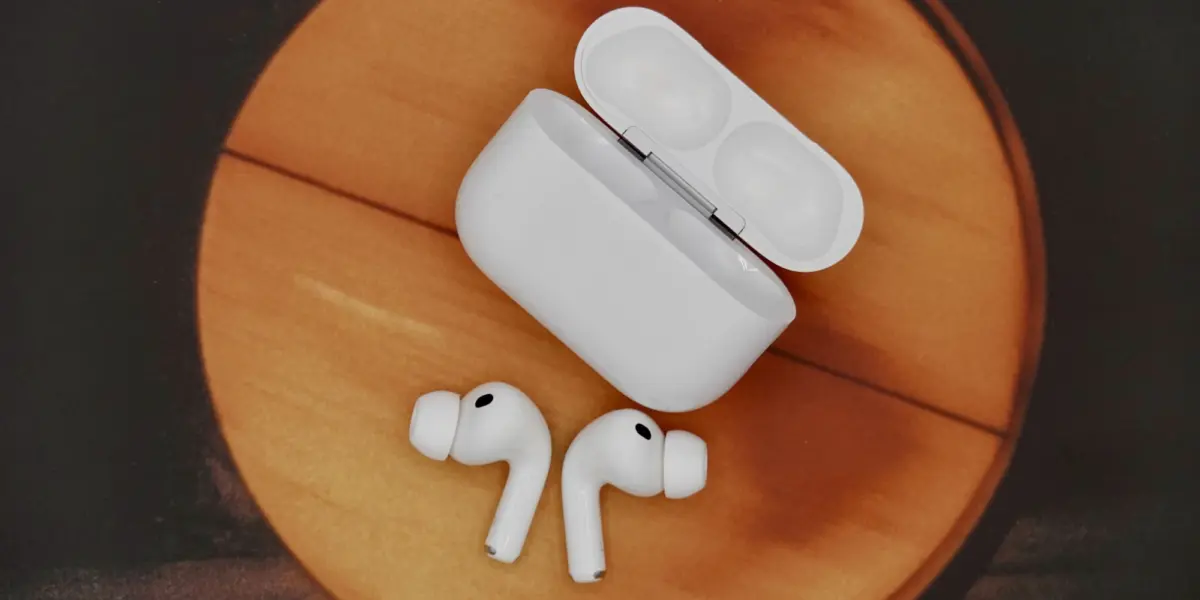
Apple’s AirPods lineup has long reigned as the undisputed heavyweight champion of the personal audio market, commanding massive global market share and continually redefining what consumers expect from wireless earbuds and over-ear headphones. Yet, the tech giant is far from resting on its laurels. Behind closed doors in Cupertino, engineering teams are aggressively developing a slew of hardware upgrades, software integrations, and radical form-factor shifts designed to maintain Apple’s dominance well into the late 2020s.
From forthcoming iterative refreshes like the rumored AirPods 5 to boundary-pushing concepts such as vision-enabled earbuds functioning as "the eyes for Siri," the upcoming roadmap represents a fundamental transformation. AirPods are no longer just for listening to music or taking phone calls; they are evolving into ambient computing devices. This comprehensive report breaks down everything we know about Apple’s upcoming AirPods pipeline, analyzes the shifting launch timelines, and provides strategic buying advice for consumers navigating the market today.
Executive Overview
The trajectory of Apple’s audio hardware portfolio is entering a complex, multi-layered phase. Over the past several years, the company has successfully segmented its audio offerings into distinct tiers: the entry-to-mid-level standard AirPods, the premium AirPods Pro, and the high-fidelity, over-ear AirPods Max.
However, external pressures—ranging from global supply chain fluctuations and artificial intelligence integration hurdles to shifting consumer demands—have forced Apple to adapt its release cadences. Recent leaks and supply chain reports paint a picture of a crowded pipeline:
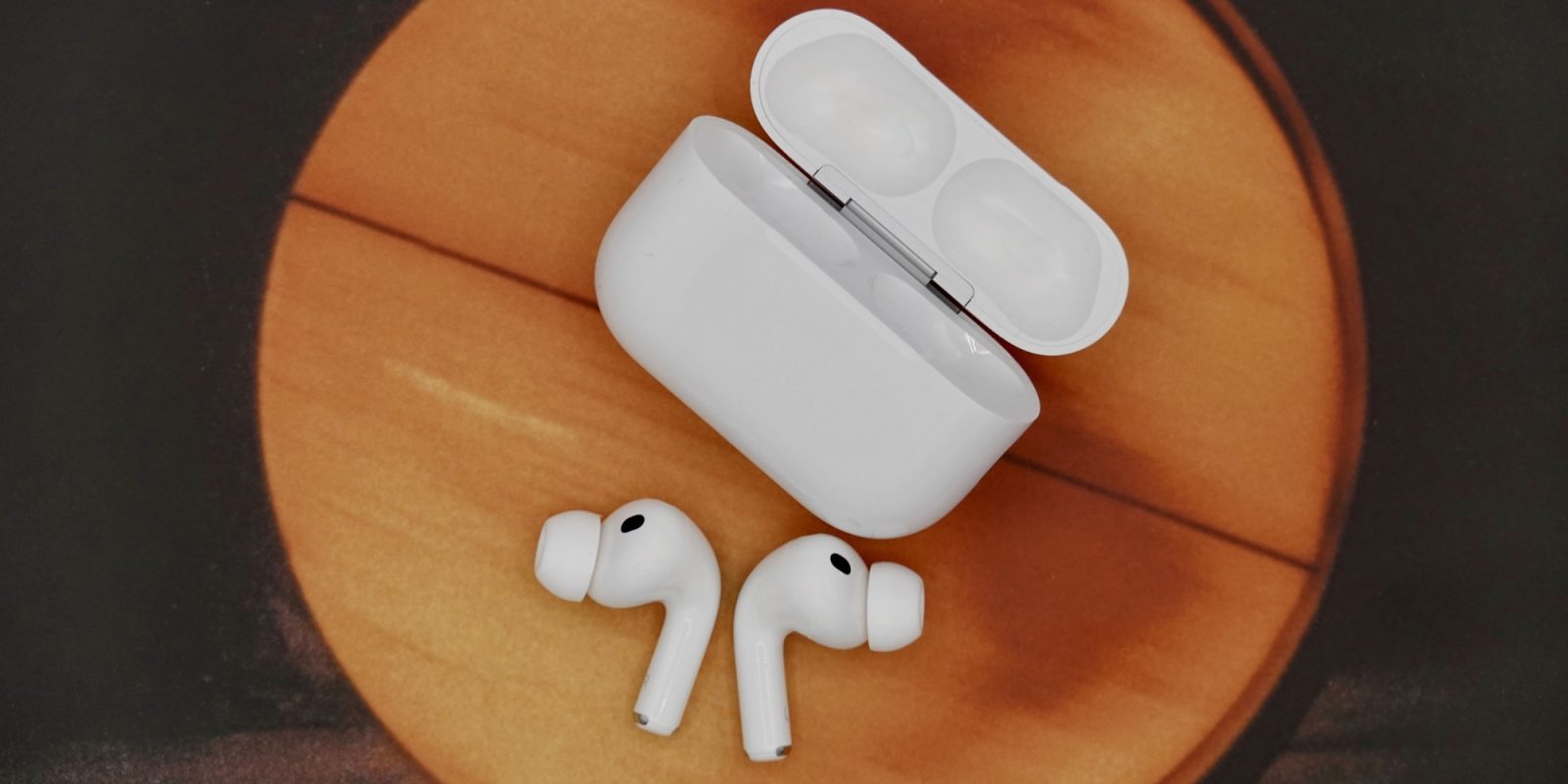
- The Immediate Horizon: Rumors indicate an imminent announcement for the AirPods 5, expected to debut alongside the iPhone 18 Pro and iPhone Ultra at an upcoming special event.
- The Mid-Term Landscape: Consumers continue to enjoy the robust features of the AirPods Pro 3 (released last fall with advanced fitness tracking and a revamped acoustic architecture), while minor ergonomic refreshes to the AirPods Max remain under periodic evaluation.
- The Paradigm Shift: The most anticipated and radical hardware leap remains the AirPods with built-in cameras, a product designed to feed visual context directly into Apple Intelligence and Siri. Though initially targeted for a 2026 release, development milestones and software dependencies have pushed this timeline back to late 2027 at the earliest.
This report will explore these developments across chronological milestones, structural hardware analyses, and forward-looking market projections.
Detailed Chronology of Releases: Past, Present, and Rumored
Understanding where the AirPods lineup is heading requires mapping out the chronological sequence of recent hardware rollouts and anticipated announcements.
Late 2024 to Late 2025: Establishing the Modern Baseline
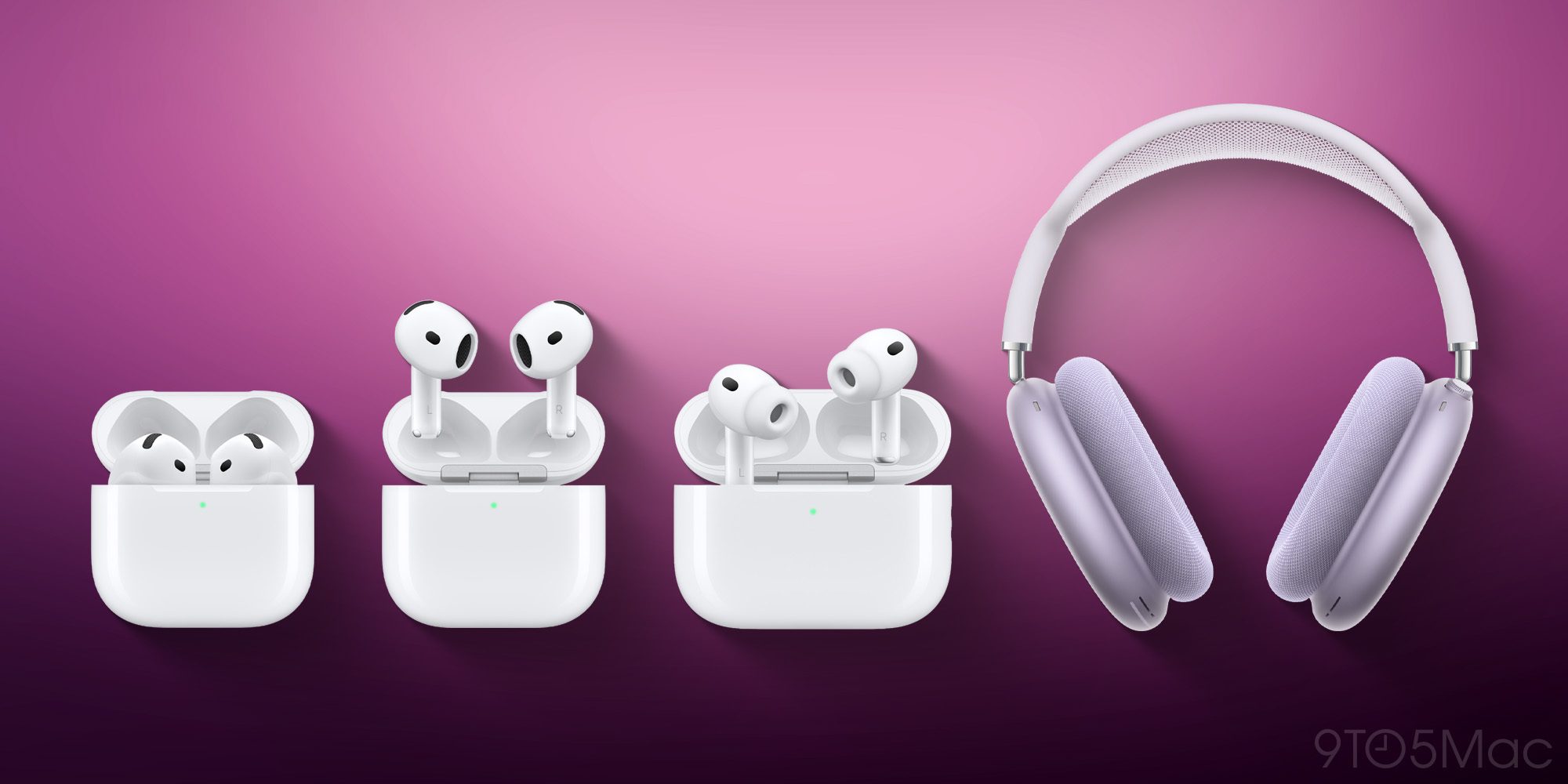
Apple set the stage for its current audio ecosystem in late 2024 by introducing the AirPods 4 in two distinct tiers—one featuring Active Noise Cancellation (ANC) and a base model without it. This strategy successfully bridged the gap between open-ear comfort and premium noise isolation, phasing out the aging AirPods 2 and 3 designs.
Shortly after, the AirPods Pro 3 launched in the fall of 2025. This iteration brought significant changes, including a refined in-ear fit, markedly improved acoustic performance, and a headline-grabbing built-in heart rate monitor. These additions cemented the Pro line as a health-tracking accessory just as much as an audio tool. Early 2026 also saw a minor refresh to the AirPods Max, integrating the efficient H2 chip, a high-dynamic-range amplifier, and enhanced audio fidelity.
Fall 2026: The AirPods 5 Debut
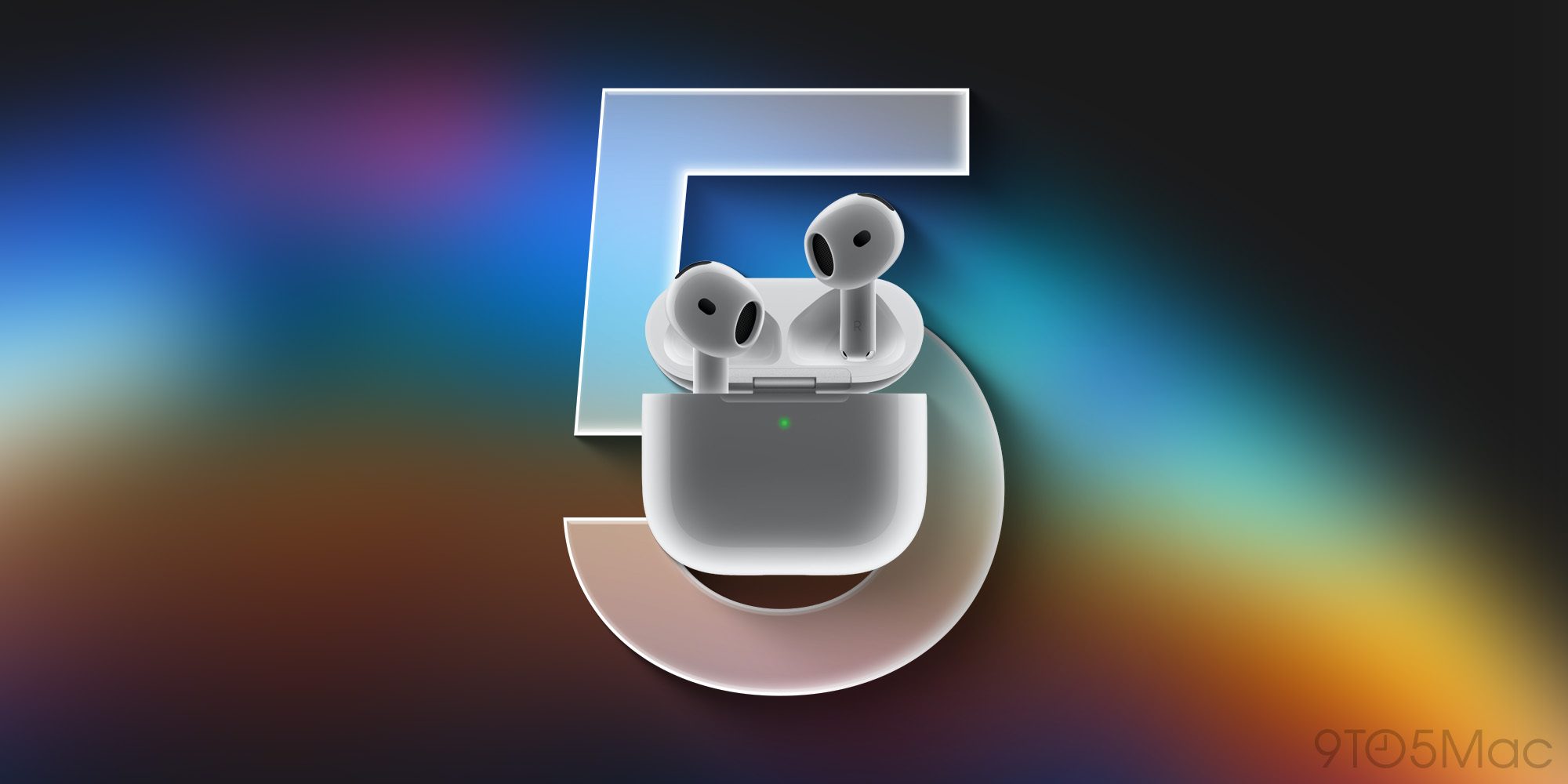
According to recent reports from Bloomberg, Apple is preparing to unveil the AirPods 5 at a special fall event alongside the iPhone 18 Pro and the rumored iPhone Ultra. Mirroring the strategy employed with the AirPods 4, the AirPods 5 are expected to launch in two distinct variants. While concrete details regarding radical acoustic or sensor breakthroughs remain scarce ahead of the keynote, the continuation of the dual-tier strategy suggests Apple aims to capture both budget-conscious buyers and consumers seeking core quality-of-life upgrades.
Late 2027 and Beyond: The Camera-Equipped Era
The most transformative milestone on the horizon is the introduction of AirPods featuring embedded optical sensors. Originally slated for a 2026 debut, supply chain indicators and insider reports confirm that the timeline has slipped to late 2027. This delay is primarily attributed to software bottlenecks, specifically the intricate calibration required to pair hardware-level visual data capture with the expansive capabilities of Apple Intelligence and localized Siri processing.
Supporting Context & Metrics: The Engineering Behind the Future
To fully grasp why Apple’s upcoming audio products are generating so much industry discussion, it is vital to examine the specific engineering challenges and design choices driving these devices.
1. AirPods with Cameras: "The Eyes for Siri"
The most radical development in Apple’s audio pipeline is the integration of ultra-compact digital camera modules into both the left and right earbuds. Industry analysts have clarified that these lenses are explicitly not intended for traditional photography or video recording; privacy concerns and thermal limitations alone would make that impractical. Instead, these sensors serve a singular, revolutionary purpose: providing visual environmental awareness for Siri.
- Design Adjustments: To accommodate the camera hardware and maintain structural integrity, supply chain leaks indicate that these specialized AirPods will feature noticeably longer stems than the current AirPods Pro design.
- Privacy Indicators: Addressing potential privacy anxieties head-on, Apple has engineered a dedicated, hardware-linked LED indicator light that illuminates automatically whenever the cameras are actively capturing or processing environmental data.
- Use Cases: By pairing visual input with advanced multimodal AI models, users will be able to interact with their environment dynamically. Imagine standing in your kitchen looking at a random assortment of food ingredients on the counter, asking, "What can I make for dinner with these?" Your AirPods will visually analyze the ingredients, cross-reference nutritional data, and output a tailored recipe directly to your ears. Similar integrations are expected to tie deeply into iOS applications like Reminders, Apple Maps, and visual search utilities.
2. The Form Factor Evolution of AirPods Max
Following the incremental H2 chip refresh for the over-ear AirPods Max earlier this year, hardware analysts—including Ming-Chi Kuo—have reported that Apple continues to explore further design iterations. A lighter, more comfortable build has long been requested by consumers who found the original stainless steel and aluminum chassis fatiguing during extended listening sessions. However, whether a comprehensive redesign will materialize remains fluid on Apple’s internal product roadmap.
Official Statements and Industry Insights
While Apple notoriously maintains strict secrecy regarding unannounced products, statements leaked through regulatory filings, patent applications, and insider reports from reputable publications like Bloomberg provide a transparent view of the corporate mindset in Cupertino.
Industry insiders note that Apple views wearables not as isolated accessories, but as vital nodes in its expanding ambient computing network. By integrating spatial audio, biometric health sensors, and now visual environmental data capture into devices that sit comfortably on or inside the human body, Apple is systematically building a closed-loop ecosystem that reduces reliance on the smartphone screen.
Regarding the delayed rollout of the camera-equipped earbuds, software development sources emphasize that Apple Intelligence is the primary bottleneck. The engineering hurdle is not merely placing a camera inside an earbud casing; it is processing low-latency visual data streams locally on-device without draining the battery within minutes, while maintaining strict user privacy standards.

Future Outlook: Should You Buy Now or Wait?
For consumers currently navigating the audio market, timing a purchase requires balancing immediate gratification against the horizon of upcoming tech. Based on the current landscape, here is a strategic breakdown of how to approach your next audio purchase:
Standard AirPods: Wait for the Announcement
If you are currently in the market for a pair of standard open-ear earbuds—specifically looking at the AirPods 4—patience is strongly advised. With the AirPods 5 expected to be announced imminently at Apple’s upcoming special event, prospective buyers should wait to evaluate pricing, feature sets, and any potential discounts on outgoing models.
AirPods Pro 3: Buy with Confidence
For those leaning toward the in-ear premium segment, the AirPods Pro 3—which launched last fall—remain an exceptional purchase. Featuring a revamped ergonomic fit, upgraded acoustic drivers, and an integrated heart rate monitor for fitness tracking, they represent the peak of modern wireless earbud technology.
AirPods Max: A Safe Bet for Audiophiles
If you prefer over-ear headphones, the recently updated AirPods Max with the H2 chip offer stellar audio quality, superior noise cancellation, and improved dynamic range. Because a major structural redesign is not guaranteed until late 2027 at the earliest, purchasing a pair now ensures years of uncompromised high-fidelity listening.

Camera-Equipped AirPods: Do Not Wait
Consumers tempted to hold out for the rumored camera-enabled AirPods should temper their expectations. Because these devices have been pushed to late 2027 due to ongoing software and AI delays, waiting for them means forfeiting the benefits of modern audio technology for well over a year.
Conclusion
Apple’s AirPods lineup stands at a fascinating crossroads. The brand has successfully transitioned from a trendy accessory maker to an indispensable health and audio powerhouse. As Apple prepares to introduce the AirPods 5 and looks further ahead toward camera-integrated, AI-driven spatial computing earbuds, the definition of what a pair of headphones can do is expanding exponentially. Whether these futuristic features will resonate with mainstream consumers remains to be seen, but one thing is certain: Apple’s relentless pursuit of ambient computing will continue to shape the consumer electronics landscape for years to come.