Executive Overview
For years, the trajectory of Apple’s MacBook Pro lineup has followed a predictable, iterative cadence. Incremental silicon bumps, periodic port restorations, and safe display refinements have defined the high-end portable Mac market since the introduction of Apple Silicon. However, industry supply chain whispers, leaked internal roadmaps, and reports from market research firms like Omdia point toward a tectonic shift in Cupertino’s hardware strategy.
Apple is reportedly preparing to introduce a dramatic structural redesign to its portable computing ecosystem. This forthcoming evolution is expected to bring monumental architectural upgrades: the long-awaited integration of OLED display technology, the historic inclusion of the first-ever touchscreen interface on a Mac, an even sleeker chassis profile, and the adoption of the iPhone-pioneered Dynamic Island.
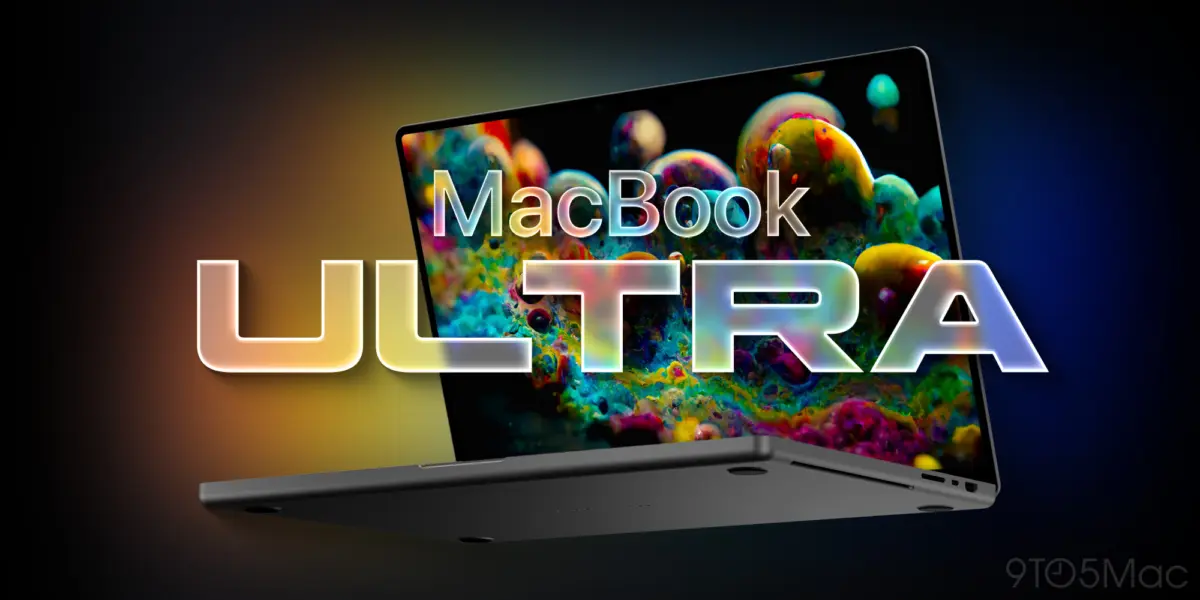
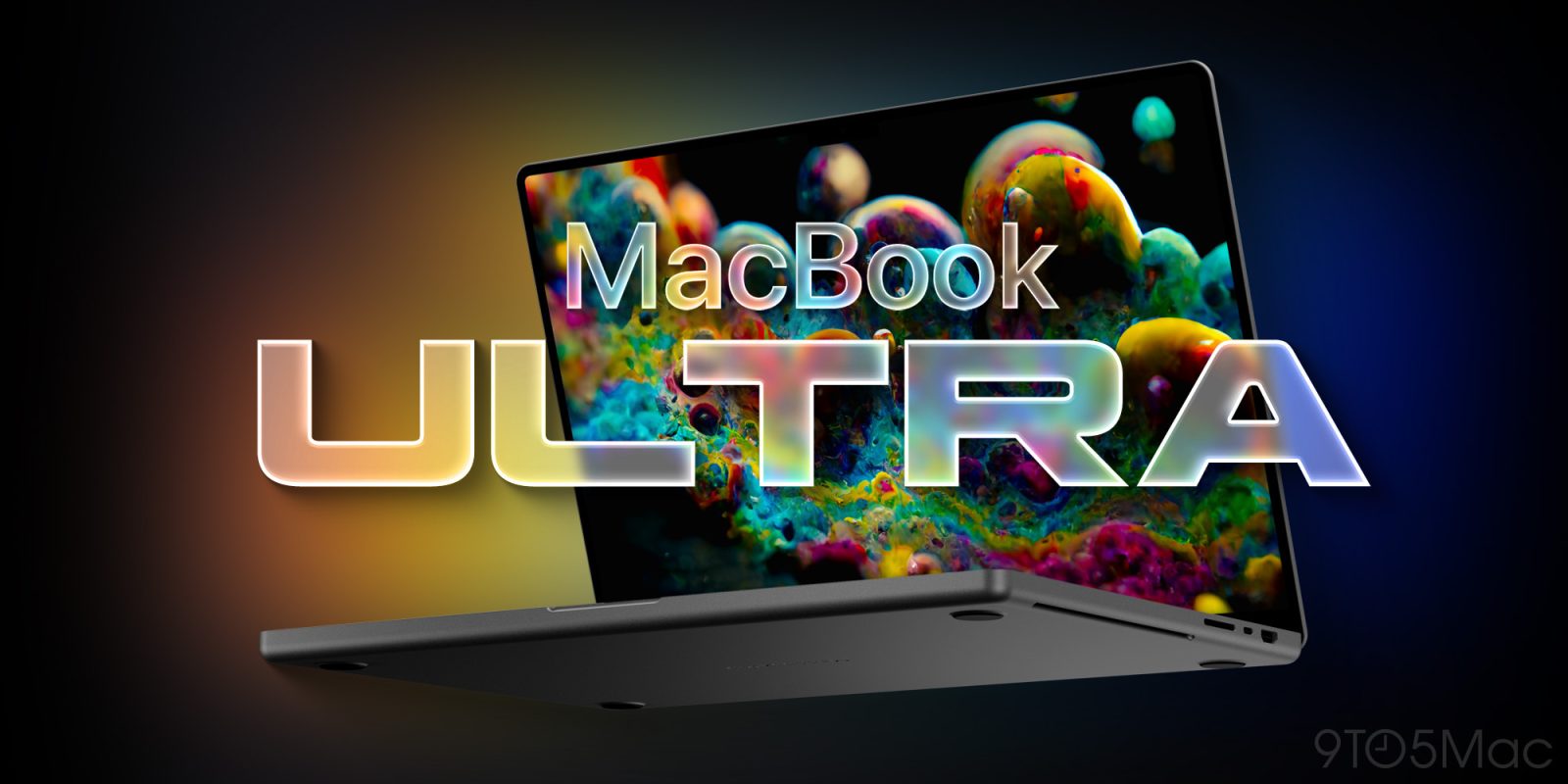
Initially, industry watchers debated whether these revolutionary changes would simply be folded into the traditional MacBook Pro moniker or if they signaled the birth of an entirely new tier: the MacBook Ultra.
Recent supply chain intelligence clarifies this strategy. Rather than entirely replacing the existing form factor, Apple is positioned to run a tiered dual-strategy. By keeping current miniLED display panels in active production through 2028, Apple can maintain an entry-level "Pro" baseline while charging a significant price premium for the ultra-thin, touchscreen-equipped redesign. This comprehensive analysis breaks down the roadmap, the economic implications of the touchscreen decision, and how this strategy reshapes the future of mobile computing.
Detailed Chronology of the Redesign & Branding Shift
To understand how Apple arrived at this fork in the product roadmap, we must trace the timeline of leaks, rumors, and supply chain reports that have surfaced over the past several cycles.
The Initial Speculation: Merging or Splitting?
When rumors first indicated that Apple was building a radically redesigned laptop featuring OLED and touch capabilities, analysts immediately questioned the branding. The nomenclature "MacBook Ultra" began circulating in tech circles as a logical differentiator. Much like Apple’s strategy with the iPhone Pro Max or the Apple Watch Ultra, an "Ultra" tier would justify bleeding-edge technology at an uncompromised price point.
However, confusion arose when industry insiders, including Bloomberg’s seasoned tech journalist Mark Gurman, reported that elements of this next-generation design would eventually bleed down into base-level MacBook Pro models powered by future generations of Apple Silicon (such as the M7 chip family). This cross-pollination of features made some analysts doubt whether an exclusive "MacBook Ultra" brand name was necessary.
The Omdia Revelation and the MiniLED Lifespan
The puzzle pieces fell into place with a recent roadmap report published by supply chain tracking firm Omdia. According to their data, Apple plans to keep its current miniLED display panels in active production and deployment well through 2028.
This detail carries massive strategic weight. If Apple were completely overhauling the MacBook Pro lineup in one swift motion, older display supply lines would taper off rapidly. The decision to sustain miniLED production indicates that Apple intends to sell two distinct high-end laptop categories concurrently for a transitional period.
- The Classic Pro Tier: Utilizing proven miniLED technology, these machines will cater to enterprise users, traditionalists, and budget-conscious creative professionals who demand maximum sustained performance without paying the bleeding-edge hardware tax.
- The Ultra Tier: Serving as the halo product, this new line will feature the touchscreen OLED panel, the thinner chassis, and advanced biometric or spatial interactions, likely commanding a starting price north of traditional Pro configurations.
Technical Innovations: What Drives the "Ultra" Premium?
The decision to introduce a touchscreen to the Mac ecosystem—a concept historically dismissed by late co-founder Steve Jobs—is not a casual modification. Engineering a macOS interface that accommodates touch interaction while preserving the ergonomic perfection of the trackpad and keyboard requires a complete reimagining of hardware durability, hinge mechanics, and software optimization.
1. The OLED Transition and Touch Integration
For professional creators, OLED offers true blacks, infinite contrast ratios, and pixel-level luminance control that vastly outperforms even the best miniLED setups. However, adding touch capabilities to an OLED laptop screen introduces significant manufacturing complexities. The digitizer layer must be seamlessly integrated without introducing glare, weight, or structural flex. These manufacturing hurdles directly contribute to higher baseline production costs, driving up the retail price of the final device.
2. Form Factor and Thermal Architecture
Achieving an even thinner chassis while housing cutting-edge Apple Silicon (likely iterations of the M-series chips tuned for ultra-performance) requires radical advancements in vapor chamber cooling and battery density. Apple must pack dense, multi-cell battery architectures around the constraints of a slimmer profile.

3. The Dynamic Island on macOS
Bringing the Dynamic Island from mobile iOS devices to the Mac desktop introduces an interactive hardware-software hybrid space. Rather than a traditional static notch housing the FaceTime camera and Face ID sensors, the Dynamic Island will likely serve as an adaptive hub for background tasks, media controls, and system notifications, blending utility with minimalist industrial design.
Supporting Context & Financial Metrics
Apple’s pricing strategy has always relied on creating psychological and functional tiers that upsell the consumer gently from one bracket to the next. The introduction of a MacBook Ultra complicates and simultaneously perfects this formula.
Projected Pricing Breakdown
Historically, the baseline 14-inch MacBook Pro has occupied the $1,999 slot, with higher configurations scaling upward. If Apple retains the miniLED MacBook Pro models to anchor the starting price of professional-grade power, we can anticipate the following market segmentation over the coming years:
- Entry-Level Professional (Existing MiniLED Form Factor): Projected to start around $2,499 for configurations featuring robust port selections and sustained multi-core performance for traditional workflows.
- The Flagship MacBook Ultra (OLED + Touch): Projected to start at a premium tier of $2,999 or higher, positioning it directly against elite Windows workstations and specialized creator laptops.
Historical Precedents in Apple’s Strategy
Apple has utilized this "staggered transition" playbook before. When the company introduced the redesigned flat-edged iPhone X while keeping older chassis designs in production, or when it maintained older MacBook Air models alongside the Apple Silicon transition, it successfully captured price-sensitive buyers without abandoning technological momentum.
By keeping miniLED MacBooks alive through 2028, Apple ensures that enterprise clients who require standardized hardware fleets aren’t forced into expensive, touch-enabled configurations before their procurement cycles allow.
Industry Perspectives & Expert Analysis
Market analysts have expressed mixed reactions regarding the commercial viability of a touchscreen Mac, but general consensus points to a net-positive outcome for Apple’s average selling price (ASP).

"Apple is transitioning its pro hardware not by forcing an abrupt revolution, but by widening the funnel. By offering a bifurcated high-end lineup—traditional miniLED powerhouses on one side and the ultra-premium, touchscreen OLED MacBook Ultra on the other—Apple effectively captures both the pragmatic workstation buyer and the bleeding-edge enthusiast." — Industry Supply Chain Analyst
Furthermore, competitors in the Windows ecosystem, such as Dell with its XPS line and Lenovo with Yoga configurations, have offered touchscreens and OLED panels for years. However, Apple’s unique advantage lies in the tight vertical integration of macOS with custom-designed silicon. Optimizing touch gestures for a desktop operating system without compromising mouse-and-keyboard precision will be the true hallmark of Apple’s execution.
Future Outlook: What to Expect Next
As we approach the coming months and subsequent hardware cycles, the roadmap for the Mac portfolio is shaping up to be one of the most ambitious in Apple’s history.
The Rollout Timeline
- Late 2026: Initial introduction of redesigned high-end portable hardware, showcasing the structural refinements, thinner chassis profiles, and early integrations of next-generation display architectures.
- 2027–2028: Continued co-existence of miniLED production lines alongside expanding OLED and touchscreen manufacturing capacities, gradually shifting consumer preference toward the Ultra tier as component yields improve and costs stabilize.
Final Thoughts
The arrival of the MacBook Ultra represents a milestone moment. It bridges the philosophical gap between iOS-driven touch interfaces and macOS productivity, signaling that Apple is no longer bound by its historical dogmas regarding how a computer screen should be used.
While the price tag will undoubtedly push boundaries—testing the upper limits of what consumers are willing to pay for a portable workstation—the inclusion of OLED, touch capabilities, and a radically thinned chassis ensures that the MacBook Ultra will command the attention of the entire tech industry.
What are your thoughts on the reported MacBook lineup? Do you plan on investing in a touchscreen MacBook Ultra, or will you stick with the tried-and-true miniLED Pro models? Sound off in the comments below.