Executive Overview
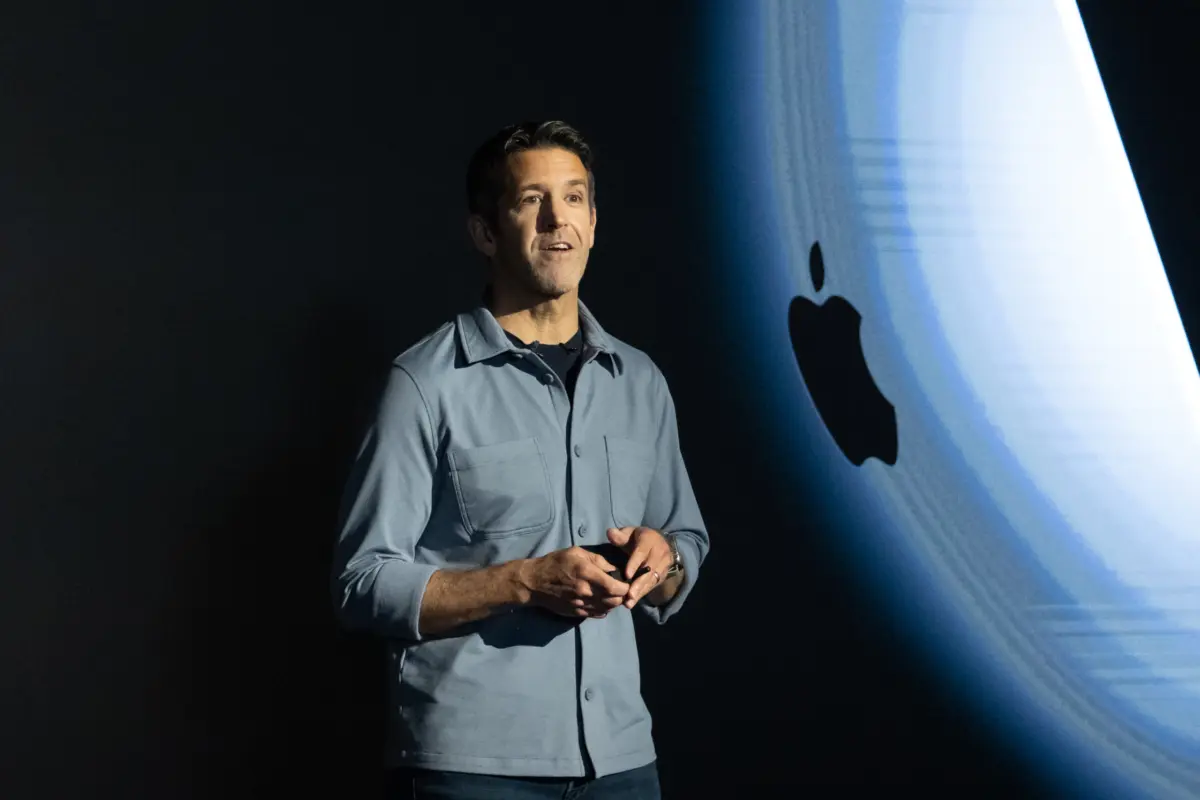
In one of the most consequential leadership transitions in modern corporate history, Apple Inc. has formally entered a new epoch. Tim Cook has officially stepped down as Chief Executive Officer, handing the operational and strategic control of the world’s most valuable enterprise to John Ternus, Apple’s longtime Senior Vice President of Hardware Engineering. The transition marks a fundamental structural shift for the Cupertino titan: after more than a decade under the supply-chain mastery and operational stewardship of Cook, Apple returns to leadership under a dedicated product builder.
The transition comes at a pivotal juncture for Apple. As the tech industry pivots aggressively toward generative artificial intelligence, spatial computing, and heightened global regulatory scrutiny, the change in leadership prompts critical questions regarding the company’s future product strategy and corporate governance. While Cook is not departing Apple entirely—stepping into the role of Executive Chairman to manage high-stakes policy, geopolitical relations, and government diplomacy—Ternus assumes executive responsibility immediately.
Ternus takes the reins right on the eve of Apple’s autumn hardware unveiling, issuing a company-wide memorandum promising a "huge launch" in his first official address as CEO. This immediate trial by fire forces Ternus to strike a delicate balance between maintaining Apple’s lucrative, hardware-driven baseline and aggressively accelerating its software and artificial intelligence capabilities to satisfy Wall Street’s demanding expectations.
Detailed Chronology of the Transition
+-----------------------------------------------------------------------------------+
|                            LEADERSHIP TRANSITION TIMELINE                         |
+-----------------------------------------------------------------------------------+
| [ Phase 1 ] Tim Cook Steps Down as CEO; Named Executive Chairman                  |
|             • Focus shifts to global policy, regulatory friction, & governance    |
+-----------------------------------------------------------------------------------+
| [ Phase 2 ] John Ternus Named Chief Executive Officer                             |
|             • Former SVP of Hardware Engineering assumes operational control      |
|             • Emphasizes product builder lineage and architectural vision        |
+-----------------------------------------------------------------------------------+
| [ Phase 3 ] Inaugural CEO Memorandum Issued                                       |
|             • Ternus promises a "huge launch next week"                           |
|             • Keynote preparation signals seamless continuity in execution       |
+-----------------------------------------------------------------------------------+
| [ Phase 4 ] Strategic Focus Shift                                                 |
|             • Balancing hardware innovation with accelerated AI software stack    |
|             • Re-evaluating capital allocation and developer ecosystem growth     |
+-----------------------------------------------------------------------------------+
The Passing of the Torch
The formal transition began with Cook’s decision to step down from the chief executive seat after thirteen years at the helm. Under Cook’s leadership, Apple expanded its market capitalization from roughly $350 billion in 2011 to peak valuations crossing the $3 trillion threshold, driven by massive expansions in services, wearables, and operational efficiency across international markets.
Following formal approval by Apple’s Board of Directors, John Ternus was named CEO. His elevation represents a deliberate return to Apple’s historical roots, placing a seasoned engineer and product developer at the apex of the organization.
The Inaugural Executive Address
Within hours of his appointment, Ternus distributed his first official memorandum to Apple’s global workforce. Rather than signaling an immediate operational overhaul, Ternus leaned into continuity and execution, explicitly teasing a "huge launch next week."
This immediate deadline highlights the seamless nature of Apple’s succession planning. Ternus inherits a fully materialized product pipeline, placing Apple’s flagship annual iPhone event directly on his desk before the ink on his executive contract has dried. The immediate message to staff and investors was clear: execution remains uninterrupted.
Tim Cook’s Strategic Transition to Executive Chairman
Crucially, Tim Cook’s exit from the CEO role does not signal a complete departure from Apple Park. By assuming the role of Executive Chairman, Cook retains responsibility for high-level regulatory affairs, policy negotiations, and government relations.
In recent years, navigating state-level and international policy has become as vital to Apple’s bottom line as product engineering. Cook’s retention in this capacity isolates Ternus from distracting political and regulatory fights, allowing the new CEO to focus intensely on product strategy, technological innovation, and organizational execution.
Supporting Context & Key Metrics
Profile of John Ternus: From Hardware Chief to Corporate Helmsman
John Ternus joined Apple’s Design team in 2001 and steadily rose through the executive ranks. Appointed Vice President of Hardware Engineering in 2013 and Senior Vice President in 2021, Ternus has overseen some of the company’s most critical technological shifts:
- Apple Silicon Architecture: Ternus was instrumental in orchestrating the historic transition of the Mac lineup away from Intel processors to custom Apple Silicon (M-series chips), a move that vastly enhanced compute efficiency and market dominance.
- Product Ecosystem Expansion: His leadership spanned multiple generations of iPad, Mac, and iPhone hardware design, earning him a reputation as an exacting engineer with a deep respect for Apple’s aesthetic and functional ethos.
- Engineering Leadership: Unlike pure operations or finance executives, Ternus brings an intimate familiarity with component supply chains, custom silicon development, and hardware-software co-design.
+-------------------------------------------------------------------------------+
|                       JOHN TERNUS: CAREER TRAJECTORY                          |
+-------------------------------------------------------------------------------+
| 2001: Joins Apple Product Design Team                                         |
| 2013: Promoted to Vice President of Hardware Engineering                      |
| 2021: Named Senior Vice President of Hardware Engineering                     |
|       • Led Mac transition to custom Apple Silicon                            |
|       • Directed hardware engineering across iPad, Mac, and iPhone platforms  |
| 2026: Appointed Chief Executive Officer                                       |
+-------------------------------------------------------------------------------+
The Cook Legacy: Financial Growth vs. Technological Friction
To understand the challenges Ternus faces, it is necessary to examine the baseline established by Tim Cook’s thirteen-year tenure:
| Operational Metric / Strategic Focus | The Cook Era Achievement | The Ternus Era Challenge |
|---|---|---|
| Market Capitalization | Expanded from ~$350B to over $3 Trillion | Sustaining enterprise valuation amid shifting tech paradigms |
| Hardware Business | Massively expanded iPhone, AirPods, Apple Watch | Re-invigorating mature hardware categories |
| Services Division | Scaled to an annual run-rate exceeding $80B | Navigating legal threats to App Store commission models |
| Software & AI | Maintained steady iOS development; late to LLMs | Rapidly modernizing the AI stack (Apple Intelligence) |
| Supply Chain Dynamics | Globalized, highly optimized production networks | Diversifying production outside traditional manufacturing hubs |
Policy Headwinds and Regulatory Balancing Acts
Cook’s decision to manage policy as Executive Chairman comes as Apple faces unprecedented geopolitical and regulatory pressure. From the European Union’s Digital Markets Act (DMA) to ongoing antitrust litigation by the U.S. Department of Justice, Apple’s closed-ecosystem model is under siege.
Small operational decisions now escalate into global diplomatic incidents. Recently, controversies surrounding geopolitical mapping labels—such as localized naming disputes over geographic bodies—demonstrated how even minor digital platform adjustments can escalate into major foreign relations disputes. Cook’s continued presence as Executive Chairman is designed to buffer Apple against these macroeconomic and political vulnerabilities.
Official Statements and Industry Insights
Tim Cook’s Parting Message
In his outgoing statement to staff and shareholders, Tim Cook underscored his complete confidence in his successor, emphasizing that Apple’s operational future is tied directly to core product innovation:
"Apple is in the hands of a product builder. John’s profound understanding of our technology, his commitment to engineering excellence, and his unwavering dedication to Apple’s values make him the ideal leader for this next era."
John Ternus’s First Executive Directive
In his inaugural memo to Apple employees, Ternus struck an ambitious tone designed to reassure both internal teams and external investors:
"As we look ahead to a huge launch next week, our focus remains where it has always been: on delivering extraordinary products that enrich people’s lives. Apple’s strength lies in our unmatched ability to integrate hardware, software, and services into a seamless experience."
Tech Media and Analytical Commentary
The leadership transition was a central topic of debate on TechCrunch’s flagship Equity podcast, hosted by senior editors Kirsten Korosec and Sean O’Kane, and produced by Theresa Loconsolo.
+-------------------------------------------------------------------------------+
|                        TECHCRUNCH EQUITY PODCAST ANALYSIS                     |
+-------------------------------------------------------------------------------+
| Hosts: Kirsten Korosec & Sean O'Kane | Producer: Theresa Loconsolo            |
+-------------------------------------------------------------------------------+
| Core Insights:                                                                |
| • Hardware Credentials vs. Software Demands:                                  |
|   While Ternus is a hardware builder, the current landscape demands rapid     |
|   advancements in AI software.                                                |
| • The Silicon Advantage:                                                      |
|   Ternus's background in custom silicon design gives Apple a distinct advantage  |
|   in running localized, energy-efficient AI models directly on-device.        |
| • Shareholder Patience:                                                        |
|   Wall Street will likely give Ternus a grace period, provided the upcoming   |
|   hardware launch demonstrates clear integration with Apple Intelligence.     |
+-------------------------------------------------------------------------------+
On the show, Korosec and O’Kane highlighted the dynamic Ternus faces: while his background is rooted in physical product design, his success as CEO will largely depend on how effectively he accelerates Apple’s software capabilities. The hosts noted that ironically, a hardware background might give Ternus a unique advantage in the AI race, as future artificial intelligence breakthroughs rely heavily on tight integration with proprietary silicon, custom memory architecture, and thermal efficiency.
Future Outlook: The Strategic Imperatives for the Ternus Era
+-------------------------------------------------------------------------------+
|                    THE TERNUS ERA: STRATEGIC PRIORITIES                       |
+-------------------------------------------------------------------------------+
| 1. Artificial Intelligence Integration                                        |
|    • Deeply embed Apple Intelligence across iOS, macOS, and iPadOS            |
|    • Utilize custom silicon for private, on-device model execution            |
+-------------------------------------------------------------------------------+
| 2. Hardware Refinement & New Form Factors                                     |
|    • Evolve spatial computing platform (Apple Vision Pro scaling)            |
|    • Re-energize flagship devices with advanced materials and display tech    |
+-------------------------------------------------------------------------------+
| 3. Structural Governance & Compliance                                         |
|    • Leverage Tim Cook's political capital to navigate EU DMA & DOJ suits     |
|    • Preserve App Store services revenue amidst regulatory unbundling         |
+-------------------------------------------------------------------------------+
Navigating the Generative AI Horizon
The most immediate challenge facing John Ternus is closing the perceived gap between Apple and its competitors in generative artificial intelligence. While peers like Microsoft, Google, and Meta have pushed foundational cloud models, Apple’s strategy hinges on privacy-centric, on-device processing powered by Apple Silicon.
Under Ternus, Apple must prove that its integrated hardware approach can deliver superior consumer utility through "Apple Intelligence." Investors will closely watch whether Ternus restructures internal teams to give software engineers greater latitude, ensuring that hardware capabilities are fully matched by intuitive, AI-driven OS features.
Spatial Computing and Platform Diversification
Beyond the iPhone, Ternus must guide Apple’s long-term bet on spatial computing. Following the initial launch of the Apple Vision Pro, the challenge shifts from demonstrating technical feasibility to driving mainstream adoption.
Ternus’s deep experience in component miniaturization, display technology, and thermal management makes him uniquely suited to oversee the iteration of lighter, cheaper, and more powerful wearable spatial computers.
Wall Street Expectations and Shareholder Patience
As Ternus takes the stage for his first public keynotes as CEO, Wall Street will closely monitor his capital allocation strategy, product vision, and operational discipline. Shareholders are likely to give the new chief executive reasonable leeway, provided Apple delivers strong revenue performance in its core hardware lines while demonstrating a clear, forward-looking AI roadmap.
By keeping Tim Cook as Executive Chairman to absorb geopolitical friction, Apple has structured a dual-leadership model designed to protect its core business while unleashing its product engineering capabilities. Whether the "Ternus Era" will match the unprecedented enterprise growth of the Cook era remains to be seen, but the company’s direction is clear: Apple has placed its future back into the hands of a product builder.