Executive Overview
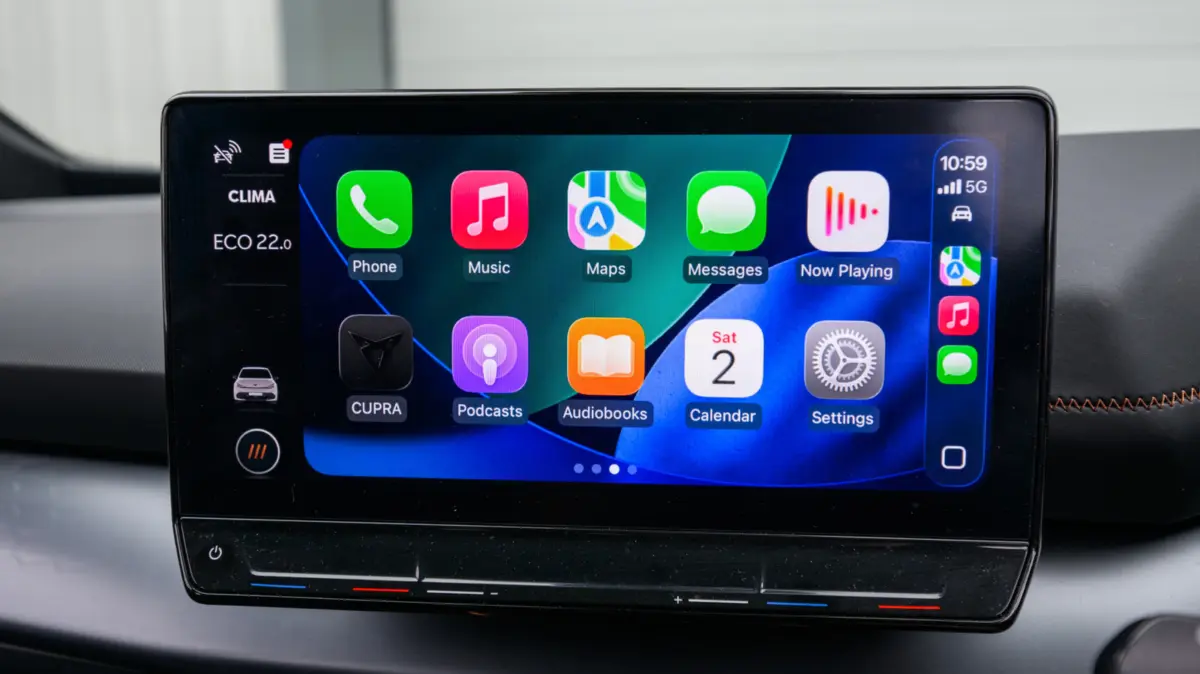
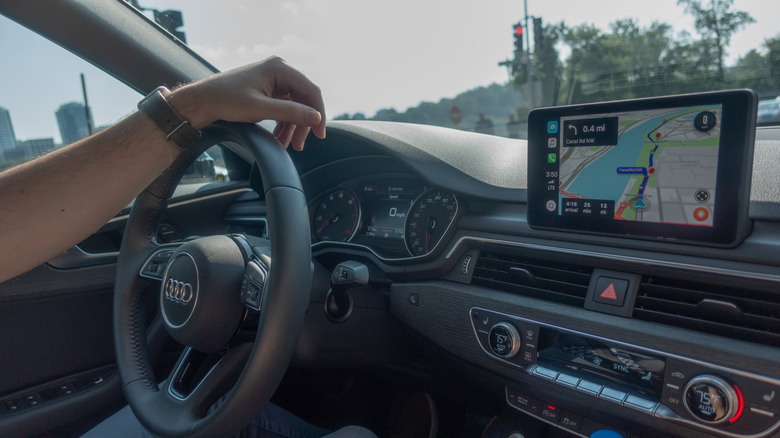
For millions of motorists, Apple CarPlay has swiftly evolved from a futuristic luxury into an indispensable daily driver. By seamlessly bridging the gap between iOS and the dashboard, the interface places navigation, telephony, messaging, and high-fidelity streaming audio within arm’s reach, dramatically cutting down on dangerous smartphone fiddling behind the wheel. While Apple boasts compatibility with over 800 factory-equipped vehicle models worldwide, the reality for millions of other drivers is starkly different: their daily commuters are simply left out in the cold.
Owning an older car—or even a relatively modern vehicle whose manufacturer chose to skip smartphone integration—has historically meant resigning oneself to messy auxiliary cables, unstable vent-clip phone mounts, and outdated factory stereo systems. Replacing a traditional dashboard unit with a custom, flush-mounted head unit involves dismantling center consoles, navigating complex wiring harnesses, and facing steep labor and hardware bills that can easily top $500 to $1,000.
Enter the portable Apple CarPlay screen. These standalone, dash-mounted units have surged in popularity, offering a plug-and-play solution that brings modern infotainment to virtually any vehicle with a 12-volt socket. Ranging from budget-friendly $50 impulse buys to heavily equipped $150 workstations, these devices bypass the friction of permanent installations.
At the same time, a fascinating counter-trend is unfolding in the automotive industry. Major manufacturers, led by General Motors, are actively phasing out Apple CarPlay and Android Auto from their upcoming electric vehicle (EV) fleets in favor of proprietary, subscription-based operating systems. As automakers eye lucrative recurring revenue models—charging motorists extra to unlock basic convenience features—portable CarPlay screens are no longer just a clever hack for vintage cars. Instead, they are increasingly emerging as a rebellious consumer workaround against restrictive automotive tech ecosystems.
Detailed Chronology: The Evolution of In-Car Infotainment and the Aftermarket Response
To understand why portable CarPlay screens are enjoying a massive cultural and commercial moment, it is helpful to trace how we arrived at the current automotive tech landscape.
Phase 1: The Factory Monopoly and the Rise of Smartphone Integration (2014–2020)
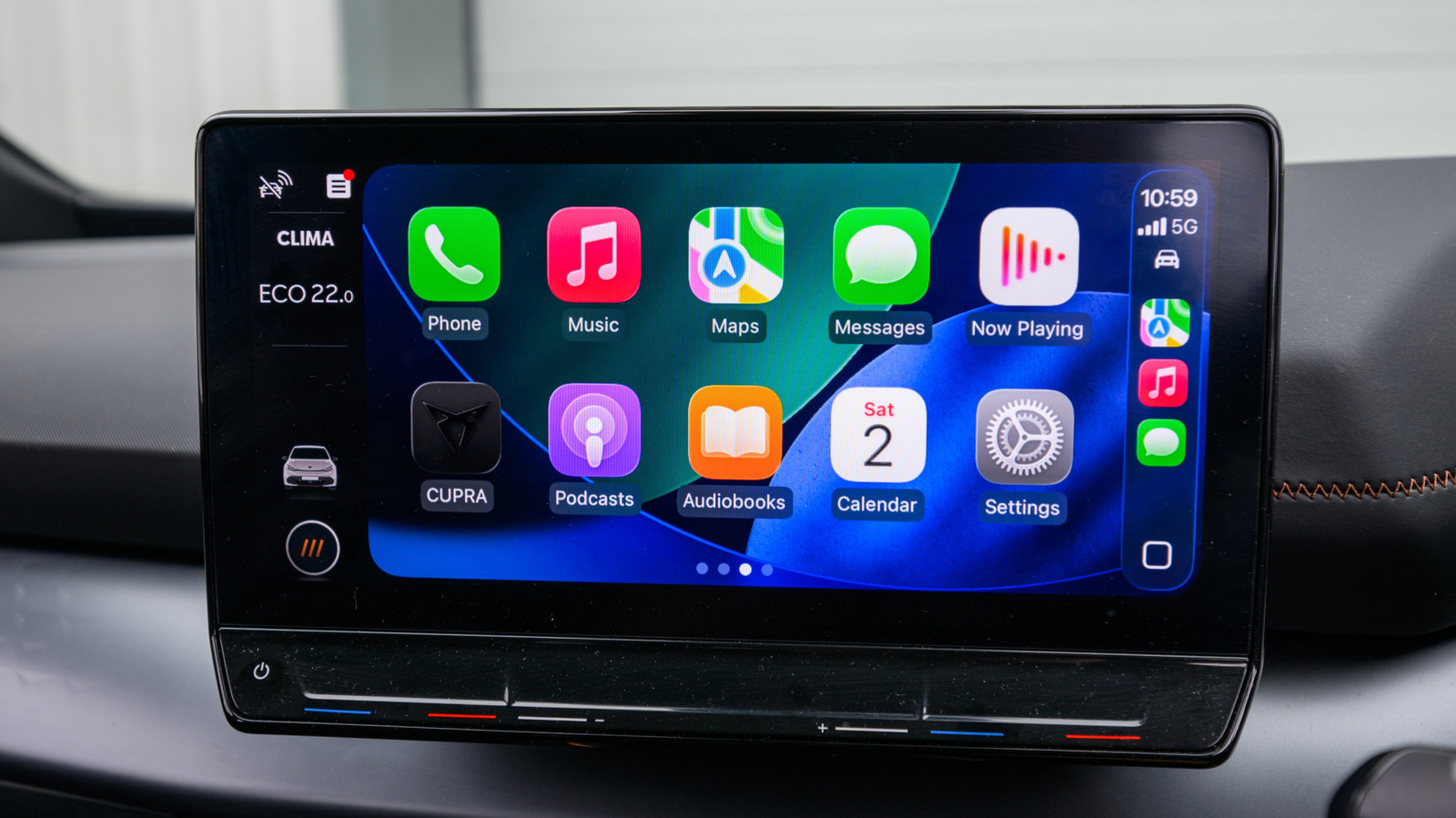
When Apple officially introduced CarPlay at the Geneva Motor Show in March 2014, the automotive industry was plagued by notoriously sluggish, unintuitive, and rapidly aging proprietary navigation systems. Automakers built cars with life cycles spanning a decade, yet their software became obsolete within months. CarPlay promised a paradigm shift: outsource the computing power, software updates, and user interface to the iPhone in the driver’s pocket, while utilizing the vehicle’s display simply as an external monitor.
Consumer demand skyrocketed. By the late 2010s, the absence of CarPlay or Android Auto was routinely cited as a dealbreaker in vehicle purchase decisions. To meet this demand, aftermarket giants like Pioneer, Kenwood, and Alpine began offering custom double-DIN head units. However, installing these units required professional expertise, dashboard modification, and expensive adapter modules to preserve factory steering wheel controls or backup cameras.
Phase 2: The Shift Toward Proprietary Software and Subscriptions (2021–Present)
As connected-car services evolved into lucrative profit centers, automakers began rethinking their reliance on Silicon Valley tech giants. General Motors dropped a bombshell announcement by declaring it would phase out Apple CarPlay and Android Auto in its future EV lineup, starting with models like the Chevrolet Blazer EV. GM argued that tightly integrated software—co-developed with Google—could better manage battery range, charging stops, and real-time navigation.
However, industry observers pointed to a more transparent motive: data harvesting and subscription monetization. Modern automakers are aggressively shifting toward Software-as-a-Service (SaaS) business models. By trapping drivers inside proprietary walled gardens, manufacturers can gatekeeper features like remote start, heated seats, and advanced navigation behind monthly paywalls.
Phase 3: The Democratization of Portable Aftermarket Screens (2022–Present)
As automakers tightened their grip on new vehicle tech and left older car owners with aging hardware, manufacturing capabilities in consumer electronics caught up. Supply chains in Shenzhen and beyond began churning out high-clarity, Linux- or Android-based touchscreen monitors equipped with wireless Apple CarPlay transmitters, built-in FM transmitters, and auxiliary outputs.
What began as rudimentary, buggy gadgets sold on direct-to-consumer marketplaces have matured into reliable, responsive tech accessories. Today, drivers can bypass both the exorbitant cost of custom stereo retrofits and the manipulative subscription models of modern auto conglomerates with a device that mounts to a dashboard in under five minutes.
Supporting Context & Metrics: Economics, Specifications, and Consumer Behavior
Evaluating whether a portable CarPlay screen is worth the investment requires a deep dive into the economics of car audio, hardware specifications, and the compromises inherent in aftermarket accessories.
The Cost-Benefit Breakdown
- Factory Head Unit Replacement: $400 – $1,200+ (Includes hardware, dash kits, wiring adapters, and professional installation labor).
- New Vehicle Acquisition: $25,000 – $50,000+ (Driven largely by the desire for modern tech features).
- Portable CarPlay Screen: $50 – $180 (Plug-and-play, zero installation labor, fully transferable between vehicles).
For a motorist driving a paid-off 2012 Honda Civic or 2015 Ford Escape, spending $100 on a portable display delivers 90% of the modern infotainment experience for a fraction of a percent of a new car’s cost.
Critical Hardware Metrics to Consider
Not all portable screens are created equal. Because the market is flooded with white-label manufacturers, buyers must navigate a minefield of varying hardware specs:
- Display Size & Ergonomics: Most portable screens span between 6 and 11 inches. While larger screens mimic modern luxury vehicle dashboards, they can obstruct the driver’s forward field of view, violate local windshield obstruction laws, and induce visual fatigue. A 7-inch or 9-inch display usually strikes the optimal balance between legibility and safety.
- Resolution Standards: Budget units often cut corners with abysmal sub-WVGA resolutions, resulting in pixelated text, washed-out colors, and illegible maps. Buyers should actively seek out panels boasting a minimum resolution of 1280×720 pixels to ensure crisp typography and clear map rendering under bright sunlight.
- Audio Routing Mechanisms: Built-in speakers on portable displays are notoriously tinny and underpowered, often struggling to cut through highway road noise. A quality portable screen must offer reliable audio pass-through options: a physical AUX cable running directly to the car’s auxiliary port, a stable Bluetooth connection to the factory stereo, or an integrated FM transmitter that broadcasts audio over an unused radio frequency.
- Wireless vs. Wired Connectivity: Consumers should prioritize units that support wireless Apple CarPlay via Wi-Fi and Bluetooth handshakes. Tethering an iPhone via a dangling Lightning or USB-C cable defeats much of the clean, clutter-free aesthetic appeal of a dashboard-mounted monitor.
Official Statements and Industry Perspectives
The rapid rise of portable aftermarket screens sits at the volatile intersection of consumer rights, software control, and automotive engineering. While tech analysts and consumer advocates praise these devices for extending the lifespan of older vehicles, traditional automakers maintain a guarded silence, preferring to focus consumer attention on their proprietary ecosystems.
Automotive Technology Analysts on the GM Controversy:
Industry researchers have frequently noted the friction between tech-giant convenience and automaker monetization strategies. When GM confirmed its pivot away from smartphone mirroring, market analysts noted:
"Automakers view the dashboard as prime real estate for recurring service revenue. Allowing Apple or Google to own the user interface is essentially handing over the most valuable digital touchpoint in the vehicle. Portable screens represent a fascinating consumer rebellion—a literal plug-and-play rejection of the walled garden."
Consumer Advocates on Affordability and Safety:
Road safety organizations and consumer rights groups emphasize that keeping older cars technologically updated contributes to safer driving habits. By providing access to hands-free voice commands, real-time traffic routing, and simplified music selection, aftermarket screens reduce the temptation for motorists to dangerously manipulate handheld smartphones in unequipped vehicles.
"Safety shouldn’t be locked behind a luxury paywall or restricted to buyers who can afford a brand-new vehicle. Affordable dashboard accessories democratize access to distraction-reducing interfaces for working-class drivers and teenagers operating older, hand-me-down cars."
Future Outlook: Where Is In-Car Tech Headed?
As the automotive landscape continues to fracture between subscription-heavy connected EVs and a massive global fleet of aging internal combustion engine (ICE) vehicles, the trajectory of portable tech accessories appears exceptionally bright.
1. Enhanced Processing and Standalone Capabilities
Future iterations of portable CarPlay screens are moving beyond simple mirroring devices. Many upcoming models feature embedded Android operating systems running on localized quad-core processors. While wireless CarPlay remains the primary draw, these hybrid units allow the screen to function independently when needed—running offline navigation apps, local media players, or diagnostic readouts without relying entirely on an active iPhone connection.
2. Upgraded Safety Integrations
The next frontier for portable dash displays is holistic vehicle safety modernization. Manufacturers are increasingly bundling multi-camera ecosystems into budget-friendly packages. By pairing the main infotainment display with a 1080p front-facing dash camera (featuring loop recording via microSD) and a wired rear backup camera, these systems instantly upgrade a 2010s-era sedan with modern parking assistance and insurance-protecting incident recording capabilities.
3. Regulatory Headwinds and Dashboard Real Estate
As portable screens proliferate, regulatory bodies may take a closer look at dashboard clutter. Drivers must be mindful of mounting placement, as suction-cup or weighted-base screens that obstruct the driver’s view of the road can attract traffic citations in certain jurisdictions. Manufacturers will need to focus on lower-profile, steering-column-adjacent mounting solutions that blend seamlessly into existing interior architecture.
Conclusion
For the average driver of an older vehicle, the portable Apple CarPlay screen is nothing short of a technological lifeline. It bridges the chasm between legacy hardware and modern software without demanding a devastating financial commitment. More importantly, in an era where major automakers are actively attempting to lock dashboard functionality behind software subscriptions and walled gardens, the portable screen stands out as a triumph of practical, consumer-first engineering. It proves that you don’t need a six-figure electric vehicle to enjoy a smart, connected, and safe commute.