Executive Overview
In the sprawling, fast-paced urban landscape of modern fitness culture, the boundaries separating rigorous athletic endurance from unadulterated culinary indulgence are rapidly dissolving. Enter the "Pastry Run"—a lifestyle movement sweeping through the metropolitan veins of Berlin, fundamentally altering how urbanites approach weekend workouts, social networking, and dietary rewards. At its core, the concept is disarmingly simple yet brilliantly effective: lace up your running shoes, complete a designated urban route, and cross a finish line explicitly designed to reward your cardiovascular efforts with high-end, artisanal baked goods.
What began as an organic, grassroots phenomenon among independent runners seeking community and carbohydrate replenishment has rapidly matured into a sophisticated cultural touchstone. Today, Berlin’s premier cafes and zero-waste bakeries find their terraces and entryways inundated on weekend mornings by packs of runners trading running metrics for flat whites and flaky, buttery masterpieces. Fitness, community building, and gastronomic appreciation have coalesced into a single, seamless weekly ritual.
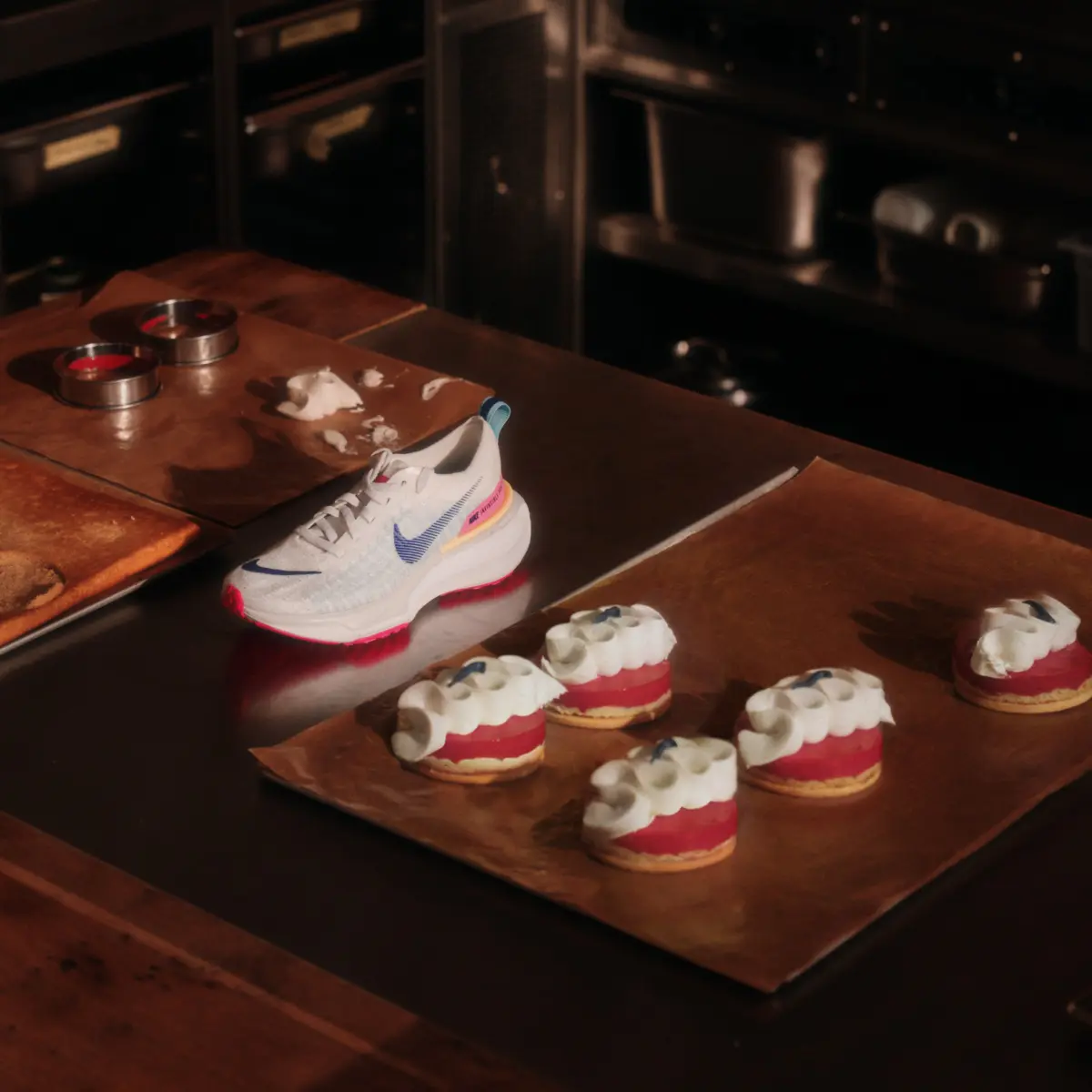
This intersection of high-performance footwear engineering and sustainable artisan baking recently culminated in a groundbreaking collaboration between the pioneering vegan zero-waste establishment FREA Bakery and athletic giant Nike. Tasked with translating the physical properties of the Nike Invincible 3 running shoe—hailed for its supreme cushioning, stability, and cloud-like footbed—into an edible format, FREA’s culinary team embarked on an ambitious multi-week R&D process. The result is a strictly limited-edition, highly sought-after raspberry sponge tartlet topped with a feather-light white chocolate cream.
This comprehensive report investigates the genesis of the Pastry Run trend, details the meticulous gastronomic engineering behind the Nike-inspired pastry, examines the economic and social impact on Berlin’s burgeoning cafe-running ecosystem, and projects the trajectory of this dynamic fitness-lifestyle fusion into the foreseeable future.
Detailed Chronology: From Grassroots Running Clubs to Culinary Finish Lines
The emergence of the Pastry Run in Berlin did not happen overnight; rather, it represents the organic convergence of two distinct post-pandemic urban subcultures: the explosive democratization of distance running and the sophisticated elevation of specialty coffee and baking culture.
The Genesis of the Movement
For years, traditional running culture was characterized by stoic solitude, strict adherence to training blocks, and a cultural emphasis on caloric restriction or hyper-specific nutritional science (gels, electrolyte powders, and clean-eating regimens). However, as urban populations grew increasingly isolated, the motivation to run shifted from solitary achievement to communal connection. Running clubs sprouted across neighborhoods like Mitte, Kreuzberg, and Neukölln, prioritizing social engagement, aesthetic expression, and post-run socialization over pace times and marathon qualifications.
Simultaneously, Berlin’s culinary scene underwent a renaissance. The city became a global incubator for natural wine bars, specialty micro-roasteries, and progressive, sustainable bakeries. It was only a matter of time before these two worlds collided. Runners began incorporating local cafes into their route maps, transforming the cafe terrace from an arbitrary rest stop into the ultimate psychological and physiological finish line.
The Institutionalization of the Coffee Break Run
What started as spontaneous groups of friends grabbing a pastry after a Sunday morning 10k quickly professionalized. Grassroots running collectives began formalizing routes that terminated directly outside renowned bakeries. The psychological barrier to entry for casual runners—the fear of not being fast enough, serious enough, or disciplined enough—evaporated in the face of an incoming cinnamon bun or artisanal croissant.
"Mir war das Konzept neu," admits Jasmin, co-owner of FREA Bakery, reflecting on her initial introduction to the trend. Situated in the vibrant corridor between Torstraße and Invalidenstraße, FREA’s spacious, light-filled zero-waste establishment quickly found itself on the radar of local running groups. "Aber tatsächlich kommen zum Beispiel nach einem Marathon viele Läufer:innen zu uns," she notes, highlighting how elite endurance athletes and casual joggers alike have embraced the bakery as a sanctuary of recovery.
The synergy is mutually beneficial. Bakeries capture high-volume foot traffic during historically slow weekend morning hours, while runners gain a tangible, deeply rewarding incentive that cures the dreaded Sunday morning lack of motivation.
Supporting Context & Metrics: The Intersection of Athletic Footwear and Artisan Baking
To truly understand the weight of the Pastry Run phenomenon, one must examine the broader socioeconomic trends driving it. The global wellness market has shifted dramatically away from punishing, ascetic exercise regimes toward holistic, joyful, and sustainable lifestyle practices. Consumers no longer wish to compartmentalize their lives into "healthy suffering" (workouts) and "guilty pleasures" (food). Instead, they demand an integrated lifestyle where physical exertion and culinary indulgence exist in harmonious equilibrium.
The Anatomy of the Trend
- Democratization of Fitness: Unlike traditional racing events that require months of formal training and expensive entry fees, Pastry Runs are inherently accessible, free-form, and community-driven.
- The "Reward Architecture": Behavioral psychology demonstrates that positive reinforcement significantly increases habit formation. Tying a grueling cardiovascular workout to an immediate, highly anticipated sensory reward (such as a gourmet pastry) drastically improves long-term exercise adherence.
- The Rise of the Hybrid Athlete: Modern urbanites increasingly identify as multi-passionate—they care deeply about their 5K personal best, their interior design aesthetic, their environmental footprint, and the provenance of their morning pastry.
The Engineering of a Shoe-Inspired Pastry
The partnership between FREA Bakery and Nike to honor the release of the Nike Invincible 3 provides a fascinating case study in brand crossover and creative product development. The Invincible 3 is engineered specifically for maximum comfort, featuring a high stack of ZoomX foam that delivers exceptional energy return and a soft, plush ride across various urban terrains.
Translating these mechanical attributes into a piece of fine pastry was no small feat. The challenge required balancing structural stability with extreme textural softness.
- The Base: A delicate, airy sponge cake (Biskuitteig) that mirrors the lightweight agility of the shoe’s upper mesh.
- The Filling & Topping: A meticulously whipped white chocolate cream designed to replicate the "butter-soft footbed" and supreme cushioning of the ZoomX foam sole.
- The Accent: Fresh, tart raspberry components introduced to cut through the richness of the white chocolate, providing a vibrant colorway reminiscent of the shoe’s distinctive white and multi-colored palette.
Official Statements & Culinary Insights
Behind every successful culinary innovation lies a rigorous process of artistic exploration, trial, and error. In an exclusive interview, FREA Bakery co-owner Jasmin and her team shed light on the creative journey that brought the Nike-inspired pastry to life.
The Creative Spark
When Nike approached the zero-waste bakery with the concept of designing a pastry inspired by a running shoe, Jasmin was immediately captivated. "Es ist eine neue Art von Challenge," she explains, describing her initial enthusiasm. Far from viewing the request as a gimmick, she saw it as an opportunity to test the boundaries of vegan, sustainable patisserie.
The visual cues of the Nike Invincible 3 provided instant inspiration. "Gerade die weiße Colorway mit bunten Farbelementen hat sofort meine Vorstellungskraft aktiviert," Jasmin notes. "Da kann man schon an ein Pastry denken."
The R&D and Tasting Process
Once the conceptual framework was established, the execution fell to Head Pastry Chef Thomas, supported by Jasmin and the broader FREA team. The development phase was characterized by intense cross-departmental collaboration and, most importantly, rigorous gastronomic testing.
"Das Tasting war der schönste Part!" Jasmin laughs, recalling the numerous test batches required to nail the precise specifications. The primary objective was textural equilibrium: achieving the exact ratio of structural bite to ethereal softness. "Wir wollten, dass das Geschmack das gleiche softe Gefühl liefert, wie ein Lauf mit dem Invincible 3."
The resulting creation successfully bridges the gap between athletic performance gear and high-end plant-based pastry art, proving that zero-waste vegan baking can compete at the highest levels of culinary creativity.
Future Outlook: The Evolution of Fitness-Gastronomy Partnerships
As the Pastry Run trend solidifies its place in Berlin’s cultural fabric, the horizon points toward an even deeper integration of athletics, fashion, and gastronomy. The success of the FREA Bakery and Nike collaboration signals a paradigm shift in how brands engage with urban communities.
What Lies Ahead for Pastry Runs
- Expanded Brand Collaborations: Expect to see more athletic apparel brands partnering with independent bakeries, cafes, and restaurants to launch limited-edition menu items tied to major race weekends (such as the Berlin Marathon) or seasonal product rollouts.
- Permanent Menu Integration: While the Nike-inspired tartlet was a strictly limited release available exclusively on select weekends in March at FREA Bakery (Gartenstr. 9, 10115 Berlin), the overwhelmingly positive public response suggests that athlete-focused menu items may become a permanent fixture in progressive bakeries.
- Route-Curated Menus: Future iterations of the Pastry Run may feature GPS-integrated running maps where each kilometer marker corresponds to a specific flavor profile or ingredient component, culminating in a fully assembled tasting menu at the finish line.
Jasmin herself acknowledges the immense potential for future innovations in this space. "Klar, inspiriert das auch für die Zukunft," she hints, leaving the door wide open for subsequent creative endeavors. For Berlin’s running community, this means one thing: the finish line has never looked—or tasted—better.
Note: For detailed allergen information regarding FREA Bakery’s sustainable, plant-based creations, visitors are encouraged to consult directly with the establishment’s knowledgeable floor staff upon arrival.