Executive Overview
In the modern enterprise, artificial intelligence has largely been relegated to the digital equivalent of a parlor trick. Across organizations worldwide, millions of knowledge workers open chat windows in tools like Claude or ChatGPT, prompt systems to draft a proposal or a marketing email, copy the output, and close the browser. The next time a similar task arises, they repeat the exact same manual, ad-hoc process from scratch.
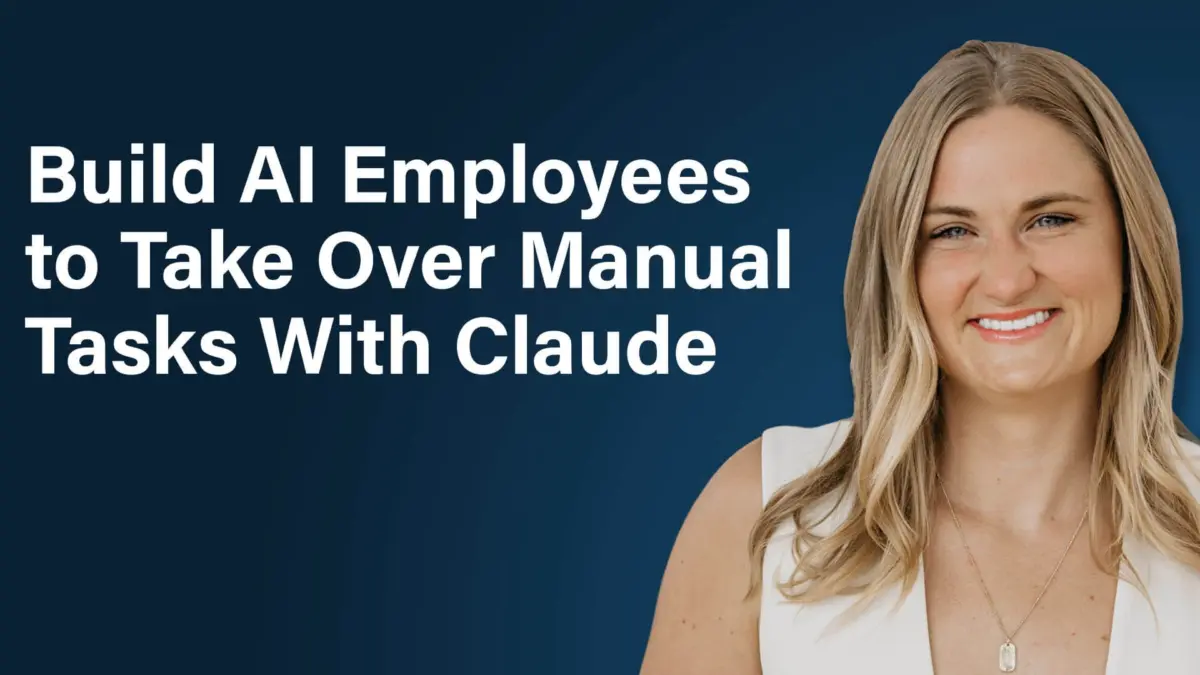
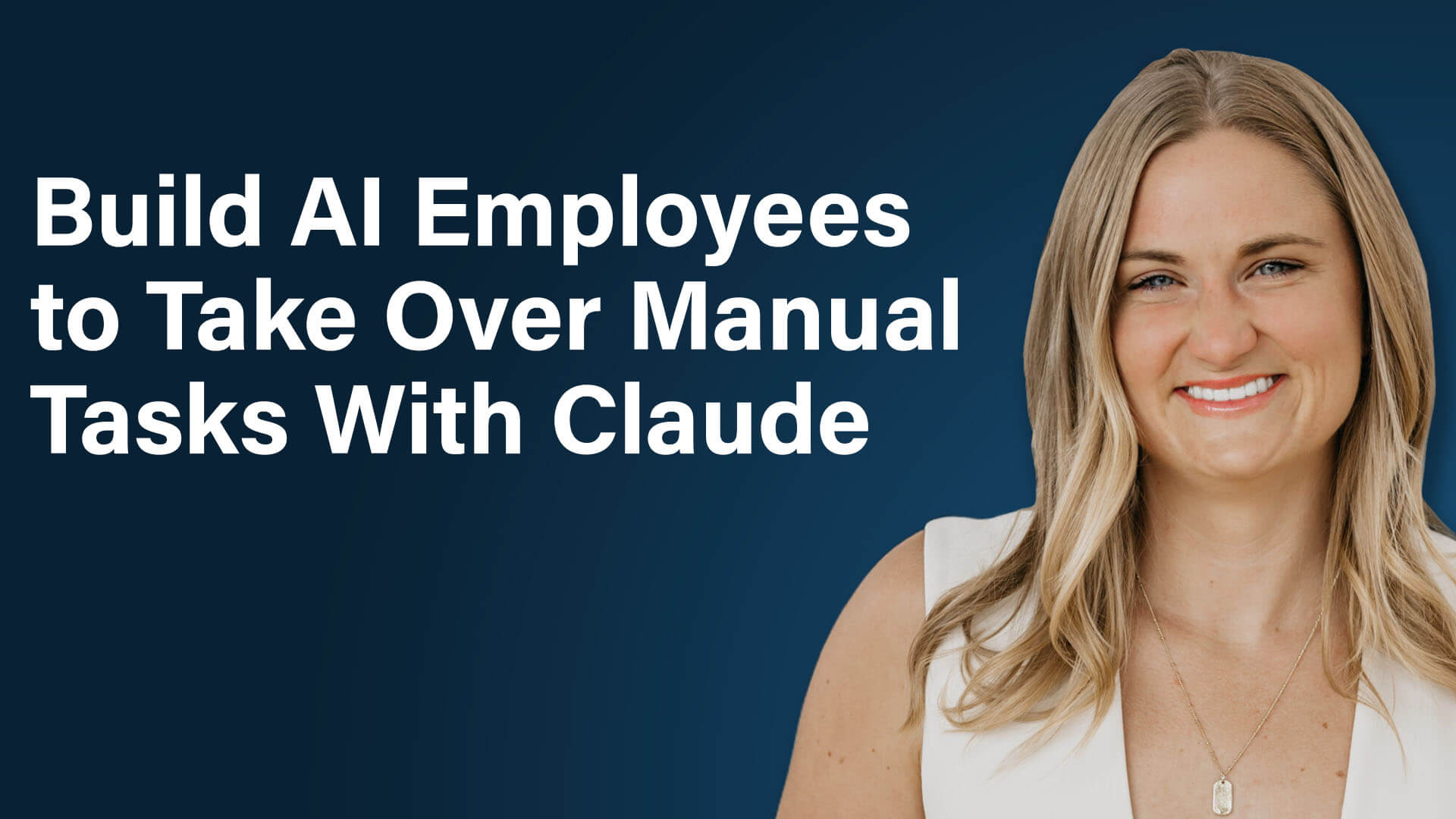
This casual, reactive adoption of AI represents a profound underutilization of transformative technology. According to AI strategist and executive Callan Faulkner, true operational leverage does not come from tossing one-off prompts at a chatbot. It comes from building AI employees—trained, reusable, and autonomous software systems designed to perform specific, repetitive business functions as well as, or better than, human counterparts.
Faulkner, whose company The Uncommon Business is on track to hit approximately $40 million in revenue with a lean team of just 50 human employees, argues that the gap between companies utilizing structured AI workflows and those relying on manual prompting is becoming an insurmountable chasm. Far from replacing human talent, AI employees are designed to elevate workers out of soul-crushing, low-value administrative tasks and into high-leverage strategic and creative roles.
This comprehensive guide explores the blueprint for transitioning your team from sporadic prompters to architectural managers of a digital workforce. Drawing from Faulkner’s operational frameworks—co-created alongside Michael Stelzner—we examine how to audit your workflow, establish a centralized "business brain," conduct AI interviews, and schedule autonomous agents to run your business around the clock.
Detailed Chronology: The Evolution from Ad-Hoc Prompting to Autonomous Agents
The evolution of workplace artificial intelligence has shifted rapidly from experimental novelties to core infrastructure. Understanding how to build an AI employee requires tracing the mechanical steps necessary to turn unstructured linguistic models into reliable, specialized operational units.
Phase 1: The Mindset Shift—Shortcut-Seeking and High-Standard Training
For decades, professional worth has been tied to endurance: grinding through manual tasks, spending days designing graphics in Canva, or writing proposals from a blank page. Faulkner asserts that in the age of AI, shortcut-seeking is the new work ethic.
However, shortcuts must not be confused with cutting corners. Building an elite AI output requires rigorous training data. When an employee asks Claude to write a LinkedIn post without prior instruction, the result is predictable, generic fluff. To bypass this, organizations must document their operational standards:
- Brand tone, voice guidelines, and specific strategic objectives.
- Clear definitions of what constitutes an "A-plus" output versus a failing grade.
- Contextual historical data, such as top-performing past assets.
By codifying these parameters, 90% of business operations—spanning human resources, operations, finance, sales, and marketing—can be systematized. Building an AI employee is not a technical engineering challenge; it is an exercise in elite communication and creative persistence.
Phase 2: Constructing the "Business Brain"
Before deploying autonomous agents, an organization must centralize its institutional knowledge into a single, structured repository known as the Business Brain.
If a brilliant new hire starts on a Monday and requires immediate onboarding, they rely entirely on documented Standard Operating Procedures (SOPs), pricing guides, brand messaging frameworks, ideal client profiles, and historical case studies. If that documentation is messy or missing, the human struggles—and an AI employee will fail completely. The era of the disorganized Google Drive is officially over; structured data architecture is the prerequisite for automation.
Phase 3: The Self-Audit and the AI Interview Method
Building an AI employee begins with introspection. Professionals must perform a rigorous time-audit of their daily, weekly, and monthly tasks to identify responsibilities that generate revenue but fail to energize them—or tasks that fall below a $50-per-hour value threshold.
Once a target task is isolated (e.g., generating sponsorship packages for a major conference), the creator employs the AI Interview Method:
- Context Initialization: Open a new chat in an advanced LLM (such as Claude) and clearly define the user identity, company mission, and target objective.
- Reverse-Engineering via Interrogation: Instead of commanding the AI to write the final product immediately, instruct the model: "Before you begin, interview me with a series of five high-impact questions to extract my exact process, methodology, and nuances."
- Voice-Powered Nuance: Utilizing speech-to-text tools like Wispr Flow allows creators to speak naturally rather than type. Verbal processing captures granular human expertise and industry nuance far faster than constrained typing, where self-editing often strips away vital details.
Phase 4: Packaging Skills and Connecting Workspaces
Once a chat session successfully yields an A-plus output, that interaction must be crystallized into a reusable asset. In advanced workflows, this translates to saving a Claude Skill—a persistent set of instructions that functions like a "prompt on steroids," triggered by a single command.
To elevate a skill into a full-fledged AI employee, creators prompt the system: "What information or data would you need to increase and improve the output of this skill? What files would you want in a perfect world?"
The model’s response typically dictates the construction of a Claude Project workspace, housing historical documents, pricing sheets, and objection-handling guides. Finally, integration connectors link the AI employee directly to external business software, such as CRM systems or email clients, allowing the agent to execute real-world workflows seamlessly.
Supporting Context & Metrics: The Human-to-AI Leverage Ratio
The economic implications of deploying AI employees are reshaping modern business scaling. Industry data highlights a stark dichotomy between organizations embracing structured automation and those attempting to navigate the AI revolution in isolation.
The Solo Learning Epidemic
According to recent industry data from comprehensive marketing reports:
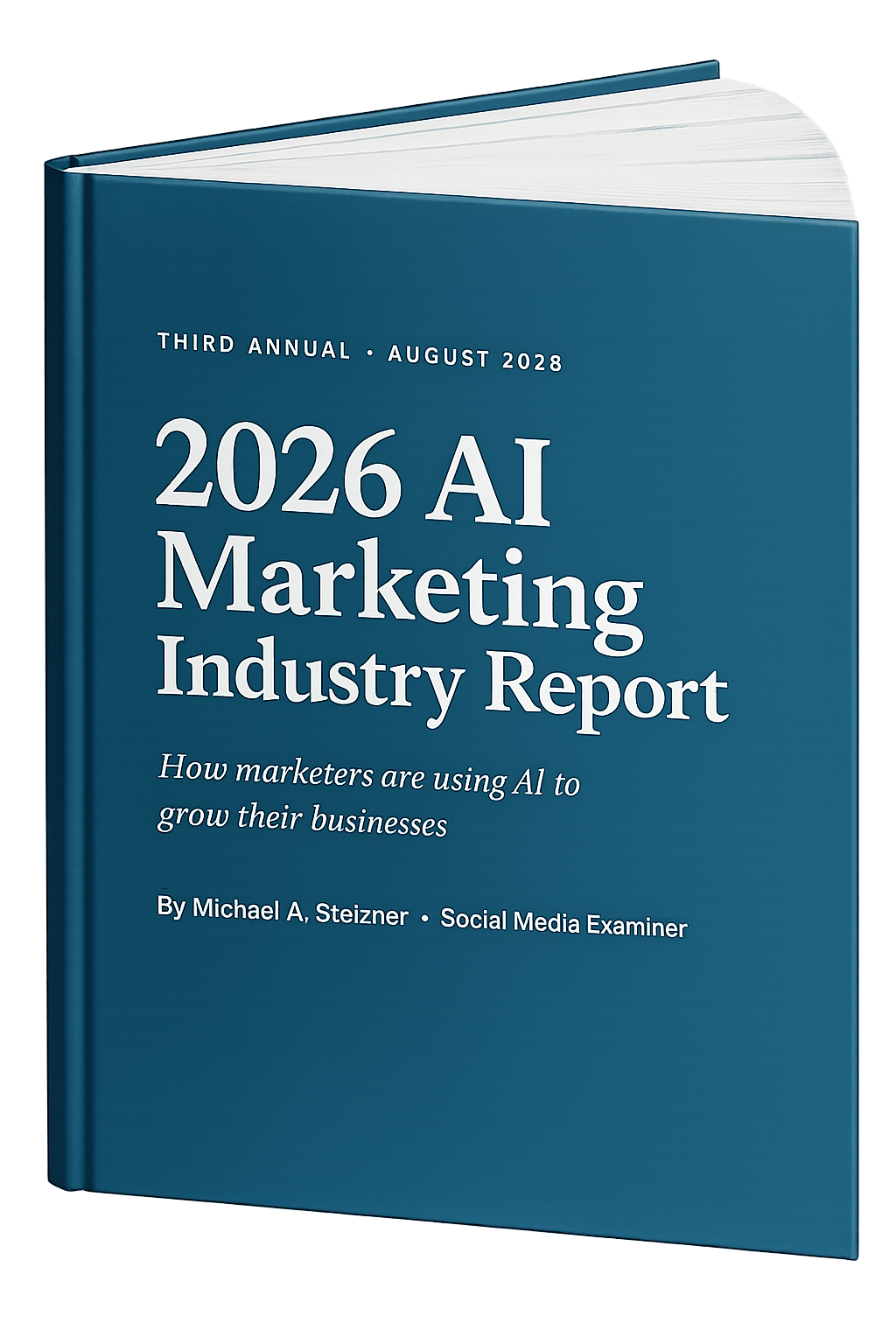
- 85% of marketers are forced to learn artificial intelligence through independent experimentation.
- Only 7% of organizations provide formal, structured AI training for their teams.
- Over 50% of professionals personally finance the software tools required to optimize their daily workflows.
This lack of institutional guidance creates massive productivity bottlenecks. When companies hire personnel lacking formal AI competency, output plummets. Faulkner shares an anecdote of a peer who hired an unvetted marketer; the individual required weeks to deliver basic sales pages and digital assets. Conversely, AI-trained personnel within modern organizations routinely produce ten times the volume of work in a single business day.
Crucially, this shift is not about eliminating human labor. Faulkner emphasizes that The Uncommon Business has never laid off an employee due to AI implementation. Instead, human roles are elevated. For example, copywriters transition from line-by-line creators to strategic managers overseeing rosters of AI copywriters, quality assurance reviewers, and hook generators. The human remains the visionary; the AI acts as the hyper-speed execution engine.
Official Insights & Advanced Methodologies
To maximize the reliability of AI employees, operators must implement advanced stress-testing and autonomous scheduling protocols.
The Board of Directors Technique
When facing complex corporate decisions or unfamiliar domains—such as establishing executive compensation tiers, bonus structures, or pay bands—creators can instruct Claude to assemble a simulated "Board of Directors." By prompting the LLM to synthesize the strategic frameworks of industry titans (e.g., Mark Cuban or Sara Blakely), the AI generates nuanced business advice grounded in proven executive models rather than generic internet summaries.
Relentless Stress-Testing and Feedback Loops
Most users accept mediocre, "B-minus" outputs because they fail to push back against the AI. Faulkner mandates testing skills aggressively. When an AI agent returns a substandard draft, the operator must challenge it directly: "I know you can do better than this. Rewrite this output as if your performance review depended on it."
To refine the underlying instructions permanently, operators utilize systematic error-correction prompts:
"Here is the paragraph you wrote [COPY]. This is how I would write it [COPY]. Update the skill file to reflect the correction and explain what mistake in the current instructions prevented the correct output."
Autonomous Scheduling via Claude Co-Work
The ultimate frontier of AI employment is removing human initiation entirely. Using the Claude Co-Work desktop application alongside a dedicated office machine, organizations can schedule AI skills to execute autonomously at predefined intervals.
Real-world applications of scheduled AI employees include:
- The Automated Instagram Researcher: Every Monday at 6:00 AM, a scheduled skill analyzes competitor accounts, tracks viral content trends in the AI education sector, reviews historical transcripts, and deposits curated content briefs directly into a Notion workspace for human social teams to approve in minutes.
- Meeting Transcript Ingestion: Hourly background routines pull meeting intelligence transcripts from platforms like Granola, organizing actionable insights into central corporate databases to continually feed the enterprise business brain.
Future Outlook: The Imperative of Skill Management
As artificial intelligence platforms mature, the structural management of digital agents will become a standardized corporate department. Organizations are already moving toward rigorous organizational governance for AI assets:
- Centralized Skill Repositories: Storing every created skill in databases (such as Notion) to track authorship, version control, deployment dates, and departmental ownership.
- Quarterly AI Audits: Requiring teams to demonstrate their deployed AI employees, verify that underlying skill files are up-to-date, and prove measurable reductions in manual workloads during performance reviews.
The business landscape is splitting definitively into two camps: organizations trapped in the endless loop of manual prompting, and lean, highly leveraged enterprises operating with an army of trained, scheduled, and autonomous AI employees. By treating AI not as a novelty chat window, but as an active, scalable workforce, leaders can unlock unprecedented operational capacity, creativity, and strategic growth.