Published: September 12, 2026
Author: Tomas Franzese
Category: Gaming News / Industry Analysis
Executive Overview
The landscape of dark fantasy action-roleplaying games is poised for a profound metamorphosis. At the grand Opening Ceremony of BlizzCon 2026, Blizzard Entertainment delivered an industry-shaking announcement: Diablo 5 is officially in development, slated for a worldwide release in Spring 2029. Following the initial cinematic reveal, a subsequent deep-dive panel shattered fan expectations, outlining a radical departure from the franchise’s historical conventions.
Abandoning the stationary towns and traditional quest hubs that defined previous entries, Diablo 5 introduces a dynamic, mobile "caravan" infrastructure that serves as the player’s shifting home base. Furthermore, the game will feature a heavily revamped structural design leaning into advanced procedural generation for its overworld regions and dungeons. Coupled with the introduction of chilling new character archetypes—spearheaded by the newly unveiled, heavily armored "Plague Knight"—and the return of fan favorites like the Monk and Demon Hunter, Diablo 5 is shaping up to be the most ambitious, mechanically dense entry in the legendary franchise’s decades-long history.
Detailed Chronology: The Road to Diablo 5
The BlizzCon 2026 Opening Ceremony Reveal
The atmosphere inside the convention center was electric when the lights dimmed and the first teaser trailer for Diablo 5 rolled onto the massive screens. The cinematic showcased a world utterly devastated and reshaped by the Lord of Terror himself. Unlike past titles where Diablo operated primarily as an elusive, manipulative force or a culminating boss fight at the end of a linear campaign, Diablo 5 positions the Prime Evil as a fully fleshed-out, active character driving the narrative terror of the world.
The trailer immediately set a bleak, hopeless tone. Sanctuary has fallen further than ever before, with civilization pushed to the absolute brink. Yet, hidden within the ashes of humanity was a glimmer of defiance: a moving caravan cutting through a blighted wasteland, establishing the thematic and structural core of the upcoming sequel.
The Deep-Dive Panel and Game Director Insights
Shortly after the keynote, Game Director Joe Shely took the stage alongside key members of the development team to host the Diablo 5 design panel. This session peeled back the curtain on the engineering and narrative philosophies driving the 2029 release.
Shely explained that the team evaluated every foundational pillar of the franchise—from town hubs to class pacing and loot loops—to determine what needed modernization. The result is a game that retains the visceral, isometric combat loop fans adore while completely overhauling how players interact with the world and its inhabitants. The panel detailed how the game’s narrative unfolds dynamically as the player’s base camp travels across a fractured continent, blending systemic open-world design with tightly scripted, character-driven storytelling.
Supporting Context & Metrics: Breaking Down the Mechanics
To understand the magnitude of Diablo 5, one must examine how its systemic design diverges from its predecessors, particularly Diablo 4 and the franchise’s historical roots.
The Caravan System: A New Hearth in a Dying World
In traditional Diablo titles, players retreat to static urban sanctuaries—such as Tristram, Lut Gholein, or Kyovashad—to sell wares, upgrade gear, and pick up quests from stationary non-player characters (NPCs). Diablo 5 discards this model entirely.
- The Mobile Base: Players travel alongside a massive, evolving caravan that grows larger, more fortified, and more populated as the campaign progresses.
- Deeply Humanized NPCs: Rather than treating vendors as functional menu screens, the caravan features singular, indispensable characters—such as a lone resident blacksmith—who anchor the narrative. This blacksmith is not merely a crafting terminal; they serve as a profound source of character-driven side quests, offering deep emotional stakes and personal history.
- Unconventional Companions: In a shocking twist, Blizzard revealed that a Treasure Goblin will eventually join the caravan. This humanization of one of the franchise’s most iconic and historically hunted loot-pinata enemies signals a narrative nuance that aims to blur the lines between monster and ally.
Procedural Generation and World-Building
While Diablo 4 leaned heavily into a vast, hand-crafted open world with fixed regional layouts, Diablo 5 strikes a hybrid chord. Once players step outside the safety of their moving caravan to venture into the blighted wilderness and subterranean depths, the world shifts. The developers confirmed that overworld zones and dungeon layouts will heavily utilize advanced procedural generation algorithms. This ensures that no two excursions into the corrupted wilds will feel identical, heavily boosting long-term replayability and exploration tension.
Launch Roster and the "Plague Knight"
Character build diversity has always been the lifeblood of the Diablo ecosystem. Blizzard announced that Diablo 5 will launch with a larger initial pool of playable classes than any previous game in the franchise.
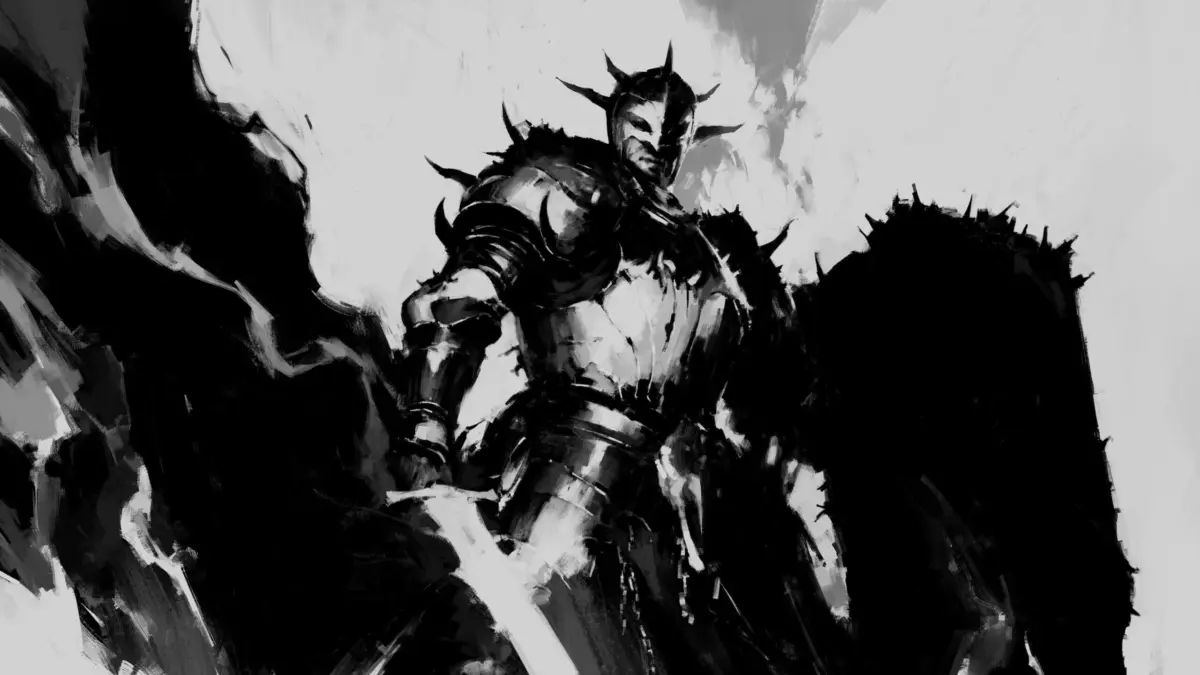
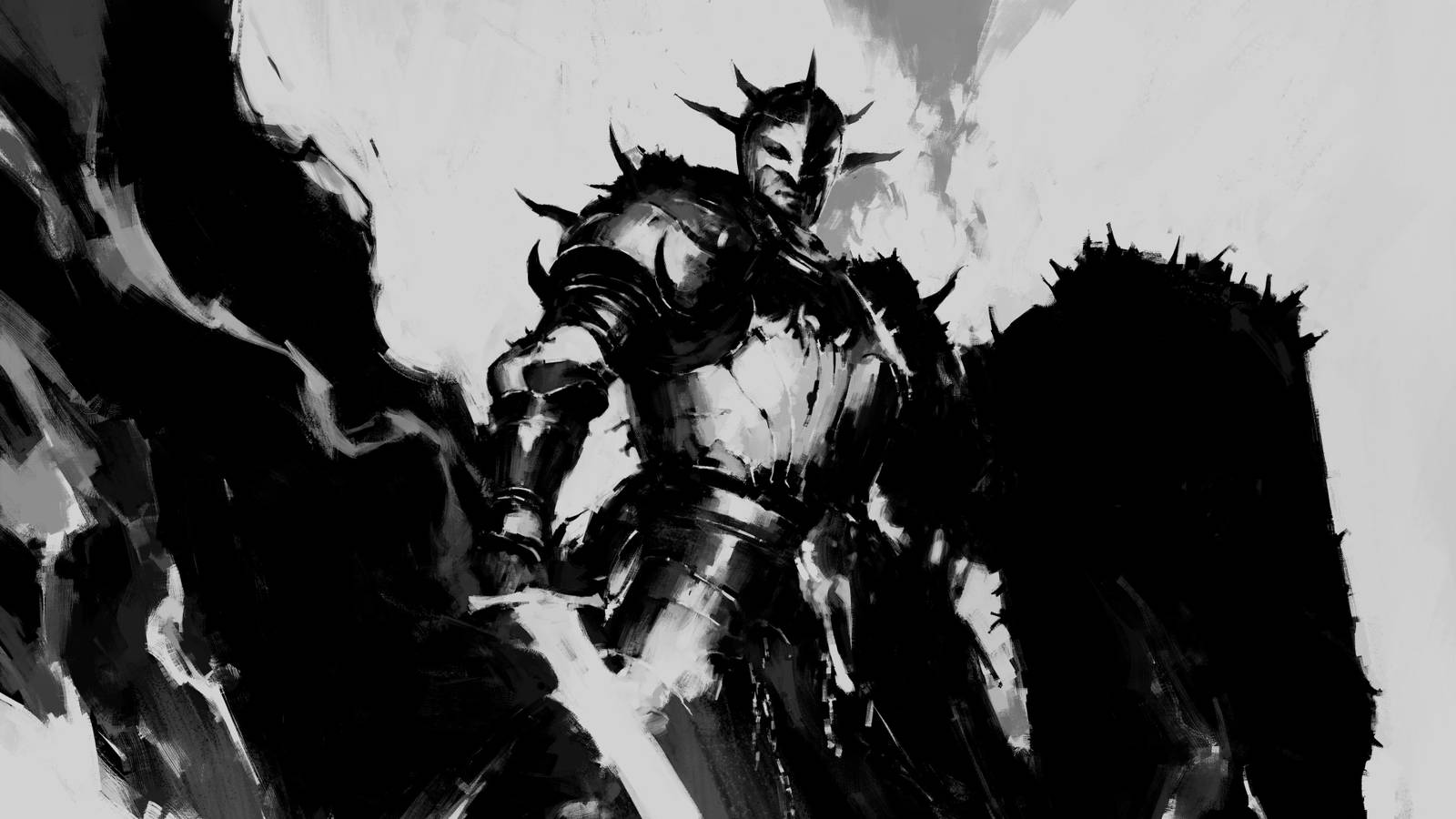
- The Plague Knight: Described by Game Director Joe Shely as "walking death," this heavy-armor-clad martial class introduces a grotesque yet fascinating gameplay loop. The Plague Knight specializes in coating the battlefield in virulent diseases and decay, then actively consuming those active blights to buff their own combat capabilities, armor, and offensive output. It is a playstyle unlike any traditional paladin, necromancer, or death knight seen in ARPG history.
- Returning Veterans: Alongside the Plague Knight, Blizzard confirmed that the swift, combo-heavy Monk and the agile, ranged Demon Hunter will be available on day one.
- Build Complexity: True to franchise form, each class will feature an expansive web of mastery paths, allowing players to morph these base archetypes into dozens of distinct, highly specialized late-game builds. Shely also teased that additional unannounced launch classes are currently in development.
Official Statements and Industry Perspective
Blizzard’s leadership was candid during the post-reveal press roundtables about the risks and rewards of altering a winning formula.
"We didn’t want to simply paint a new coat of paint on Sanctuary and call it a day," Game Director Joe Shely told attendees during the panel. "Diablo as a franchise has always been about darkness, desperation, and the fight against impossible odds. By forcing the player into a nomadic existence—where your town isn’t a safe haven waiting for you, but a fragile wagon train you must actively protect and nurture—we change the psychological relationship you have with the game world. You aren’t just saving the world; you are trying to keep a fragile ember of humanity alive in the freezing dark."
Industry analysts have noted that targeting a Spring 2029 release window gives Blizzard an unusually long runway for public testing, alpha builds, and community feedback. This suggests that the studio is taking the technical demands of a procedurally generated, mobile-base ARPG extremely seriously, aiming to sidestep the launch friction that occasionally plagues modern live-service titles.
Future Outlook: The Long March to Spring 2029
As the dust settles on BlizzCon 2026, the gaming community finds itself locked in a state of suspended anticipation. With a release window set nearly three years out in Spring 2029, Diablo 5 represents a monumental, long-term bet for Activision Blizzard.
The promise of a fully realized Diablo as a central antagonist, paired with the structural revolution of the caravan system and the horrifying tactical potential of the Plague Knight, guarantees that conversation surrounding the franchise will remain white-hot. Over the next thirty-six months, players will undoubtedly dissect every crumb of conceptual art, developer diary, and closed-beta leak.
For now, Sanctuary waits in the shadows. The wheel of the caravan has begun to turn, and the journey toward 2029 has officially begun.