At BlizzCon 2026, Blizzard Entertainment stunned the gaming world by officially announcing the return of its legendary sci-fi franchise, StarCraft. Yet, the announcement immediately triggered shockwaves across the community due to two massive paradigm shifts. First, the franchise is officially pivoting away from its foundational Real-Time Strategy (RTS) roots to become an expansive, open-world shooter. Second, and perhaps most jarringly, Blizzard has slated the title for a distant 2030 release window.
In an industry where developers typically guard their cards close to their chests and avoid multi-year roadmaps until a project is nearly finished, Blizzard’s transparent, four-year horizon is an unprecedented maneuver. To unpack the rationale behind this historic pivot, Dan Hay, General Manager and Vice President at Blizzard Entertainment, sat down for an exclusive interview. Hay offered a candid look into the philosophy of long-term planning, the creative burden of resurrecting a sacred universe, and why an open-world shooter is the ideal vehicle to capture the gritty, interstellar political drama of the Koprulu Sector.
Detailed Chronology: The Journey From RTS Icon to Open-World Frontier
The Legacy of a Masterpiece
To understand the magnitude of Blizzard’s announcement, one must contextualize the historical weight of StarCraft. Released in 1998, the original RTS game became a cultural phenomenon—defining the genre alongside its expansion, Brood War, and cementing an esports dynasty, particularly in South Korea. When StarCraft II: Wings of Liberty launched in 2010, followed by its subsequent expansions (Heart of the Swarm and Legacy of the Void), it seemed to mark the absolute zenith of traditional strategy gaming.
However, as the years progressed, the RTS market contracted. Blizzard gradually sunsetted active content development for StarCraft II, shifting its primary development resources toward tentpole live-service titles, MMORPGs, and action-RPGs like Diablo and World of Warcraft. For nearly a decade, rumors of a third installment surfaced and evaporated, leaving fans convinced the franchise was permanently relegated to nostalgia.
The Genesis of a Modern Vision
The tide began to shift in 2022. According to Hay, the stars aligned when Blizzard reached out to him to discuss spearheading a brand-new game within the dormant universe—a lifelong professional dream for the veteran developer. Rather than trying to outdo the past with a traditional top-down RTS, Hay and his team recognized that contemporary gaming tastes and technological capabilities demanded a vastly different perspective.
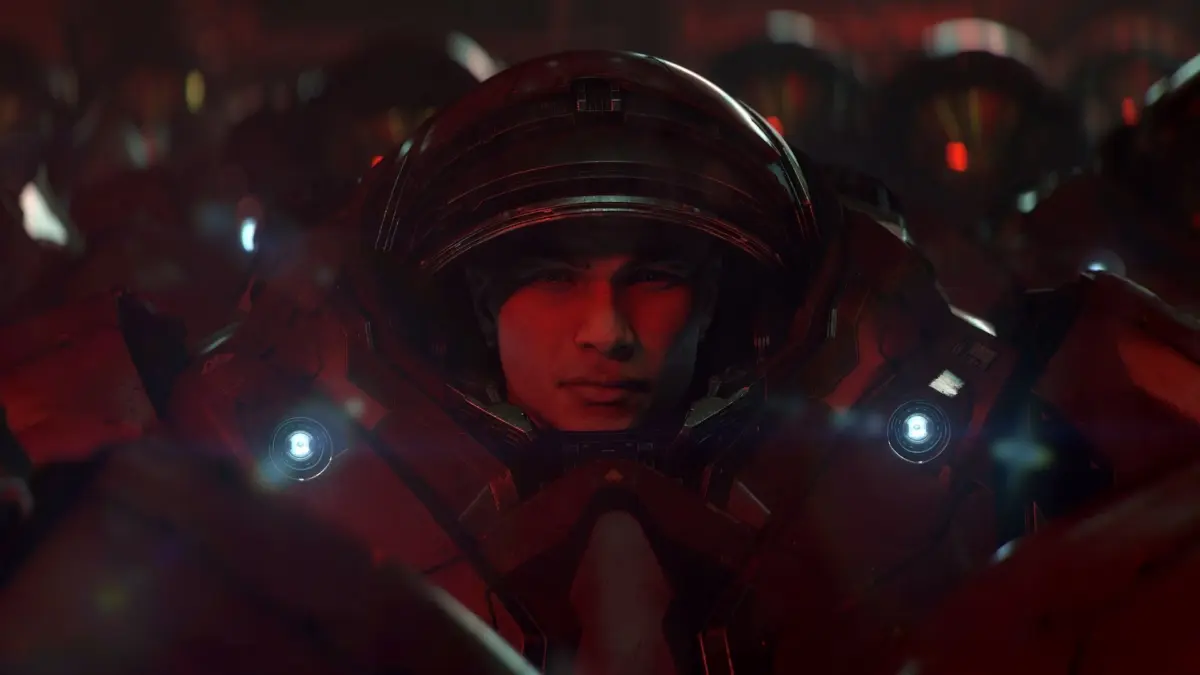
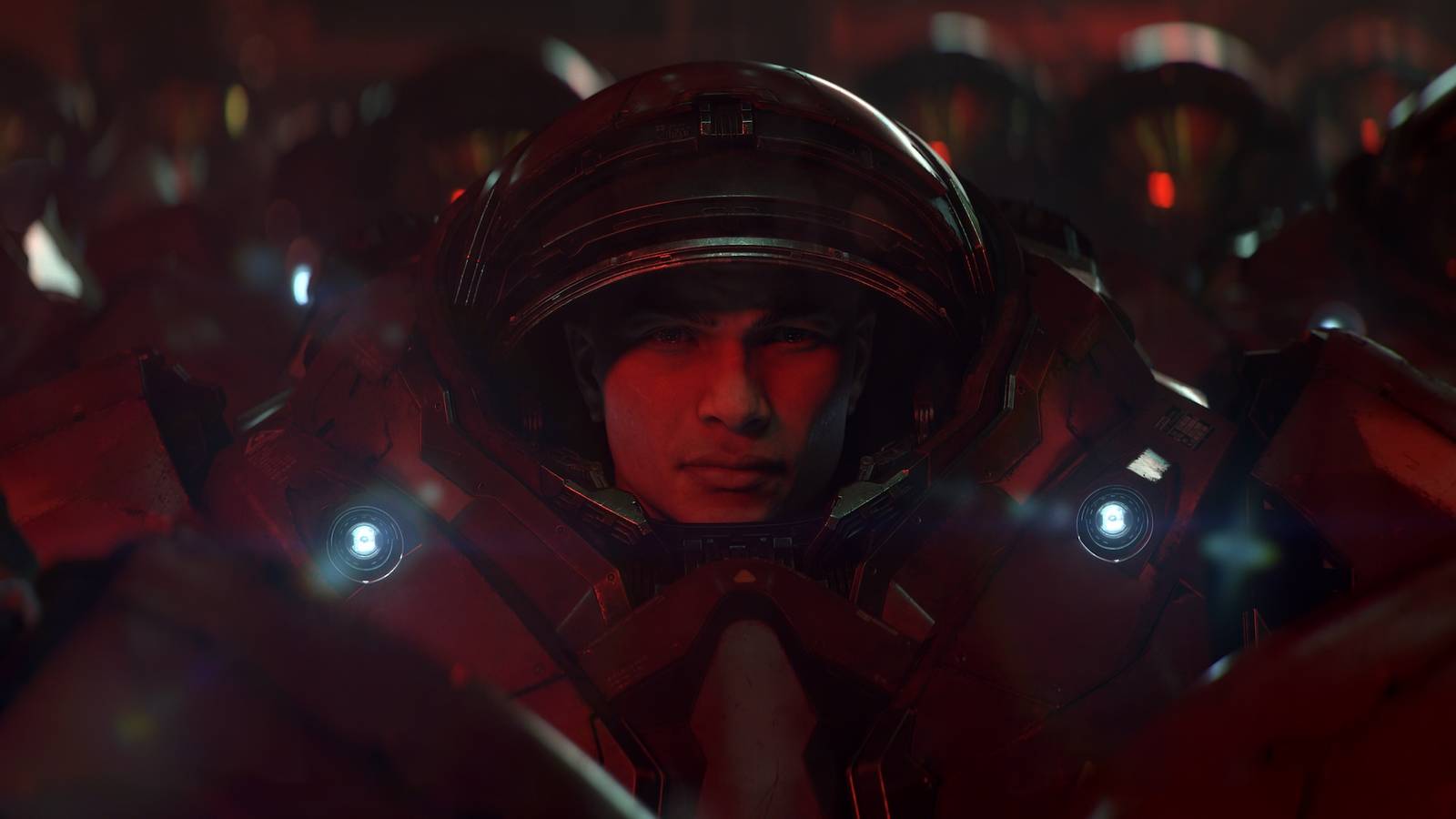
They began conceptualizing a project that would shift the viewpoint from the lofty, god-like vantage point of a fleet commander down into the muddy trenches. The goal: immerse players directly in the boots of the Terran infantry. This conceptual evolution culminated in the BlizzCon 2026 reveal, where a cinematic trailer dropped players straight into the bowels of a cramped Terran barracks before hurtling them onto a hostile planet swarming with an unyielding Zerg onslaught.
Supporting Context & Metrics: Navigating the 2030 Horizon
The Anatomy of a Four-Year Announcement
Announcing a AAA video game four years in advance is virtually unheard of in modern software development. Publishers typically prefer tight, predictable marketing cycles—often revealing projects 12 to 18 months prior to launch to maintain continuous hype and mitigate investor anxiety. Blizzard’s departure from this formula has naturally raised eyebrows, especially given the company’s historical challenges with project delays and vaporware.
Yet, from Hay’s perspective, the distant target date serves a distinct psychological and structural purpose.
The Clarifying Agent: In software development, open-ended timelines can lead to scope creep and unfocused iteration. Hay notes that staking a claim on a concrete year acts as a psychological anchor for the development team, forcing them to prioritize, refine, and streamline their vision.
Cultivating Community Collaboration: Blizzard is acutely aware that StarCraft belongs as much to its community as it does to the studio. By breaking the silence early, Blizzard intends to leverage player feedback across a multi-year runway, ensuring the final product honors the legacy of the original games while charting innovative mechanical territory.
Project Scale and Technical Demands
Building a modern, open-world shooter set within the hyper-detailed universe of StarCraft requires a monumental technological leap. Rendering vast alien ecosystems, managing the chaotic, screen-filling scale of a Zerg swarm, and delivering responsive, fluid first- or third-person gunplay demands sophisticated engine architecture and exhaustive asset pipelines. The four-year timeline reflects the sheer engineering gravity required to transform a legendary top-down strategy property into an explorable, living, breathing sci-fi sandbox.
Official Statements: Inside the Mind of Dan Hay
During his extensive post-announcement interview, Dan Hay elaborated on the creative philosophy driving the new project, detailing everything from factional asymmetry to narrative tone.
The Power of the Date
Addressing the elephant in the room—why reveal a game destined for 2030?—Hay emphasized the necessity of public accountability:
"You walk a funny line when you start talking about when you announce a game, right? We know how long it takes to make some of these games… I like the clarity of the date. I like it because it’s the clarifying agent in the discussion. Because you can pontificate on things and wax on things and say that you’re gonna make a thing and do a bunch of stuff. But the date makes it very real. It says, ‘All right, let’s reduce, let’s focus, and let’s go.’"
Hay also stressed that the timing felt organic because the team finally possesses a tangible build that encapsulates the game’s core identity:
"Once you’ve got a vision and the team is all rowing in the same direction, you think: It’s ready to get a sense of what the public might feel. We’re ready to get feedback. We’ve been sitting on it for a little while and working on it and it was timing. It just felt right."
Capturing the "Interstellar Space Western" Aesthetic
StarCraft has always distinguished itself from traditional high fantasy through its unique aesthetic blend of gritty military sci-fi, political corruption, and cosmic horror. Hay points out that these timeless themes are more relevant today than ever:
“When I look at what I loved about StarCraft when I first saw it… StarCraft has this wonderful thing where it’s an interstellar space Western, where factions are fighting over resources. The villains that are in it are being surreptitious, being very quiet about what they’re actually doing: Slowly boiling the water to gain control. It’s about control. It’s about dogma. It’s about politick. It’s about wooing people to a certain way of thinking and then maintaining control.”
Hay neatly categorized the psychological space occupied by each of the franchise’s iconic factions:
The Zerg: Representing an unstoppable, organic future. "They really can’t be reasoned with. In some ways they feel like they’re like the future. They’re coming; you just gotta deal with it."
The Protoss: Representing an unyielding, ancient past. "They’re stoic, they’re regal. They don’t necessarily move that quickly from the standpoint of how they think in terms of what they do."
The Terrans: Representing humanity in all its flawed glory. "They’re kind of working their way through everything, trying to figure it out, because they’re us — imperfect."
Grounding the Narrative Through the Terran Lens
When asked if the story would center around the Terrans, Hay confirmed that this perspective represents the primary creative focus of the development team. By anchoring the open-world shooter in the flawed, gritty perspective of humanity, developers can effectively contrast ordinary soldiers against the god-like technology of the Protoss and the overwhelming, primal horror of the Zerg hive mind.
Furthermore, Hay highlighted the vital role that dark humor and camaraderie play in balancing the grim reality of the setting:
"It’s super important, because it can’t all just be one note. One of my favorite shows is Deadwood, because I love the fact that there’s a place for humor in that show. It’s dark humor, and there are moments where they’re together… One of the things that was great about the original StarCraft was that there were great moments of humor. There are great moments of camaraderie and there’s real emotion."
Future Outlook: What Lies Ahead for the Franchise?
As the dust settles on BlizzCon 2026, the gaming community stands at a fascinating crossroads of anticipation and skepticism. A 2030 release date means fans will endure a lengthy, quiet period punctuated by occasional developer updates, closed playtests, and theoretical deep-dives.
For Blizzard, the stakes could not be higher. Transitioning a beloved RTS franchise into a modern open-world shooter risks alienating purists who spent decades mastering base-building, resource management, and micromanagement. However, the potential reward is immense: a successful execution could introduce StarCraft to an entirely new generation of gamers, translating the iconic lore of Jim Raynor, Sarah Kerrigan, and the Koprulu Sector into an immersive, visceral action experience.
As Blizzard begins its long, methodical march toward 2030, the true test will lie in the studio’s ability to maintain open communication with its community, gracefully balancing respect for the source material with the bold, uncompromising demands of a modern open-world genre.