Executive Overview
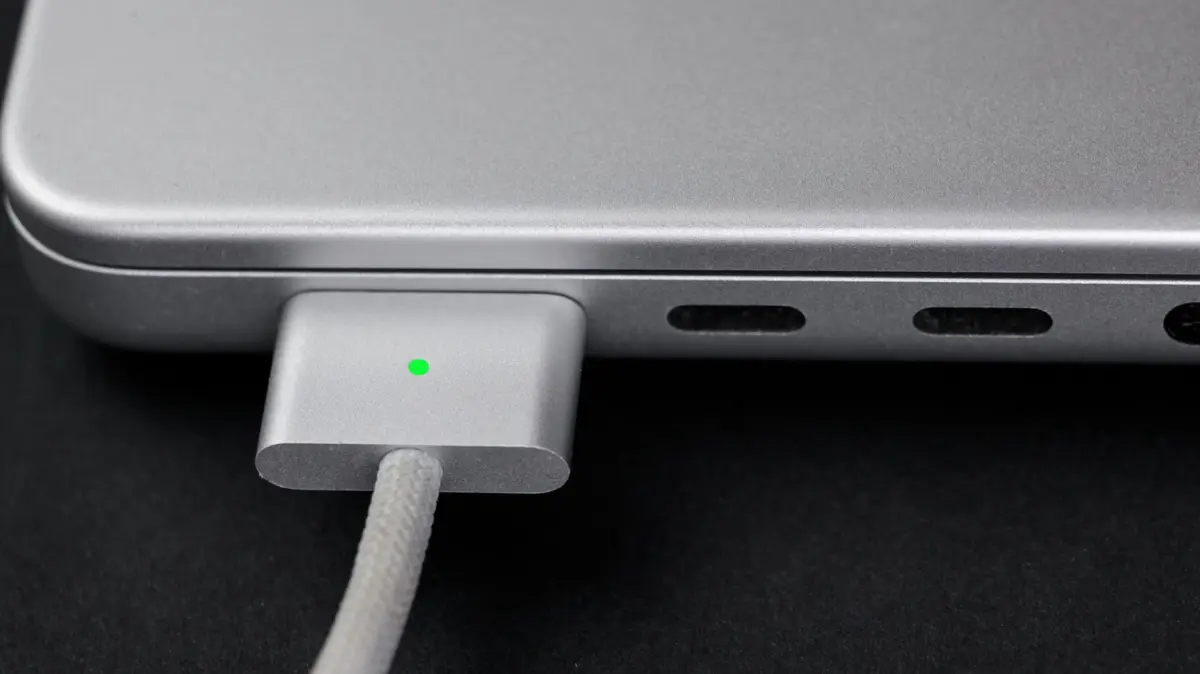
For modern MacBook owners, the daily ritual of powering up comes with a choice that subtly dictates the safety, convenience, and performance of their workspace. Apple’s proprietary MagSafe technology—now in its third major iteration—represents a triumph of mechanical design, blending magnetic breakaway safety with high-wattage delivery. On the other side of the ledger sits USB-C, the universal industry standard that has conquered the tech landscape, offering unmatched ecosystem versatility, multi-device compatibility, and a pathway to ultra-fast charging.
While users cannot draw power from both ports simultaneously on a single circuit path, understanding the distinct operational profiles of MagSafe and USB-C is essential for optimizing a daily tech setup. MagSafe remains the undisputed champion of physical safety and ease of use, drastically reducing the risk of catastrophic desk tumbles while keeping valuable Thunderbolt/USB-C ports free for peripherals. Conversely, USB-C simplifies travel burdens by consolidating charging gear into a single cable standard that can power everything from an iPhone and iPad to a power-hungry MacBook Pro.
This comprehensive analysis dives deep into the engineering mechanics, historical evolution, performance metrics, and practical use cases of both charging methodologies. Whether you are optimizing a stationary home studio or packing a minimalist travel bag, navigating the nuances of MacBook charging options requires a close look at wattage ceilings, cable specifications, and real-world ergonomics.
Detailed Chronology: The Evolution of Apple’s Power Delivery
To understand why the debate between MagSafe and USB-C exists, it is vital to trace how Apple arrived at its current dual-charging paradigm. The journey of MacBook power delivery is a history defined by alternating waves of proprietary innovation and aggressive adoption of universal standards.
The MagSafe Era Begins (2006–2015)
When Apple introduced the original MagSafe connector alongside the first-generation MacBook Pro in January 2006, it instantly solved a ubiquitous consumer anxiety: the accidental laptop drop caused by a tugged power cord. Utilizing a magnetic DC plug, the original MagSafe connector snapped effortlessly into place and safely disconnected when subjected to lateral strain.
Apple iterated on this design in 2012 with MagSafe 2, introducing a thinner, wider profile to accommodate the increasingly slender physical design of the MacBook Air and Retina MacBook Pro lineups. However, as the tech industry began consolidating around unified data and power standards, Apple made a controversial pivot.
The USB-C Monoculture (2015–2020)
In 2015, Apple dramatically redesigned the MacBook, stripping away nearly all legacy ports—including MagSafe, standard USB-A, HDMI, and the SD card slot—in favor of a minimalist configuration centered entirely around USB-C (and later Thunderbolt 3). For five years, USB-C was the exclusive lifeline for MacBook power.
While this move accelerated the mainstream adoption of the USB-C standard across the entire consumer electronics industry, it drew immense ire from loyalists. Users deeply missed the magnetic breakaway safety of MagSafe, reporting numerous instances where tripped cables sent expensive MacBook Pros crashing to the hardwood floor. Furthermore, early USB-C implementations were plagued by confusing power delivery specifications, leaving consumers bewildered by a jungle of incompatible cables and underpowered bricks.
The Return of MagSafe and the Dual-Standard Era (2021–Present)
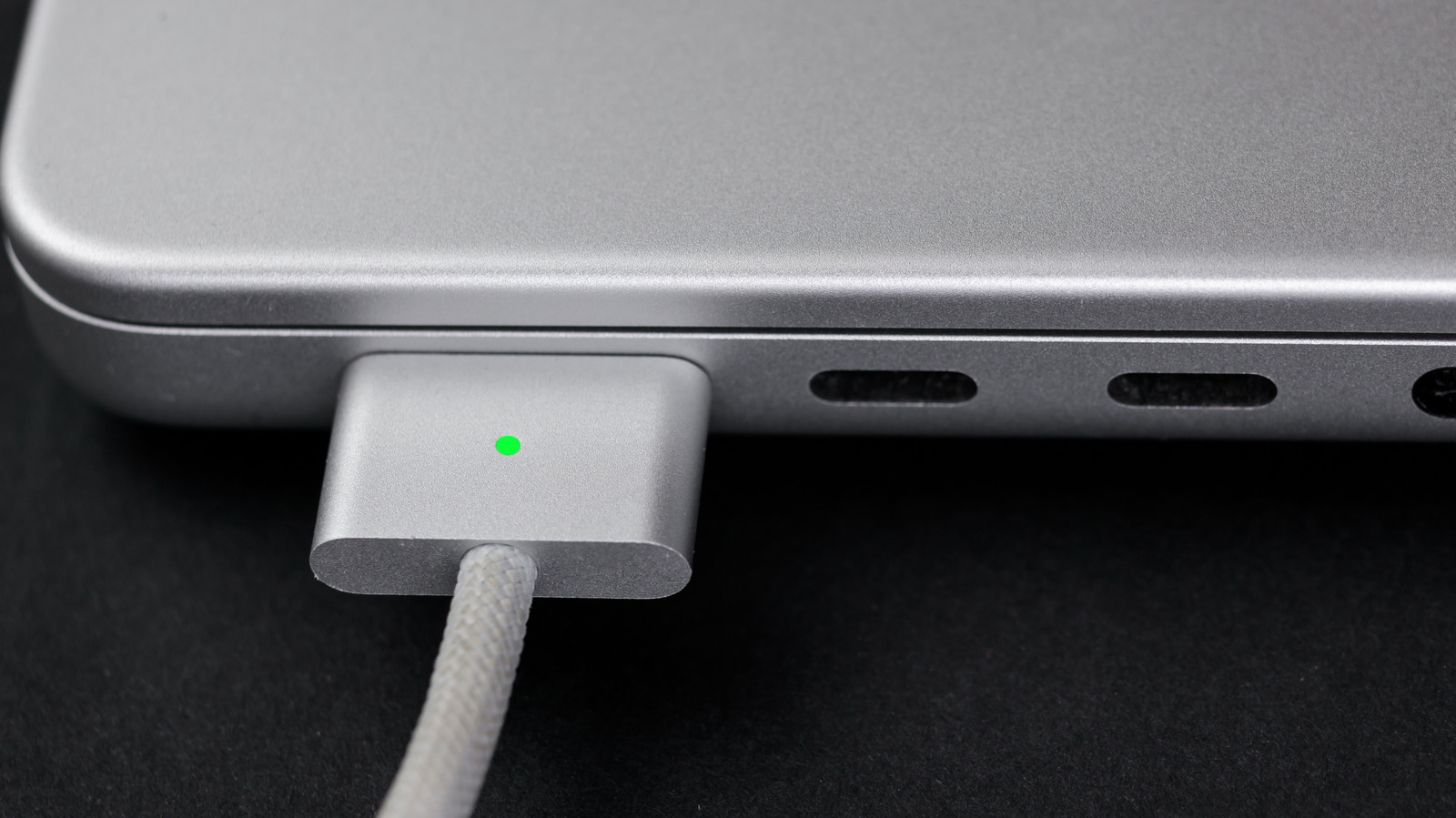
Listening to heavy backlash from creative professionals and everyday users alike, Apple reintroduced its magnetic charging solution in late 2021 with the launch of the redesigned MacBook Pro models featuring MagSafe 3.
Rather than abandoning USB-C, Apple chose a hybrid approach: modern MacBooks retain fully functional USB-C/Thunderbolt ports that are completely capable of handling power input, while simultaneously offering the dedicated, high-speed MagSafe 3 port. This dual-charging architecture gives consumers the best of both worlds, enabling a flexible charging ecosystem that adapts to stationary desk setups and on-the-go travel requirements alike.
Supporting Context & Metrics: Power, Safety, and Performance
Choosing between MagSafe and USB-C is not merely a matter of aesthetic preference; it involves tangible differences in electrical throughput, physical safety mechanics, and desktop ergonomics.
+------------------------+---------------------------------+---------------------------------+
| Feature / Metric       | MagSafe 3                       | USB-C Power Delivery            |
+------------------------+---------------------------------+---------------------------------+
| Physical Safety        | High (Magnetic breakaway)       | Low (Rigid connection)          |
| Maximum Power Output   | Up to 140W (Specific models)    | Up to 240W (With EPR cables)    |
| Port Conservation      | Leaves Thunderbolt ports free   | Consumes a functional port      |
| Cross-Device Utility   | MacBooks only                   | Universal (Phones, iPads, PCs)  |
| Orientation            | Reversible, auto-aligning       | Reversible, mechanical insert   |
+------------------------+---------------------------------+---------------------------------+
Physical Safety and Ergonomics
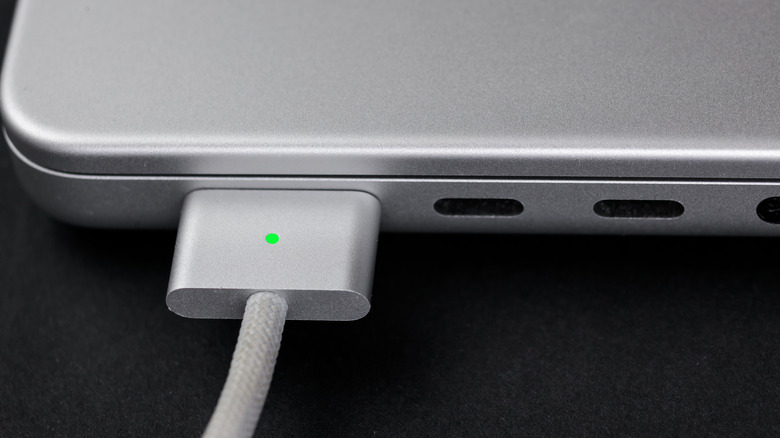
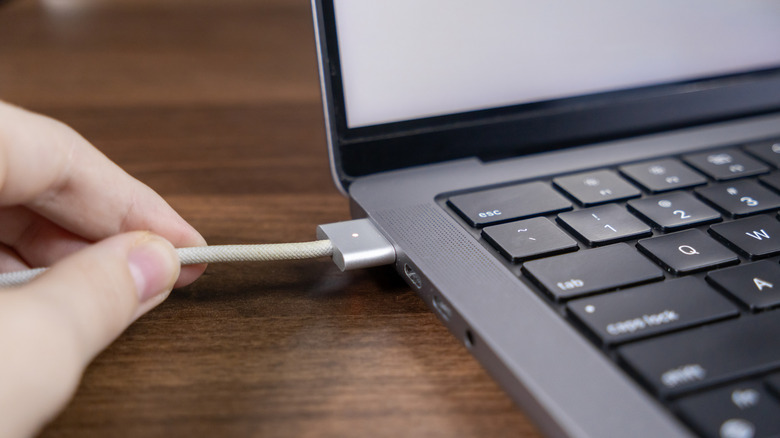
The primary engineering advantage of MagSafe 3 is its magnetic breakaway design. When a physical force is applied to the cable at an angle, the magnets disengage smoothly, preventing the kinetic energy of the tug from translating into the chassis of the laptop. In environments with pets, children, or bustling office foot traffic, this mechanism has saved countless logic boards and display panels from destruction.
USB-C connections, by contrast, rely on a friction-fit mechanical latching mechanism inside a rigid port. While robust enough to withstand normal daily handling, a sharp yank on a USB-C charging cable transfers the full force directly to the laptop, frequently dragging the device off a desk or straining the internal solder joints of the port itself.
Wattage Ceilings and Fast-Charging Capabilities
Power delivery capabilities vary significantly depending on the cable, the charging brick, and the specific MacBook generation:
- MagSafe 3 Performance: Designed to handle heavy electrical loads, MagSafe 3 natively supports rapid energy transfer. When paired with Apple’s 140W USB-C power adapter and an appropriate MagSafe 3 cable, compatible 16-inch MacBook Pro models can achieve a 50% charge in approximately 30 minutes. This level of rapid charging requires the specific voltage and amperage profile negotiated through Apple’s proprietary hardware handshake.
- Standard USB-C Limitations: Historically, standard USB-C cables were capped at lower power thresholds, often delivering around 60W, which is insufficient for fast-charging high-end MacBook Pro units under heavy CPU and GPU loads.
- The Extended Power Range (EPR) Revolution: Newer USB-C specifications have introduced Extended Power Range (EPR) cables, capable of delivering up to 240W of power. MacBook Pros released after late 2023 can leverage this massive wattage ceiling via USB-C, provided the user invests in a certified 240W USB-C cable and a high-capacity power brick.
Official Industry Perspectives and Ecosystem Dynamics
While consumer tech blogs frequently frame the MagSafe vs. USB-C debate as a zero-sum game, hardware manufacturers and standards bodies view them as complementary technologies.
Apple’s official hardware philosophy emphasizes choice without compromise. By engineering modern MacBooks to accept power through either the dedicated MagSafe port or any of the available Thunderbolt/USB-C ports, Apple acknowledges that different environments demand different power workflows.
Industry analysts point out that USB-C’s triumph as a universal standard—championed heavily by regulatory bodies such as the European Union—has simplified consumer electronics to an unprecedented degree. Consumers no longer need a proprietary brick for every distinct gadget they own. A single high-wattage GaN (gallium nitride) charger can power a Nintendo Switch, an iPad Pro, an iPhone 15/16, and a MacBook.
However, accessory manufacturers note that MagSafe retains a loyal enthusiast base precisely because it protects high-value hardware investments. For enterprise deployments, education sectors, and creative studios where accidental cord trips are a daily hazard, IT departments overwhelmingly favor MagSafe-equipped laptops to minimize hardware repair claims.
When to Use MagSafe vs. When to Use USB-C
To maximize the longevity and efficiency of your MacBook, matching your charging method to your immediate environment is critical.
Scenario A: The Stationary Desk Setup (MagSafe Wins)
When working from a fixed desk, home office, or studio workspace, MagSafe 3 is almost always the superior choice.
- Port Preservation: By routing power through the dedicated MagSafe port, all of your Thunderbolt/USB-C ports remain completely open for high-speed external displays, multi-port docking stations, high-capacity external SSDs, and specialized peripherals.
- Accidental Protection: In busy workspaces where coffee cups, notebooks, and shifting arm positions create hazards, the magnetic breakaway feature provides invaluable peace of mind.
- Maximum Speed: Utilizing the out-of-the-box Apple power brick and MagSafe cable guarantees access to optimal fast-charging speeds without second-guessing cable wattage ratings.
Scenario B: Minimalist Travel and Mobile Work (USB-C Wins)
When packing light for a business trip, a flight, or a remote working session at a coffee shop, USB-C shines due to its unmatched versatility.
- Cable Consolidation: Traveling with a single high-wattage multi-port USB-C charger and one heavy-duty USB-C cable eliminates the need to pack dedicated proprietary power bricks. That exact same cable can charge your MacBook during the day, your iPad in the evening, and your smartphone overnight.
- Universal Docking: Modern hotel rooms, conference centers, and modern workspaces frequently feature USB-C power drops and monitors that deliver both display signals and power simultaneously over a single USB-C cable.
Future Outlook: The Convergence of Power and Data
Looking ahead, the boundary between proprietary magnetic safety and universal USB-C standards is likely to blur even further. As power delivery technologies scale beyond 240W to support increasingly power-dense mobile workstations, the demand for both ultra-fast throughput and physical safety mechanisms will only intensify.
Third-party accessory manufacturers have already begun experimenting with magnetic USB-C adapters—small dongles that convert a standard USB-C port into a magnetic breakaway connection. While these third-party solutions have historically faced scrutiny regarding data integrity and strict USB-IF compliance standards, consumer demand for magnetic safety across all devices remains exceptionally high.
Ultimately, MacBook users are fortunate to operate within an ecosystem that does not force an exclusive choice. By keeping a MagSafe cable stationed at your primary desk for maximum speed and safety, while tucking a high-capacity USB-C cable into your travel bag for ultimate versatility, you can harness the absolute best of both technological worlds.