Executive Overview
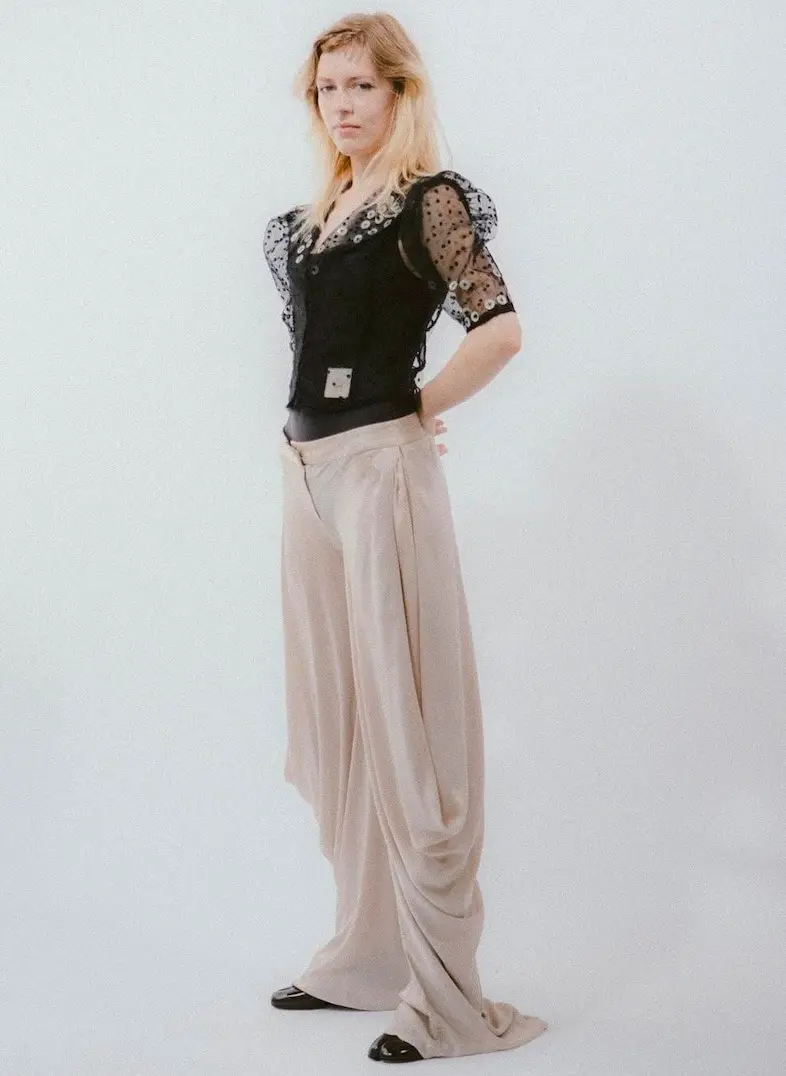
London Fashion Week (LFW) has long operated as an incubator for sartorial subversion, but the Spring/Summer 2027 (SS27) season marks a profound structural bifurcation within the British capital’s creative ecosystem. While the British Fashion Council (BFC) official calendar commands global headlines through marquee returns—most notably Alexander McQueen’s homecoming to the UK capital after a quarter-century absence and Christopher Kane’s high-profile debut at Mulberry—a parallel universe of creative expression is quietly unfolding across the city’s warehouses, residential studios, and independent retail bastions.
This is the "IYKYK" (If You Know, You Know) circuit: an underground network of rogue presentations, secret happenings, and self-funded activations orchestrated by London’s buzziest independent designers. Eschewing the corporate sponsorships, rigid time constraints, and logistical behemoths of traditional runway shows, these practitioners are choosing to operate off-schedule. Promoted purely through grassroots digital channels, encrypted messaging groups, and intimate follower bases, the SS27 underground schedule offers an unvarnished, high-octane look at where fashion’s true cultural currency is currently being minted.
The motivations driving designers off-schedule are manifold. Skyrocketing production costs associated with official BFC slots, coupled with an industry-wide fatigue toward traditional commercial cycles, have catalyzed a renaissance in guerrilla presentation methods. These creators are reclaiming ownership of their narratives. By stripping away the bureaucratic friction of standard fashion week logistics, talents like Kai Ghattaura, Ellen Poppy Hill, R&M Leathers, Layal Balubaid, George Trochopoulos, and Lili Curia are bypassing traditional gatekeepers. They are engaging directly with their communities in spaces that range from east London sex-positive warehouse collaborations to quiet morning poetry readings in luxury conceptual retail institutions.
This report provides a definitive investigative overview of the off-schedule landscape for London Fashion Week SS27. It offers an exhaustive chronological breakdown of the independent presentations capturing the industry’s attention, an analysis of the socio-economic metrics driving the shift toward guerrilla showcasing, direct insights from the creative minds leading the charge, and a forward-looking assessment of how this decentralization will permanently alter the operational blueprint of the global fashion capitals.
Detailed Chronology: The SS27 Off-Schedule Itinerary
Navigating the unofficial landscape of London Fashion Week requires insider access, digital agility, and a willingness to traverse the city outside traditional fashion hubs like Soho and the Strand. Below is the chronological blueprint of the independent showcases defining the SS27 season.
Friday: The Conceptual Vanguard and Viral Icons
Kai Ghattaura x Fin Forsyth: Postmodern Ragebait in the Digital Age
Kicking off the underground circuit is Telford-raised Central Saint Martins MA Fashion 2026 graduate Kai Ghattaura, who is joining forces with partner Fin Forsyth for an immersive, cross-disciplinary presentation. Ghattaura, whose aesthetic has been aptly characterized by Dazed as "postmodern ragebait clothing," draws deeply from the recesses of internet lore, obscure meme culture, and the nostalgic video games of his formative years.
While his garments have rapidly attained cult status—frequently spotted on the back of internet provocateur EsDeeKid—Ghattaura’s approach to runway presentation rejects traditional passive viewing. Inviting attendees to "come and play with us," the duo’s off-schedule happening on Friday afternoon promises an interactive, digitally-literate installation that blurs the boundary between physical garment construction and digital trolling. For Ghattaura, the runway is not a stage for quiet luxury; it is an arena for provocation, challenging the audience to reevaluate the consumption of internet-era aesthetics translated into wearable form.
George Trochopoulos: The Master of Sculptural Silhouette
Later on Friday, Greek-born designer George Trochopoulos will host an intimate, highly curated presentation in the heart of Fitzrovia. Trochopoulos first scorched the global consciousness with his viral mussel-shell bolero—a triumph of 3D-knitting technology and biomorphic design that was swiftly snapped up by cultural heavyweights such as Solange and Tyla. With an impressive roster of high-profile fans that includes SZA, Jorja Smith, Anok Yai, and Quen Blackwell, Trochopoulos has spent the past several seasons solidifying a distinct, hyper-feminine silhouette defined by precision engineering and tactile subversion.
"The past few years I have been getting to know my girl," Trochopoulos reflects on his design journey leading up to SS27. "I hope this season I can give you a proper introduction to her." Friday’s Fitzrovia showcase is designed to be that formal introduction—moving away from the fleeting virality of social media snippets to present a cohesive, deeply atmospheric narrative of the Trochopoulos woman. Expect architectural knitwear, gravity-defying silhouettes, and a meticulous study in tension between organic forms and synthetic textures.
Saturday: Counter-Programming and Sensorial Sanctuaries
Lili Curia x Dover Street Market: The Antidote to Fashion Week Burnout
As the weekend schedule reaches its frenetic peak, footwear label Lili Curia is offering a much-needed sanctuary from the chaos. Founded just last year, the brand has swiftly captured the imagination of the international fashion elite, with its coquettish, vintage-inspired footwear gracing figures like Lisa and Suki Waterhouse.
Breaking entirely from the traditional high-stress runway format, Lili Curia is taking over Dover Street Market on Saturday morning for an intimate reading hosted in collaboration with model Tali Lennox. By replacing strobe lights, booming techno soundtracks, and frantic front-row politics with spoken word and quiet contemplation, the brand is pioneering a new mode of retail-as-presentation. This counter-programming highlights a growing consumer and industry appetite for mindfulness within luxury spaces, proving that a brand can generate immense cultural capital by doing less, rather than more.
Sunday: Cult Leather and East London Subversion
R&M Leathers x Pornhub: "MISS LEATHERS"
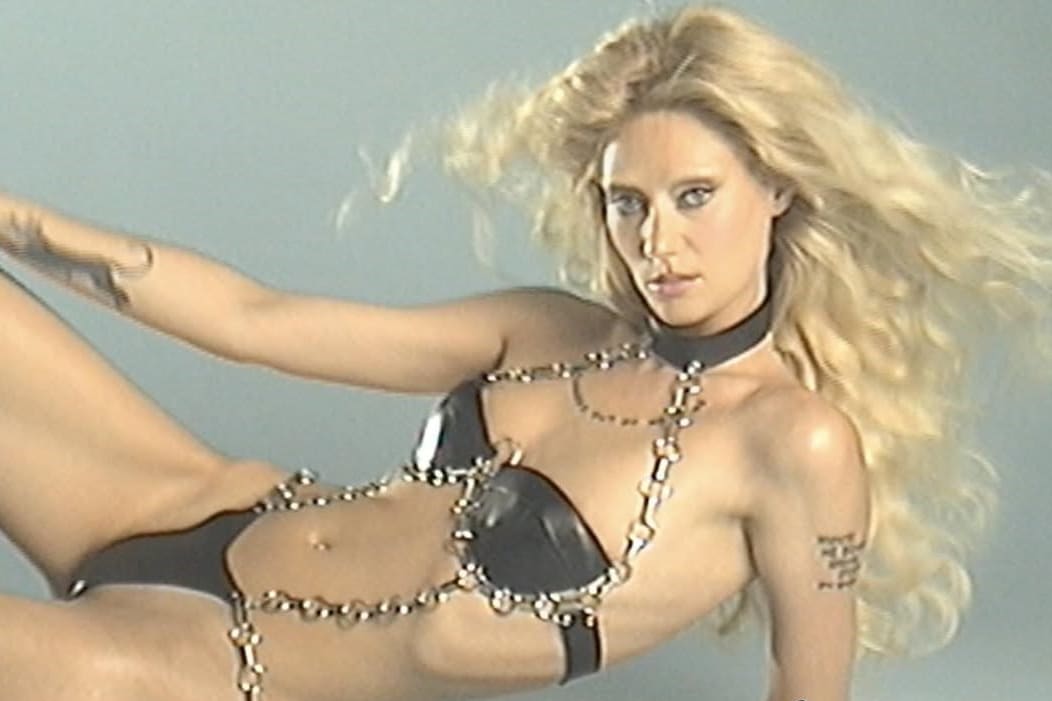
Sunday evening belongs entirely to east London’s undisputed heavyweight of leathercraft: R&M Leathers. Founded in 2018 by Ruby Mariani, the label has spent the past eight years building an unyielding cult following among global pop stars and underground royalty alike. For SS27, R&M Leathers is crossing a major milestone by hosting its debut runway show, titled MISS LEATHERS.
In true underground fashion, the brand is bypassing traditional venue models to host the catwalk in collaboration with adult entertainment titan Pornhub. The partnership amplifies R&M Leathers’ signature ethos: unapologetically carnal, impeccably constructed, and defiantly transgressive. Set in an undisclosed east London industrial space, MISS LEATHERS is poised to be one of the most talked-about experiential happenings of the week, fusing high-end artisanal leatherwork with sex-positive performance art.
Monday and Beyond: Studio Access and Unfiltered Access
Layal Balubaid: Democratizing Couture
Closing out the independent circuit is Saudi-born, London-based designer Layal Balubaid. Currently studying for her MA at Central Saint Martins, Balubaid has been turning heads with her comedy-inflected couture, earning praise from figures as diverse as Rama Duwaji, First Lady of New York City, and the region’s leading style critics.
Rather than staging a traditional presentation, Balubaid is flinging open the doors of her studio to welcome the public, press, and buyers alike. "Want to see my pieces up close? Try things on? Be nosy? Bring me a present? Now you can!" she proclaims. This radical act of radical transparency flies in the face of fashion week exclusivity. By inviting direct physical interaction with her intricate, humorous garments, Balubaid is dismantling the hierarchical barriers that typically separate emerging creators from their audiences, offering an unmediated, deeply personal look at the mechanics of contemporary couture creation.
Supporting Context & Metrics: The Economics of the Underground
To fully grasp why an unprecedented number of designers are bypassing the official British Fashion Council schedule for SS27, one must examine the macroeconomic realities governing contemporary fashion production.
The Cost of Entry vs. Return on Investment
Historically, mounting an official on-schedule runway show in London, Milan, Paris, or New York required a minimum capital outlay ranging from £50,000 for emerging talent showcases to upwards of several hundred thousand pounds for established houses. These figures encompass venue rental, lighting, sound engineering, hair and makeup teams, casting directors, styling fees, production management, and accredited public relations agencies.
For independent designers operating without corporate backing or venture capital funding, these costs are frequently insurmountable, often plunging young labels into precarious debt cycles. Conversely, off-schedule presentations—hosted in artist studios, independent retail spaces, or unconventional industrial backdrops—allow designers to slash operational overheads by up to 70%. Capital can thus be redirected toward what matters most: fabric sourcing, artisanal craftsmanship, and direct digital storytelling.
Digital Virality vs. Physical Footprint
The rise of the "IYKYK" presentation model is inextricably linked to the democratization of media consumption. In the pre-digital era, an off-schedule show was invisible to all save for the few dozen editors and buyers who managed to receive a physical card in the mail. Today, geolocated Instagram reels, TikTok live streams, and independent digital publications like Dazed ensure that a secret show in Fitzrovia or an east London warehouse can achieve millions of global impressions within minutes of happening.
Metrics from recent seasons indicate that independent designers utilizing guerrilla presentation tactics often see higher engagement rates and more targeted customer acquisition than their heavily funded on-schedule counterparts. By speaking directly to their digital communities through unpolished, behind-the-scenes narratives, these creators build authentic brand loyalty that traditional top-down marketing campaigns struggle to replicate.
Official Statements & Industry Perspectives
The friction between institutional fashion boards and independent creators has ignited a broader industry debate regarding the future of fashion week structures.
Reflecting on her decision to welcome the public directly into her creative space for SS27, Layal Balubaid notes the psychological exhaustion associated with traditional presentation models:
"We spend months isolated in our studios engineering garment narratives, only to have them flashed down a 50-meter runway in four minutes flat, viewed entirely through the glowing screens of a smartphone-obsessed front row. Opening my studio isn’t just about accessibility; it’s about reclaiming human scale. Fashion should be touched, questioned, and laughed with, not merely consumed as a distant spectacle."
Similarly, George Trochopoulos emphasizes the necessity of narrative autonomy:
"When you’re bound to an official calendar, you are constantly fighting logistics, delays, and the exhausting machinery of commercial expectation. Operating off-schedule gives you the ultimate luxury: time and space to let the consumer truly understand your universe without editorial dilution."
Industry analysts point out that while the British Fashion Council provides an invaluable global platform for commercial giants like Burberry and international heritage houses staging historic homecomings, its rigid scheduling and corporate alignment often fail to accommodate the fluid, multidisciplinary realities of twenty-first-century micro-brands. The underground circuit, therefore, is not viewed by insiders as an act of rebellion against the BFC, but rather as an essential, complementary ecosystem that keeps London’s creative pulse genuinely unpredictable and alive.
Future Outlook: The Decentralization of Fashion Week
As London Fashion Week SS27 draws to a close, the indelible mark left by its off-schedule vanguard forces a critical question: What is the long-term future of the traditional fashion week model?
The success of creators like Kai Ghattaura, R&M Leathers, and Lili Curia signals a permanent shift toward decentralization. The rigid monopoly held by centralized fashion boards over seasonal calendars is steadily eroding, replaced by a hybrid model where institutional mega-shows and guerrilla counter-programming coexist in a dynamic, albeit tense, equilibrium.
In the coming years, we can expect to see major fashion capitals increasingly mirror London’s bifurcated approach. As Gen-Z and post-digital consumers demand greater authenticity, transparency, and localized engagement, designers will continue to abandon costly, high-waste runway formats in favor of intimate happenings, interactive studio activations, and cross-disciplinary art collaborations.
Ultimately, the SS27 underground schedule proves that the most exciting developments in fashion rarely happen under the blinding spotlights of official tents. They happen in the shadows, fueled by post-internet ragebait, sex-positive warehouse art, quiet morning poetry readings, and the relentless ingenuity of a generation refusing to play by the industry’s outdated rules. London remains the undisputed capital of raw, unfiltered creative freedom—precisely because its best secrets are the ones you have to know someone to find.