Executive Overview
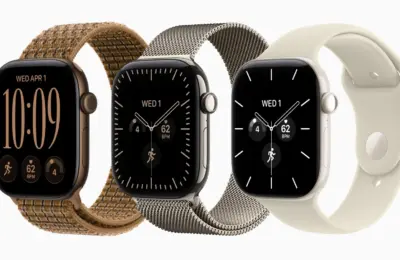
The wearable technology market has long crossed the threshold from casual step-counting to advanced, proactive health monitoring. With the unveiling and subsequent release of the Apple Watch Series 12, Apple introduced its most ambitious hardware overhaul to date regarding biometric tracking. Central to this update is a completely revamped heart rate sensor, designed not only to perform during high-intensity workouts but to monitor the wearer’s cardiovascular status continuously—taking readings every five seconds, even during periods of rest or sedentary inactivity.
To evaluate whether this hardware upgrade delivers genuine clinical-grade accuracy or merely incremental marketing polish, popular tech and science reviewer Rob ter Horst—known widely across digital platforms as The Quantified Scientist—put the Apple Watch Series 12 through a rigorous battery of tests. Comparing the smartwatch’s real-time outputs against the gold standard of consumer fitness tracking, the Polar H10 ECG chest strap, ter Horst assessed the device across multiple disciplines: indoor cycling, running, weightlifting, and step-counting precision.
The results paint a nuanced picture of modern wearable evolution. The Apple Watch Series 12 demonstrated phenomenal accuracy during steady-state aerobic exercises like indoor cycling, where its data mirrored the Polar H10 chest strap almost identically. It also held strong correlations during high-impact running and notoriously difficult weightlifting sessions, comfortably outperforming roughly 85% of competing wrist-worn trackers on the market. However, interesting anomalies emerged when compared to its predecessor, the Apple Watch Series 11, raising questions regarding ongoing algorithmic adjustments and software optimization.
This report provides an in-depth breakdown of ter Horst’s findings, analyzing the technical performance of Apple’s latest flagship wearable, exploring how continuous five-second heart rate tracking impacts daily wellness insights, and evaluating where the Series 12 sits within the broader landscape of fitness technology.
Detailed Chronology of the Testing and Evaluation Process
The evaluation of the Apple Watch Series 12’s biometric capabilities did not happen in a vacuum. It follows a structured lineage of consumer testing, review cycles, and independent validation that began immediately following the device’s official launch window in September 2026.
The Hardware Launch and Initial Review Phase
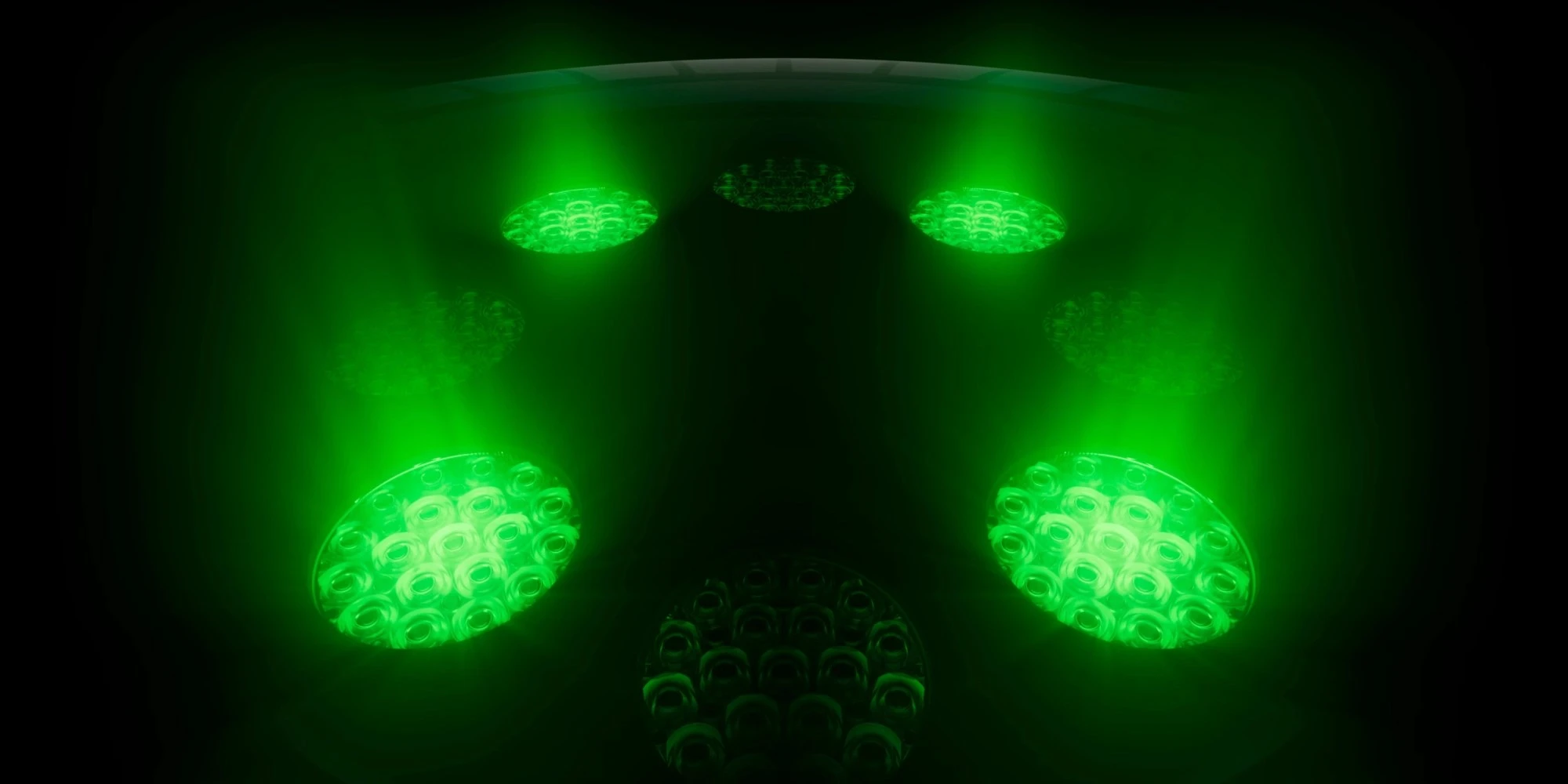
Upon the rollout of the Apple Watch Series 12, early reviewers quickly noted that Apple had moved beyond minor software tweaks, implementing a heavily restructured optical sensor array on the underside of the chassis. Alongside hardware modifications, Apple altered its software polling frequency. The device was programmed to log heart rate data at an aggressive five-second interval, even when the user was entirely inactive.

Initial reviews published across major tech publications highlighted that this increased density of data collection unlocked unprecedented visibility into everyday physiological shifts. Users could suddenly pinpoint exact timestamps where mundane activities—such as carrying heavy groceries up a flight of stairs, performing routine yard work, consuming an afternoon espresso, or navigating a sudden wave of work-related stress—caused measurable spikes or fluctuations in their cardiovascular metrics.
The Quantified Scientist’s Experimental Setup
Recognizing the claims made by the manufacturer and early reviewers, Rob ter Horst sought to quantify the precision of the Series 12 under controlled, repeatable physical stressors. Utilizing the Polar H10 ECG chest strap—widely recognized by sports scientists and endurance athletes as the gold standard for consumer heart rate monitoring due to its electrical heart-monitoring capabilities (ECG) versus the optical (PPG) sensors found on wrists—ter Horst designed a cross-activity testing matrix.
The testing protocol required wearing both the Apple Watch Series 12 and the Polar H10 simultaneously across three distinct workout categories:
- Indoor Cycling: A steady-state, low-vibration aerobic environment designed to test baseline optical tracking efficiency.
- Running: A high-motion, repetitive-impact cardiovascular workout that tests the sensor’s ability to filter out motion artifacts and cadence lock.
- Weightlifting: A notoriously difficult regime for wrist-based optical sensors, characterized by intermittent heavy muscle contractions, rapid blood flow shifts, and frequent wrist flexion.
In addition to cardiovascular tracking, ter Horst incorporated a manual verification test for the device’s pedometer functionality, counting roughly 5,000 steps manually to check for over- or under-counting drift.
Supporting Context & Performance Metrics
The data collected from ter Horst’s comparative analysis reveals specific strengths and minor limitations of the Apple Watch Series 12 sensor architecture. In data science terms, the accuracy of a wearable is often evaluated using correlation coefficients (where a score of 1.0 represents a flawless, identical match to the reference device).
1. Indoor Cycling: Near-Perfect Synchronization
During indoor cycling sessions, the Apple Watch Series 12 achieved a near-perfect correlation score of 1.0 when benchmarked against the Polar H10 ECG chest strap.

- Analysis: Indoor cycling provides an ideal environment for optical heart rate sensors (Photoplethysmography or PPG). Because the arm and wrist remain relatively stable compared to running, and because there is minimal vertical shock, the green and infrared LEDs on the back of the watch can reliably measure blood volume changes in the microvascular bed beneath the skin without excessive interference from motion artifacts. For cyclists, the Series 12 offers data integrity that is virtually indistinguishable from a dedicated chest-worn medical-grade strap.
2. Running: High Reliability with Minor High-End Deviations
During running sessions, the Series 12 achieved a stellar 0.98 correlation coefficient with the chest strap.
- Analysis: While a 0.98 correlation is exceptionally high and places the device near the pinnacle of consumer smartwatches, ter Horst noted minor deviations specifically during peak, high-intensity heart rate phases. This is a common phenomenon in wrist-based trackers; as the body moves violently up and down, blood sloshes through the extremities, and the watch can occasionally suffer from "cadence lock"—where the sensor momentarily mistakes the runner’s step frequency for their pulse. Despite this, the overall tracking fidelity during runs remains exceptionally trustworthy for pacing and cardiovascular zone training.
3. Weightlifting: Navigating the Toughest Test in Wearables
Weightlifting traditionally represents the graveyard of wrist-based optical heart rate sensors. Flexing the wrist, gripping heavy dumbbells or barbells, and experiencing sudden, explosive blood pressure spikes routinely confuse optical algorithms.
- Analysis: During weightlifting workouts, the Apple Watch Series 12 registered a correlation of 0.97. While this was the lowest score among the three tested activities, ter Horst emphasized that the result is nonetheless "quite good." In a comparative context, this performance places the Series 12 in the elite tier, outperforming approximately 85% of all competing wearable devices that ter Horst has tested for strength training over the years.
4. Step-Counting Accuracy
In the manual step-counting verification—where ter Horst walked while manually tallying roughly 5,000 steps—the Apple Watch Series 12 proved exceptionally reliable. The device was generally "spot-on," registering only minor over-counting tendencies that fall well within acceptable margins of error for daily activity tracking.
The Generation-Over-Generation Paradox: Series 12 vs. Series 11
One of the most intriguing findings from the analysis involves a comparison between Apple’s current flagship and its direct predecessor, the Apple Watch Series 11.
During long-term testing protocols, ter Horst observed that the older Apple Watch Series 11 actually delivered slightly better performance during running workouts than the newly redesigned Series 12. While this might initially sound alarming, sports technology experts suggest a logical explanation: algorithmic maturity.
When a manufacturer introduces a completely revamped hardware sensor—changing the physical layout, LED placement, or photodiode configuration—the underlying software algorithms must be rewritten or retuned to interpret the new stream of raw data. It is highly probable that Apple is still actively rolling out software refinements and machine learning updates to optimize how the Series 12 processes high-motion running data. Given Apple’s history of iterative software updates, this minor performance deficit during running is likely temporary.

Official Statements and Industry Perspectives
While Apple has historically let its hardware performance and clinical validation studies speak for themselves, the broader tech and fitness community has embraced these independent benchmarks as a necessary reality check for modern marketing claims.
Industry analysts reviewing the data point out that consumers often expect linear improvements with every successive generation of consumer electronics. However, biometric sensor engineering is bound by the laws of physics. Wrist-based optical heart rate monitoring inherently struggles with skin tone variations, tattoos, ambient temperatures, hair density, and mechanical motion.
By achieving a 0.97 to 1.0 correlation with a chest strap across varied athletic disciplines, Apple has proven that its design philosophy—balancing continuous background data collection with high-intensity athletic accuracy—is paying off. The decision to poll heart rate data every five seconds during sedentary periods transforms the watch from a mere "workout companion" into a 24/7 metabolic window, allowing users to observe physiological reactions to everyday stimuli like caffeine, stress, and physical strain.
Future Outlook: The Trajectory of Wrist-Based Biometrics
The insights uncovered by The Quantified Scientist point toward a clear trajectory for the future of wearable health tech. As sensors become more sensitive and polling intervals grow tighter, the boundary between consumer lifestyle gadgets and preventative medical monitoring continues to blur.
- Algorithmic Refinement: As noted in the comparison between the Series 12 and Series 11, hardware upgrades are only as good as the software interpreting them. Over the coming months, watchOS updates will likely recalibrate the Series 12’s motion-filtering algorithms, closing the slight performance gap observed during high-intensity running.
- Deepening Contextual Health: With five-second resting and active heart rate logging now standard, future software iterations will likely leverage machine learning to help users better understand their autonomic nervous system. Anticipated features could include more granular stress tracking, automated recovery scoring, and earlier detection of cardiovascular anomalies before they manifest as acute health events.
- The Rise of Independent Validation: As consumers become more scientifically literate regarding fitness tracking, the reliance on independent, rigorous testers like Rob ter Horst will only grow. Brands can no longer rely solely on promotional launch claims; they must withstand rigorous comparative stress-testing against medical-grade equipment like the Polar H10.
For consumers who have already invested in the Apple Watch Series 12, the scientific verdict is reassuring. Whether you are grinding through an indoor cycling class, pushing through a heavy lifting session, or simply tracking how a stressful workday impacts your cardiovascular baseline, Apple’s latest wearable stands among the most accurate wrist-based tracking devices ever brought to the consumer market.