Executive Overview
In the fast-paced ecosystem of consumer technology, feature deprecations are rarely announced with fanfare. Instead, they vanish quietly in the fine print of support documents and compatibility lists. The latest casualty of Apple’s hardware evolution appears to be the automatic handwashing detection and timer feature—a beloved utility born out of the global health crisis of 2020.
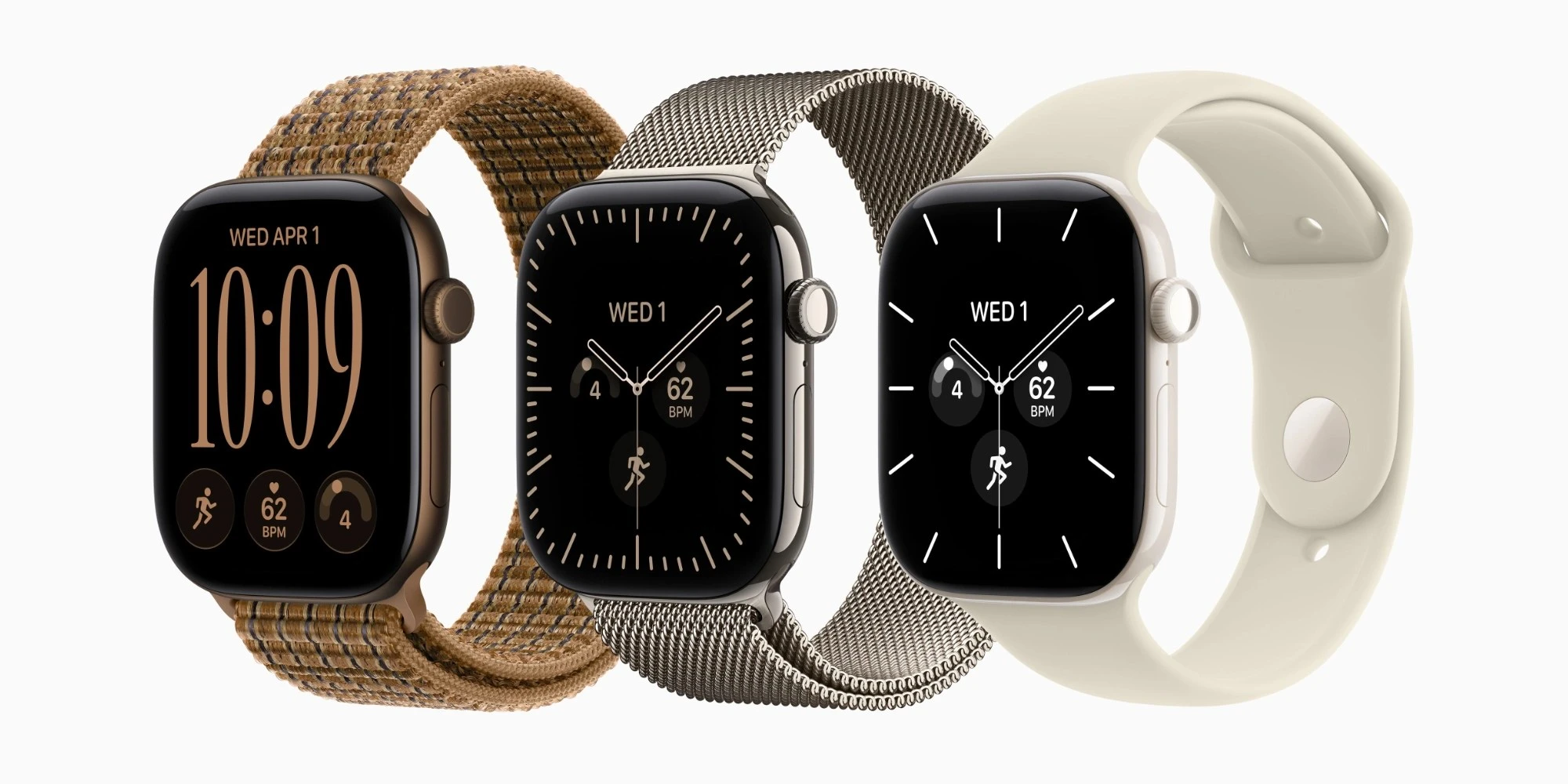
As early adopters unbox the newly launched Apple Watch Series 12 and Apple Watch Ultra 4, eagle-eyed users and tech analysts have noticed a glaring omission. Despite running watchOS 27—which continues to fully support handwashing metrics in the Apple Health app on iOS 27.2 and remains active on legacy devices like the Apple Watch Series 11 and Ultra 3—the newest flagships completely lack the capability.
Apple’s official documentation tells the story: the Series 12 and Ultra 4 are conspicuously absent from the supported hardware list for the handwashing feature. Whether this exclusion is a temporary software oversight, a deliberate reallocation of onboard sensor resources, or a permanent retirement of a pandemic-era tool remains a pressing question. This report delves into the timeline of the feature, the technological shifts powering the 2026 hardware lineup, and what this omission signals for the future of wearable health tracking.
Detailed Chronology: From Public Health Necessity to Quiet Exclusion
The 2020 Genesis: A Response to a Global Crisis
To understand the significance of this missing feature, one must look back to June 2020. Amidst the unprecedented backdrop of the COVID-19 pandemic, Apple previewed watchOS 7 during an all-digital Worldwide Developers Conference (WWDC). Alongside sleep tracking and face sharing, Apple introduced a groundbreaking, highly relevant feature: automatic handwashing detection.
Using a combination of the Apple Watch’s motion sensors and microphone, the device was engineered to automatically detect the physical motions of washing hands combined with the rushing sound of water. Upon detection, a whimsical 20-second countdown timer would appear on the display, encouraging users to scrub for the World Health Organization (WHO)-recommended duration. It was hailed as a triumph of proactive, preventive digital health—a clever software trick that leveraged existing hardware to address an immediate public health concern.
The Steady Evolution Through watchOS Generations
For years, the handwashing timer remained a reliable, if minor, fixture of the watchOS experience. It logged data seamlessly into the Apple Health application, allowing users to track their hygiene habits alongside sleep, heart rate, and activity rings. Through successive hardware iterations—from the Series 8 through the Series 11, and across the evolution of the Ultra lineup—the feature persisted.
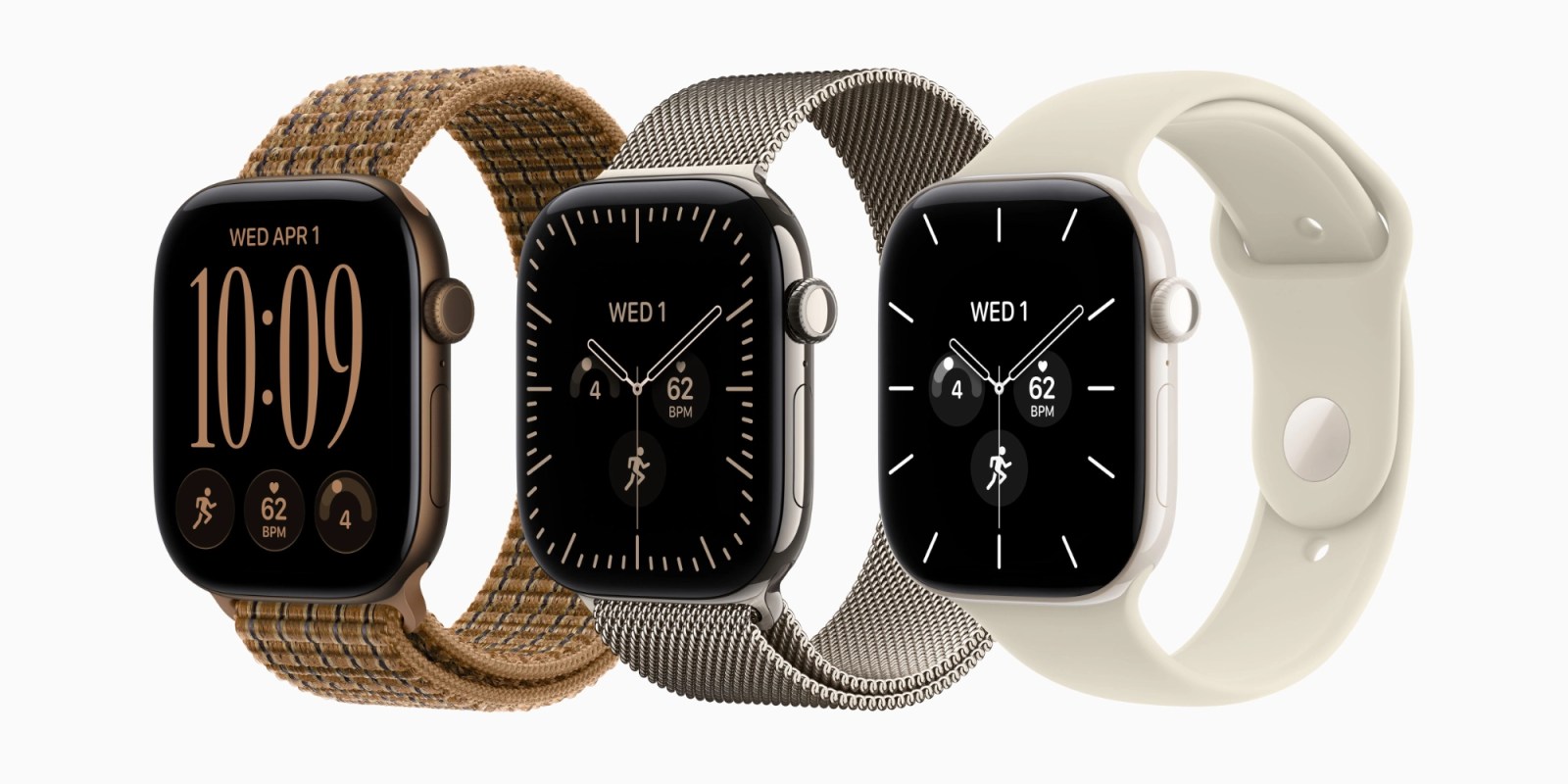
Even with the arrival of watchOS 27, the software framework for handwashing remains completely intact. The category is fully supported within iOS 27.2 for iPhone, and users running watchOS 27 on older hardware—such as the Apple Watch Series 11 and Ultra 3—will find the feature functioning precisely as it always has.
The 2026 Hardware Shock
The disconnect became apparent only with the physical release of the Apple Watch Series 12 and the Apple Watch Ultra 4. Reviewers and early buyers setting up their new devices discovered that the automatic prompts failed to trigger. Upon consulting Apple’s official support guides for watchOS 27, the Series 12 and Ultra 4 were missing from the hardware compatibility matrix.
In theory, there is no technical reason for Apple to explicitly outline "supported hardware" in a support document unless certain devices are fundamentally incapable of running the feature, or unless Apple made a conscious choice to excise it from the codebase on specific models.
Supporting Context & Metrics: The 2026 Hardware Architecture Overhaul
To decipher why a simple software feature might be left off Apple’s premier 2026 smartwatches, one must examine what has actually changed under the hood. The Apple Watch Series 12 and Ultra 4 represent a watershed moment for the product line, introducing the first major processor overhaul the wearable has seen in several years.
The Shift Toward Audio Intelligence
The primary driver behind the Series 12 and Ultra 4 architecture is a heavy emphasis on localized machine learning and advanced audio processing. The new silicon is custom-built to support heavy-duty on-device capabilities, notably Siri Recap and Live Rewind.
- Siri Recap: Aggregates and summarizes user audio, notifications, and daily environmental interactions locally on the wrist.
- Live Rewind: Allows users to capture and review recent audio environments seamlessly.
These features demand continuous, highly optimized utilization of the watch’s microphone arrays and digital signal processors (DSPs). It is entirely plausible that the algorithmic pipeline required to run real-time acoustic analysis for handwashing detection—listening for the specific frequency of running water while cross-referencing accelerometer data—either conflicts with the new audio intelligence architecture or was simply deprioritized to preserve battery life and processing overhead.

Sensor Allocation and Resource Management
Wearable technology is a perpetual exercise in compromise. Battery life, thermal limits, and processing power form a strict triangular boundary.
While the Apple Watch Series 12 and Ultra 4 boast impressive efficiency gains, engineers must constantly decide where to allocate system resources. In 2020, encouraging handwashing was a paramount global priority. In 2026, as the world has largely moved past the acute phases of the pandemic, the telemetry value of counting handwashes may no longer justify the background sensor polling required to sustain it—especially when those sensors are now heavily tasked with powering next-generation AI features like Siri Recap.
Official Statements and Industry Response
As of publication, Apple has not issued a formal press release or standalone statement clarifying the absence of the handwashing timer on the Series 12 and Ultra 4. Cupertino’s support channels have largely categorized the documentation as current, leaving consumers to wonder whether the omission is an oversight in the initial watchOS 27.0 firmware build or a permanent hardware-level deprecation.
Industry analysts and members of the developer community are currently split into two camps:
- The Bug/Oversight Hypothesis: Some believe that because watchOS 27 still contains the entire handwashing framework (as evidenced by its presence on the Series 11 and iOS 27.2), the omission on the Series 12 and Ultra 4 is a software bug tied to the new processor’s sensor drivers. Under this theory, a future point release (such as watchOS 27.1 or 27.2) might quietly restore the feature.
- The Deprecation Hypothesis: Others argue that the omission is entirely intentional. Given that the feature relies on a specific combination of legacy background processing loops, Apple may be aggressively pruning aging utilities to streamline the operating system for its new hardware paradigm.
Regardless of the cause, the lack of proactive communication from Apple has left a frustrating vacuum of information for consumers who spent top dollar on the latest hardware upgrades.
Future Outlook: What This Means for Wearable Health Tracking
The quiet disappearance of handwashing detection on the Apple Watch Series 12 and Ultra 4 highlights a broader philosophical question facing the tech industry: How long should niche preventive health features be maintained?

The Lifecycle of Micro-Features
When Apple introduces a headline-grabbing feature during a crisis, it creates a legacy expectation. Users grow accustomed to every aspect of their health dashboard remaining intact across upgrades. However, as smartwatches evolve into complex health and communication hubs capable of advanced ECG readings, blood oxygen monitoring (where legally permitted), sleep apnea notifications, and now conversational AI audio intelligence, low-impact features run the risk of becoming digital bloatware.
If Apple has deliberately retired the handwashing timer, it suggests a ruthless prioritization model. Features that do not scale or integrate with the overarching health metrics ecosystem (such as long-term cardiovascular health, metabolic tracking, or neurological insights) may be routinely trimmed to make room for more sophisticated sensors and machine learning models.
What Consumers Should Do Next
For prospective buyers weighing an upgrade to the Apple Watch Series 12 or the rugged Ultra 4, the absence of a handwashing timer is unlikely to be a dealbreaker. The devices offer monumental leaps in processing power, battery management, audio intelligence, and display technology.
However, for those who heavily relied on the gamified hygiene prompt—or for institutional environments where handwashing compliance tracking is rigorously utilized—retaining an older device like the Series 11 or Ultra 3, or waiting for subsequent software patches, may be the wisest course of action.
As the tech world monitors the rollout of watchOS 27 updates, all eyes will be on Apple’s release notes to see if the handwashing timer makes a stealthy return, or if it officially joins the graveyard of forgotten pandemic-era software.